
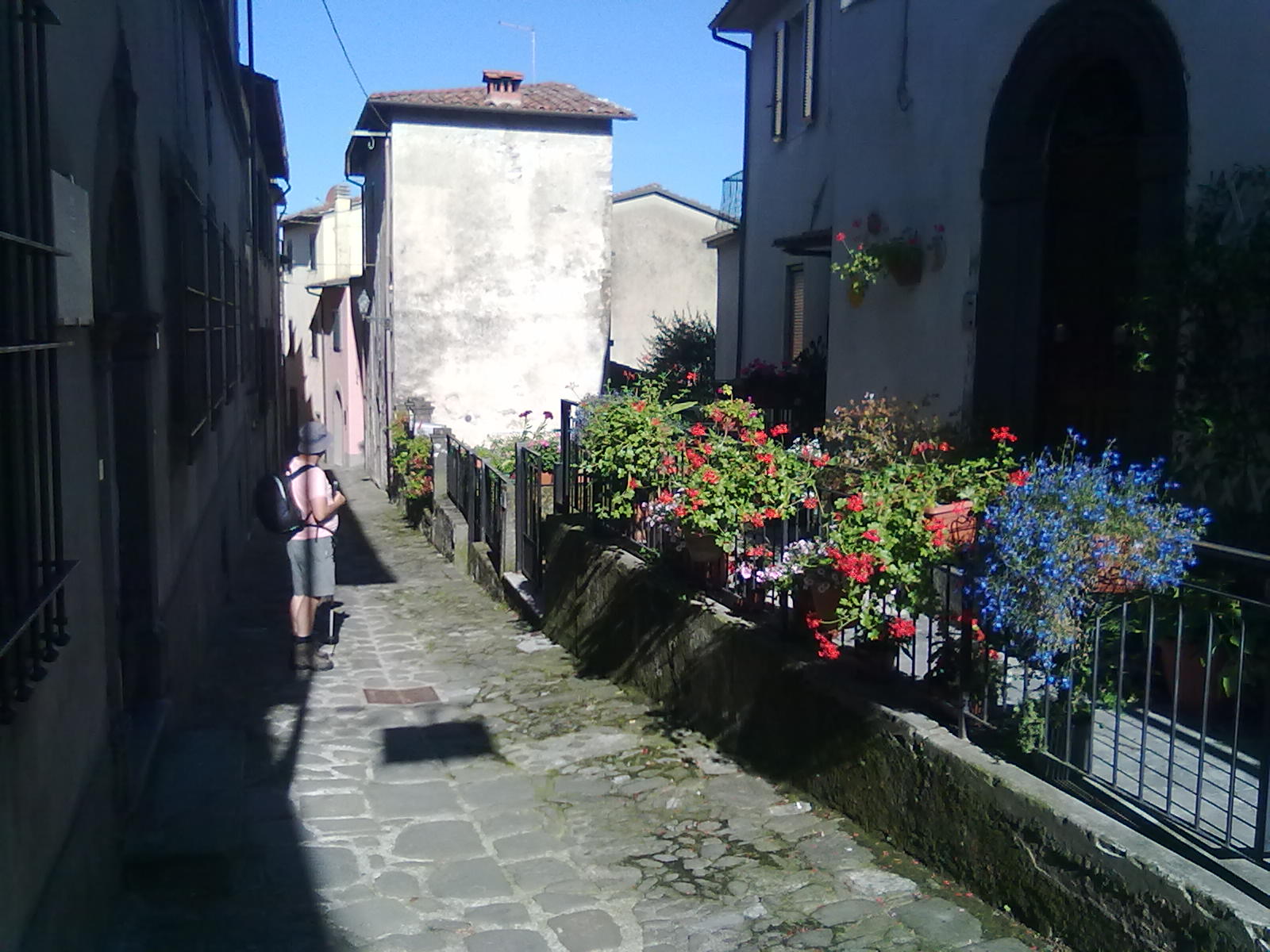
G.Lera Plaster Figurine and Emigration Museum
The G.Lera Museum in Coreglia Antelminelli, in the Lucca province of Tuscany, is dedicated to the traditional craft of plaster figurine making and to the history of Italian emigration that this trade inspired. For centuries the artisans of this hilltop town travelled across Europe and the Americas selling hand-crafted plaster statuettes, and the museum documents both the artistic techniques and the human stories of those journeys.
At a glance
- Type
- Folk art and ethnographic museum
- Period
- Craft tradition dating from the 17th century; museum established in the 20th century
- Style
- Historic palazzo with traditional exhibition rooms
- Location
- Coreglia Antelminelli, Province of Lucca, Tuscany, Italy
Overview
Coreglia Antelminelli is a hilltop comune in the Serchio Valley, approximately 25 kilometres north of Lucca. The town gave rise to a remarkable craft tradition of producing small plaster figurines — sacred images, classical subjects, and decorative objects — that itinerant vendors carried across Europe and beyond. The G.Lera Museum collects and interprets this heritage, tracing the routes of the figurinai (figurine-sellers) who left Coreglia each season to trade their wares, and who formed one of the earliest documented labour emigration circuits from Tuscany.
History
The tradition of plaster figurine making in Coreglia Antelminelli dates to at least the 17th century, when local craftsmen began producing moulds and casting small religious and decorative statues for sale. By the 18th and 19th centuries, families from the town were undertaking seasonal migrations as far as England, France, Germany, and the Americas, carrying plaster figures in wooden frames on their backs. The museum was established to preserve this dual heritage of craftsmanship and migration, and is named in honour of the Lera family, prominent local figurine-makers. Its collections include original moulds, finished figurines, documentation of emigrant routes, and personal objects brought back by returning migrants.
What you see
Visitors can explore extensive displays of plaster figurines spanning several centuries, from small devotional saints to neoclassical busts and domestic ornaments. Original casting moulds, tools, and workshop reconstructions illustrate the production process in detail. The emigration section presents maps, photographs, personal letters, and documents that trace the journeys of Coreglia’s itinerant vendors, making tangible the intersection of artistic tradition and economic necessity that shaped the community’s history.
Cultural significance
The museum stands as a rare testimony to an artisanal tradition that was once widespread across the Serchio Valley and which directly influenced popular decorative culture in multiple European countries. The emigration records it preserves are also historically significant, documenting pre-industrial patterns of seasonal labour migration long before mass emigration became a feature of Italian life.
Practical information
- Address
- Via Umberto I, Coreglia Antelminelli, 55025 Lucca LU, Italy
- Opening hours
- Check official website or contact the municipality for current opening times
- Admission
- Check official website
- Coordinates
- 44.0648° N, 10.5240° E
Getting there
Coreglia Antelminelli is best reached by car, approximately 25 kilometres north of Lucca via the SS12 road through the Serchio Valley. Regional buses operated by Vaibus connect Lucca to Coreglia, though services are infrequent. The nearest railway station is Barga-Gallicano on the Lucca–Aulla line. From Lucca city centre the drive takes about 30 minutes.
Sources & resources
Find it on the map
See this place and what’s around it →Historical events at this place (1)
📷 Diventa un fotografo di Cultural Heritage Online
Condividi le tue foto dei luoghi: restano pubblicate con la tua firma come autore. Più vengono viste, più ti fai conoscere — e presto un concorso premierà le foto più apprezzate.
Accedi o registrati gratis per aggiungere una foto