
Fondego of the Turks — Giancarlo Ligabue Natural History Museum
The Fondaco dei Turchi — also known as the Natural History Museum of Venice (Museo di Storia Naturale) — is a historic palazzo in classical Venetian-Byzantine style on the Grand Canal, known as the Turks’ Inn after its use as a trading warehouse and residence for Ottoman merchants in the seventeenth century. Today it houses the city’s natural history collection, named in honour of Giancarlo Ligabue, the palaeontologist and explorer whose donations formed the nucleus of its internationally significant fossil and ethnographic holdings.
At a glance
- Type
- Natural history museum in medieval palazzo — palaeontology, zoology, ethnography
- Period
- Palazzo: 12th–13th century origin, extensively restored 19th century; museum: 1923–present
- Style
- Venetian-Byzantine arched arcade · Grand Canal facade · medieval commercial architecture
- Location
- Salizada del Fontego dei Turchi, Santa Croce, Venice (45.4419° N, 12.3287° E)
Overview
The Fondaco dei Turchi is a palazzo in classical Venetian style on the Grand Canal of Venice, in the Santa Croce sestiere. One of the oldest surviving structures of its type in the city, it originated as a private palace before serving — from 1621 to 1838 — as the official fondaco (combined warehouse and residence) assigned to Ottoman Turkish merchants trading with Venice. After extensive nineteenth-century restoration, the building was adapted as the seat of the civic natural history collection, which was formally established in 1923 and later expanded with the Ligabue bequest.
History
The palazzo was constructed in the twelfth or thirteenth century for the Este family of Ferrara and subsequently passed through several noble hands before the Venetian state acquired it and assigned it to Turkish merchants in 1621, giving rise to its popular name. During the fondaco period, Ottoman traders lived and worked within its walls under Venetian supervision, making it a nexus of Mediterranean commercial exchange. The building fell into disrepair after 1838 and was controversially restored between 1858 and 1869 in a manner criticised by later architectural historians as overly schematic; the museum was installed from 1923 onwards.
What you see
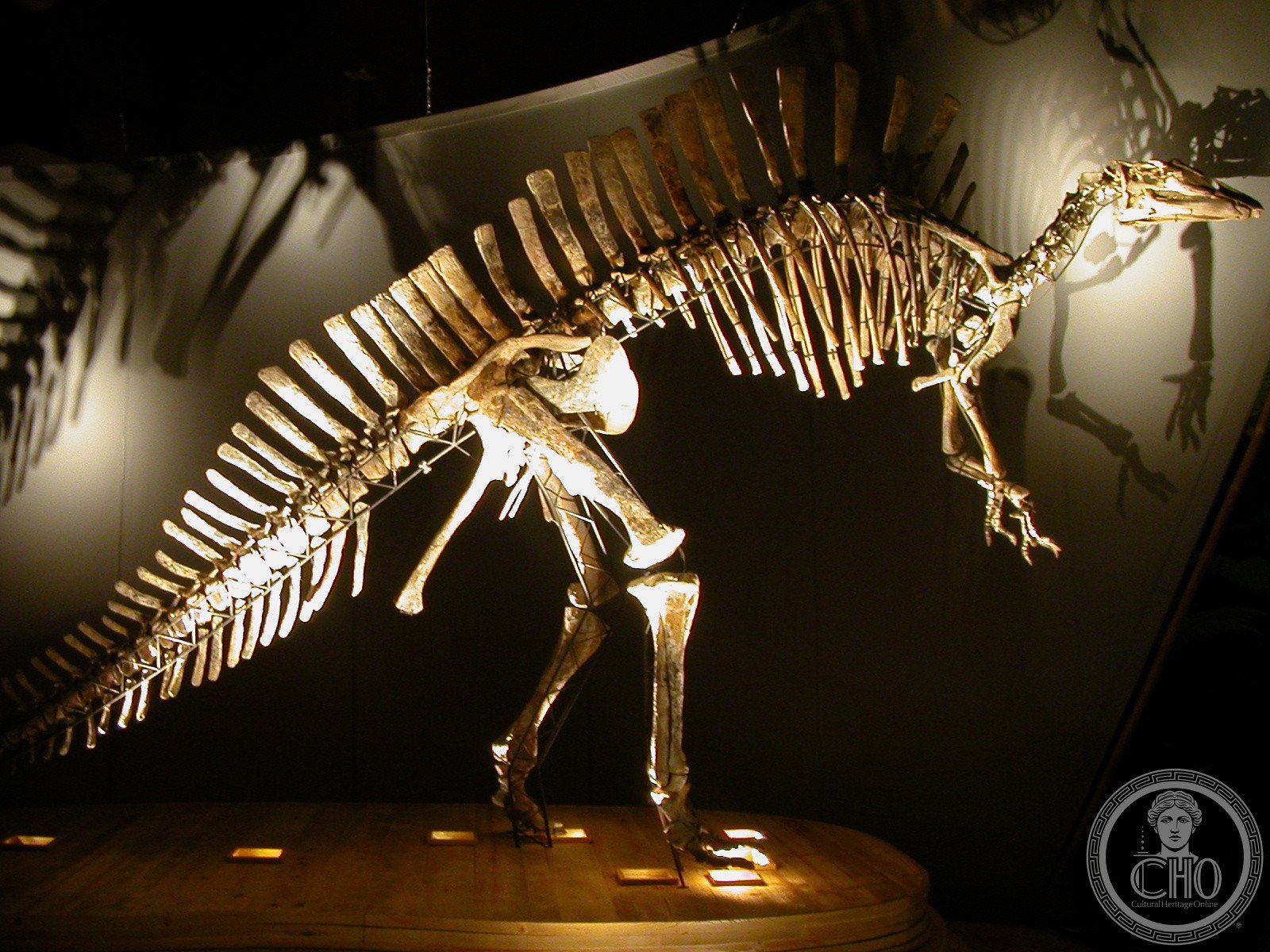
The museum’s collections cover palaeontology — with spectacular fossil specimens including dinosaur skeletons from expeditions led by Giancarlo Ligabue to the Sahara — as well as zoology, botany, and ethnographic material from Venice’s historic trading networks. The Grand Canal facade of the building, with its distinctive open arcades and twin towers, is one of Venice’s most photographed architectural monuments. Aquarium tanks on the ground floor displaying Adriatic marine life provide a popular introduction for younger visitors. The building’s remarkable architectural shell is itself part of the museum experience.
Cultural significance
The Fondaco dei Turchi embodies multiple layers of Venetian history: the city’s medieval commercial architecture, its role as mediator between Christian Europe and the Ottoman world, and its nineteenth-century heritage debates. As a natural history museum it carries the legacy of Giancarlo Ligabue, whose palaeontological expeditions brought international recognition to Venetian science; the Saharan dinosaur fossils in particular remain among the most significant holdings of any Italian natural history institution.
Practical information
- Address
- Salizada del Fontego dei Turchi, Santa Croce 1730, 30135 Venezia
- Opening hours
- Check the official Fondazione Musei Civici di Venezia website for current hours and admission
- Admission
- Part of the Musei Civici di Venezia network — combined tickets available
Getting there
Reach the museum by vaporetto line 1 (Grand Canal) alighting at San Stae stop, a short walk from the Fondaco facade. Alternatively, take line 1 to Riva de Biasio. From Venice Santa Lucia railway station it is approximately 20 minutes on foot via the Scalzi Bridge and Lista di Spagna, or 5 minutes by vaporetto. The Grand Canal facade is visible from passing vaporetti.
Sources & resources
Find it on the map
See this place and what’s around it →📷 Diventa un fotografo di Cultural Heritage Online
Condividi le tue foto dei luoghi: restano pubblicate con la tua firma come autore. Più vengono viste, più ti fai conoscere — e presto un concorso premierà le foto più apprezzate.
Accedi o registrati gratis per aggiungere una foto