
Ethnographic Museum of Oleggio
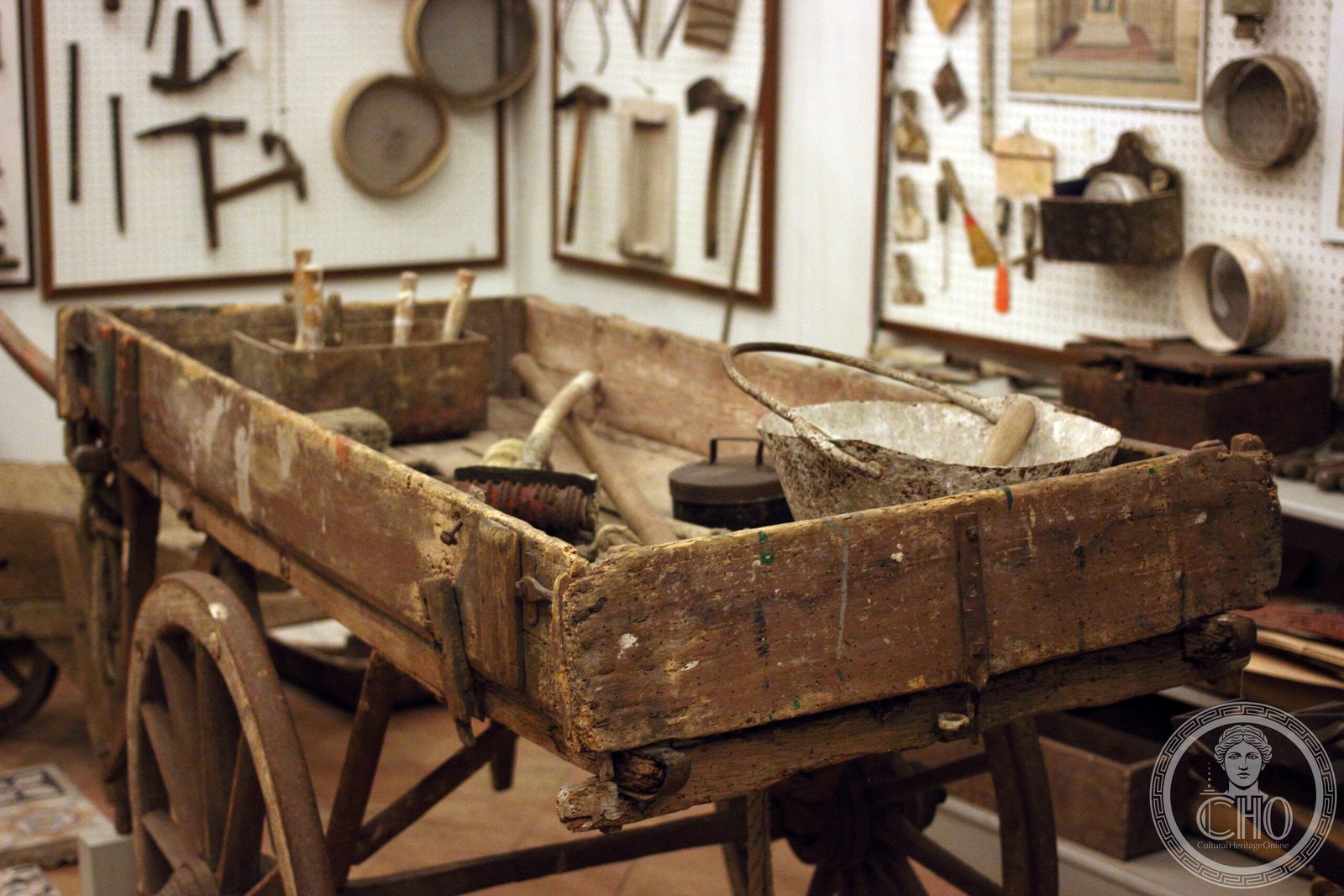
The Ethnographic Museum of Oleggio is a civic museum in Oleggio, Province of Novara, Piedmont, dedicated to the material culture, rural traditions, and social history of the communities of the western Novara lowlands. The collection documents everyday life — agricultural tools, domestic objects, craft equipment, and festive culture — across the period from the late eighteenth century to the mid-twentieth century. It stands among the most significant repositories of popular heritage in the Province of Novara, offering an unmediated view of rural Piedmontese life before industrialisation transformed the landscape.
At a glance
- Type
- Ethnographic museum / popular culture collection
- Period
- Collection documents 18th–20th century rural life
- Style
- Material culture; agricultural and domestic heritage
- Location
- Oleggio, Province of Novara, Piedmont
- Coordinates
- 45.5960° N, 8.6386° E
Overview
Oleggio is a comune of approximately 12,000 inhabitants in the Province of Novara, positioned about 15 kilometres north of the provincial capital at the edge of the gravelly plain bordering the Ticino river. The area was historically characterised by mixed agriculture — cereals, rice in the lower reaches, vineyards on the higher ground — and by seasonal silk production. The ethnographic museum grew from local collecting initiatives aimed at preserving objects that were rapidly disappearing as the rural economy modernised through the mid-twentieth century.
History
The museum was established through the efforts of local cultural associations and the Oleggio municipality, which recognised the value of systematically collecting the material residue of a way of life that was ending. Donations from local families contributed objects passed down through generations: yokes, ploughs, seed measures, weaving equipment, bread moulds, festive costumes, and religious devotional items. The collection was organised and catalogued to create a structured ethnographic record rather than an undifferentiated accumulation of curiosities.
What you see
The museum’s displays are organised around the cycles of rural life: the agricultural year with its seasonal tools and implements, the domestic sphere with kitchen equipment and textile production tools, and the festive and religious calendar with its associated costumes and objects. Reconstructed interiors — a farmhouse kitchen, a workshop — contextualise the individual objects and give visitors a sense of the spatial culture of Novara rural households. Archival photographs from the early twentieth century complement the three-dimensional collection.
Cultural significance
Ethnographic museums of the Piedmontese lowlands play a crucial documentary role because the transformation of the Po Valley in the twentieth century was so thorough that the physical landscape of traditional rural culture has almost entirely vanished. The Oleggio museum preserves knowledge of agricultural and domestic practices that would otherwise exist only in oral memory, offering researchers, schoolchildren, and general visitors a tangible connection to the pre-industrial past of this part of Italy.
Practical information
The museum is located in Oleggio, Province of Novara. Opening hours and admission: check with the Oleggio municipality or the local Pro Loco association. Visits for school groups and organised parties are usually available by appointment. No admission fee is typically charged.
Getting there
Oleggio is located approximately 15 kilometres north of Novara. The nearest major railway station is Novara (Milan–Turin line, approx. 30 minutes from Milan). Local buses run between Novara and Oleggio. By car, exit the A26 motorway at Castelletto Ticino or drive north from Novara on the SS32.
Sources & resources
Find it on the map
See this place and what’s around it →📷 Diventa un fotografo di Cultural Heritage Online
Condividi le tue foto dei luoghi: restano pubblicate con la tua firma come autore. Più vengono viste, più ti fai conoscere — e presto un concorso premierà le foto più apprezzate.
Accedi o registrati gratis per aggiungere una foto