
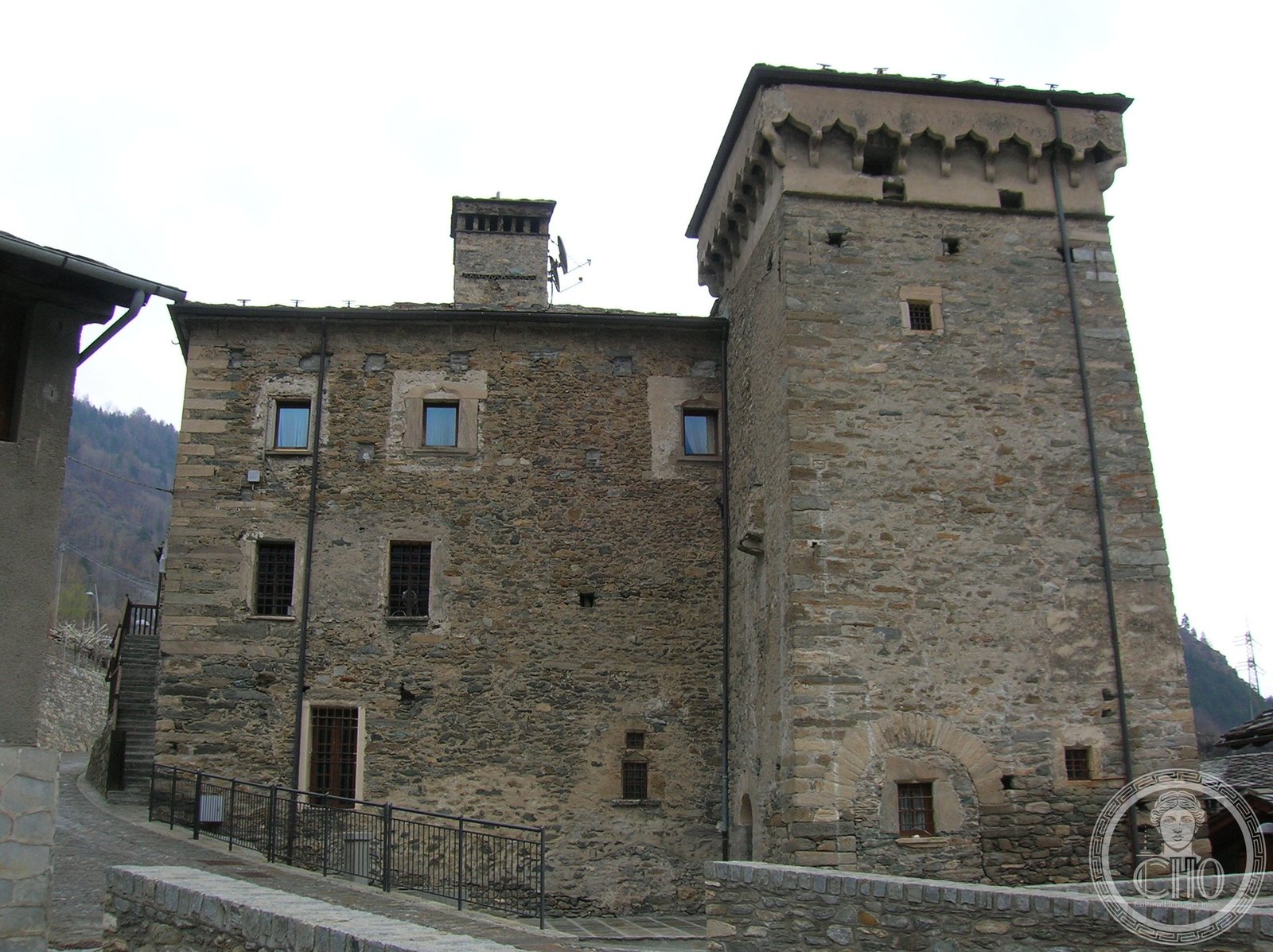
Château de Bosses
The Château de Bosses is a medieval castle in the upper Gran San Bernardo valley in the Valle d’Aosta, standing near the village of Saint-Rhémy-en-Bosses at an elevation of approximately 1,620 metres. One of the lesser-known fortified structures of a region celebrated for its concentration of medieval castles, the Château de Bosses controlled movement along the route toward the Great St Bernard Pass — a crossing point between Italy and Switzerland used since pre-Roman times and made famous by the monastery and hospice founded there in the eleventh century. The castle’s strategic position on one of the Alps’ most important transalpine routes gives it significance well beyond its modest scale.
At a glance
- Type
- Medieval castle — fortified tower house
- Period
- 12th–15th century
- Style
- Alpine medieval military architecture
- Location
- Saint-Rhémy-en-Bosses, Valle d’Aosta, Italy
Overview
The Valle d’Aosta is home to more castles per square kilometre than almost any other region of Italy, a legacy of the medieval Savoy domain and the strategic importance of its alpine passes. The Château de Bosses is among the fortifications that once guarded the Gran San Bernardo (Great St Bernard) approach, a route used by pilgrims, merchants, and armies alike from Roman times through the modern era — most famously by Napoleon’s army in 1800. The castle complex includes a tower keep and residential structures typical of small-scale aristocratic fortification in the high Alps.
History
The castle is associated with the noble family De Bosses, local lords who held fiefdoms in the upper valley during the medieval period under the broader sovereignty of the House of Savoy. Its origins likely date to the twelfth or thirteenth century, when the lords of the valley sought to establish control over the lucrative passage trade through the San Bernardo col. The structure was expanded and modified through the fourteenth and fifteenth centuries, following patterns common to Valdostan castles that combined a defensive function with a residence for the local ruling family. Like many Valdostan fortifications, it fell into disuse after the consolidation of Savoy authority reduced the need for independent feudal strongholds.
What you see
The castle presents a compact profile against the steep slopes of the Gran San Bernardo valley, with a square tower keep as its dominant feature and the remains of surrounding walls and outbuildings. The high-altitude setting — surrounded by alpine meadows and with views of the peaks above the col — gives the site a dramatic character. The nearby village of Saint-Rhémy-en-Bosses retains its traditional alpine appearance and offers the closest services for visitors exploring the area.
Cultural significance
The Château de Bosses is one of over seventy medieval castles that survive in the Valle d’Aosta, making the region a uniquely concentrated landscape of feudal military architecture in the European Alps. Its location on the Great St Bernard route connects it to one of the most historically charged corridors in Western history, a passage documented from Julius Caesar’s campaigns through Napoleon’s crossing and beyond.
Practical information
- Address
- Saint-Rhémy-en-Bosses, 11010 AO, Valle d’Aosta, Italy
- Coordinates
- 45.8321° N, 7.1772° E
- Access
- Exterior visible from public road; check local tourist office for interior access or guided visits
- Tourist office
- Aosta Tourist Office or Gran San Bernardo valley local information points
Getting there
Saint-Rhémy-en-Bosses is reached via the SS27 road from Aosta, approximately 35 kilometres south of the Great St Bernard Tunnel entrance. The village is served by regional buses from Aosta. A car is strongly recommended for comfortable exploration of the upper valley. The Great St Bernard Tunnel connects to Switzerland for visitors combining both sides of the pass.
Sources & resources
Find it on the map
See this place and what’s around it →📷 Diventa un fotografo di Cultural Heritage Online
Condividi le tue foto dei luoghi: restano pubblicate con la tua firma come autore. Più vengono viste, più ti fai conoscere — e presto un concorso premierà le foto più apprezzate.
Accedi o registrati gratis per aggiungere una foto