
Borgo Antico di Ostia
A fortified medieval village near Rome’s ancient port, where a restored castle and terraced worker housing preserve centuries of history behind defensive walls.
At a glance
The Borgo Antico di Ostia is a small walled village centred on a fortress that once guarded Rome’s harbour entrance. Beyond the archaeological remains of the ancient port city, this medieval settlement offers a quieter counterpoint to modern suburban Rome—a place where narrow streets and compact dwellings evoke an earlier way of life.
History
The fortress was built to defend the village from Saracen raids. In the fifteenth century, Cardinal Giuliano della Rovere (who would later become Pope Julius II) undertook a complete restoration of the fortification, giving the castle its present form.
At the same time, three rows of terraced houses were constructed to accommodate workers employed in the nearby salt pans—a principal source of income for the settlement. The village thrived as a strategic and economic centre until 1587, when a catastrophic flood diverted the course of the Tiber River, severing the castle’s connection to the port traffic that had sustained it. Deprived of its defensive and customs functions, the castle and village fell gradually into decline.
What you see
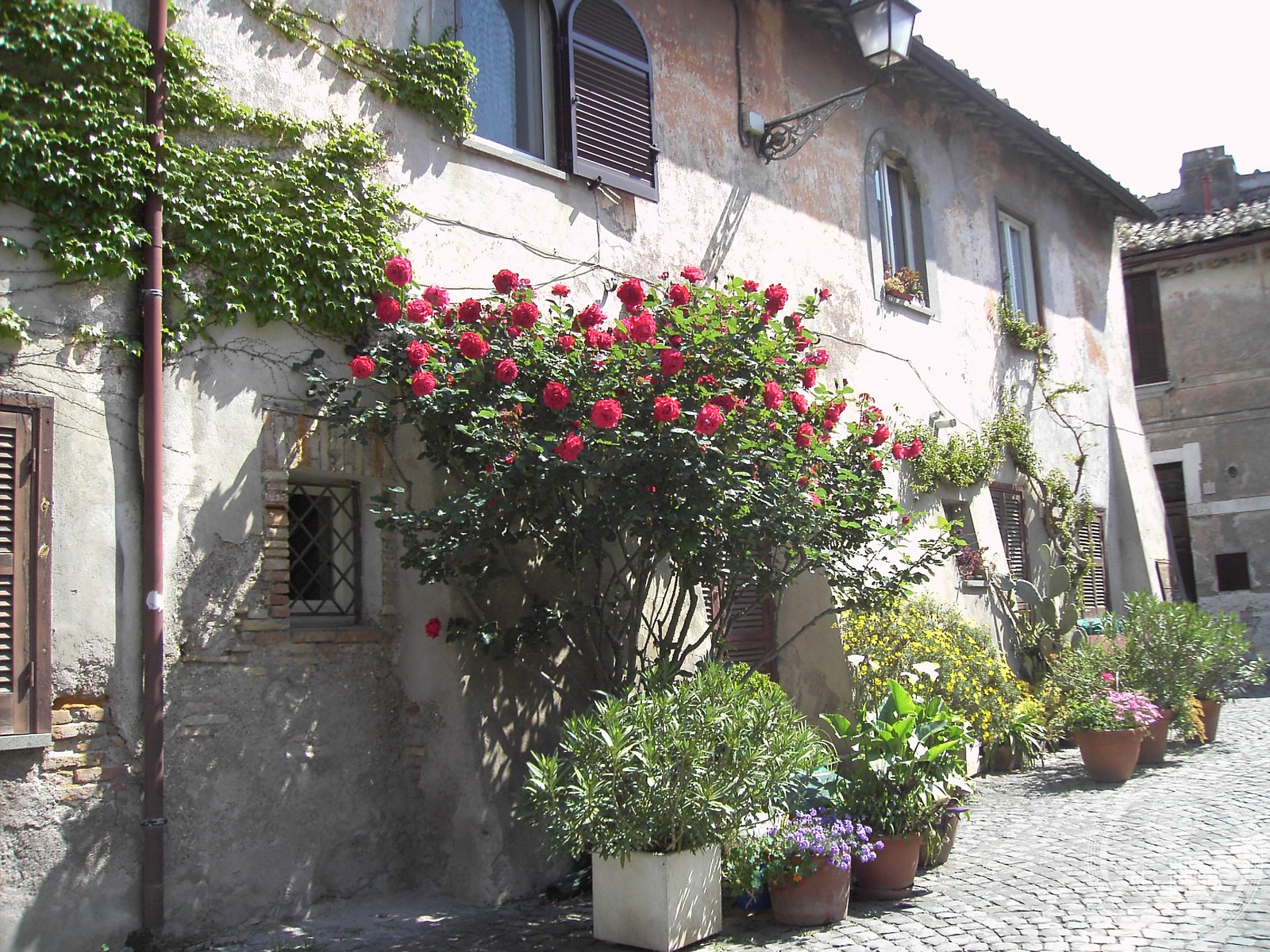
The castle dominates the borgo, its restored fifteenth-century form still evident in its walls and structure. The three tiers of terraced houses, arranged in a compact grid, reflect the practical housing needs of the working population. These modest dwellings cluster within the village walls, creating intimate piazzas and narrow lanes that preserve the medieval spatial organisation. The Rocca itself commands views across the reclaimed wetlands that once fed the salt industry.
Cultural significance
The Borgo Antico represents a rare surviving example of a medieval working village in the Roman periphery. Unlike Ostia’s celebrated archaeological layers, this community demonstrates how people lived and laboured in the early modern period—salt workers, garrison soldiers, and their families bound to a fortress economy. The village’s resilience through flood and obsolescence speaks to the adaptability of small communities facing major geographic and economic upheaval.
Key facts
- Address: Piazza della Rocca, 13, Ostia, Lazio
- Coordinates: 41.7581352, 12.2999278
- Phone: 06 5635 8013
- Official website: http://www.turismoroma.it/cosa-fare/il-borgo-e-il-castello
Practical information
Opening hours and admission fees are not listed in current sources; contact the municipality or check the official Rome tourism website for visitor details. The village remains a residential community, so respect for residents’ privacy is essential.
Getting there
Ostia lies at the mouth of the Tiber, approximately 25 kilometres southwest of central Rome. By public transport, take the Lido Line (Roma-Lido) from Porta San Paolo to Ostia Antica station, then follow local signage to the Borgo Antico. By car, follow the SS601 towards the coast.
Sources & resources
Find it on the map
See this place and what’s around it →Historical events at this place (2)
📷 Diventa un fotografo di Cultural Heritage Online
Condividi le tue foto dei luoghi: restano pubblicate con la tua firma come autore. Più vengono viste, più ti fai conoscere — e presto un concorso premierà le foto più apprezzate.
Accedi o registrati gratis per aggiungere una foto