
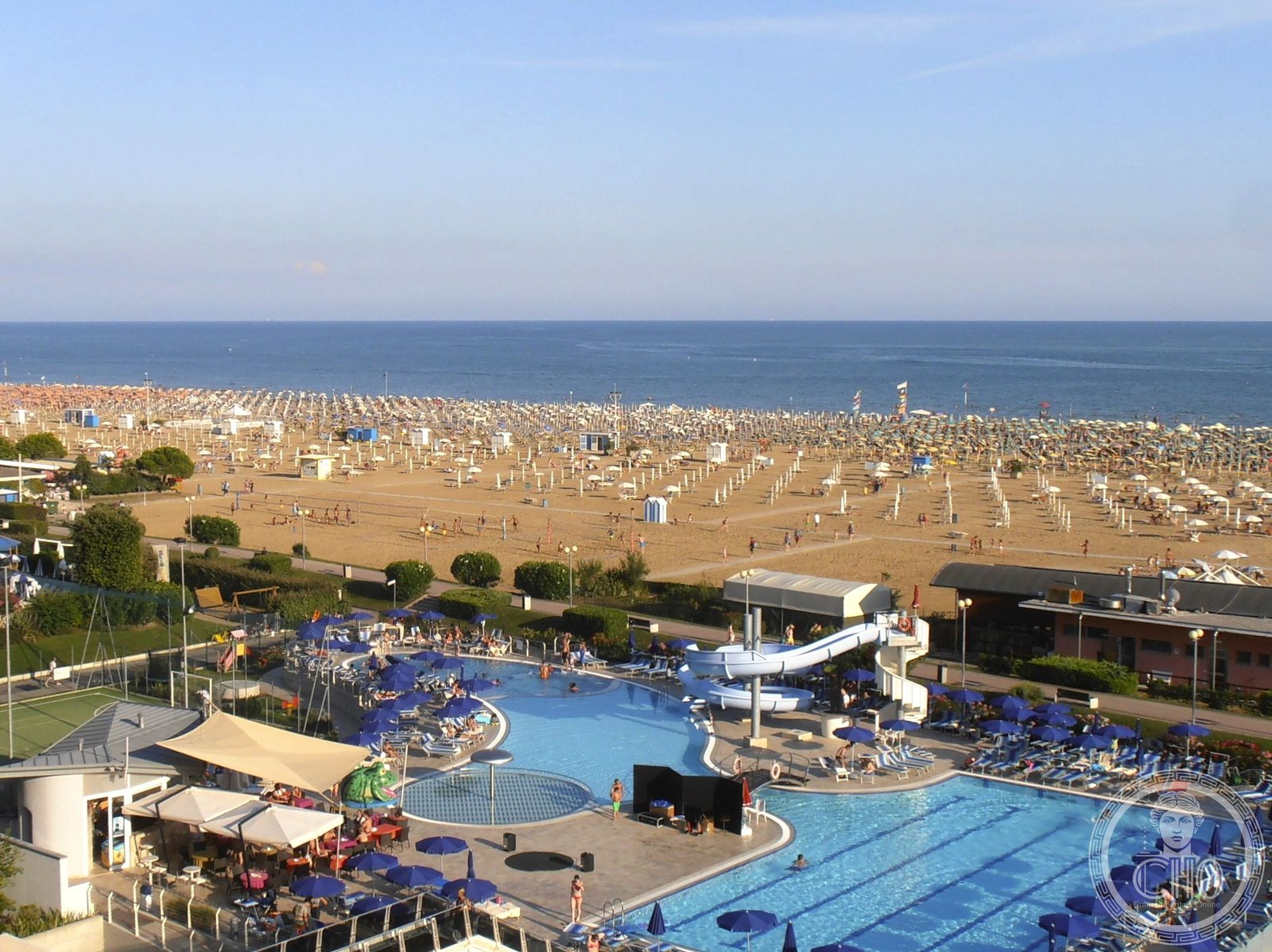
Bibione
Bibione is a coastal resort town on the northern Adriatic, part of the comune of San Michele al Tagliamento in the Metropolitan City of Venice, Veneto. One of Italy’s longest sandy beaches — stretching some 8 kilometres — made it a leading destination for Central European tourism since the 1950s, attracting visitors from Germany, Austria, Hungary, the Czech Republic, Poland and Slovakia. Beyond the beach, Bibione is noted for its thermal spa and the Lighthouse of Bibione, a landmark at the mouth of the Tagliamento river.
At a glance
- Type
- Seaside resort (frazione)
- Period
- Modern development from the 1950s; ancient Roman presence documented
- Style
- Beach tourism infrastructure, thermal spa
- Location
- San Michele al Tagliamento, Metropolitan City of Venice, Veneto, Italy
- Coordinates
- 45.6445° N, 13.0227° E
Overview
Bibione occupies a long sandy peninsula at the mouth of the Tagliamento river, where the river’s silt over millennia created one of the broadest beaches on the Adriatic coast. The resort is divided into several zones — Bibione Pineda to the west features a pine forest that backs the dunes — offering a mix of hotel, camping and private villa accommodation. Its thermal spa, the Terme di Bibione, draws health-tourism visitors year-round for treatments using the local brackish mineral waters.
History
Archaeological finds indicate a Roman presence in the area; the name Bibione itself may derive from a Latin root. The modern resort was developed systematically from the 1950s as Italy’s postwar economic recovery created demand for domestic and international beach tourism. Infrastructure investment — roads, hotels, a yacht harbour and the thermal baths — transformed what had been an undeveloped coastal strip into one of northern Italy’s most visited summer destinations. The Lighthouse of Bibione, rebuilt in the 20th century near the river mouth, became the visual symbol of the town.
What you see
The beach itself is the dominant feature: fine pale sand extending roughly 8 kilometres, backed by dunes and, to the west, the Pineda pine forest. The Tagliamento river mouth marks the eastern limit of the resort, with the lighthouse rising at the spit. The town centre is low-rise and pedestrian-friendly during summer, lined with restaurants, shops and hotels oriented toward the beach promenade. The Terme di Bibione complex offers indoor pools, hydrotherapy and inhalation treatments.
Cultural significance
Bibione is a significant example of mid-20th-century Italian planned beach tourism, designed to serve the growing Central European holiday market. Its multilingual visitor base and long tradition of family tourism have made it a reference point for Adriatic coastal heritage studies. The local thermal waters, used since antiquity, connect the modern spa to a deeper layer of place history.
Practical information
Bibione is a seasonal resort open year-round, with peak activity from June to September. The Terme di Bibione thermal spa operates year-round. Beach areas are managed by private concessions (stabilimenti balneari) and a free public beach section. Check the official municipality website or the resort’s tourism portal for current hours, facilities and thermal spa bookings.
Getting there
By car: Bibione is reached via the A4 Autostrada (Venice–Trieste), exit San Donà di Piave/Noventa, then SS14 toward Bibione (approximately 40 km from the motorway exit). By public transport: regional buses connect Bibione with Portogruaro and San Donà di Piave, both served by trains on the Venice–Trieste line. A seasonal ferry service links Bibione with Lignano Sabbiadoro across the Tagliamento mouth during summer.
Sources & resources
Find it on the map
See this place and what’s around it →Historical events at this place (6)
📷 Diventa un fotografo di Cultural Heritage Online
Condividi le tue foto dei luoghi: restano pubblicate con la tua firma come autore. Più vengono viste, più ti fai conoscere — e presto un concorso premierà le foto più apprezzate.
Accedi o registrati gratis per aggiungere una foto