
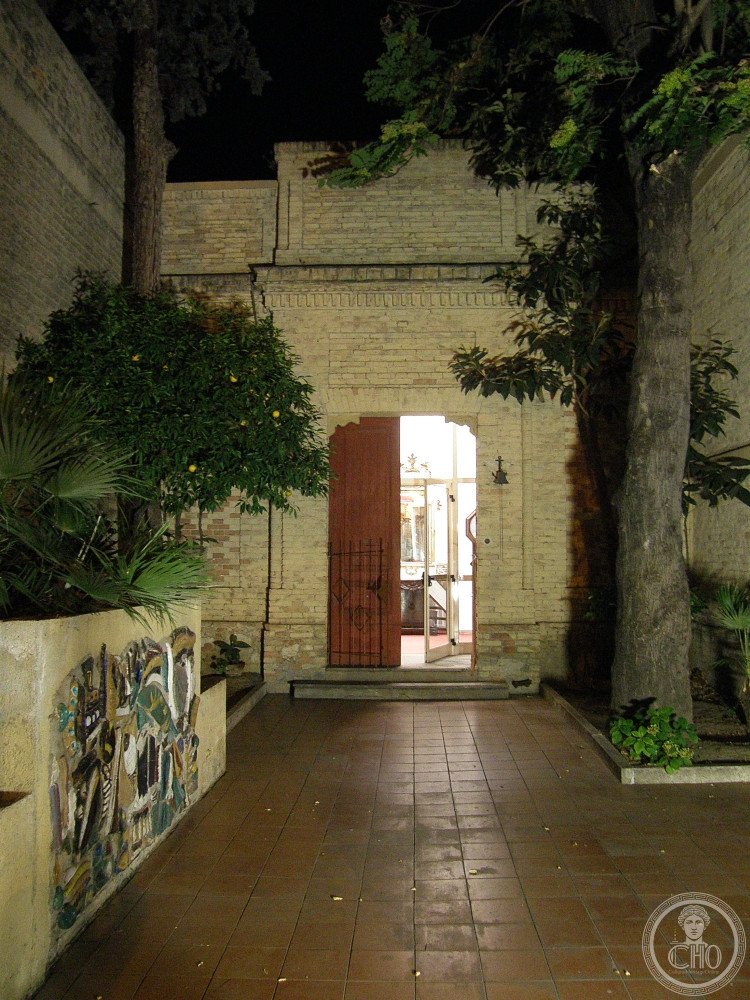
Basilio Cascella Civic Museum
The Basilio Cascella Civic Museum in Pescara celebrates the life and work of Basilio Cascella (1860–1950), one of the most significant Italian artists of the late nineteenth and early twentieth century, renowned for his ceramics, posters, and decorative painting. The museum preserves a substantial collection of the artist’s works alongside items relating to his family dynasty of artists, offering a window onto the aesthetic currents of the Belle Époque and early Novecento in Abruzzo.
At a glance
- Type
- Civic art museum
- Period
- Late 19th–early 20th century collection; museum founded 20th century
- Style
- Symbolist, Art Nouveau, Decorative arts
- Location
- Pescara, Abruzzo, Italy
- Coordinates
- 42.4617° N, 14.2168° E
Overview
Basilio Cascella was an Italian artist active from the late nineteenth century to the mid-twentieth century, celebrated for his virtuoso work in ceramics, illustration, poster art, and large-scale decorative painting. Born in Ortona and later based in Pescara, he became a pivotal figure in the Italian applied-arts movement, winning international recognition at exhibitions in Paris and beyond. The civic museum dedicated to his legacy holds paintings, ceramics, posters, and archival material relating to the broader Cascella artistic family.
History
Basilio Cascella established his fame in the early 1900s, exhibiting at the Venice Biennale and international fairs where his ceramic and poster work attracted critical attention. His Pescara workshop became a centre for decorative arts in Abruzzo, training subsequent generations including his sons Pietro, Michele, and Tommaso Cascella. The civic museum was created to honour this legacy, collecting works donated by the family and acquired from regional institutions over the decades. The collection documents the arc of Basilio’s career from Symbolist beginnings through his mature Novecento period.
What you see
The museum displays oil paintings, watercolours, and ceramics spanning Basilio Cascella’s career, with particular strength in his richly patterned decorative ceramics produced at the Pescara atelier. Poster designs — including iconic promotional works for Italian events and institutions — illustrate his mastery of graphic composition. Archival photographs and documents contextualise the works within the family’s artistic genealogy. The installation is typically arranged chronologically, allowing visitors to trace stylistic evolution from Symbolist figuration through more geometric Novecento forms.
Cultural significance
Basilio Cascella’s work occupies an important place in the history of Italian applied arts, bridging the gap between fine and decorative practice at a time when that boundary was being actively contested. The Cascella family as a whole represents one of Abruzzo’s most celebrated artistic dynasties, and the civic museum is the principal institution dedicated to documenting and preserving this heritage. For researchers of Italian modernism and Art Nouveau, the collection is an essential primary source.
Practical information
Check the official website of the Comune di Pescara for current opening hours, admission fees, and any temporary exhibitions. Guided tours may be available on request.
Getting there
Pescara is accessible by train from Rome (approximately 2.5 hours on the Adriatica line), from Bologna (around 3 hours), and from Chieti (10 minutes). The main station is Pescara Centrale, within walking distance of the city centre where the museum is located. By road, take the A25 motorway from Rome or the A14 Adriatic motorway from the north or south, exiting at Pescara.
Sources & resources
Find it on the map
See this place and what’s around it →📷 Diventa un fotografo di Cultural Heritage Online
Condividi le tue foto dei luoghi: restano pubblicate con la tua firma come autore. Più vengono viste, più ti fai conoscere — e presto un concorso premierà le foto più apprezzate.
Accedi o registrati gratis per aggiungere una foto