
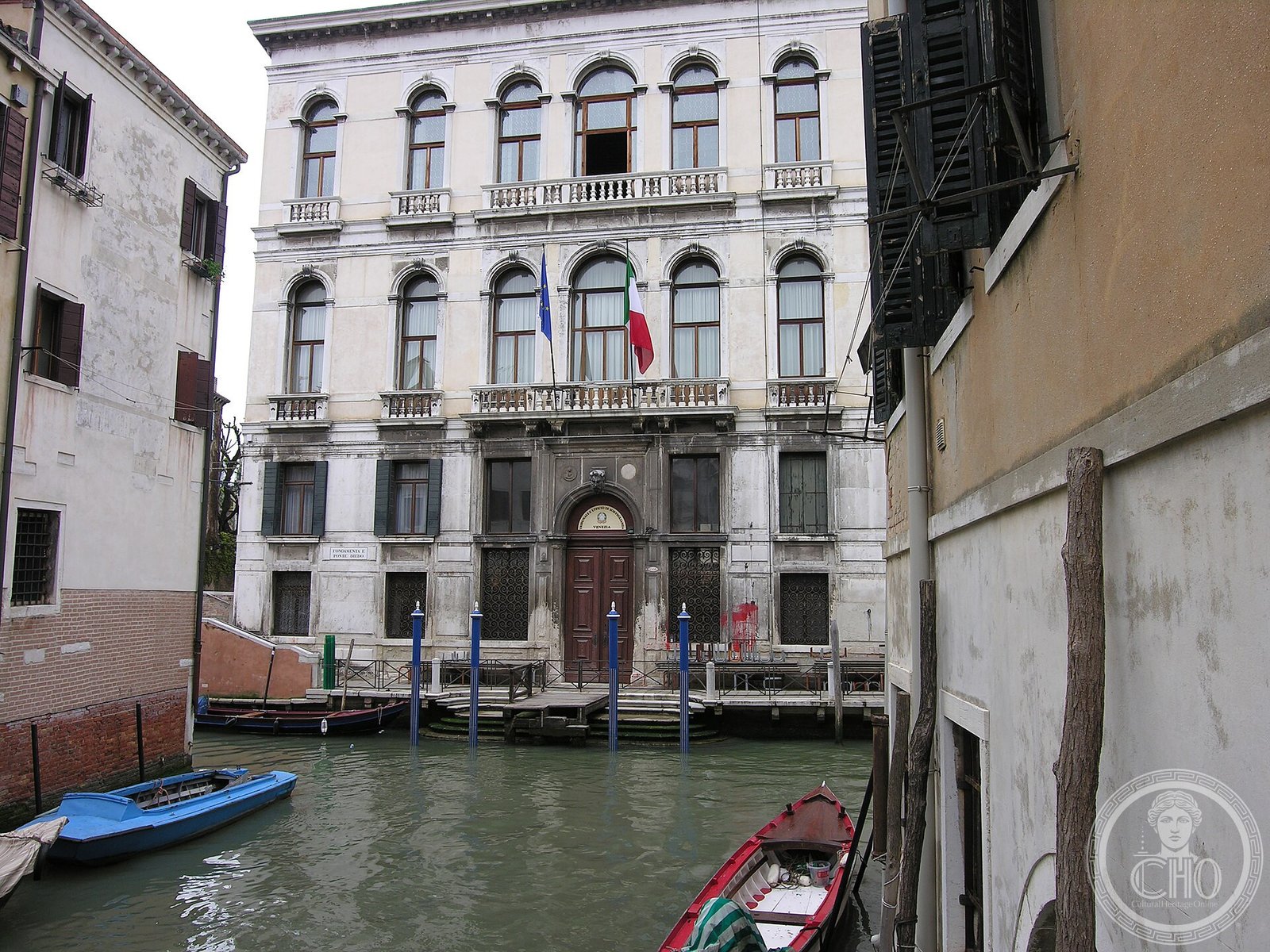
Bacaro Camin Storto
Bacaro Camin Storto is a traditional Venetian bacaro — a small wine bar serving ombre (small glasses of local wine) alongside cicchetti, the bite-sized snacks that have been Venice’s street food since the Renaissance. Located in the labyrinthine calli of central Venice, it embodies an institution that dates back at least to the 15th century and remains central to everyday Venetian social life.
At a glance
- Type
- Venetian bacaro (traditional wine bar with cicchetti)
- Period
- Contemporary venue in a tradition established by the 15th century
- Style
- Venetian bacaro — stand-up or simply furnished, wine-led, cicchetti-centred
- Location
- Venice, Veneto, Italy
- Coordinates
- 45.4433° N, 12.3317° E
Overview
A bacaro is a specifically Venetian form of osteria: typically simply furnished, sometimes standing-room only, where wine is served in small glasses called ombre accompanied by cicchetti displayed on the counter. The tradition is as Venetian as the gondola, rooted in the city’s mercantile culture and its centuries-long role as a crossroads of eastern and western trade. Bacaro Camin Storto carries this tradition into the present day in the sestiere of Venice closest to the Rialto market quarter.
History
The bacaro tradition is believed to derive from wine merchants who sold directly from barrels in the streets and campos of Venice from at least the 15th century. The word bacaro may derive from Bacco (Bacchus) or from the dialect term for copper, referencing the colour of the wine. Cicchetti — Venice’s answer to Spanish tapas — evolved as working-class sustenance alongside the wine trade, incorporating ingredients that arrived via the Rialto market: sardines in saor, baccalà mantecato, polenta with fish, and seasonal vegetables. The culture survived the decline of the Republic, two World Wars, and the rise of mass tourism to remain a living practice in working-class calli away from the main tourist routes.
What you see
Bacaro Camin Storto presents the essential features of the genre: a compact counter lined with small plates of cicchetti, wine bottles arranged for easy service, and the convivial press of locals and knowing visitors standing with a glass in hand. The cichetti selection typically includes baccalà mantecato on polenta, sarde in saor, hard-boiled eggs with anchovy, seasonal bruschette, and small portions of risotto or pasta. The atmosphere is unhurried and sociable, pitched at the rhythm of the Venetian passeggiata rather than the tourist timetable.
Cultural significance
The bacaro circuit — the Venetian practice of moving between several bacari for wine and cicchetti over the course of an evening — is one of the most distinctive social rituals of Italian urban life and a form of living intangible heritage unique to Venice. Bacari like Camin Storto that serve a local clientele alongside visitors help sustain a culture that mass tourism has placed under considerable pressure.
Practical information
- Address
- Venice, Veneto, Italy (45.4433° N, 12.3317° E)
- Hours
- Check current opening times directly with the venue; bacari typically open from mid-morning through early evening
- Price
- Cicchetti generally cost €1–3 per piece; ombre from €1.50
Getting there
Venice is accessible by train to Santa Lucia station or by vaporetto from Piazzale Roma (road access). The coordinates place Camin Storto in the Rialto area, reachable on foot from Santa Lucia station in approximately 20 minutes or by vaporetto (ACTV lines 1 or 2) to Rialto. Water taxis serve the sestiere directly.
Sources & resources
Find it on the map
See this place and what’s around it →📷 Diventa un fotografo di Cultural Heritage Online
Condividi le tue foto dei luoghi: restano pubblicate con la tua firma come autore. Più vengono viste, più ti fai conoscere — e presto un concorso premierà le foto più apprezzate.
Accedi o registrati gratis per aggiungere una foto