
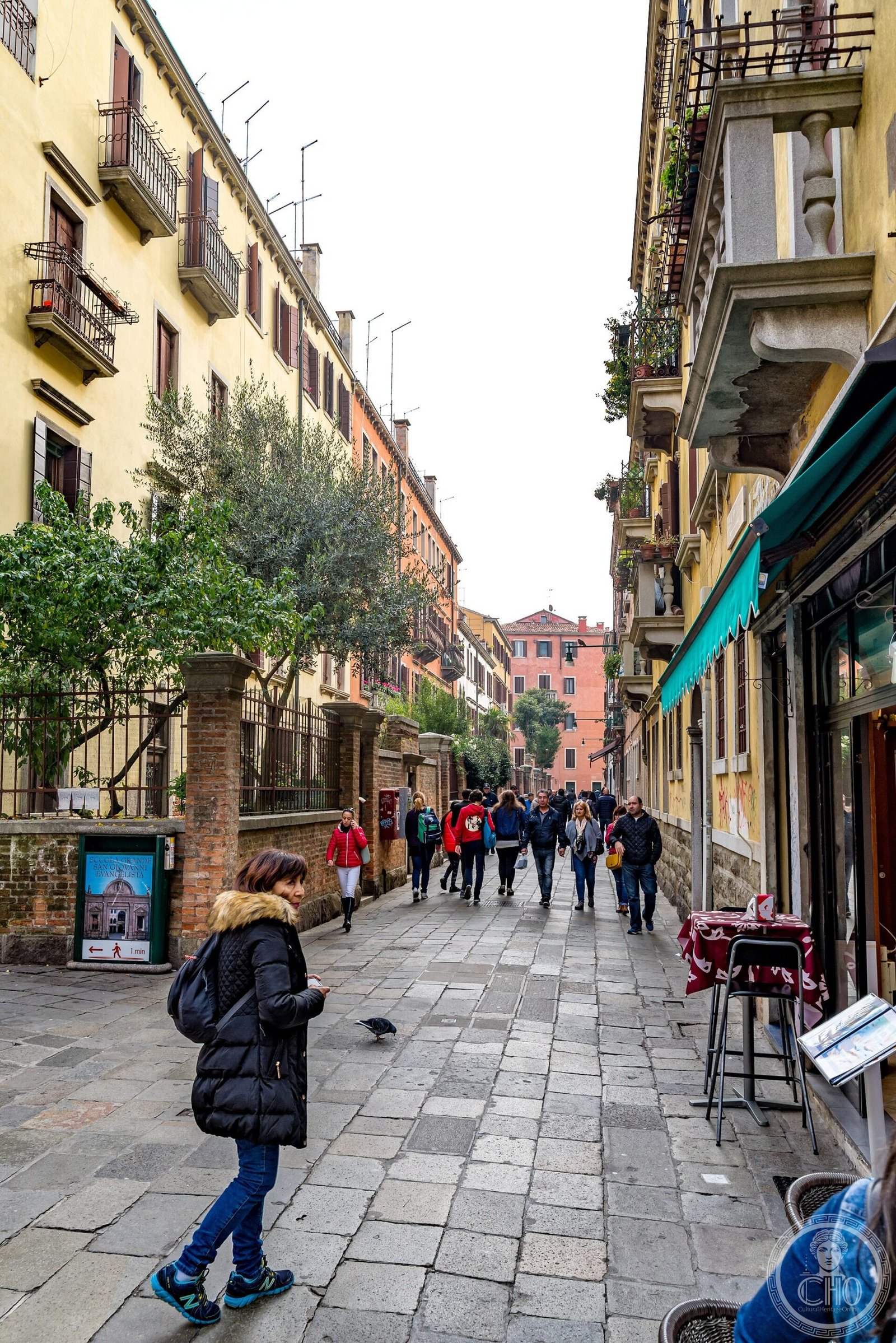
Bacaro Ai Do Scaini
Bacaro Ai Do Scaini is a traditional Venetian bacaro in the historic centre of Venice, offering the characteristic pairing of ombra — small glasses of local wine — with cicchetti, the Venetian small-plate tradition. Bacari of this type are the backbone of Venetian social eating culture, typically simply furnished, often standing-room only, and rooted in neighbourhood life rather than the tourist circuit. Ai Do Scaini sits within the dense urban fabric of central Venice at coordinates 45.4380° N, 12.3236° E.
At a glance
- Type
- Bacaro — traditional Venetian osteria and wine bar
- Period
- Historic bacaro tradition; current establishment
- Style
- Venetian vernacular: counter service, cicchetti display, ombre wine
- Location
- Historic centre, Venice, Veneto, Italy
- Coordinates
- 45.4380° N, 12.3236° E
Overview
A bacaro is a type of Venetian osteria — usually simply furnished and sometimes standing-room only — that serves wine in small glasses called ombre, accompanied by cicchetti: small food offerings typically displayed on and served from a counter. Bacari like Ai Do Scaini are the social hubs of Venetian neighbourhood life, offering an affordable and convivial alternative to formal restaurant dining. The tradition is deeply embedded in Venetian culture and predates the modern restaurant model by centuries.
History
The bacaro tradition in Venice is thought to derive its name from Bacchus, the Roman god of wine, though the etymology remains debated. These establishments have served local workers, gondoliers, and residents since at least the medieval period, providing cheap wine from the Veneto hinterland and simple snacks. The cicchetti counter culture evolved as a distinctly Venetian form of tapas, with each bacaro developing its own repertoire of bite-sized specialties. Ai Do Scaini continues this tradition in the heart of the historic city.
What you see
The interior of a traditional bacaro like Ai Do Scaini typically features a zinc or wooden counter laden with cicchetti — small open sandwiches (tramezzini), polpette (fried meatballs), baccalà mantecato (whipped salt cod), sarde in saor (sweet-and-sour sardines), and seasonal vegetable preparations. Rows of unlabelled local wines stand behind the counter for rapid service in small glasses. The atmosphere is animated and informal, with locals standing at the bar or spilling onto the street in good weather.
Cultural significance
The bacaro is one of Venice’s most authentic cultural exports and a living example of intangible culinary heritage. UNESCO’s recognition of the Mediterranean diet as intangible heritage encompasses traditions like the cicchetti-and-ombra pairing that bacari preserve. As mass tourism has transformed much of Venice’s food landscape, historic bacari that serve a predominantly local clientele are regarded as anchors of genuine Venetian urban culture.
Practical information
- Address
- Venice historic centre (see map pin for exact location)
- Hours
- Check official website or Google Maps listing for current hours
- Typical spend
- Cicchetti from €1–2 per piece; ombra from €1
- Reservations
- Generally not required; counter service
Getting there
Venice’s historic centre is car-free and served by the ACTV vaporetto (water bus) network. The nearest vaporetto stops depend on the exact street location; lines 1 and 2 along the Grand Canal, and line 4.1/4.2 around the island perimeter, provide access to all sestieri. Walking is the primary mode of movement within the city. GPS coordinates for navigation: 45.4380° N, 12.3236° E.
Sources & resources
Find it on the map
See this place and what’s around it →📷 Diventa un fotografo di Cultural Heritage Online
Condividi le tue foto dei luoghi: restano pubblicate con la tua firma come autore. Più vengono viste, più ti fai conoscere — e presto un concorso premierà le foto più apprezzate.
Accedi o registrati gratis per aggiungere una foto