
Archaeological Area of the Roman City of Albintimilium
Albintimilium was the Roman urban successor of a Ligurian settlement of the Intimilii tribe, established in the plain of Nervia approximately 2 km east of modern Ventimiglia. At its height during the 1st–3rd centuries AD it was a prosperous municipium with a theatre, baths, temples, and a regular street grid. The archaeological area, managed by the Italian Ministry of Culture, preserves the most visible remains including a substantial Roman theatre of the first half of the 2nd century AD — one of the best-preserved on the Ligurian coast — along with traces of city walls, residential blocks, and extensive epigraphic material.
At a glance
- Type
- Open-air Roman archaeological area
- Period
- 1st century BC – 4th century AD (Roman municipium); Ligurian Iron Age antecedents
- Style
- Roman imperial urban architecture; theatre, walls, residential remains
- Location
- Plain of Nervia, Ventimiglia, Province of Imperia, Liguria, Italy
- Coordinates
- 43.7890° N, 7.6229° E
Overview
Albintimilium developed as a planned Roman town after the Roman conquest of Liguria in the 2nd century BC, growing on the site of a settlement of the Intimilii, the Ligurian tribe that gave their name to both the Roman city and — through medieval transformation — to the modern city of Ventimiglia. Located on the coastal Via Julia Augusta, a key road linking Italy to Gaul and Hispania, Albintimilium was a staging point for Roman military movements and commercial traffic along the Riviera. The site was progressively abandoned in late antiquity as the population shifted westward to what is now Ventimiglia proper.
History
After the Roman subjugation of the Ligurian tribes in the 2nd century BC, the Intimilii were gradually incorporated into the Roman municipal system; Albintimilium received full municipium status during the imperial period. The city flourished through the 1st and 2nd centuries AD, during which its theatre was built (first half of the 2nd century), and declined from the 3rd century onward amid the broader crisis of the western empire. The site was partially quarried for building material in the medieval period, but sufficient structural remains survived for systematic archaeological investigation beginning in the 19th century.
What you see
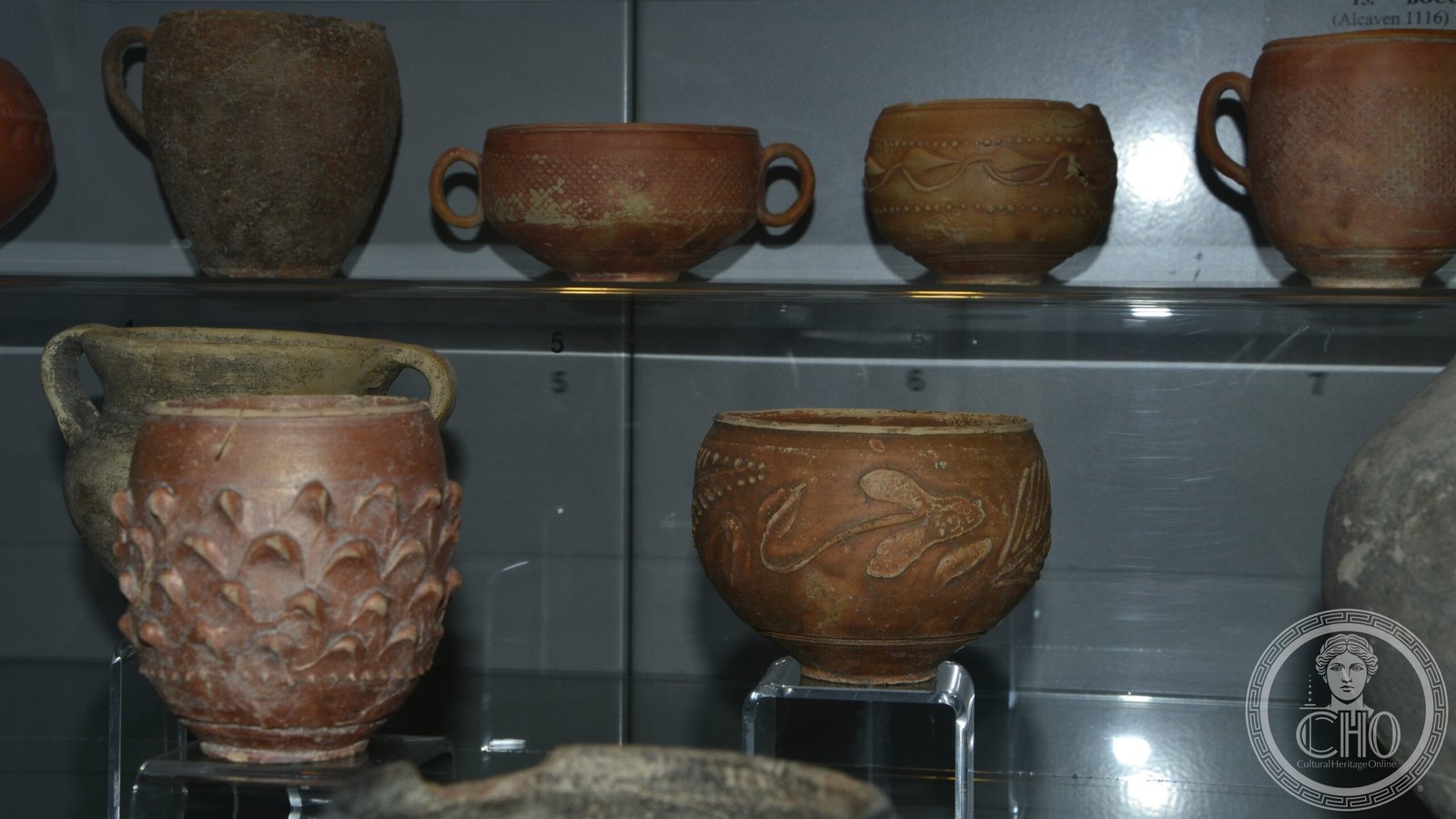
The centrepiece of the archaeological area is the Roman theatre, whose cavea and portions of the stage building survive to considerable height, giving a clear sense of Roman civic spectacle on the Ligurian coast. Traces of the ancient city walls, constructed in squared stone blocks, define the urban perimeter. Excavated mosaics — one fine example was found in 1852, though unfortunately destroyed shortly after discovery — and a series of funerary monuments to the west of the theatre complete the visible remains. The associated Museo Civico Girolamo Rossi in Ventimiglia houses portable finds from the site.
Cultural significance
Albintimilium is the principal Roman site on the western Ligurian coast and a key point on the Via Julia Augusta itinerary that connected the Italian peninsula to the Roman provinces of Gaul and Hispania. Its theatre is of regional importance for understanding Roman entertainment infrastructure in a town of moderate size, and its inscription corpus has contributed significantly to knowledge of Roman provincial administration in Liguria.
Practical information
- Address
- Via Verdi, 18039 Ventimiglia IM, Italy (archaeological area in Nervia plain, east of town centre)
- Hours
- Check official MiC website or Ventimiglia municipal website for current opening hours
- Admission
- Check official website for current admission fees
Getting there
Ventimiglia is on the main coastal railway line between Genoa and Nice; regional and intercity trains stop at Ventimiglia station. The archaeological area in the Nervia plain is approximately 2 km east of the station, reachable by taxi or a 25-minute walk. By car, take the Via Aurelia (SS1) eastward from Ventimiglia and follow signs for the zona archeologica; parking is available nearby.
Sources & resources
Find it on the map
See this place and what’s around it →📷 Diventa un fotografo di Cultural Heritage Online
Condividi le tue foto dei luoghi: restano pubblicate con la tua firma come autore. Più vengono viste, più ti fai conoscere — e presto un concorso premierà le foto più apprezzate.
Accedi o registrati gratis per aggiungere una foto