
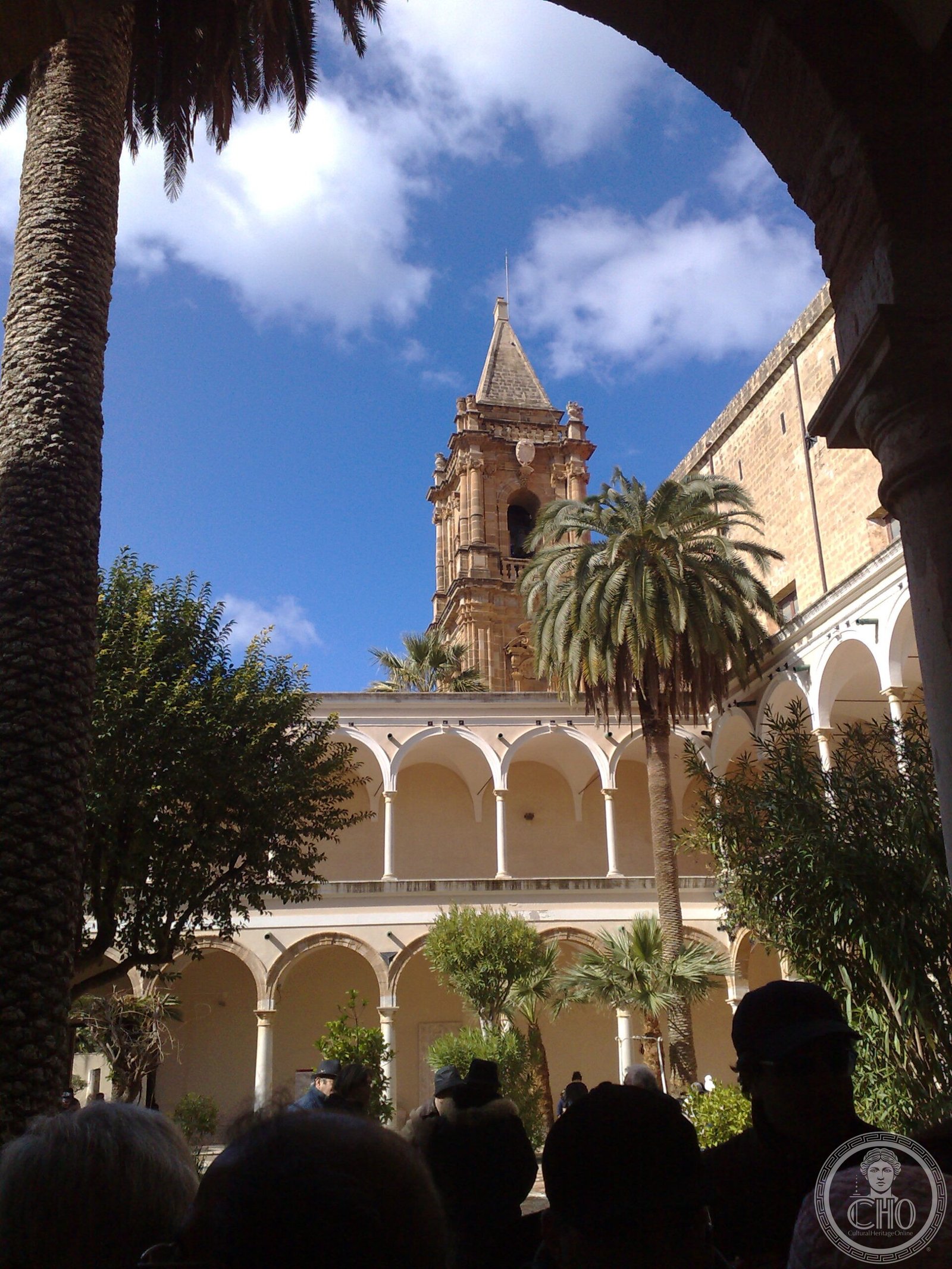
Agostino Pepoli Regional Museum
The Agostino Pepoli Regional Museum in Trapani is Sicily’s principal repository for decorative arts, sculptures, and paintings from western Sicily, housed in the former 14th-century Carmelite monastery adjacent to the Basilica-Santuario di Maria Santissima Annunziata. Its collection — built on the passionate bequest of Count Agostino Pepoli in 1906 — is famous above all for its extraordinary holdings of Trapanese coral and tuna-fishing artefacts, medieval sculpture, and goldsmith works.
At a glance
- Type
- Regional museum of art and decorative arts
- Period
- Monastery: founded 14th century; museum opened 1906
- Style
- Gothic–Renaissance monastery complex; museum layout across former convent rooms
- Location
- Via Conte Agostino Pepoli 200, 91100 Trapani TP, Sicily
- Coordinates
- 38.0187° N, 12.5423° E
Overview
The Museo Regionale Agostino Pepoli is a museum of art and decorative arts in Trapani, Sicily, housed in the former 14th-century Carmelite monastery adjacent to the Basilica-Santuario di Maria Santissima Annunziata. Named after Count Agostino Pepoli, the Trapanese nobleman and senator who donated his private collection to the city in 1906, the museum holds one of the most distinctive regional collections in southern Italy, reflecting Trapani’s history as a wealthy trading port and renowned craft centre specialising in coral and ivory carving.
History
The Carmelite monastery of Trapani was established in the 14th century on the western edge of the historic city, growing into a major religious complex centred on the venerated Madonna of Trapani, the city’s patron image. Count Agostino Pepoli (1848–1910), a passionate collector and advocate for Sicilian cultural heritage, spent decades assembling paintings, sculptures, archaeological finds, and decorative arts from western Sicily; on his death he bequeathed the collection to the city, and the museum opened in 1906 in the monastery’s former convent rooms. The institution was subsequently enriched by state acquisitions and became a regional museum under Sicilian authority.
What you see
The museum’s most celebrated holdings are its Trapanese coral sculptures — intricate 17th- and 18th-century figures, crucifixes, and nativity scenes carved from Mediterranean red coral — which reflect the city’s historic role as Europe’s premier coral-working centre. Medieval and Renaissance sculpture rooms display works including a notable marble group attributed to the Gagini workshop. Paintings from the 16th to 18th centuries illustrate the Sicilian artistic tradition, while archaeological cases hold prehistoric and Punic material from the Trapani province. A dedicated room preserves tuna-fishing equipment and documentation of the mattanza, the ancient bluefin tuna hunt once practised in the waters off Trapani.
Cultural significance
The Pepoli Museum’s coral collection is unique in Italian museum patrimony, documenting a craft tradition that made Trapani internationally famous from the 16th through 19th centuries and that is now largely extinct in its original artisanal form. The museum also preserves documentation of the mattanza tuna hunt, a Mediterranean cultural practice of great antiquity that has nearly disappeared, making the institution an important repository of intangible as well as tangible heritage from western Sicily.
Practical information
- Address
- Via Conte Agostino Pepoli 200, 91100 Trapani TP
- Hours
- Check official website for current opening hours; closed Mondays
- Admission
- Check official website for current ticket prices; EU citizens under 18 free
Getting there
The museum is located on Via Pepoli at the northern edge of Trapani’s historic peninsula, adjacent to the Basilica Annunziata. From Trapani railway station, take bus line 1 or 4, or walk approximately 20 minutes along Viale Regina Elena and Via Pepoli. By car, parking is available along Via Pepoli and in nearby streets. Trapani is served by direct trains from Palermo (journey approximately 2 hours) and by Palermo–Trapani buses (approximately 1.5 hours via motorway).
Sources & resources
Find it on the map
See this place and what’s around it →📷 Diventa un fotografo di Cultural Heritage Online
Condividi le tue foto dei luoghi: restano pubblicate con la tua firma come autore. Più vengono viste, più ti fai conoscere — e presto un concorso premierà le foto più apprezzate.
Accedi o registrati gratis per aggiungere una foto