travel

Xinjiang Tianshan Glacial Wilderness: Travel Guide

Xinjiang Tianshan Glacial Wilderness: Travel Guide

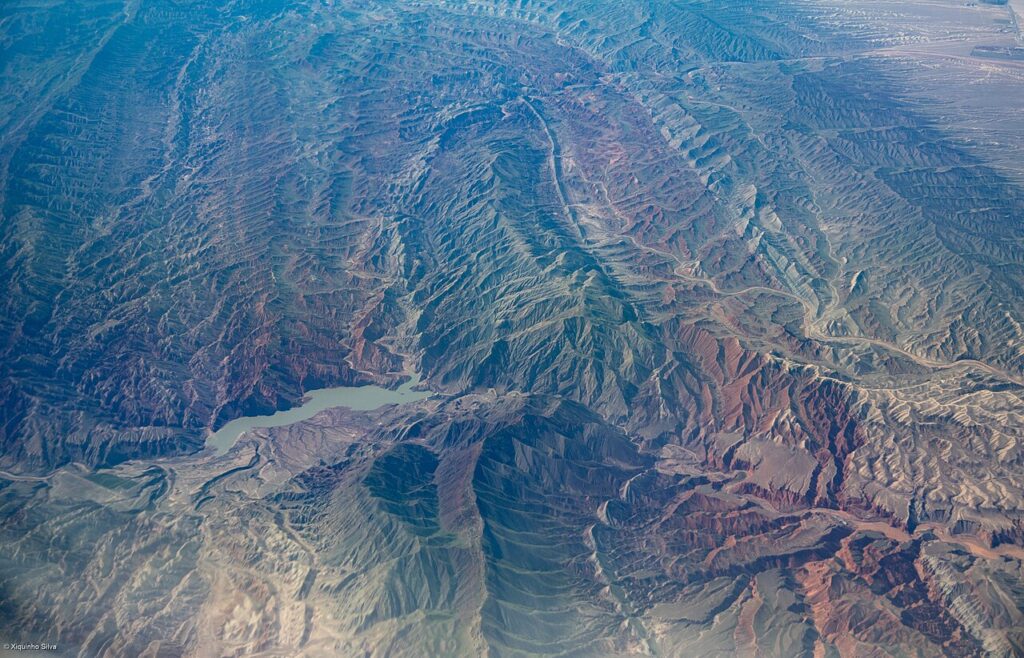
Xinjiang Tianshan (UNESCO 2013) covers 606,833 hectares across four clusters in Xinjiang; its glaciers feed rivers used by an estimated 800 million people in Central Asia. Nearby: the Silk Road ruins at Turpan (190 km from Urumqi), Mogao Caves at Dunhuang (1,000 km east, 1.5h air), Qinghai Hoh Xil (1,500 km south) and the Three Parallel Rivers of Yunnan (2,500 km south).
Silk Roads Chang’an Tianshan Corridor: Travel Guide

Silk Roads Chang’an Tianshan Corridor: Travel Guide

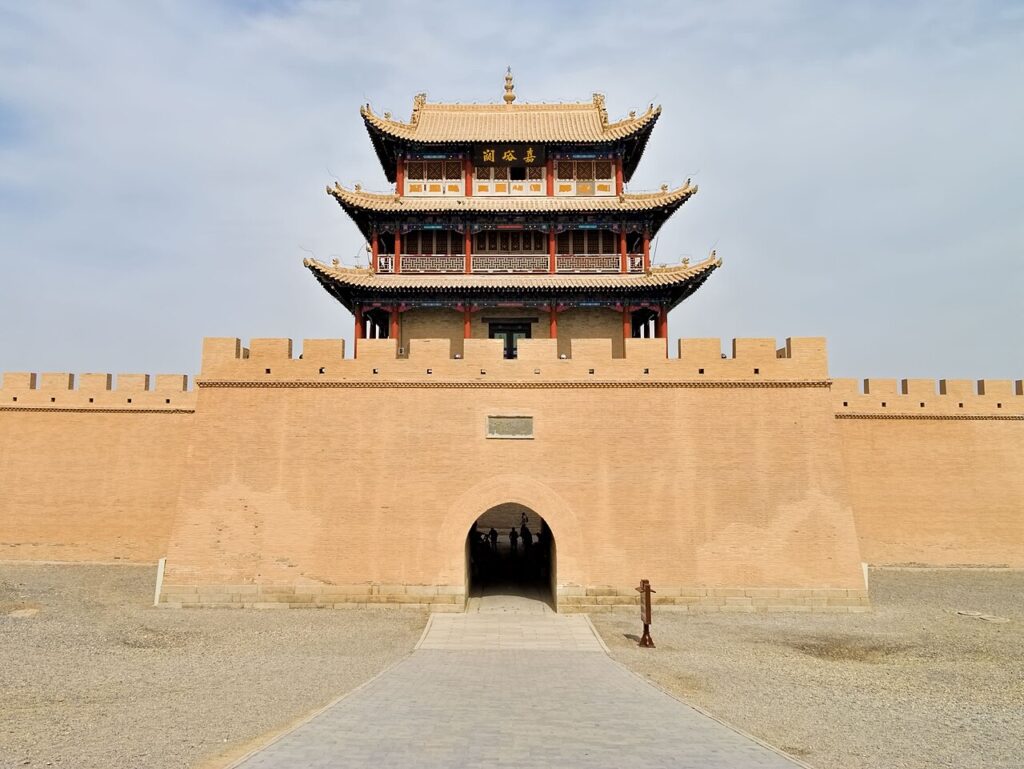
The Chang’an-Tianshan Silk Road (UNESCO 2014) covers 33 sites across China, Kazakhstan and Kyrgyzstan along approximately 5,000 km of documented route. Nearby: the Terracotta Army outside Xi’an (eastern origin point, 30 min bus), Mogao Caves at Dunhuang (400 km west of Jiayuguan, 4h road), Yin Xu in Anyang (pre-Silk Road writing system, 12h HSR east) and Xinjiang Tianshan (500 km northwest of Urumqi, 6h+ road).

Grand Canal of China Historic Waterways: Guide

Grand Canal of China Historic Waterways: Guide

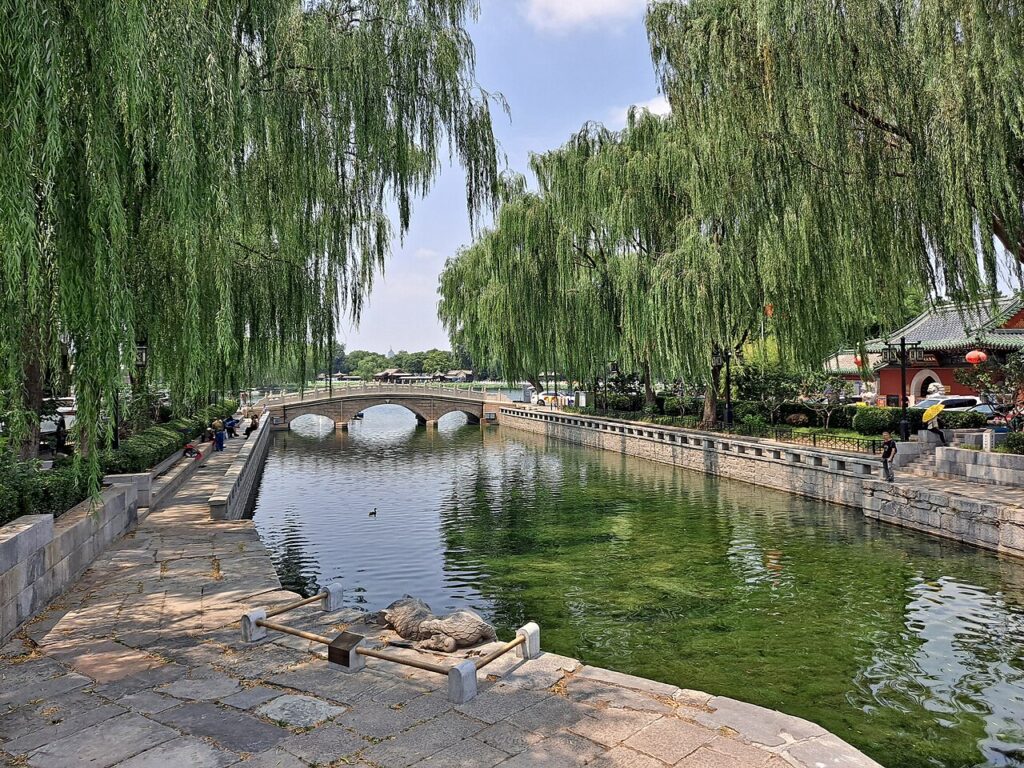
The Grand Canal (UNESCO 2014) runs 2,700 km from Hangzhou to Beijing, built across six provinces by 3.6 million conscripts under the Sui Emperor who died three years after its completion. West Lake Hangzhou sits at the canal’s southern terminus; the Liangzhu ruins (30 km north) predate the canal by 3,500 years; the Classical Gardens of Suzhou are 200 km northeast (1h HSR); the Forbidden City stands at the canal’s northern terminus.

Honghe Hani Rice Terraces Agricultural System: Guide

Honghe Hani Rice Terraces Agricultural System: Guide

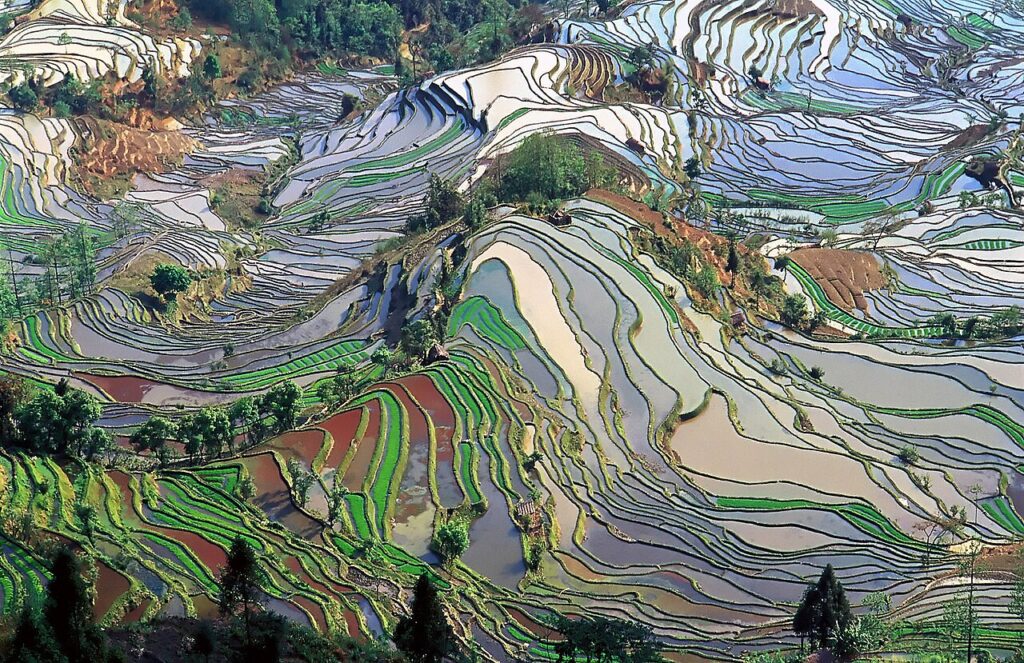
The Cultural Landscape of Honghe Hani Rice Terraces (UNESCO 2013) covers 16,603 hectares of irrigated terraces in Yuanyang County, Yunnan, built over 1,300 years without mechanical pumps. South China Karst Shilin is 300 km west (3h via Kunming); the Old Town of Lijiang is 450 km northwest (5h road or 2.5h HSR from Kunming).

Liangzhu City Archaeological Ruins Jade: Travel Guide

Liangzhu City Archaeological Ruins Jade: Travel Guide

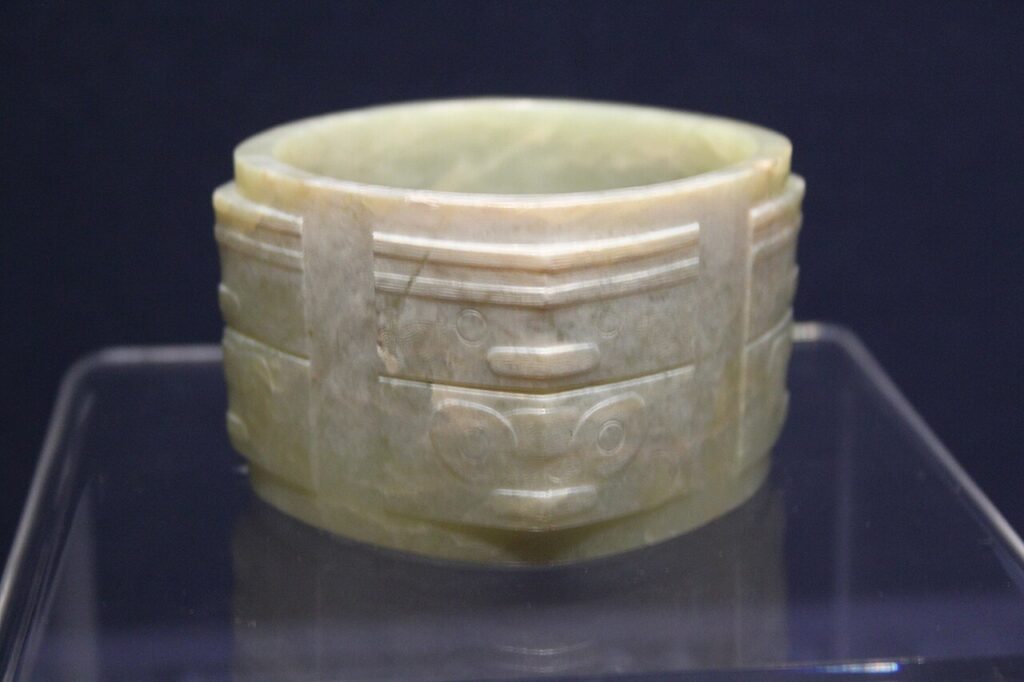
The Archaeological Ruins of Liangzhu City (UNESCO 2019) document a walled urban settlement of 3300–2300 BCE with a 297-hectare inner city and hydraulic system of 36 dams. West Lake Hangzhou is 30 km south (30 min metro); the Classical Gardens of Suzhou are 120 km northeast (1h HSR).

Kulangsu International Settlement Gulangyu: Guide

Kulangsu International Settlement Gulangyu: Guide

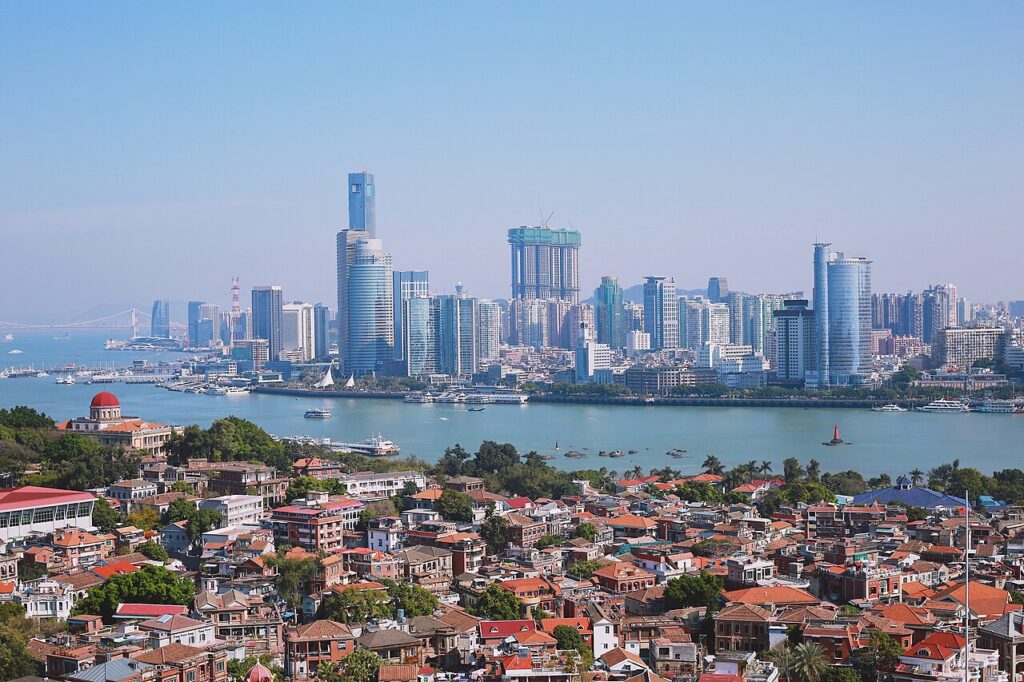
Kulangsu (Gulangyu Island, UNESCO 2017) is a 1.88 sq km island 600 m offshore Xiamen where 13 nations operated a joint concession from 1903 to 1949, producing 931 historical buildings. The Fujian Tulou are 200 km northwest (3h bus); the Historic Centre of Macao is 550 km west (4.5h HSR via Guangzhou).

Qinghai Hoh Xil Tibetan Antelope Plateau: Guide

Qinghai Hoh Xil Tibetan Antelope Plateau: Guide

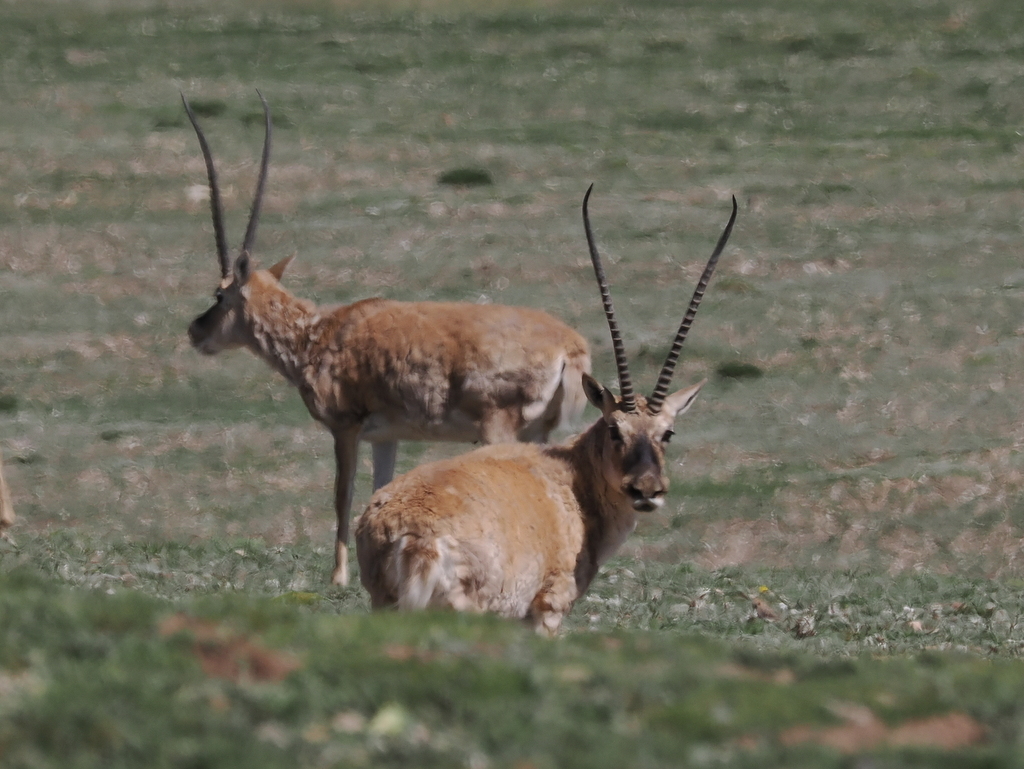
Qinghai Hoh Xil (UNESCO 2017) covers 45,000 sq km of the Qiangtang Plateau at 4,500–6,860 m, the largest terrestrial UNESCO natural inscription in China. The Potala Palace in Lhasa is 1,200 km south; the Mogao Caves at Dunhuang are 800 km north via Golmud (8h by road).

Hubei Shennongjia Forest District Ecology: Guide

Hubei Shennongjia Forest District Ecology: Guide

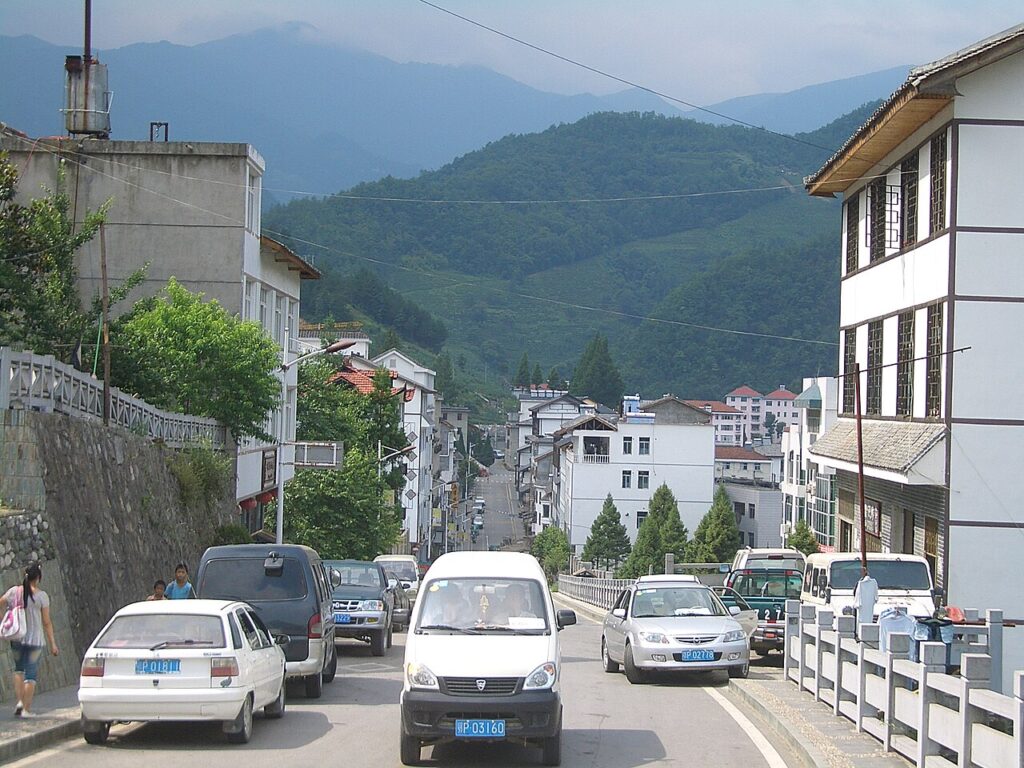
Hubei Shennongjia (UNESCO 2016) is a 73,318-hectare mountain forest in western Hubei with 3,767 higher plant species spanning an elevation of 420 to 3,105 metres. The Wudang Mountains are 250 km south (3h by road); the Tusi Sites at Enshi are 200 km west (3h by road).

Zuojiang Huashan Cliff Rock Art Figures: Guide

Zuojiang Huashan Cliff Rock Art Figures: Guide

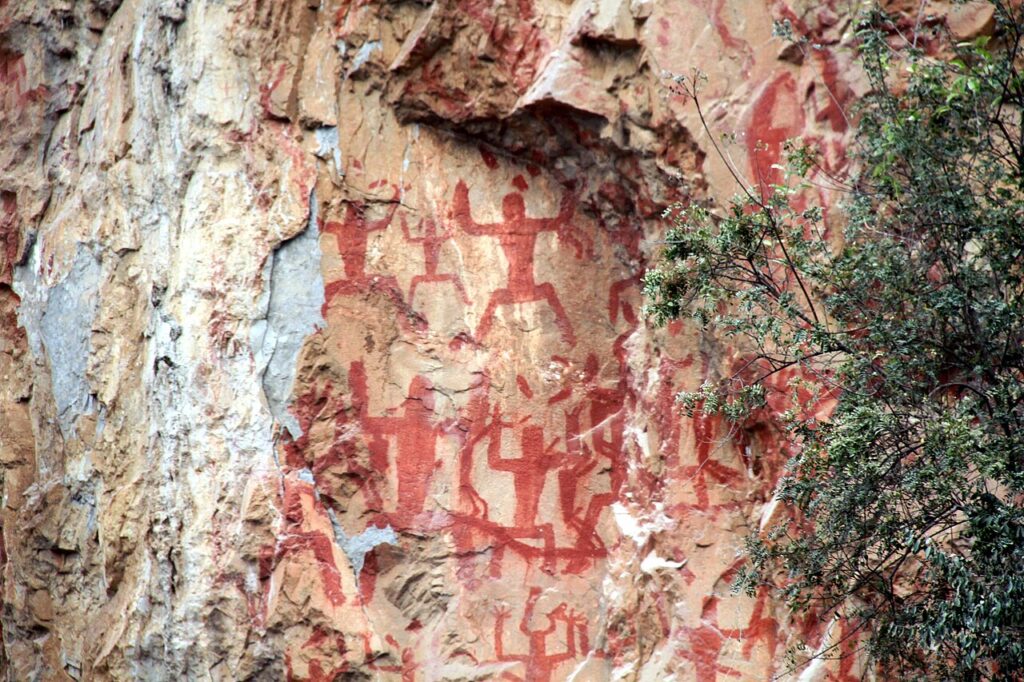
The Zuojiang Huashan Rock Art (UNESCO 2016) lines 105 km of Guangxi river cliff with 1,900 red ochre figures painted between 500 BCE and 200 CE. The South China Karst at Guilin is 450 km northeast (3h HSR); the Historic Centre of Macao is 500 km east (5h via Guangzhou and ferry).

Scroll to Top