


UNESCO Heritage Sites Near Berlin, Germany
Within two hours of Berlin, six UNESCO World Heritage Sites span Prussian palaces, a Reformation city, Bauhaus modernism, Enlightenment gardens, a Victorian warehouse port, and a medieval Hanseatic island.
Within two hours of Berlin, six UNESCO World Heritage Sites span Prussian palaces, a Reformation city, Bauhaus modernism, Enlightenment gardens, a Victorian warehouse port, and a medieval Hanseatic island.

Within two hours of Barcelona, five UNESCO World Heritage Sites span modernista concert halls, a Cistercian royal monastery, Roman provincial ruins, and 10,000-year-old rock paintings across eastern Spain.

Six UNESCO World Heritage Sites lie within two hours and fifteen minutes of Rome, from the Colosseum and Pompeii’s frozen streets to a Bourbon palace with 1,200 rooms and a Renaissance garden whose fountains still play music.

Within three hours of Prague, five UNESCO World Heritage Sites span Gothic silver-mining cathedrals, a plague-scarred Baroque village, a storybook Vltava castle, and an archbishop’s palace whose gardens hold a Titian masterpiece.

Within two hours of Vienna by rail, five UNESCO World Heritage Sites span Baroque palace gardens, a 36-kilometre Danube valley, Europe’s first mountain railway, and a Renaissance city built by the Habsburgs.

From Versailles at 35 minutes to Mont-Saint-Michel at three and a half hours, six UNESCO World Heritage Sites lie within reach of Paris by public transport — royal palaces, Gothic cathedrals, medieval fair towns, and a tidal island abbey.

Within two hours of London by public transport or car, seven UNESCO World Heritage Sites span five thousand years of history — from a Neolithic stone circle on Salisbury Plain to a Baroque palace built for a victorious general.
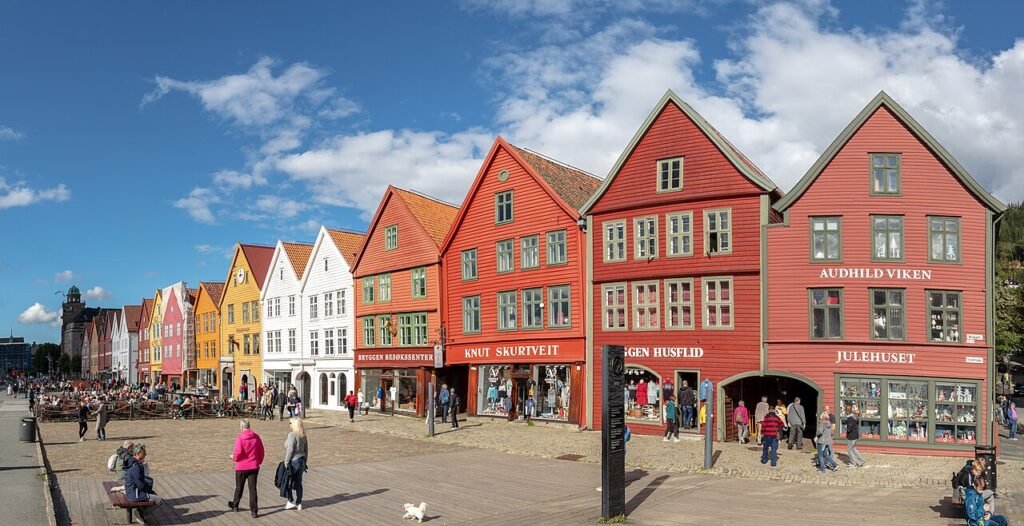
Bryggen, Bergen, Norway. Photo: Diego Delso / CC BY-SA 4.0 / Wikimedia Commons. The Nordic Countries is home to 49
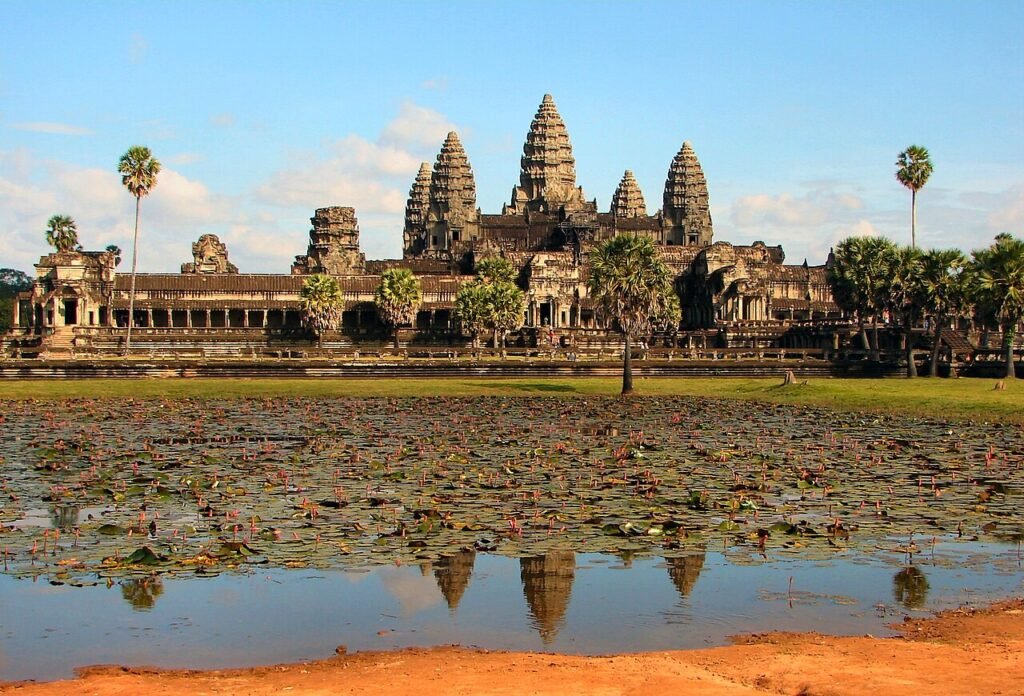
Angkor Wat, Cambodia. Photo: Bjørn Christian Tørrissen / CC BY-SA 4.0 / Wikimedia Commons. Southeast Asia is home to 50