Itineraries

UNESCO Sites Near Bukhara: What to See

UNESCO Sites Near Bukhara: What to See

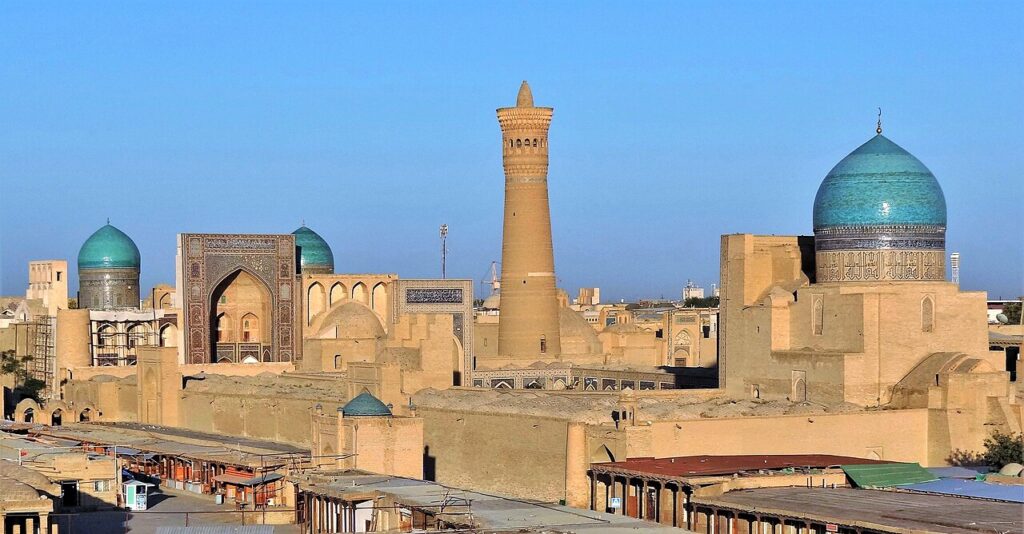
Bukhara’s historic centre, a UNESCO World Heritage Site since 1993, contains the oldest surviving Islamic building in Central Asia — the 9th-century Ismail Samani Mausoleum, whose decorative brickwork influenced mausoleum design across the Islamic world — alongside the 1127 Kalon Minaret, which Genghis Khan reportedly spared when his forces burned and massacred the rest of the city in 1220. The bazaar domes, the ruined Ark citadel, and the compact walkable historic centre make Bukhara the most intact Silk Road city in Uzbekistan.
UNESCO Sites Near Samarkand: What to See

UNESCO Sites Near Samarkand: What to See

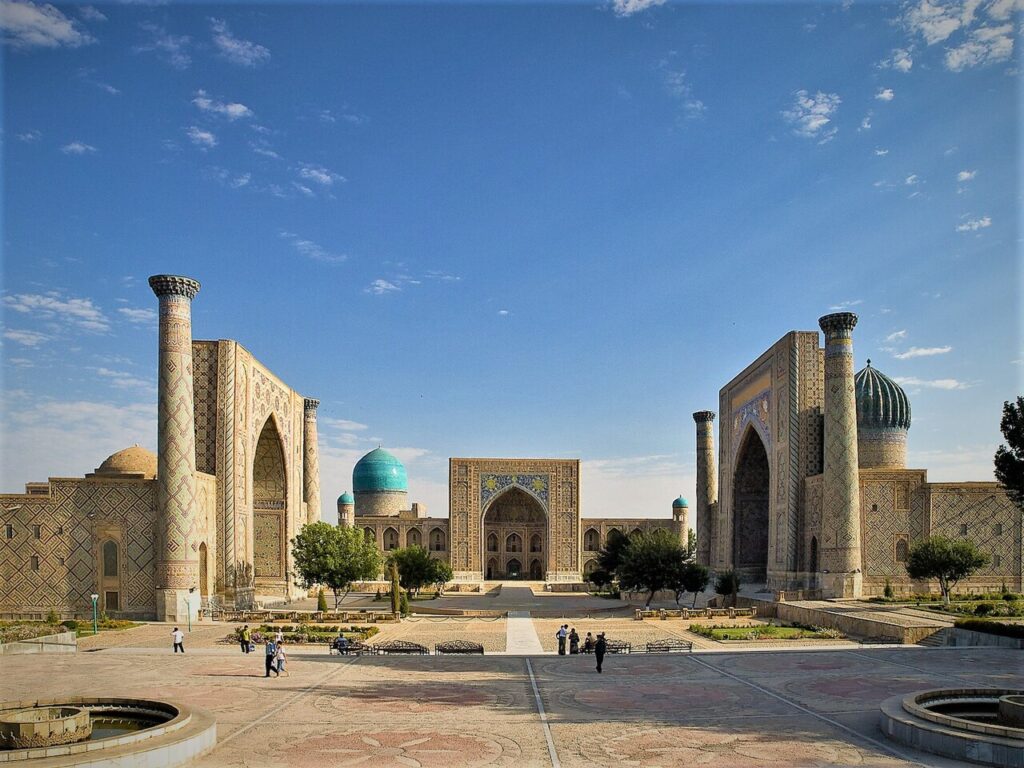
Samarkand has stood in the Zerafshan valley of Uzbekistan for more than 2,750 years, conquered by Alexander the Great in 329 BCE and later transformed into one of the most ornate cities in the Islamic world by Timur and his successors. The Registan square, where three madrasahs of the 15th–17th centuries face each other across a single open plaza, and the Gur-e-Amir mausoleum, where a block of dark-green jade the size of a door marks Tamerlane’s grave, place Samarkand among the most architecturally significant Silk Road cities anywhere.

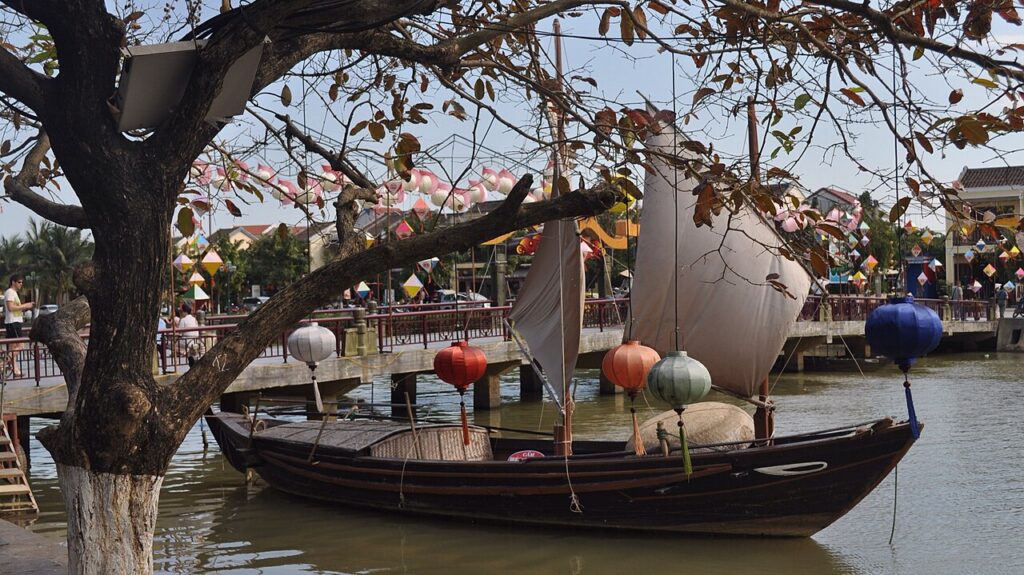
UNESCO Sites Near Hội An: What to See

UNESCO Sites Near Hội An: What to See

Hội An is a trading port town in central Vietnam that received merchants from China, Japan, the Netherlands, Portugal, and India during the 16th and 17th centuries; approximately 1,100 historic buildings survive in the old town, including the Japanese Covered Bridge (ca. 1593) and five Chinese assembly halls built by migrant communities organised by province of origin. The town’s historic fabric was preserved by the silting of the Thu Bồn River, which ended large-scale maritime trade and left the town’s buildings intact.

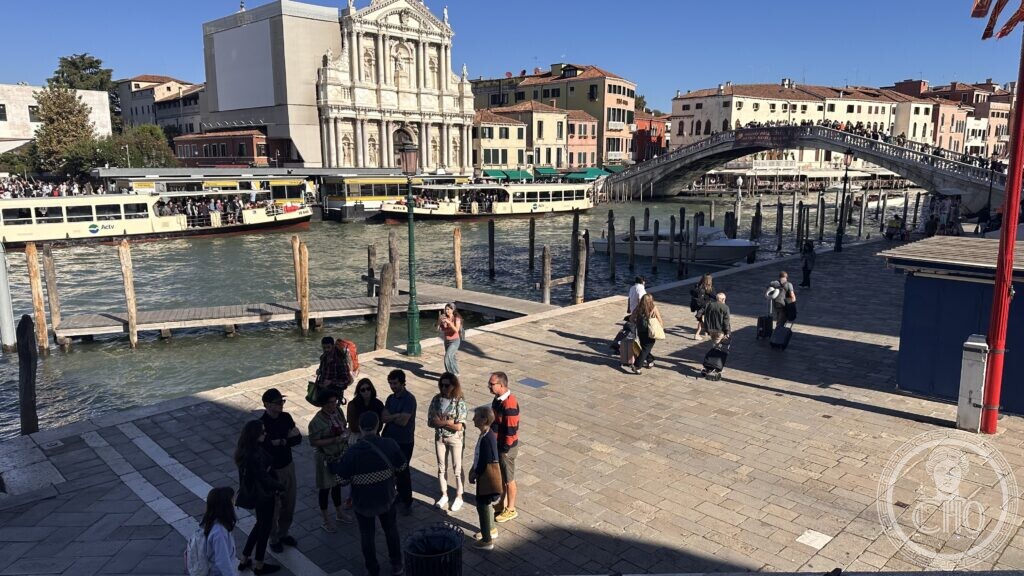
Two Mornings on the Bridges of Venice

Two Mornings on the Bridges of Venice

On 26 and 27 September 2026 I guided twenty people across the bridges of Venice, from the station to the Rialto: two hours a day looking at who builds, rebuilds and maintains the crossings a city on water cannot live without.

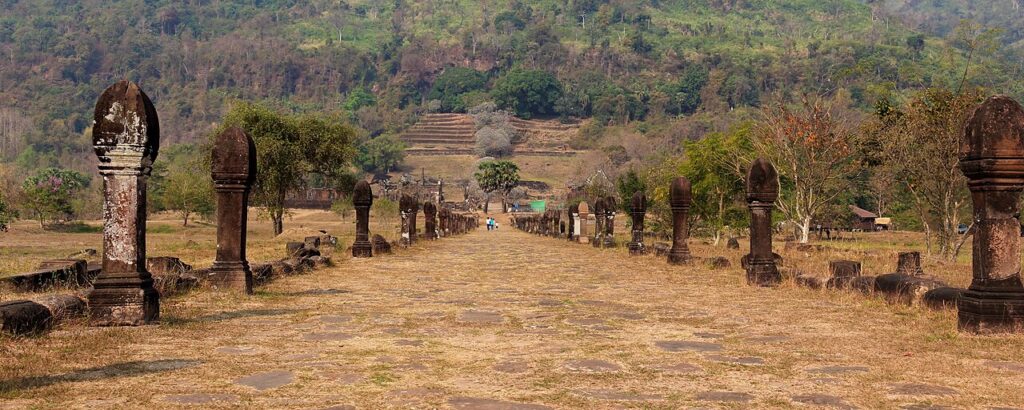
UNESCO Sites Near Vat Phou: What to See

UNESCO Sites Near Vat Phou: What to See

Vat Phou is a Khmer-era temple complex on the slopes of Phu Kao mountain in southern Laos, active from at least the 5th century CE — predating Angkor by 500 years — and oriented along a 1.5 km processional axis from the Mekong River to a sacred spring at the mountain summit. A Shiva temple converted to Theravada Buddhism, it retains Hindu carvings alongside Buddhist images and covers a 390 km² UNESCO cultural landscape inscribed in 2001.

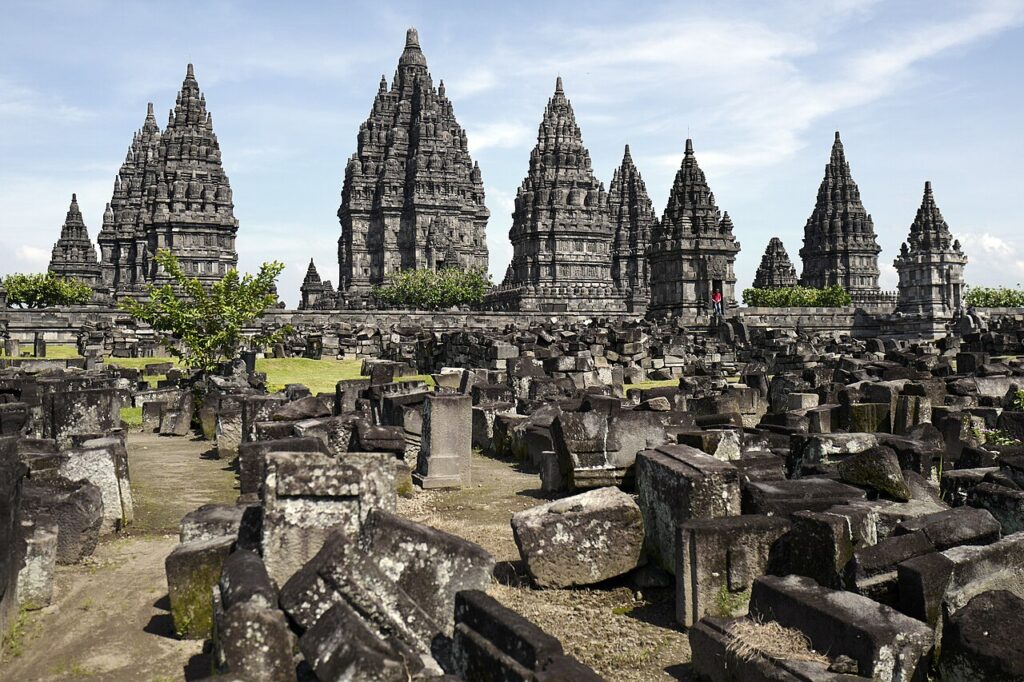
UNESCO Sites Near Prambanan: What to See

UNESCO Sites Near Prambanan: What to See

Prambanan is a 9th-century Hindu temple compound 17 km east of Yogyakarta, built around 856 CE with a 47-metre Shiva tower facing a gallery of Ramayana reliefs considered among the finest narrative stone carving in Southeast Asia. It was abandoned in the early 10th century — possibly after a Merapi eruption — fell into ruin over 900 years, and shares a UNESCO inscription with its Buddhist near-neighbour Borobudur, 40 km west.

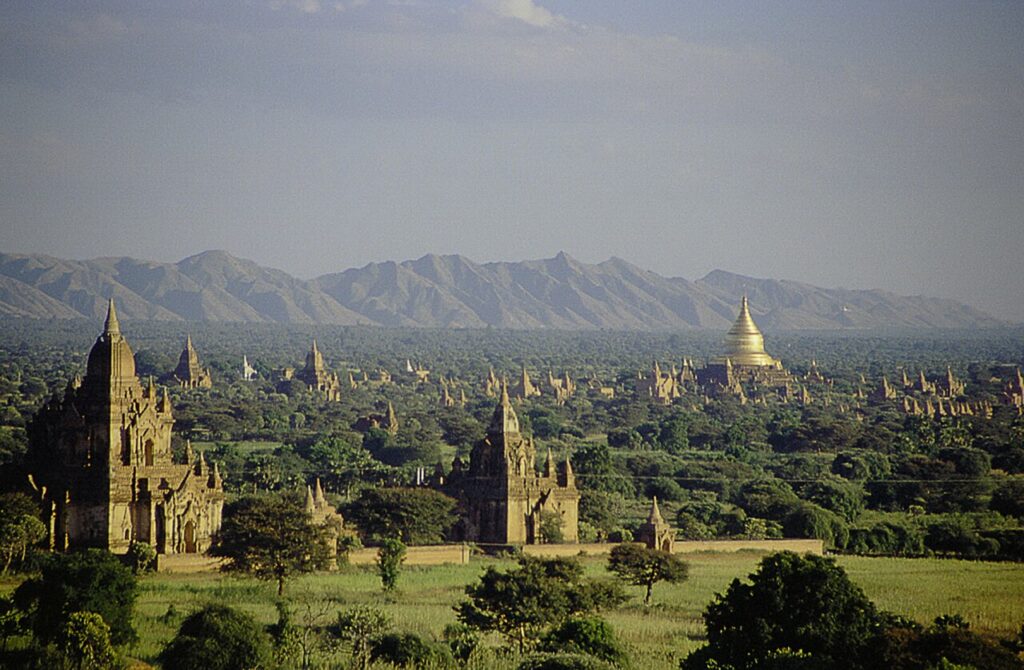
UNESCO Sites Near Bagan: What to See

UNESCO Sites Near Bagan: What to See

Bagan’s archaeological zone on the Irrawaddy River contains approximately 3,500 surviving Buddhist monuments from an imperial capital that once held 10,000 religious structures. The site received UNESCO World Heritage status in 2019 after decades of delay over post-earthquake cement restorations — and a 2016 earthquake damaged another 400 pagodas, with restoration still ongoing across the 67 km² plain.

UNESCO Sites Near Humayun’s Tomb: What to See

UNESCO Sites Near Humayun’s Tomb: What to See

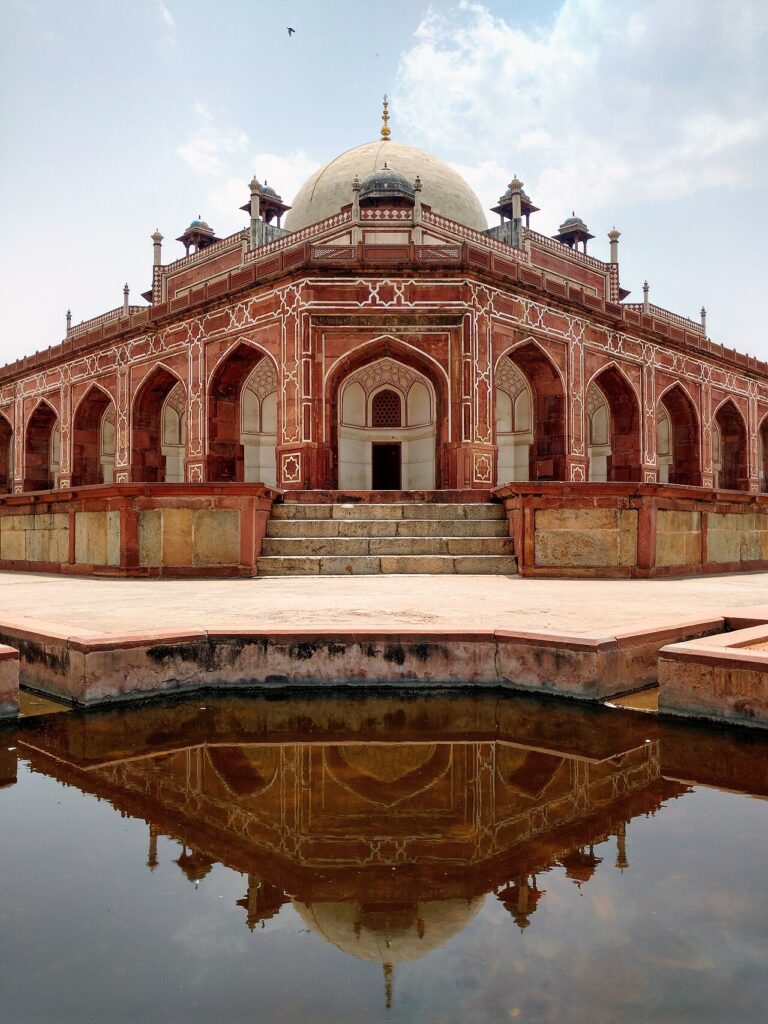
Humayun’s Tomb in Delhi, completed in 1572 by the Persian architect Mirak Mirza Ghiyas under the commission of Haji Begum, introduced the charbagh garden-tomb formula and the double dome to the Indian subcontinent — both adopted directly by the builders of the Taj Mahal. The complex contains over 150 Mughal graves and was the site where the last Mughal emperor, Bahadur Shah Zafar, surrendered to British forces in September 1857. UNESCO inscribed it in 1993.

UNESCO Sites Near Qutb Minar: What to See

UNESCO Sites Near Qutb Minar: What to See

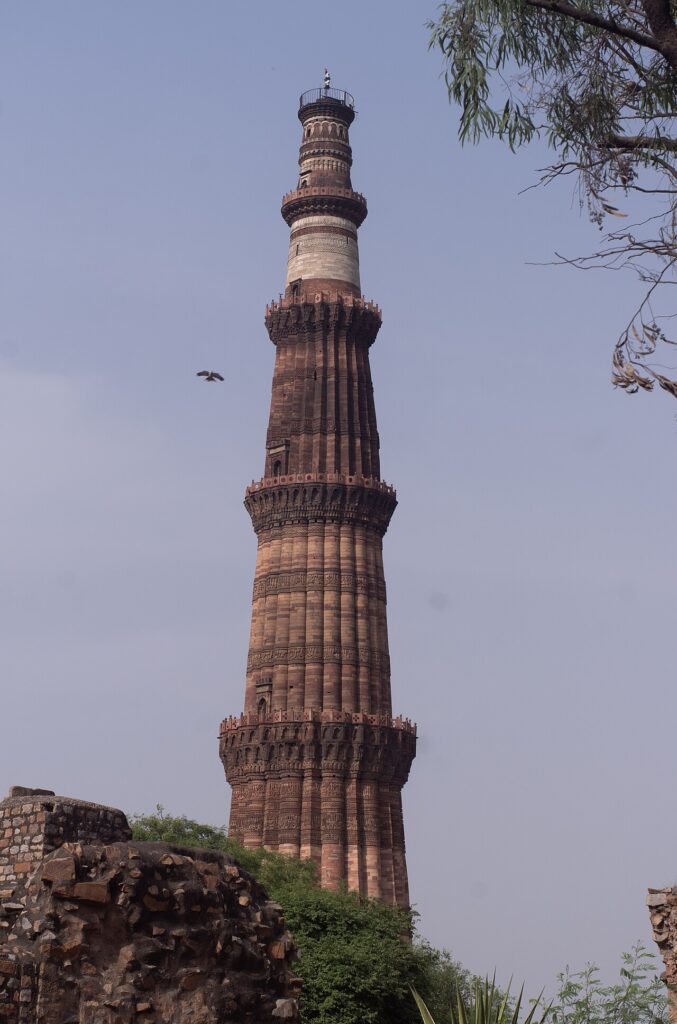
The Qutb Minar complex in south Delhi comprises the world’s tallest brick minaret (72.5 metres, built from 1193 CE), the first mosque in India after the Islamic conquest (built partly from 27 repurposed temple columns), and a 1,600-year-old iron pillar that has not rusted — explained by its high phosphorus content forming a stable protective surface layer. The Alai Darwaza (1311) introduced true arches and domes to India. UNESCO inscribed the site in 1993.

Scroll to Top