


The Lido of Venice: Liberty hotels and Rationalist festival buildings on one island
Eleven stops in 8.1 kilometres: ceramic hotels from the Belle Époque, the 1930s film festival buildings, a 1915 airfield and the oldest Jewish cemetery in Europe.
Eleven stops in 8.1 kilometres: ceramic hotels from the Belle Époque, the 1930s film festival buildings, a 1915 airfield and the oldest Jewish cemetery in Europe.

Marble athletes, a fencing academy, the Sapienza campus, two post offices and the Square Colosseum: eight buildings of Italian Rationalism across Rome, 1927–1954.

A three-day route from the crater of Nea Kameni to the town buried under ash at Akrotiri, with the red and black beaches, Oia at dawn and the buses that link them.
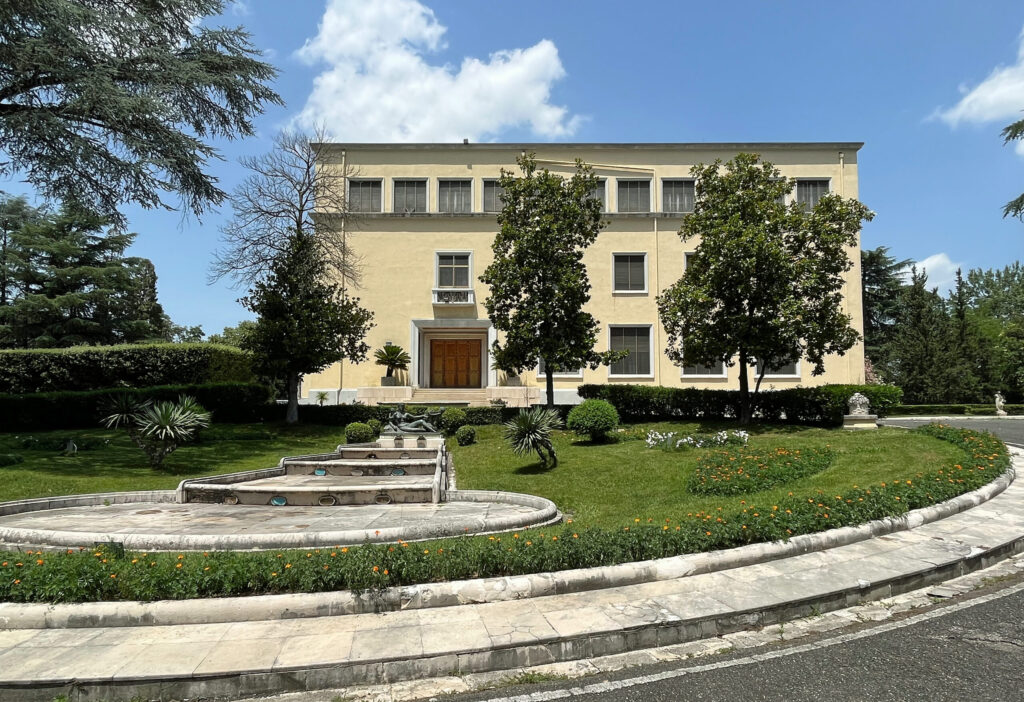
Bosio’s boulevard, the government blocks along it, King Zog’s palace finished by the Italians and Di Fausto’s royal villa above Durrës: five buildings, 46.8 kilometres, four years of occupation.

The street is full of documents in stone: dates, names, inscriptions, the sums that paid for them. Almost none of them are published.
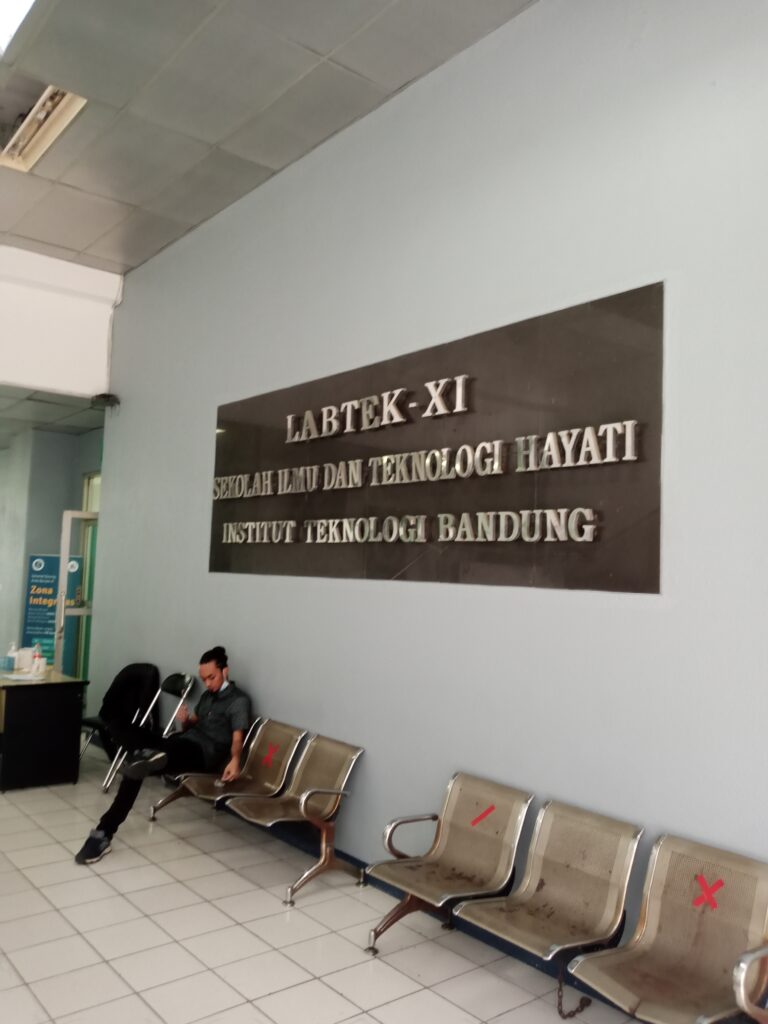
The institution known as ITB took its present name in 1959, but its Bandung campus belongs to a longer story of technical education in Indonesia.

The Palazzo Valmarana Braga in Vicenza, a Palladio masterpiece, sustained damage during Allied bombing raids in World War II. The destruction raises enduring questions about the cost of war to cultural patrimony.

Lost artworks represent a compelling enigma in cultural heritage, encompassing original creations that have disappeared from museum catalogues and private collections due to intentional destruction, tragic accidents, or neglect.
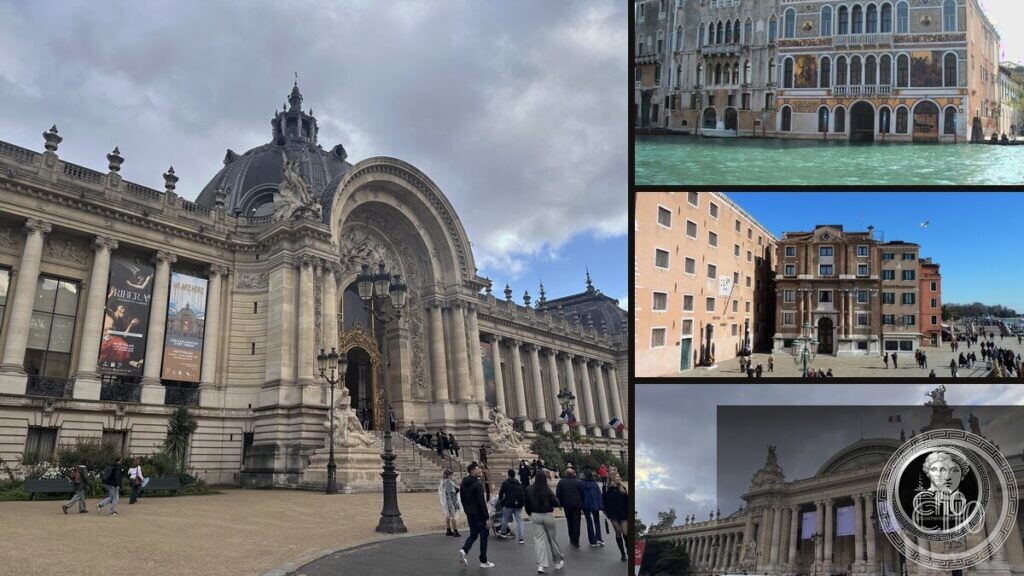
Published in February 2024, this article examines the Nazi regime’s systematic plunder of approximately 5 million artworks from occupied territories and their vision of German cultural supremacy.