

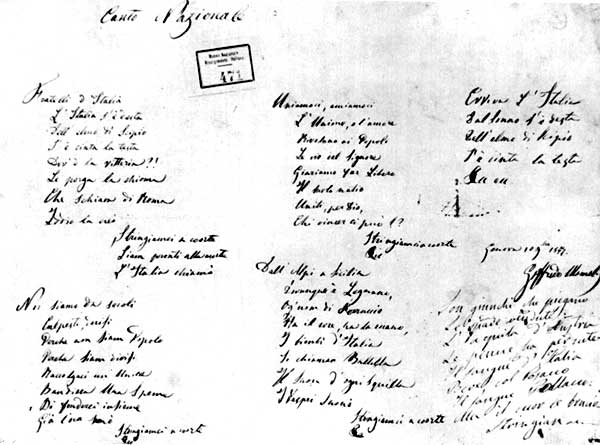
Origins of Italy’s National Anthem: Mameli
Published in January 2020, this article traces the creation of Italy’s national anthem to autumn 1847 in Genoa, where young poet Goffredo Mameli wrote the words and Michele Novaro composed the music.
Published in January 2020, this article traces the creation of Italy’s national anthem to autumn 1847 in Genoa, where young poet Goffredo Mameli wrote the words and Michele Novaro composed the music.
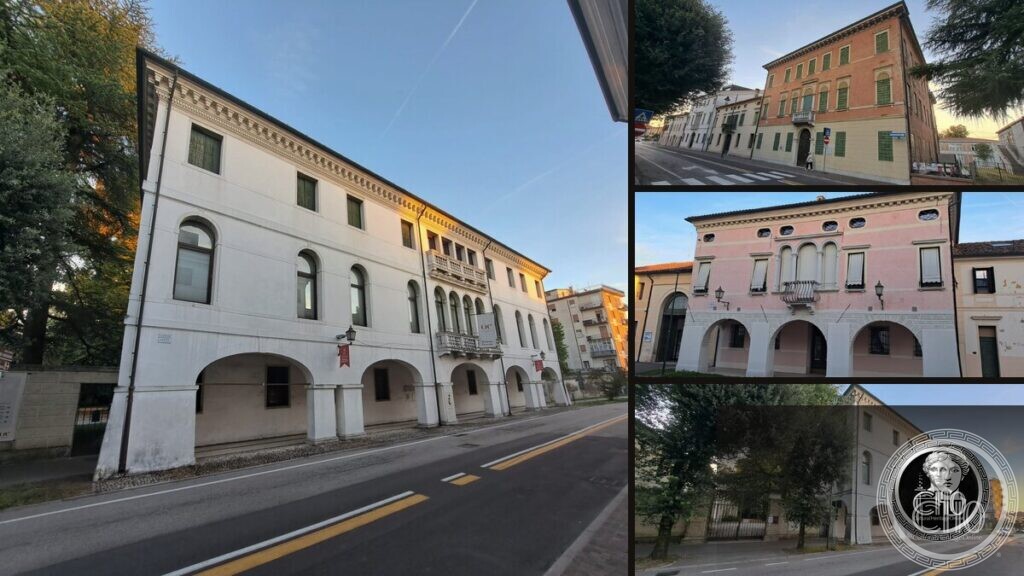
Published in May 2019, this article examines Italy’s constitutional ban on fascist reorganization and the 1952 Scelba Law, exploring how courts have interpreted laws against fascist propaganda while protecting freedom of expression.

Italy, among the nations most affected by illegal export of cultural and archaeological goods, has developed legal and investigative tools to recover stolen heritage through coordinated diplomatic and institutional efforts.

Established in 1969, Italy’s Carabinieri command for cultural heritage protection was the world’s first specialized police unit dedicated to combating art theft and illicit antiquities trafficking.

The Library of Congress has digitized over 36,000 maps spanning from the 12th century to the present, all available online for free consultation and download. The collection includes city plans, celestial charts, and atlases from cartographers worldwide.
Published in January 2019, this guide examines how companies can leverage Stories on Snapchat, Instagram, and Facebook to build brand awareness and engage customers through contests, product launches, and behind-the-scenes content.
In December 2018, researcher Veronica Ramos launched #heritagepertutti, a hashtag campaign designed to make historical research and cultural heritage accessible to the general public through shared images and collective interpretation.

Italy’s FS Foundation preserves over 10,000 architectural drawings and hundreds of photographs documenting railway infrastructure design from the 1930s to 1970s.
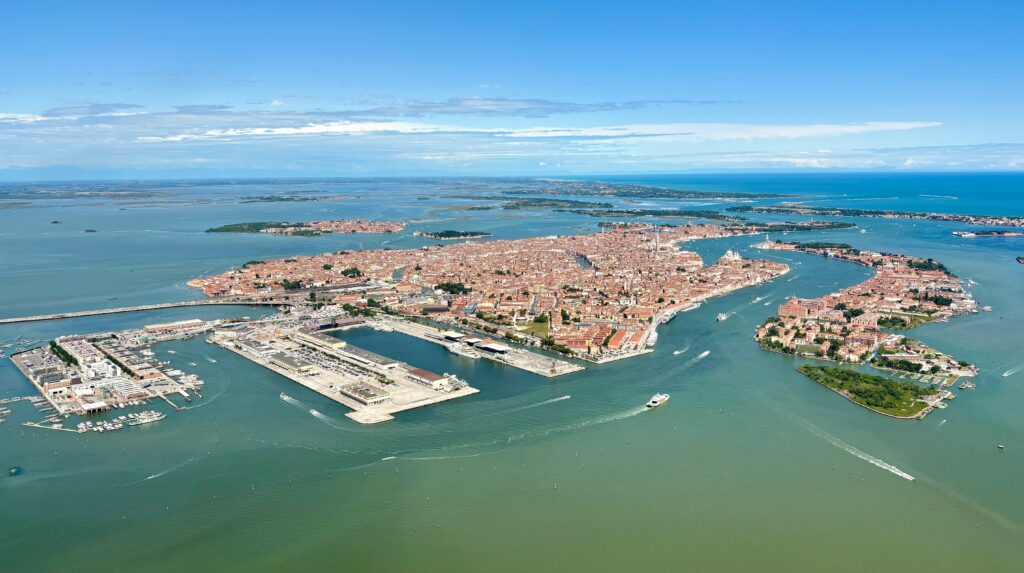
A 2018 exhibition at the Correr Museum in Venice explored how the city developed a production and distribution network for books in the 15th century, predating modern e-commerce by five hundred years.