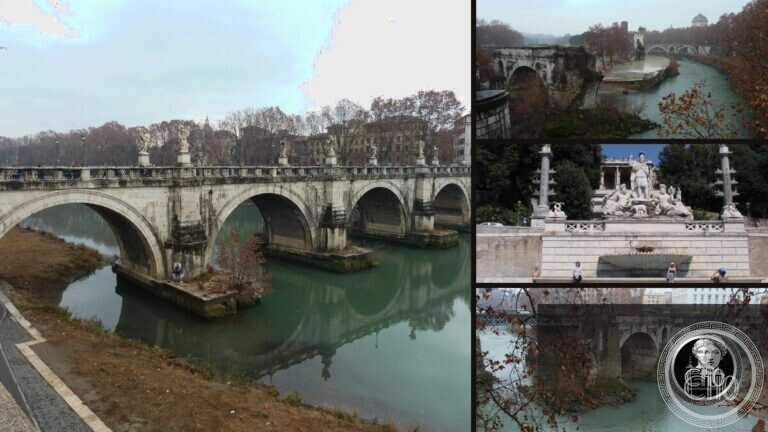
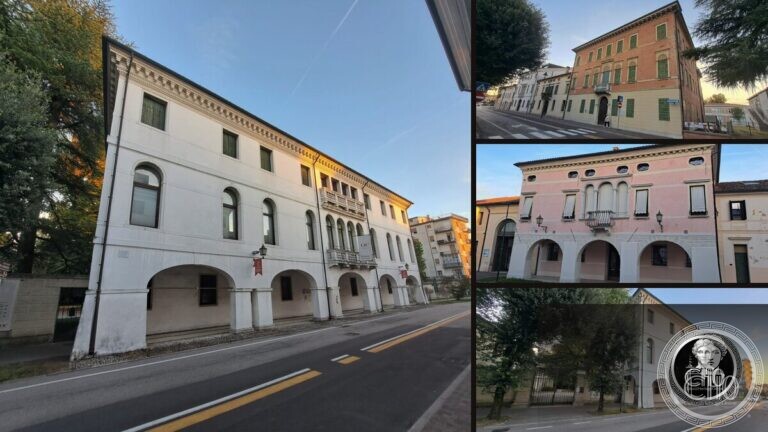
A private museum usually has a good website for its collection. It rarely has a good page for the building that holds it, the person who assembled it, or the documents that prove where the works came from. That half is the one AI assistants now answer for, and they answer it without citing the museum.
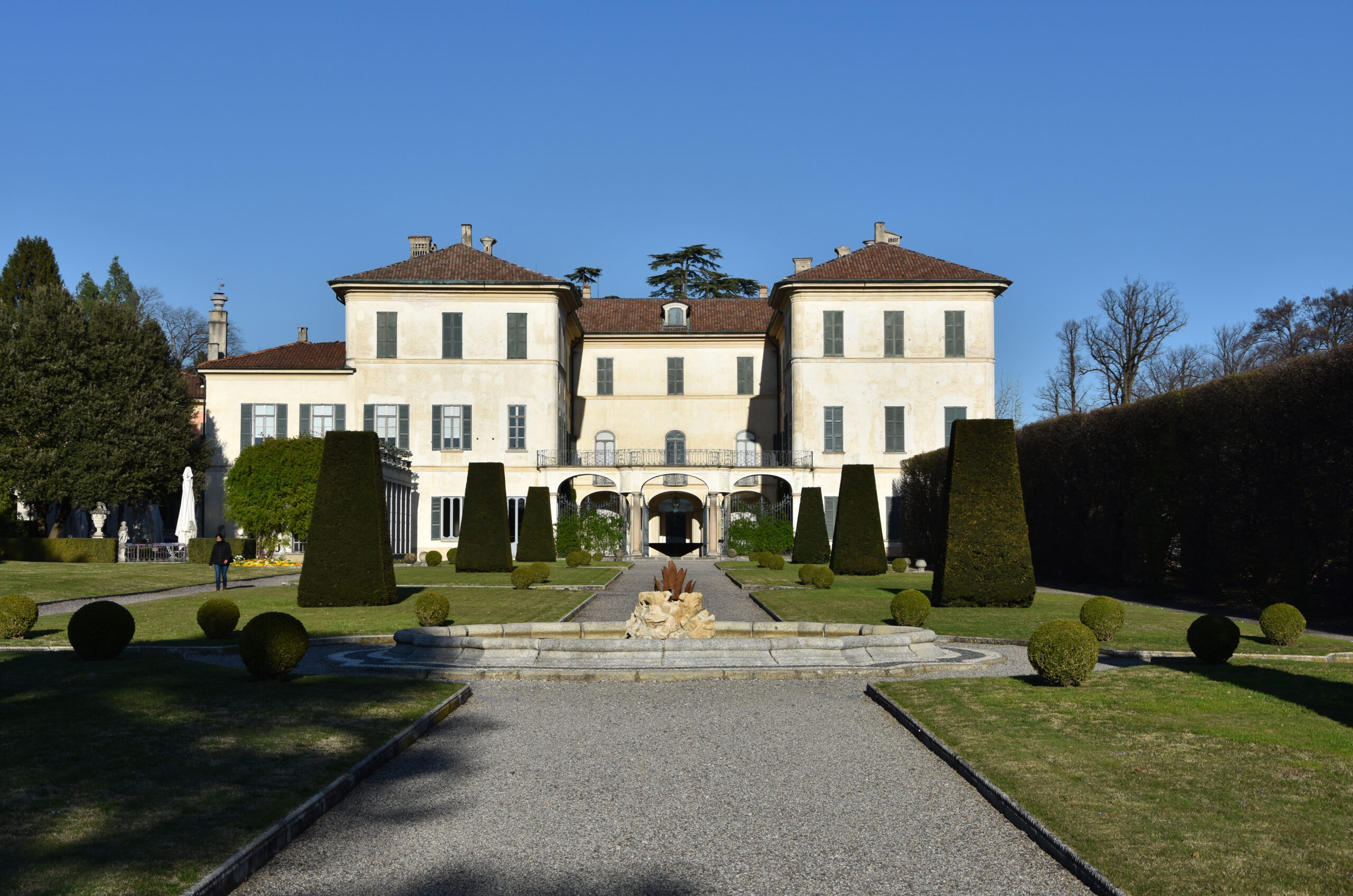
The collection is the visible half
A study published in the British Journal of Sociology in September 2026 examined the online mission statements and about-us pages of 399 private museums in 59 countries. It found that those pages do legitimacy work: they present the museum and its founder as reliable, institutional actors. The boom of private museums since the 2000s is real, and so is the effort that goes into explaining why a collection matters.
What those pages rarely do is document the thing that makes the museum a place: the building, its architect and date, the previous life of the rooms, the provenance of the works, the archive that proves it. That material usually sits in a PDF, a press release or a folder in the office.
The answer has moved above the link
Google’s AI Overviews now appear on roughly half of searches and reach about two billion users a month, according to figures reported by the Museums Association in September 2026. A 2025 study by One Further of 100 UK cultural organisations found organic search traffic down 10% in early 2025 against the same period of 2024, after a 30% rise the year before; 80% of the organisations saw decreases. Informational content (visitor information, glossaries, online collections) was hit hardest. On average the organisations appeared in only 6% of the relevant AI Overviews; the best reached 13%.
Search still drives between 40% and 60% of the traffic of a cultural organisation. The difference is that the answer is now written above the link, and it is assembled from pages a model can read and cite.

What the machines cannot read
A model does not read a PDF in a folder. It reads pages that name things: the architect, the year, the style, the founder, the works, the documents. A page that says who designed the building, when, and what it holds is legible. A page that says “a unique collection in a historic setting” is not.
For a private museum this is an advantage. A public institution answers to a ministry; a private foundation can tell its own story in its own words, and it already has the material: the founder’s archive, the acquisition records, the building’s plans.
A page that can be cited
A documented place page carries the building’s story with its sources, the map, the photographs with credits, and the links to the collection. A guest post in the archive does the same for a single work or a single room. The archive behind it has been documenting heritage since 1998, and a page written from documents is the kind of page a model can cite and a reader can check.
For a foundation, the page sits next to a panel on the place cards around it, for twelve months, where the visitor is already reading.
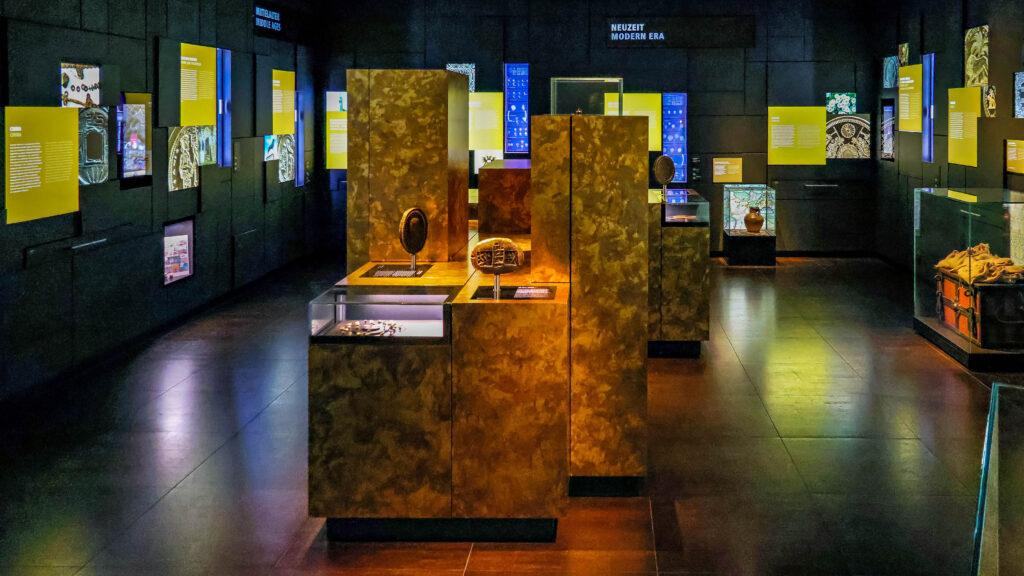
What it does not do
It does not replace the website and it does not promise visitors. It takes months, and the first step is not technical: write down what you can prove, with the source for each fact. A museum that cannot say who built its building is not ready for the algorithm, and the algorithm will fill the gap with something else.

Sources
- Andrade Silva, Kolbe, Velthuis, Beyond Distinction: Private Art Museums and Their Versatile Role for Elites' (Self)Legitimization Discourses, British Journal of Sociology 77(4), September 2026: · https://pure.eur.nl/en/publications/beyond-distinction-private-art-museums-and-their-versatile-role-f/
- Hannah Barton, Generative AI search results are reducing online traffic to sector websites, Museums Association, 15 September 2026: · https://www.museumsassociation.org/museums-journal/opinion/2026/09/generative-ai-search-results-are-reducing-online-traffic-to-sector-websites/
- Beth Downs, Report: The impact of AI Overviews in the cultural sector, One Further, 1 September 2025: · https://www.onefurther.com/insights/ai-overviews-cultural-sector-report
- Cultural Heritage Online, Founding Partner: · https://culturalheritageonline.com/founding-partner/
Curated by Stefano Vigolo for Cultural Heritage Online.
Spotted an error? Write to editorial@culturalheritageonline.com and we correct it the same day.