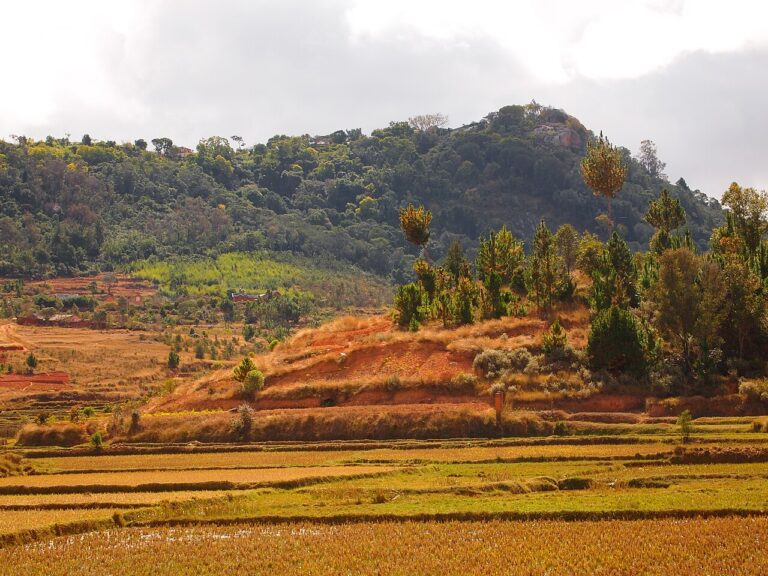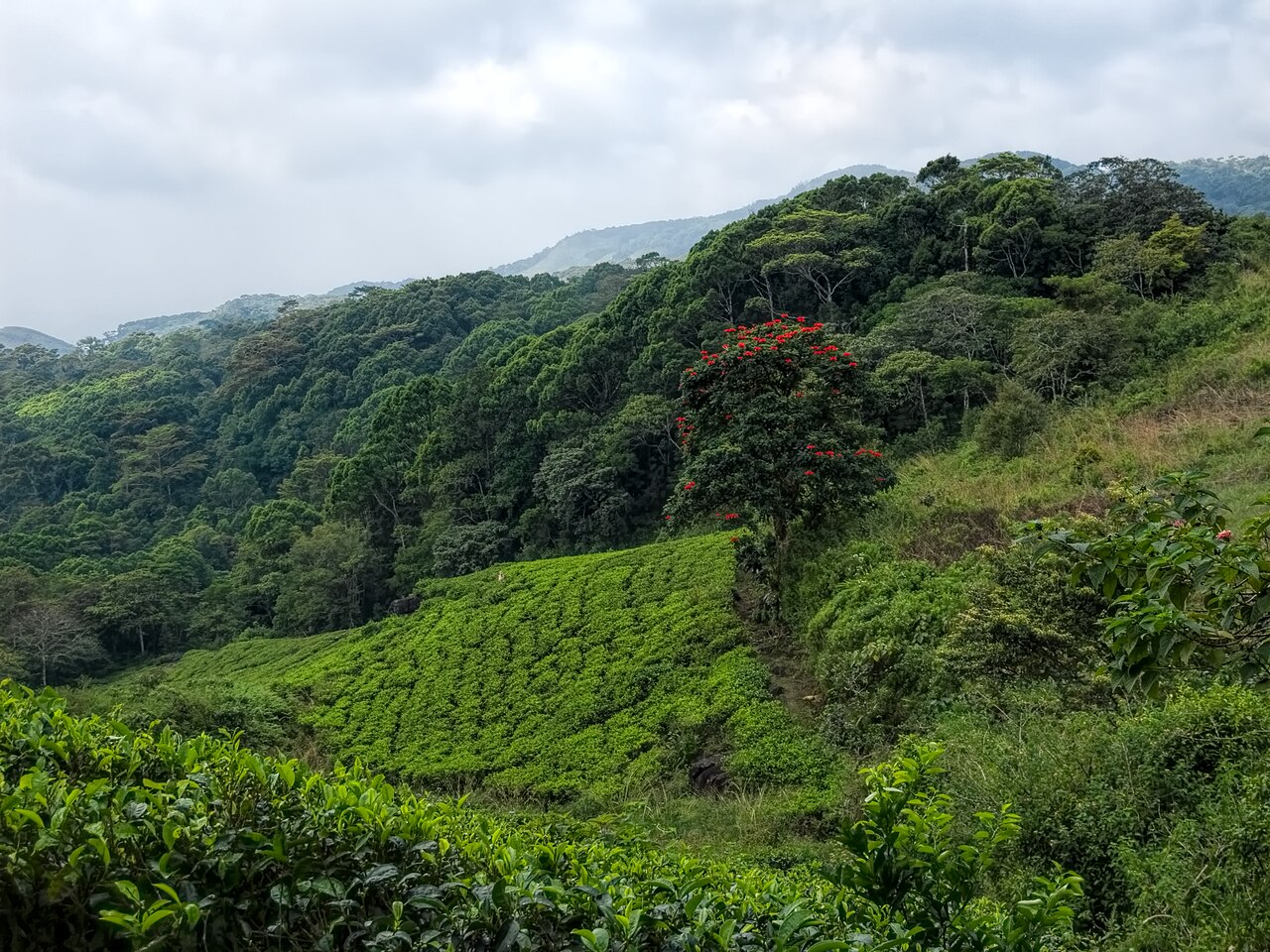
Six World Heritage sites lie within 200 kilometres of Sinharaja Forest Reserve: the Central Highlands of Sri Lanka (45 km), the Old Town of Galle and its Fortifications (53 km), the Sacred City of Kandy (99 km), Rangiri Dambulla Cave Temple (161 km), the Ancient City of Sigiriya (173 km) and the Ancient City of Polonnaruwa (176 km). Sinharaja itself was inscribed in 1988 as Sri Lanka’s last viable area of primary tropical rainforest, sheltering more than half of the island’s endemic mammals and butterflies.
The World Heritage sites within reach of Sinharaja
The distances below are straight lines between the reference points that UNESCO publishes for each property. They tell you what is close. They do not tell you how long the road takes, which depends on the route and the season, especially in a landscape where most travel moves from the wet lowlands into the central mountains.
| Site | Country | Distance | Inscribed | Type |
|---|---|---|---|---|
| Central Highlands of Sri Lanka | Sri Lanka | 45 km | 2010 | Natural |
| Old Town of Galle and its Fortifications | Sri Lanka | 53 km | 1988 | Cultural |
| Sacred City of Kandy | Sri Lanka | 99 km | 1988 | Cultural |
| Rangiri Dambulla Cave Temple | Sri Lanka | 161 km | 1991 | Cultural |
| Ancient City of Sigiriya | Sri Lanka | 173 km | 1982 | Cultural |
| Ancient City of Polonnaruwa | Sri Lanka | 176 km | 1982 | Cultural |
The list reads like a cross-section of Sri Lanka. The Central Highlands rise immediately to the north of Sinharaja and share the island’s wet-zone ecology, while Galle on the coast to the south-west shows a European fortified city shaped by South Asian traditions. Farther north-east, the cultural sites of Kandy, Dambulla, Sigiriya and Polonnaruwa trace the island’s royal and religious history from the 5th-century granite citadel of King Kassapa I to the 18th-century capital that fell to the British in 1815.
The last viable block of Sri Lanka’s primary rainforest
Sinharaja covers 8,864 hectares across a strip of ridges and valleys in the south-west lowland wet zone, ranging in altitude from 300 to 1,170 metres. UNESCO’s brief synthesis describes it as the last extensive patch of primary lowland rainforest in Sri Lanka, made up of 6,092 hectares of Forest Reserve and 2,772 hectares of Proposed Forest Reserve. Streams drain south into the Gin River and north into the Kalu River through tributaries including the Napola Dola, Koskulana Ganga and Kudawa Ganga.
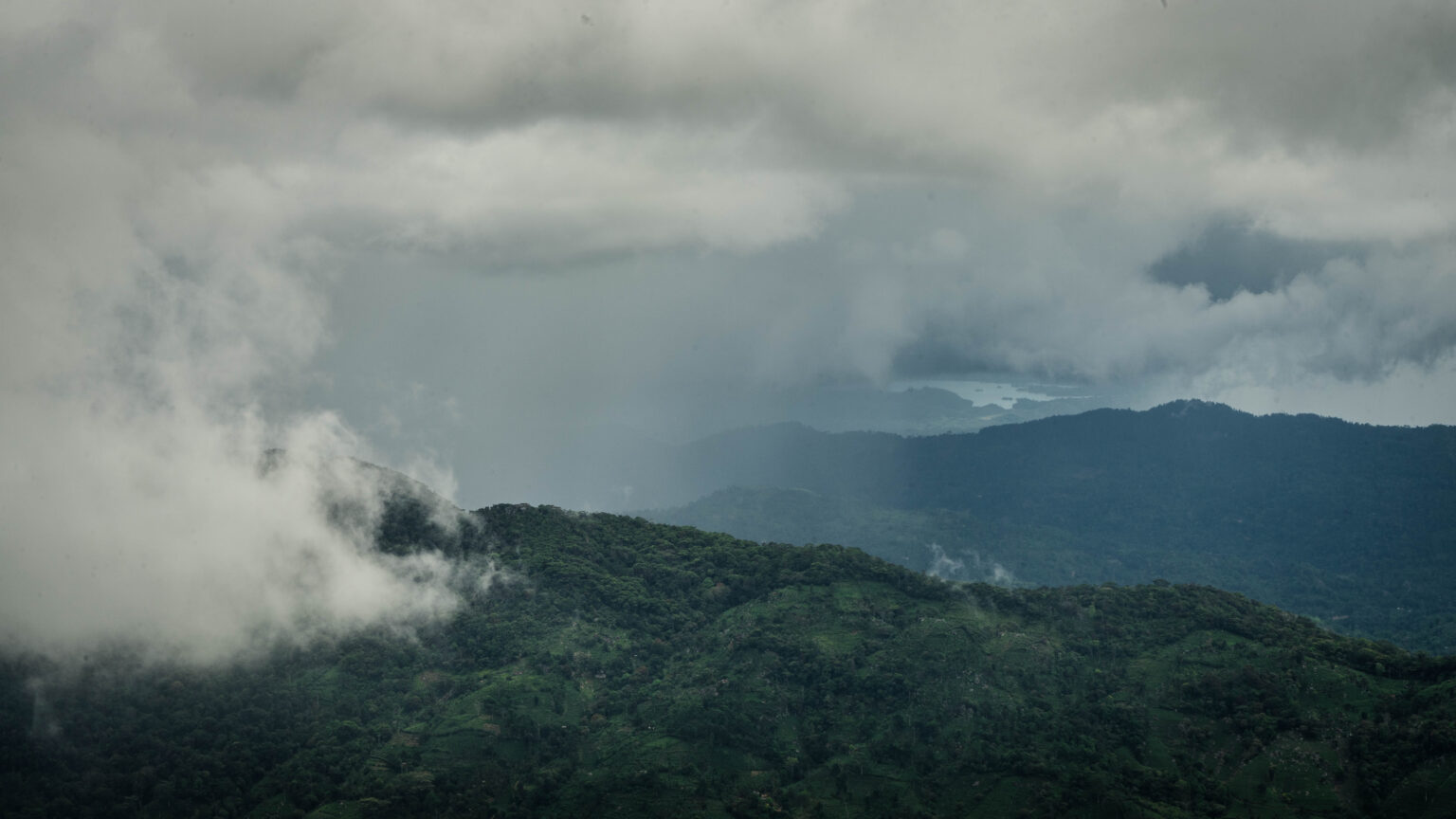
More than 60% of the trees are endemic, and the endemism figures for animals are just as sharp. Sri Lanka has 830 endemic species, of which 217 trees and woody climbers occur in the lowland wet zone; 139 of those, or 64%, are recorded inside the reserve, including 16 rare species. For birds, 19 of the 20 species endemic to Sri Lanka have been recorded in the property. The reserve also shelters threatened mammals and butterflies, with endemism among both groups greater than 50%.
The flora as a relic of Gondwanaland
The property holds two main forest types: Dipterocarpus forest in the valleys and on lower slopes, and secondary forest and scrub where the original cover was removed. That first type carries part of what UNESCO identifies as Sinharaja’s scientific value: the flora is a relic of Gondwanaland, preserving a fragment of the vegetation that existed before the southern continents split apart.
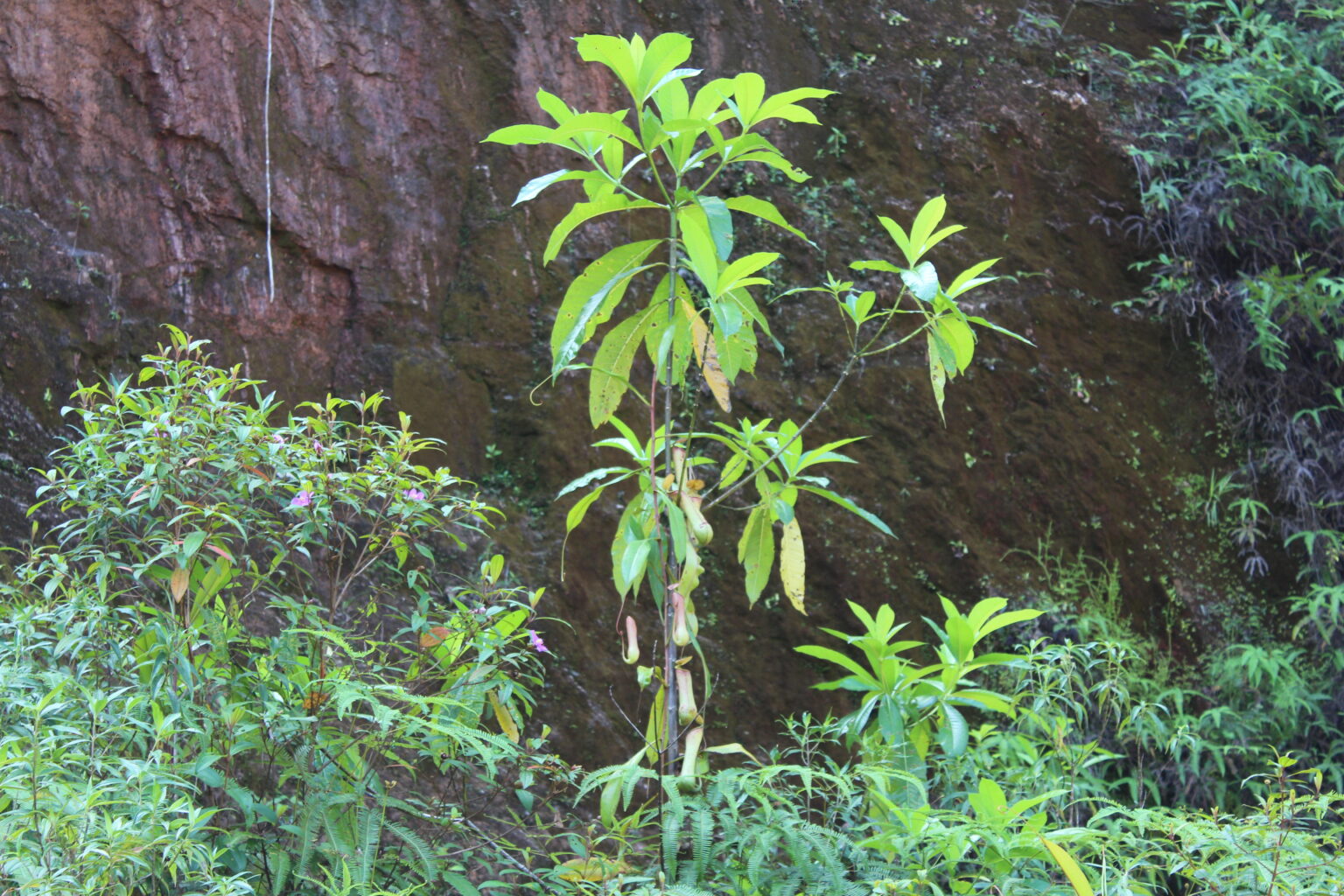
The ground beneath the trees adds another dimension. Sinharaja sits on the Sinharaja basic zone, within the transition between two rock groups characteristic of Sri Lanka: the south-western group and the highland group. That position is enough to make the reserve what UNESCO calls an outstanding site for the study of biological evolution and continental drift, independent of the rare endemic palms Loxococcus rupicola and Atalantia rotundifolia that grow inside it.
A forest entered only with permission
Protection here is layered. The area was originally declared a forest reserve on 3 May 1875, then recognised as a Biosphere Reserve in April 1978 and as a national heritage wilderness area on 21 October 1988. The property is now managed by the Divisional Forest Officer of the Forest Department under the Ministry of Lands and Land Development, with a National Steering Committee coordinating the reserve’s status as Wilderness Area, Biosphere Reserve and World Heritage site.
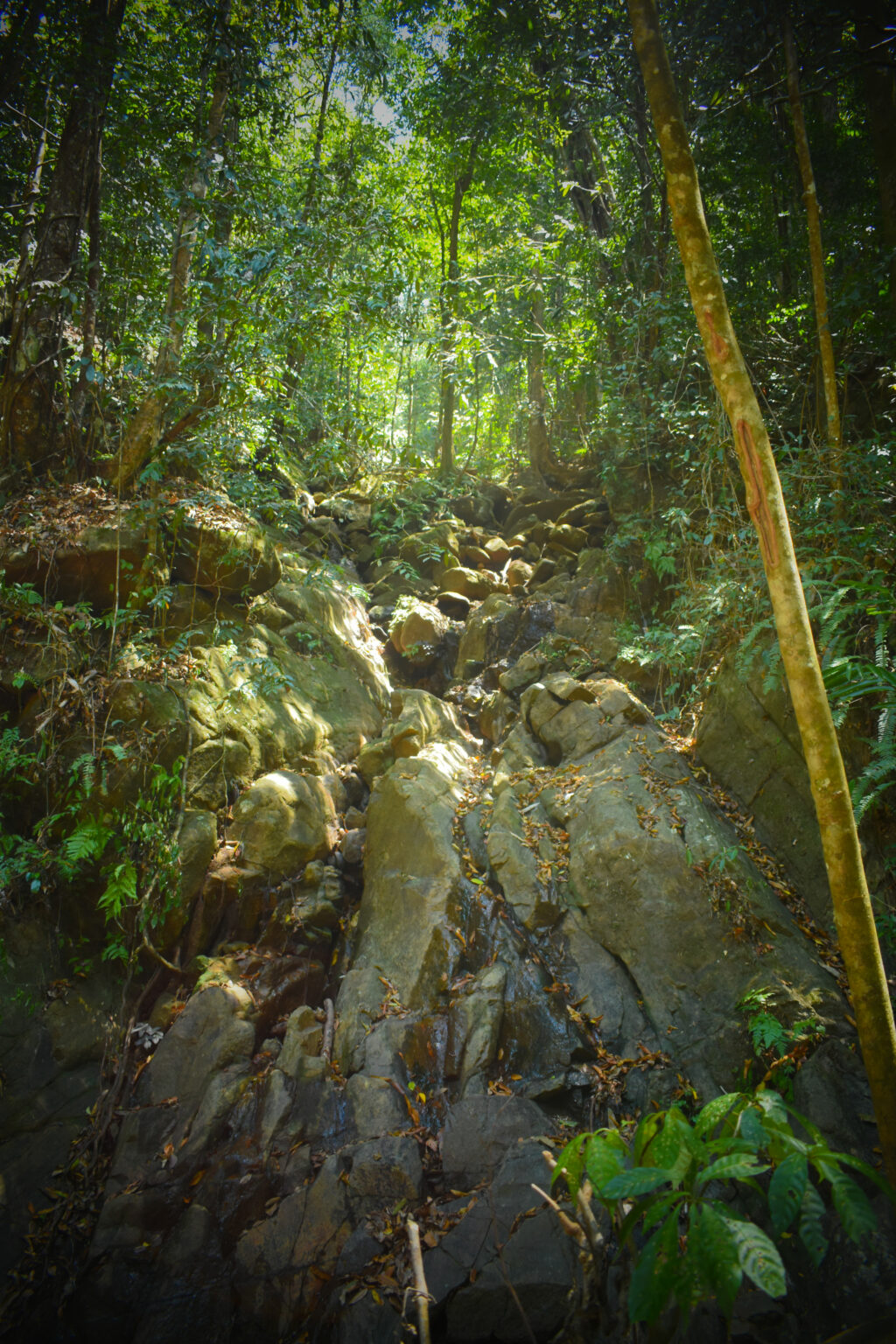
Visitor numbers remain low, and entry is by permit only. The IUCN World Heritage Outlook for 2025 assesses the conservation outlook as “significant concern”, citing encroachment, tea plantation expansion, road fragmentation, invasive species and illegal trade in endemic wildlife. Across the wider landscape, a management plan now exists for the Sinharaja Forest Landscape, but IUCN notes it remains unclear how far its actions have been implemented and how specifically they apply to the World Heritage site itself.
Frequently Asked Questions
Which UNESCO World Heritage sites are near Sinharaja Forest Reserve?
The Central Highlands of Sri Lanka are 45 km away in a straight line and the Old Town of Galle and its Fortifications 53 km. The Sacred City of Kandy lies 99 km away, followed by Rangiri Dambulla Cave Temple at 161 km, Sigiriya at 173 km and Polonnaruwa at 176 km.
When was Sinharaja Forest Reserve inscribed as a World Heritage site?
UNESCO inscribed Sinharaja in 1988 under criteria (ix) and (x). It had already been declared a Biosphere Reserve in April 1978, and most of the area had been protected as a forest reserve since 3 May 1875.
Why is Sinharaja Forest Reserve important for endemic species?
More than 60% of its trees are endemic. Sri Lanka has 830 endemic species, and Sinharaja records 139 of the 217 endemic trees and woody climbers found in the lowland wet zone. It also holds 19 of the 20 bird species endemic to Sri Lanka, and over 50% of endemic mammals and butterflies.
Can you visit Sinharaja Forest Reserve without a permit?
No. UNESCO records that visitor numbers remain low and entry is by permit only. Access is managed by the Divisional Forest Officer of the Forest Department under the Ministry of Lands and Land Development.
Sources
- UNESCO World Heritage Centre — Sinharaja Forest Reserve (inscribed 1988). https://whc.unesco.org/en/list/405/
- UNESCO World Heritage Centre — Central Highlands of Sri Lanka (inscribed 2010). https://whc.unesco.org/en/list/1203/
- UNESCO World Heritage Centre — Old Town of Galle and its Fortifications (inscribed 1988). https://whc.unesco.org/en/list/451/
- UNESCO World Heritage Centre — Sacred City of Kandy (inscribed 1988). https://whc.unesco.org/en/list/450/
- UNESCO World Heritage Centre — Ancient City of Sigiriya (inscribed 1982). https://whc.unesco.org/en/list/202/
- IUCN World Heritage Outlook — Sinharaja Forest Reserve, 2025 Conservation Outlook. https://worldheritageoutlook.iucn.org/node/1022
Spotted an error? Write to [email protected] and we correct it the same day.