Founded in Milan in the twilight of 1928 by architect Gio Ponti and publisher Gianni Mazzocchi, Domus charted a century of design, architecture, and urban elegance, turning Italian lifestyle into an international benchmark.
In the late 1920s, Italian architecture was locked in a bitter ideological war. On one side stood the academic traditionalists, draping bank facades and post offices in heavy Roman arches, rusticated stone, and triumphal columns. On the other stood the radical young Rationalists of the Gruppo 7, who wanted to banish all decoration in favour of severe concrete glass-boxes. Amidst this polarized shouting match, thirty-six-year-old Milanese architect Gio Ponti (1891–1979) perceived that the real architectural battle was not taking place on institutional monuments, but inside the private home.
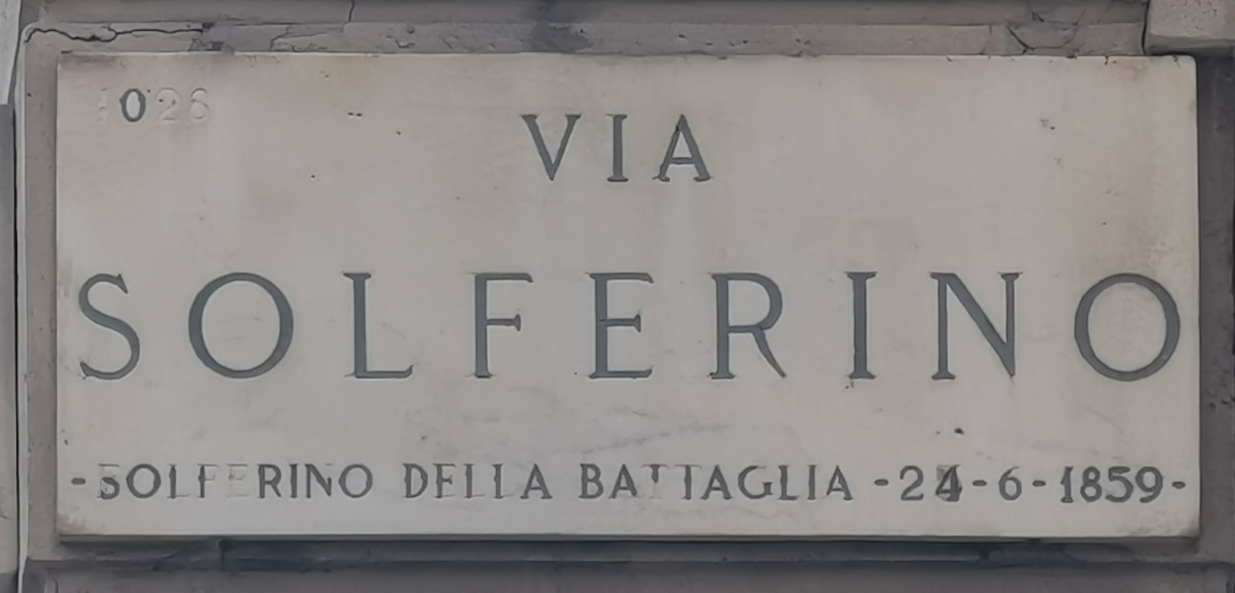
In the winter of 1928, supported by industrialist Gianni Mazzocchi (1906–1984), Ponti incorporated Editoriale Domus on Via Solferino in Milan. On 15 January 1928, the first issue of Domus: Architettura e arredamento dell’abitazione moderna in città e in campagna arrived on newsstands. The editorial goal was daringly holistic: to teach Italians how to dwell modernly, harmonizing furniture, ceramics, fabrics, lighting, and fine art into a joyous, sunny Mediterranean unity.
The house as an integrated work of art
Ponti rejected the grey functionalism of the German Bauhaus. To Ponti, modernism did not mean sterile asceticism; it meant lightness, colour, and elegance. Through the pages of *Domus*, he introduced Italians to the porcelain of Richard Ginori (where he served as artistic director), the blown glass of Venini in Murano, the joinery of Cassina in Brianza, and the lighting of FontanaArte.
Ponti turned *Domus* into a collaborative laboratory for the greatest creative minds of the twentieth century. Carlo Mollino, Franco Albini, Piero Fornasetti, Ettore Sottsass, and Le Corbusier wrote essays, drew floorplans, and designed covers for the magazine. When Mazzocchi launched companion titles like Quattroruote (1956), Editoriale Domus became the premier publishing temple of Italian industrial civilization.
A century of design literacy
Under a succession of legendary guest editors—including Alessandro Mendini, Mario Bellini, Deyan Sudjic, and Norman Foster—*Domus* preserved its uncompromising architectural authority. It did not merely document design; it actively provoked and shaped it, establishing the vocabulary that turned Milan into the design capital of the world.
Today, still managed by the descendants of Gianni Mazzocchi (the Giovannini family), the publishing house operates from a sprawling campus in Rozzano, conserving one of the most comprehensive design archives on earth.
What remains today
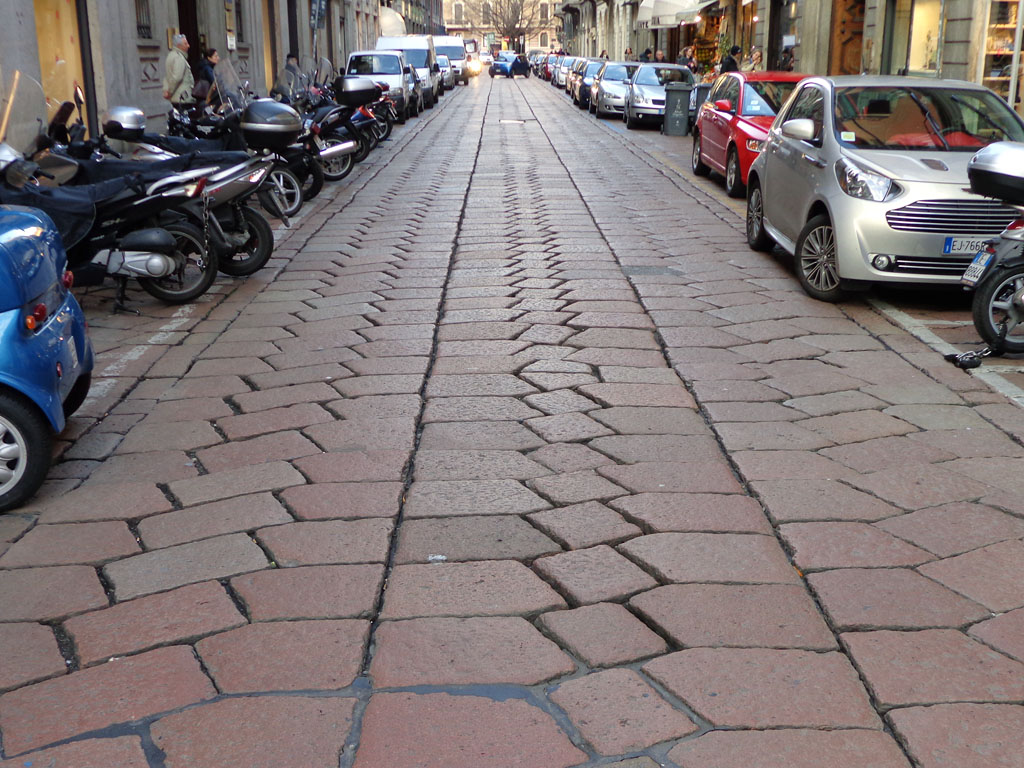
The legacy of Editoriale Domus is visible across the skyline and living rooms of modern Italy. Gio Ponti’s greatest architectural masterpiece—the Grattacielo Pirelli (1956–1960) beside Milan’s Central Station—epitomizes the structural diamond-lightness he preached in his columns for decades. In Brera, the historic paving stones of Via Solferino still evoke the incandescent moment when an architect sat down at a drafting board with a printing press to teach the world that living beautifully was the highest of the arts.
Historic Views & Archives
From the Archives: Historical Newsreels
I lavori per la preparazione della V Triennale delle arti decorative e dell’architettura
Historic newsreel documenting the construction and preparation of the Palazzo dell’Arte in Milan for the Triennale of decorative arts and modern architecture, an event championed by Gio Ponti and Editoriale Domus.
Visiting the Site: Street View & Modern Geography
Via Solferino 11 lies in the heart of Brera, the historic journalistic and intellectual precinct of Milan. Here, in the shadow of the Corriere della Sera, Gio Ponti gathered architects, ceramicists, and graphic designers to write the manifesto of modern Italian habitation.
Historic Address: Via Solferino 11, 20121 Milano, Italy
Sources
- Editoriale Domus, L’archivio storico di Domus: 1928–2028, Rozzano, 2028
- Dizionario Biografico degli Italiani (Treccani), entry on Giovanni (Gio) Ponti (Vol. 84)
- Fulvio Irace, Gio Ponti: La casa all’italiana, Milan, Electa, 1988
- Gianni Mazzocchi, Editore per vocazione: Ricordi di un secolo di stampa periodica, Milan, Editoriale Domus, 1984