The industrial evolution of electrochemicals and synthetic resins in the Ossola Valley.
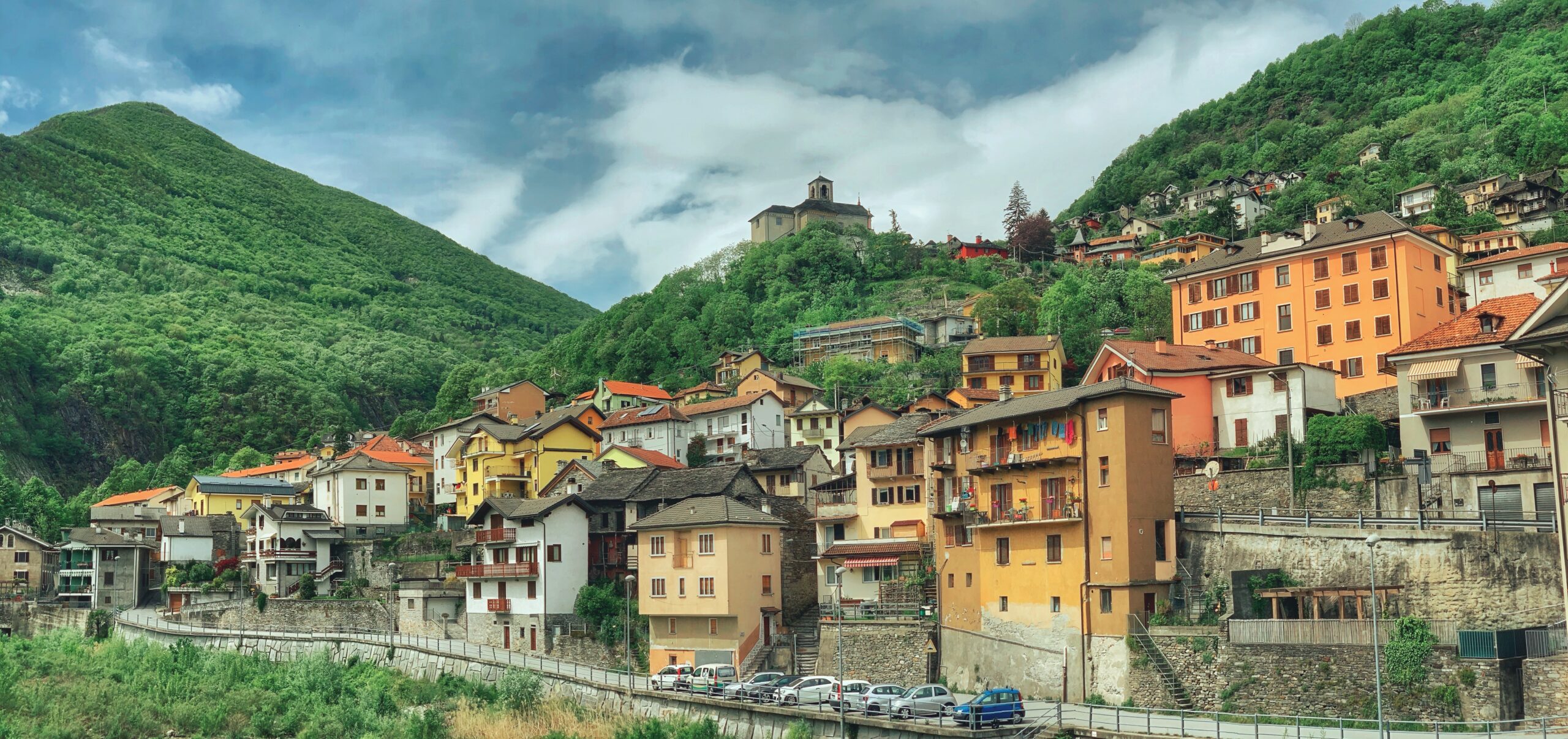
Founded in 1918 in Villadossola, the Società Elettrochimica del Toce leveraged Alpine hydroelectric power to manufacture calcium carbide, eventually evolving into a major center for polyvinyl acetate production.
Harnessing Alpine Power for Chemistry
The Società Elettrochimica del Toce was established in 1918 in Villadossola, located in the Ossola Valley, as a joint venture between the Società Elettrica del Toce (SET) and the Società Italiana Potassa (SIPS). The plant was strategically sited along the Toce river to directly utilize the abundant and inexpensive hydroelectric power necessary for energy-intensive electrochemical processes. The facility’s primary output was calcium carbide, a crucial industrial compound used to generate acetylene gas for welding, lighting, and as a foundational building block for organic chemical synthesis. This massive industrial installation brought significant employment to the valley, employing approximately 750 workers by 1943, and establishing Villadossola as a critical node in Northern Italy’s heavy chemical sector.
Evolution towards Resins and Adhesives
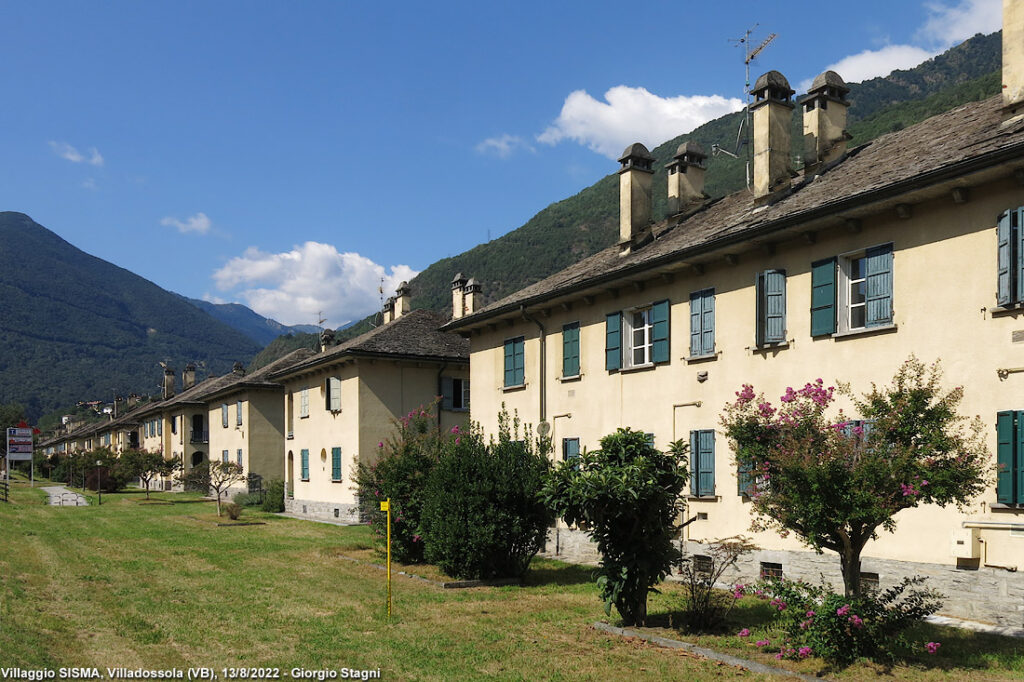
The history of the Villadossola plant is characterized by continuous corporate and technological evolution. In 1928, the chemical giant Montecatini acquired a controlling interest in the company. The following year, a strategic partnership with the French firm Rhône-Poulenc led to the creation of Rhodiaceta, expanding the group’s regional footprint with a new facility in Pallanza dedicated to cellulose acetate. The Villadossola plant itself underwent a profound technological shift in 1942, when it began the experimental production of polyvinyl acetate. This innovation would ultimately define the site’s future; the resulting synthetic resin emulsion, commercialized under the trademark VINAVIL starting in 1952, became one of Italy’s most famous commercial adhesives. Today, the historic site remains an active, high-threshold Seveso chemical plant, continuing its long industrial legacy under the ownership of the Mapei group.
Sources
- S1 — Vinavil S.p.A. (Gruppo Mapei, erede dello stabilimento di Villadossola), «La Storia» — https://www.vinavil.com/it/it/chi-siamo/la-storia
- S2 — Comune di Villadossola, *Documento tecnico di verifica preventiva di assoggettabilità alla V.A.S.* (storia industriale del paese) — https://www.comune.villadossola.vb.it/it-it/download/documento-tecnico-di-verifica-preventiva-di-assoggettabilita-alla-v-a-s-103369-9-246-6e0b8663fba5beea6ef66bd9e29feeb0
- S3 — Prefettura di Verbano-Cusio-Ossola, *Piano di Emergenza Esterna — Stabilimento VINAVIL S.p.A., Villadossola*, ed. 2026 — https://prefettura.interno.gov.it/sites/default/files/102/2026-07/pee-definitivo.pdf
- S4 — Comune di Villadossola, «Villaggio SISMA» (scheda patrimonio locale) — https://www.comune.villadossola.vb.it/it-it/vivere-il-comune/cosa-vedere/villaggio-sisma-30088-1-528d0a0621ccec40ebb6144a86e90eeb
- S5 — Treccani, *Dizionario Biografico degli Italiani*, «TOFANI, Giovanni» (A. Giuntini, vol. 95, 2019) — https://www.treccani.it/enciclopedia/giovanni-tofani_(Dizionario-Biografico)/
- S6 — Berta, Giuseppe. L'Italia delle fabbriche. Il Mulino, 2001. ISBN 978-88-15-25257-9.
Spotted an error? Write to editorial@culturalheritageonline.com and we correct it the same day.