Three major artistic movements shaped European and international design in the late 19th and early 20th centuries: Art Deco, Art Nouveau, and Italian Liberty. Each developed distinct visual languages and left lasting marks on architecture, interior design, and the decorative arts.
Art Deco (1920–1939)
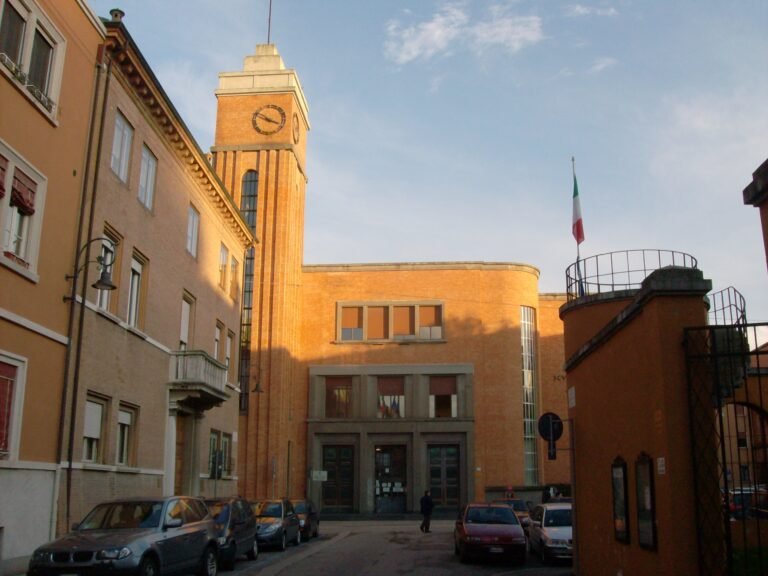
Art Deco emerged after the First World War as a reaction to the austerity of the preceding period. The movement spread internationally across Europe, the United States, and Latin America. It is defined by geometric forms, squared lines, exotic motifs, and the use of luxurious materials including brass, glass, and marble. Art Deco found expression in architecture, furnishings, fashion, and decorative arts.
Art Nouveau (circa 1890–1910)
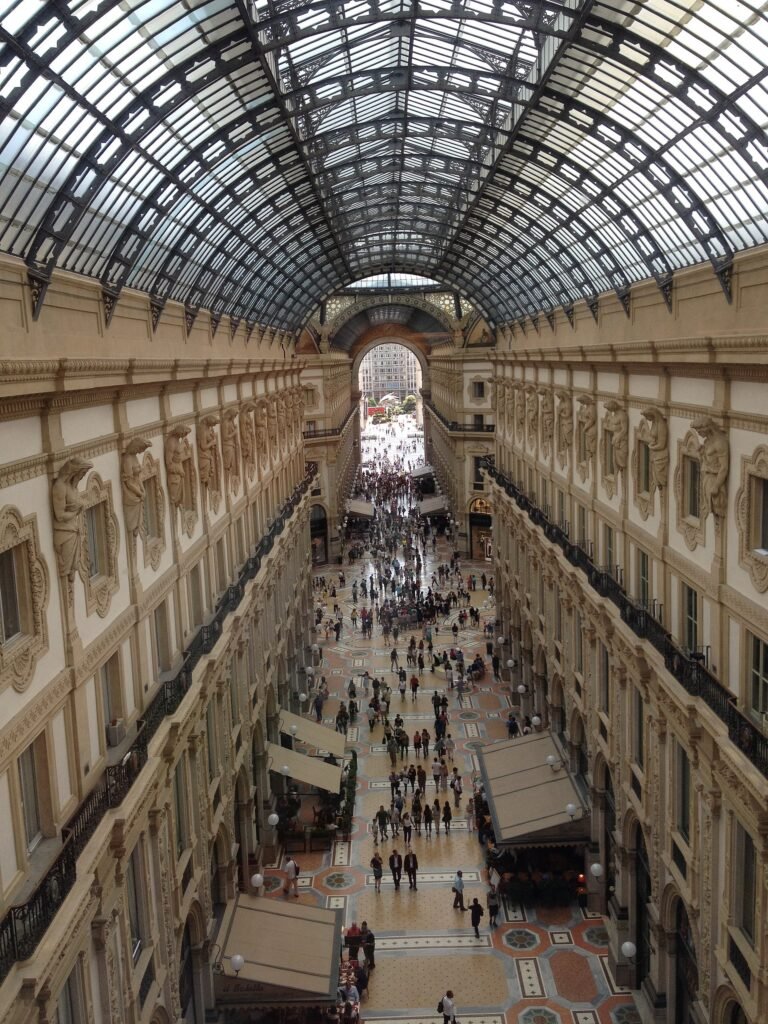
Art Nouveau developed in the late 19th century and dominated the opening decade of the 20th. The style spread primarily across Europe, with significant centres in Belgium, France, Spain, and Austria. It is characterized by fluid lines, sinuous forms, and motifs drawn from nature—flowers, leaves, and organic curves. Art Nouveau practitioners sought to bridge art and everyday life through architecture, interior design, fine art, and decorative arts.
Italian Liberty (circa 1890–1910)
Italian Liberty, also called Floreale style, developed as Italy’s response to European Art Nouveau. Originating in Turin, Milan, and Naples, it spread widely across Italy. The style employs naturalistic motifs, sinuous forms, and decorative details inspired by flora and fauna. Italian Liberty significantly influenced Italian architecture, furnishings, ceramics, stained glass, and decorative arts.
Key Distinctions
Art Deco prioritizes geometric lines and exotic decoration. Art Nouveau emphasizes sinuous forms and natural inspiration. Italian Liberty focuses on floral motifs and organic shapes. Each movement made substantial contributions to art, architecture, and design, establishing the aesthetic character of distinct periods and regions.
Frequently asked questions
What are the main visual characteristics that distinguish Art Deco from Art Nouveau?
Art Deco features geometric forms, squared lines, and exotic motifs using luxury materials, while Art Nouveau is defined by fluid lines, sinuous curves, and organic natural forms like flowers and leaves.
Where did Italian Liberty originate and how did it differ from European Art Nouveau?
Italian Liberty originated in Italy, particularly in Turin, Milan, and Naples, and developed as a response to European Art Nouveau. It emphasizes naturalistic motifs and floral decoration characteristic of the Floreale style.
During which periods were these three movements active?
Art Nouveau and Italian Liberty were both active from approximately 1890 to 1910, while Art Deco flourished from 1920 to 1939.
Sources
- S1 — Bossaglia, Rossana. Il Déco italiano: fisionomia dello stile 1925. Rizzoli, 1988. ISBN 978-88-17-24017-8.
- S2 — Bossaglia, Rossana. Il Liberty in Italia. Charta, 1997. ISBN 978-88-8158-129-0.
Spotted an error? Write to editorial@culturalheritageonline.com and we correct it the same day.