

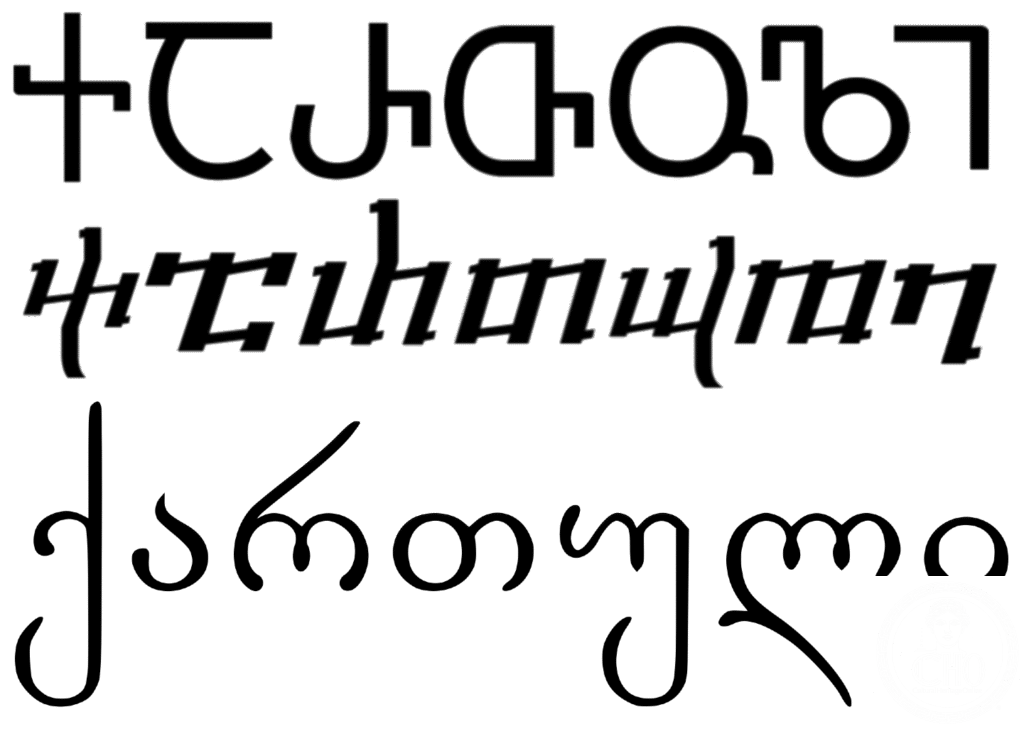
Living Culture of the Three Georgian Writing Systems
Three distinct Georgian writing systems—Asomtavruli, Nuskhuri, and Mkhedruli—preserve liturgical and everyday communication, each visually unique yet…

Three distinct Georgian writing systems—Asomtavruli, Nuskhuri, and Mkhedruli—preserve liturgical and everyday communication, each visually unique yet…
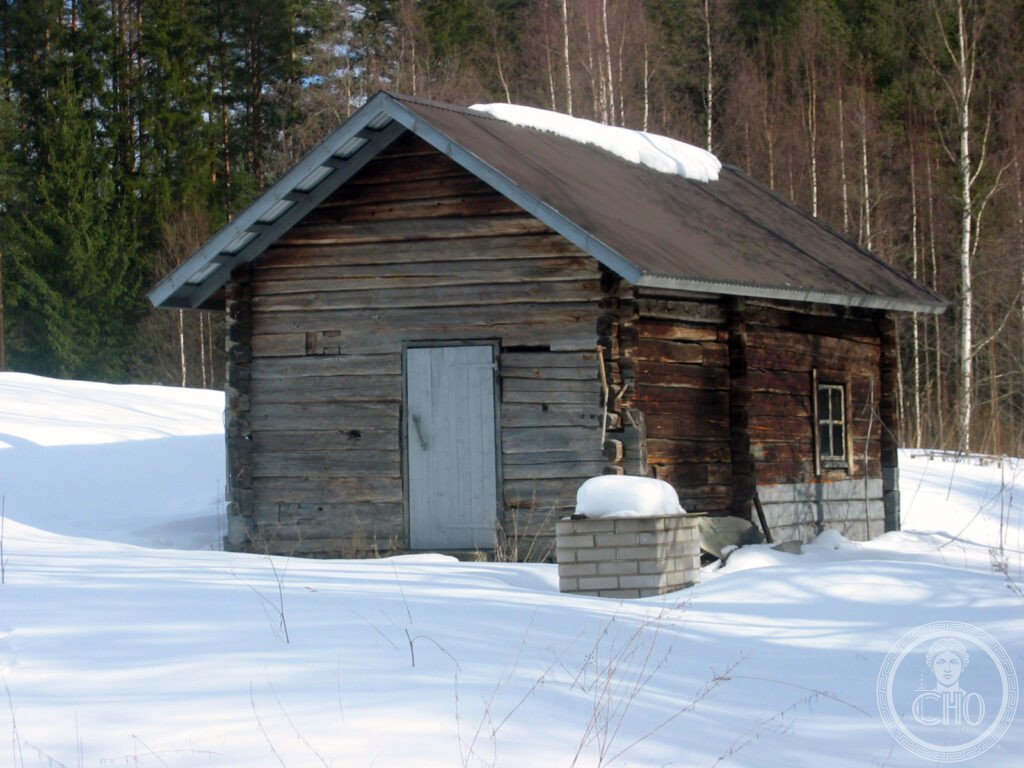
Finnish sauna culture is a thermal ritual of heat, wood, and water—used for hygiene, healing, and community—inscribed on UNESCO’s Intangible Cultural…
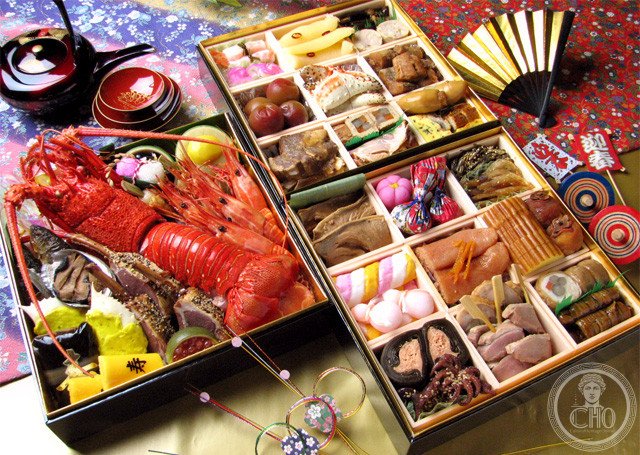
Washoku is Japan’s traditional cuisine, built on rice, miso soup, and seasonal seafood.
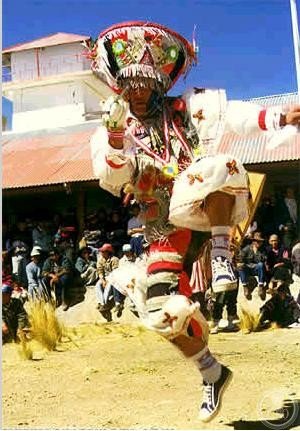
A visceral Andean performance where two dancers compete in turns, executing acrobatic steps while accompanied by violin and harp, rooted in Chanka…

Where the apple comes from: the Western Tien-Shan’s wild fruit forests, tulip meadows and snow-leopard heights, shared by three republics on one 2016 UNESCO listing.

Venice’s gunpowder-age armour down the Adriatic: Zadar’s bastions, the sea-fortress of Šibenik and Kotor’s cliff-climbing walls — the maritime half of the 2017 UNESCO listing.

A sea with no exit and every Eurasian biome around it: Uvs Nuur, the Mongolian–Tuvan basin where dunes, steppe, taiga and glacier share one horizon, listed since 2003.

The forest the Ice Ages missed: ironwoods and relict oaks along the Caspian shore, shared since 2023 by Iran and Azerbaijan on one UNESCO listing.

Deserts that freeze: the Turan drylands of Kazakhstan, Turkmenistan and Uzbekistan, listed in 2023 — an Aral ghost island, a century-old sand laboratory and the red Kyzylkum.

Seventy thousand carved tombstones that four countries now share on one UNESCO listing: the stećci, visited through Radimlja’s horsemen, Ottoman Stolac and Serbia’s Mramorje.