
A thermal ritual woven into daily life, Finnish sauna culture transforms heat, wood, and water into a practice of hygiene, social bonding, and wellbeing that has shaped Nordic identity for centuries.
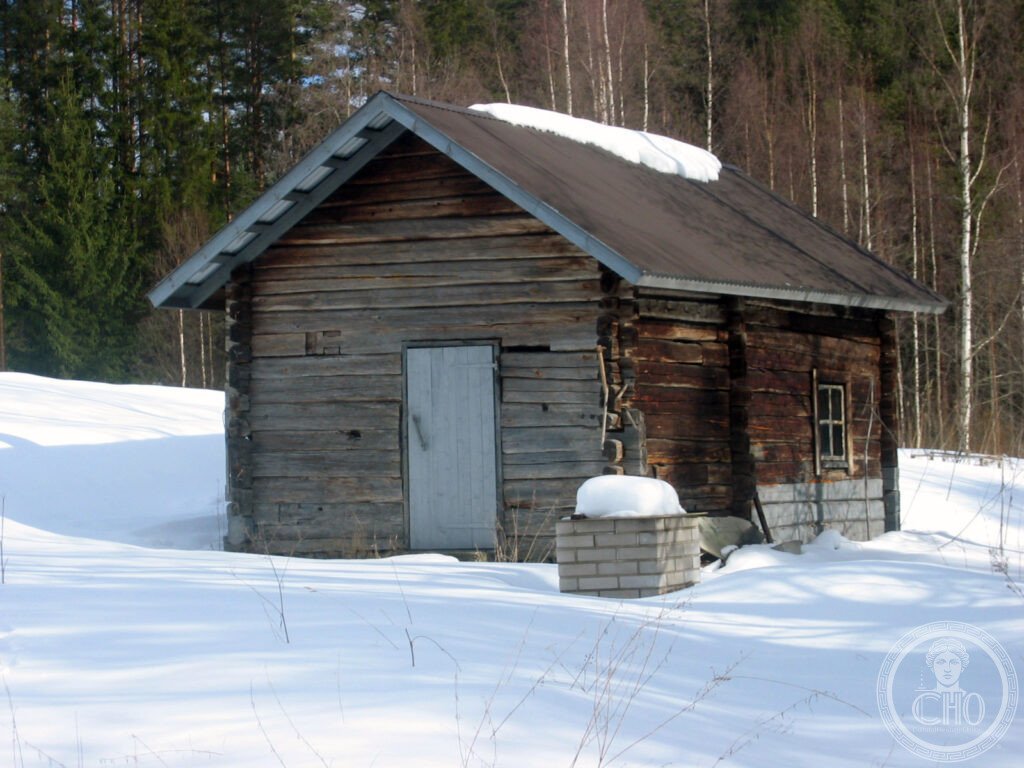
In UNESCO’s words
Sauna culture in Finland is an integral part of the lives of the majority of the Finnish population. Sauna culture, which can take place in homes or public places, involves much more than simply washing oneself. In a sauna, people cleanse their bodies and minds and embrace a sense of inner peace. Traditionally, the sauna has been considered as a sacred space – a ‘church of nature’. At the heart of the experience lies löyly, the spirit or steam released by casting water onto a stack of heated stones. Saunas come in many forms – electric, wood-heated, smoke and infra-red. Approaches vary too, with no hierarchy among them. Sauna traditions are commonly passed down in families and though universities and sauna clubs also help share knowledge. With 3.3 million saunas in a country of 5.5 million inhabitants, the element is readily accessible to all. Traditional public saunas in the cities almost disappeared after the 1950s. In recent years, new public saunas have been constructed thanks to private initiatives.
Official description, UNESCO Intangible Cultural Heritage List — Sauna culture in Finland
At a glance
Finnish sauna culture is a cleansing practice that goes far beyond washing. In saunas—found in homes and public spaces—people cleanse both body and mind while seeking inner peace. The tradition is considered a sacred space, sometimes called a 'church of nature'. The essential element is löyly, the steam created by pouring water onto heated stones. Saunas take many forms: electric, wood-heated, smoke, and infra-red, with no hierarchy among these different approaches.
Origins & history
Sauna traditions have been passed down through families for generations, though universities and sauna clubs also transmit knowledge. Public saunas were once common in cities but largely disappeared after the 1950s. In recent years, private initiatives have led to the construction of new public saunas. With 3.3 million saunas in a country of 5.5 million people, the practice remains accessible to virtually all.
The practice
A sauna session involves heating stones and pouring water over them to create steam in an enclosed space. People sit on benches—sometimes holding birch branches—and move between the heat of the sauna and cool water or air outside. The practice is typically social, bringing families and friends together to bathe, talk, and share meals prepared nearby. Cold water immersion often complements the heat experience.
Cultural significance
Sauna culture forms an integral part of life for the majority of Finland's population. The practice serves as a space for cleansing the body and mind, offering a sense of inner peace and representing what many view as sacred ground. The accessibility of saunas to nearly everyone reinforces their importance as a shared cultural practice woven into the everyday and ceremonial aspects of Finnish life.
Key facts
- Country: Finland
- Inscribed: 2020
- UNESCO list: Representative List of the Intangible Cultural Heritage of Humanity
- UNESCO reference: 01596
- UNESCO vocabulary: Heating; Hygiene
- Map: not shown — UNESCO’s official description of this element names no locality, and a living tradition is practised across a community, not at one address.
Where to experience it
Sauna culture flourishes throughout Finland, where approximately 3.3 million saunas serve a population of 5.5 million—making the tradition readily accessible to nearly everyone. While traditional public saunas in cities largely disappeared after the 1950s, new public saunas have recently been established through private initiatives. Visitors can experience löyly, the sacred steam released by casting water onto heated stones, in family saunas, community bathing houses, or newly reopened public establishments. Universities and sauna clubs actively share knowledge alongside family traditions, ensuring that this foundational practice remains woven into both urban and rural Finnish life.
Sources & resources
- UNESCO — official element page: Sauna culture in Finland
- UNESCO — open data record: Intangible Heritage List, reference 01596
- UNESCO — official photograph: Kaupinoja sauna, Tampere, Avanto, winter, winterswimming, snow — Alexander Lembke, 2016
- Reference — Wikipedia (secondary): Finnish sauna — consulted as a secondary reference, not as confirmation
- Cultural Heritage Online: Our archive and city guides

Sources
- S1 — Aaland, Mikkel. Sweat: The Illustrated History and Description of the Finnish Sauna, Russian Bania, Islamic Hammam, Japanese Mushi-Buro, and Mexican Temescal. Capra Press, 1978. ISBN 978-0-88496-124-6.
- S2 — Singleton, Fred. A Short History of Finland. Cambridge University Press, 1998. ISBN 978-0-521-64701-4.
Spotted an error? Write to editorial@culturalheritageonline.com and we correct it the same day.