
Washoku is the culinary practice of Japan, built around rice, miso soup, and seasonal ingredients. Refined over centuries through cultural exchange and social change, it reflects the Japanese philosophy of balance, simplicity, and respect for nature’s rhythms.
In UNESCO’s words
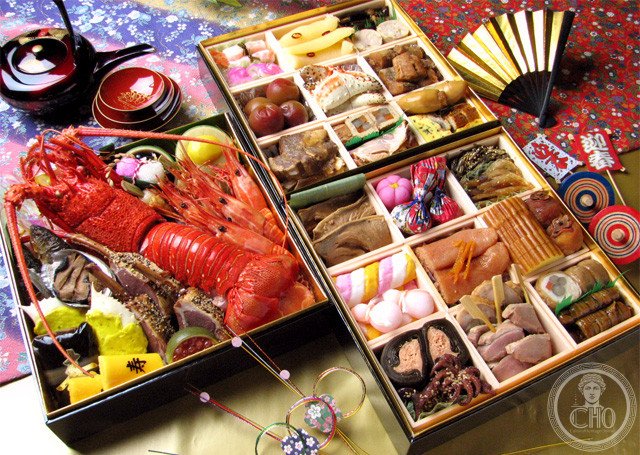
Washoku is a social practice based on a set of skills, knowledge, practice and traditions related to the production, processing, preparation and consumption of food. It is associated with an essential spirit of respect for nature that is closely related to the sustainable use of natural resources. The basic knowledge and the social and cultural characteristics associated with Washoku are typically seen during New Year celebrations. The Japanese make various preparations to welcome the deities of the incoming year, pounding rice cakes and preparing special meals and beautifully decorated dishes using fresh ingredients, each of which has a symbolic meaning. These dishes are served on special tableware and shared by family members or collectively among communities. The practice favours the consumption of various natural, locally sourced ingredients such as rice, fish, vegetables and edible wild plants. The basic knowledge and skills related to Washoku, such as the proper seasoning of home cooking, are passed down in the home at shared mealtimes. Grassroots groups, schoolteachers and cooking instructors also play a role in transmitting the knowledge and skills by means of formal and non-formal education or through practice.
Official description, UNESCO Intangible Cultural Heritage List — Washoku, traditional dietary cultures of the Japanese, notably for the celebration of New Year
At a glance
Washoku is a social practice centred on the production, preparation and sharing of food, rooted in respect for nature and the sustainable use of natural resources. It encompasses the skills, knowledge and traditions that guide how food is sourced, processed and eaten. The practice favours natural, locally sourced ingredients—rice, fish, vegetables and edible wild plants—and values the symbolic meaning of each dish. Meals are served on special tableware and shared among family members or within communities.
Origins & history
The basic knowledge and skills of Washoku have been passed down through generations within homes at shared mealtimes. Grassroots groups, schoolteachers and cooking instructors have also played a role in transmitting this knowledge through both formal and non-formal education and through practice.
The practice
Washoku practice is evident in how ingredients are selected, prepared and presented. Practitioners focus on proper seasoning and the use of fresh, locally available natural resources. Dishes are carefully prepared and beautifully decorated, each element carrying symbolic meaning. The food is then served on special tableware and shared, whether among family members gathered at a meal or collectively throughout a community.
Cultural significance
Washoku's essential spirit of respect for nature connects the practice to sustainable resource use. The tradition is particularly visible during New Year celebrations, when communities and families prepare special meals and decorated dishes to welcome the deities of the incoming year. These practices anchor cultural identity and reinforce the bonds between people through shared eating.
Key facts
- Country: Japan
- Inscribed: 2013
- UNESCO list: Representative List of the Intangible Cultural Heritage of Humanity
- UNESCO reference: 00869
- UNESCO vocabulary: Food customs; Food preparation
- Map: not shown — UNESCO’s official description of this element names no locality, and a living tradition is practised across a community, not at one address.
Where to experience it
Washoku is practised daily in Japanese homes and restaurants of all kinds throughout Japan, from humble noodle shops to refined kaiseki establishments. The tradition is most visibly celebrated during New Year, when families and communities prepare special symbolic dishes together, passing down knowledge and skills through shared mealtimes. Grassroots groups, schoolteachers, and cooking instructors transmit these techniques through formal classes and community practice, ensuring that the fundamental principles of seasonal, locally sourced ingredients and respect for nature continue across generations.
Sources & resources
- UNESCO — official element page: Washoku, traditional dietary cultures of the Japanese, notably for the celebration of New Year
- UNESCO — open data record: Intangible Heritage List, reference 00869
- UNESCO — official video: UNESCO film on this element — embedded on this page
- UNESCO — official photograph: Photograph of this element — Ichinoseki City, Honedera-Syoen Office, Commerce, Industry & Labour Department — Ichinoseki City, 2011
- Reference — Wikipedia (secondary): Japanese cuisine — consulted as a secondary reference, not as confirmation
- Cultural Heritage Online: Our archive and city guides
