
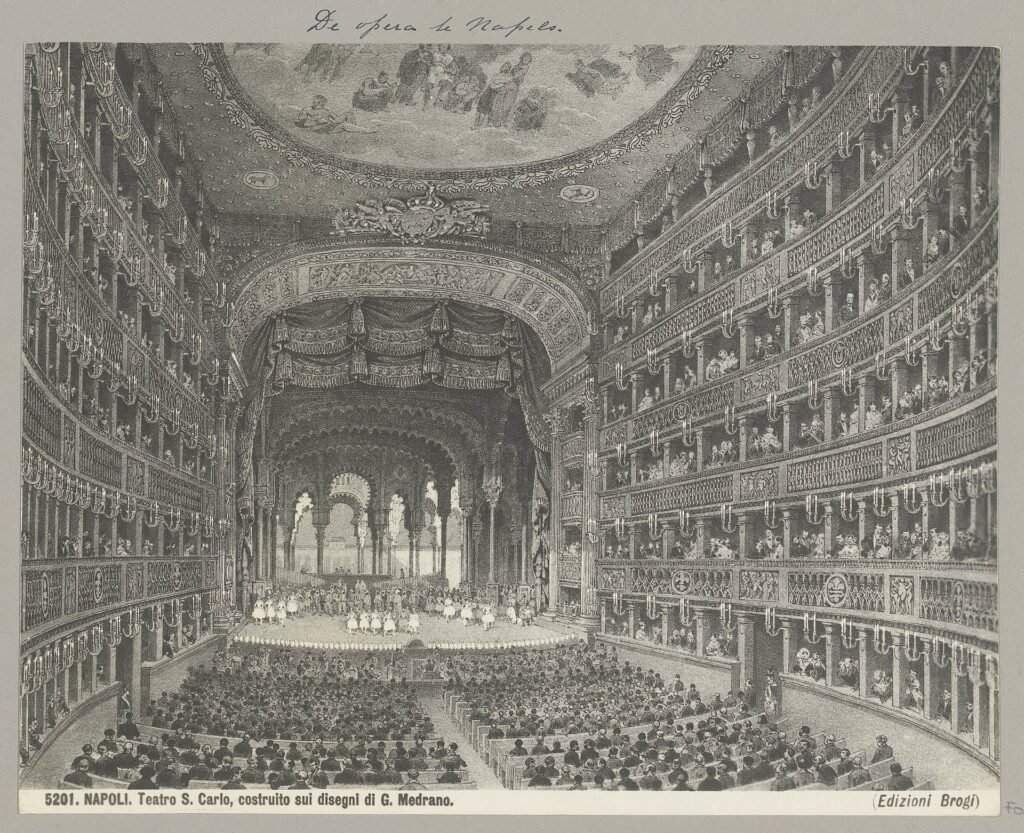
Safeguarding Intangible Heritage: Local Traditions
Local traditions carry a community’s identity as living practice: UNESCO’s intangible cultural heritage of language, festivals, crafts, music, and knowledge.

Local traditions carry a community’s identity as living practice: UNESCO’s intangible cultural heritage of language, festivals, crafts, music, and knowledge.
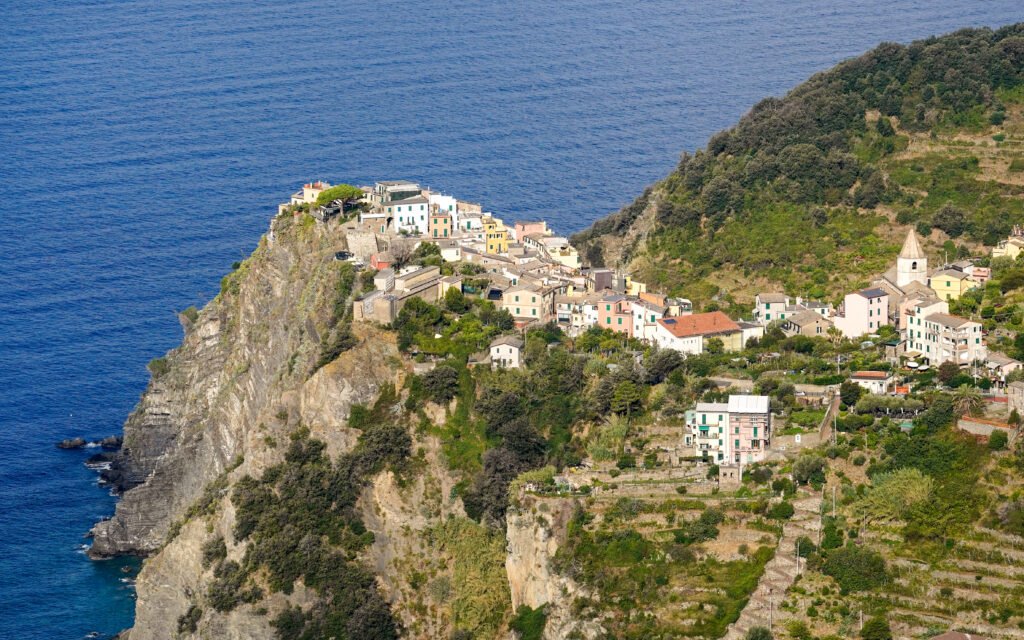
Experience Italy’s heritage without the crowds: slow travel means fewer sites, more time, and routes built from sourced data and exportable maps, not top-ten lists.
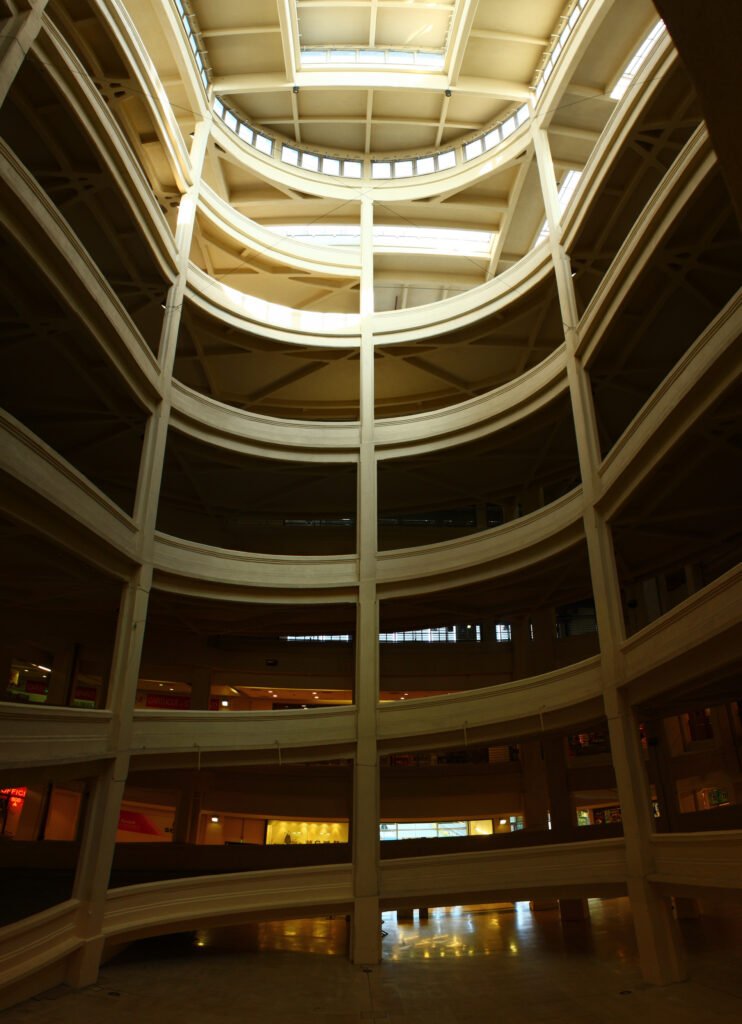
Cultural heritage drives local economies through tourism, skilled jobs, and regeneration. How culture becomes an engine for development, with Italian examples.
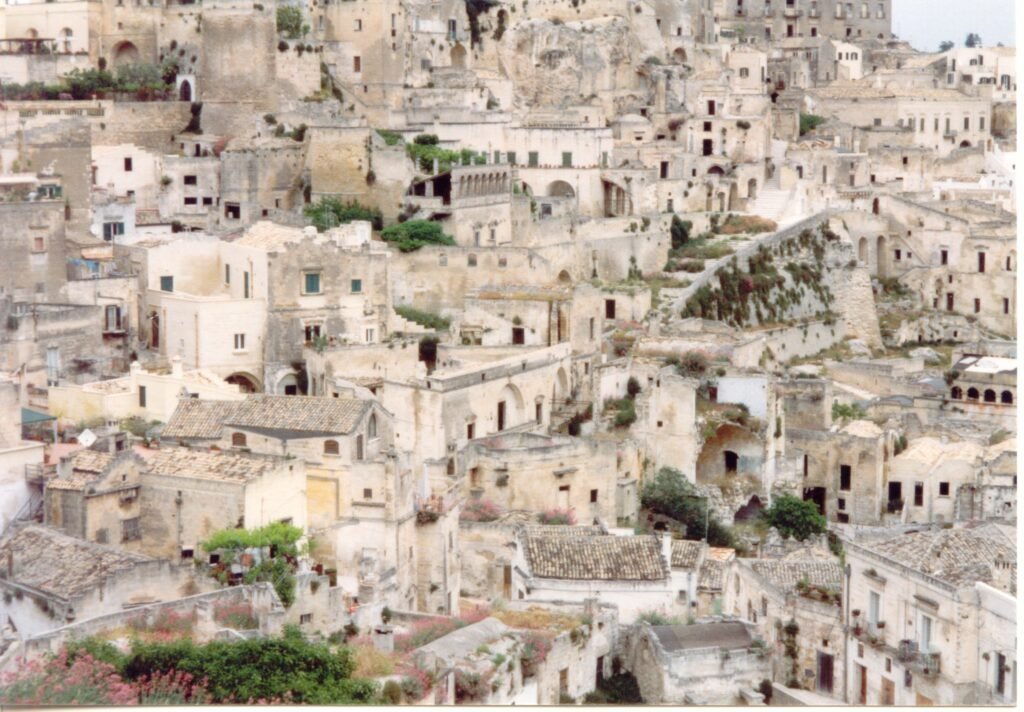
Cultural heritage is the inheritance of physical artefacts and intangible traditions a society keeps and passes on: monuments, art, language, ritual, and craft.

Italian Liberty is Italy’s name for Art Nouveau (c.1890–1915): floral ornament, polychrome ceramic, wrought iron and sculpted stone. A short, sourced answer.
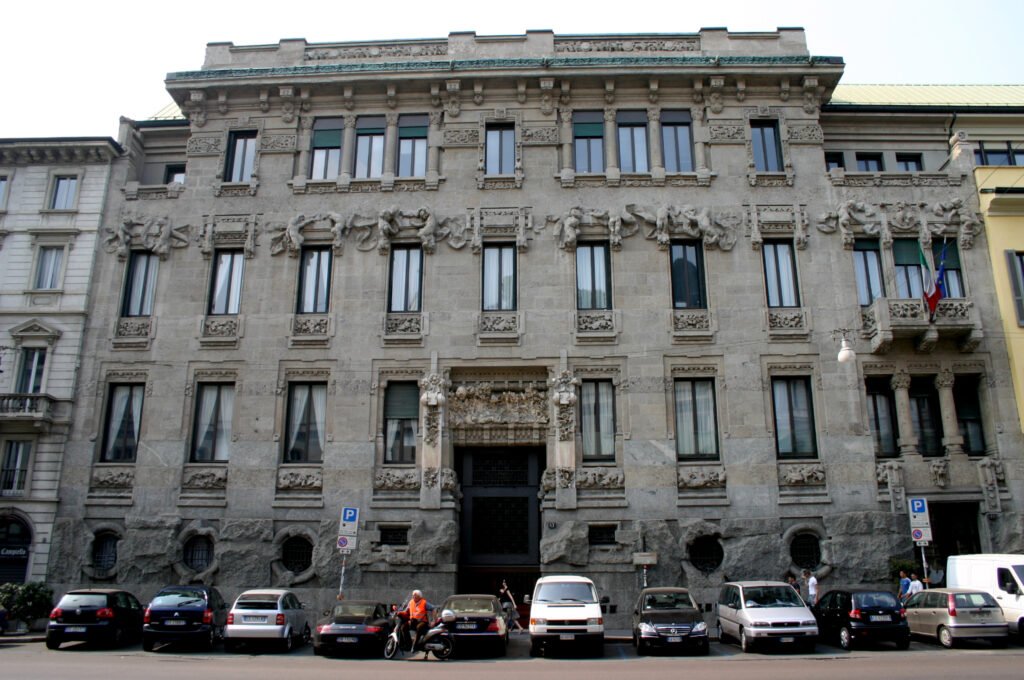
The five architects who shaped Italian Liberty: Sommaruga, Basile, Fenoglio, D’Aronco and Coppede. Who they were, their key buildings, and where to see them.
Milan holds the densest concentration of Italian Liberty (Art Nouveau) architecture in the country, clustered in the Porta Venezia quarter. A building-by-building walking guide.
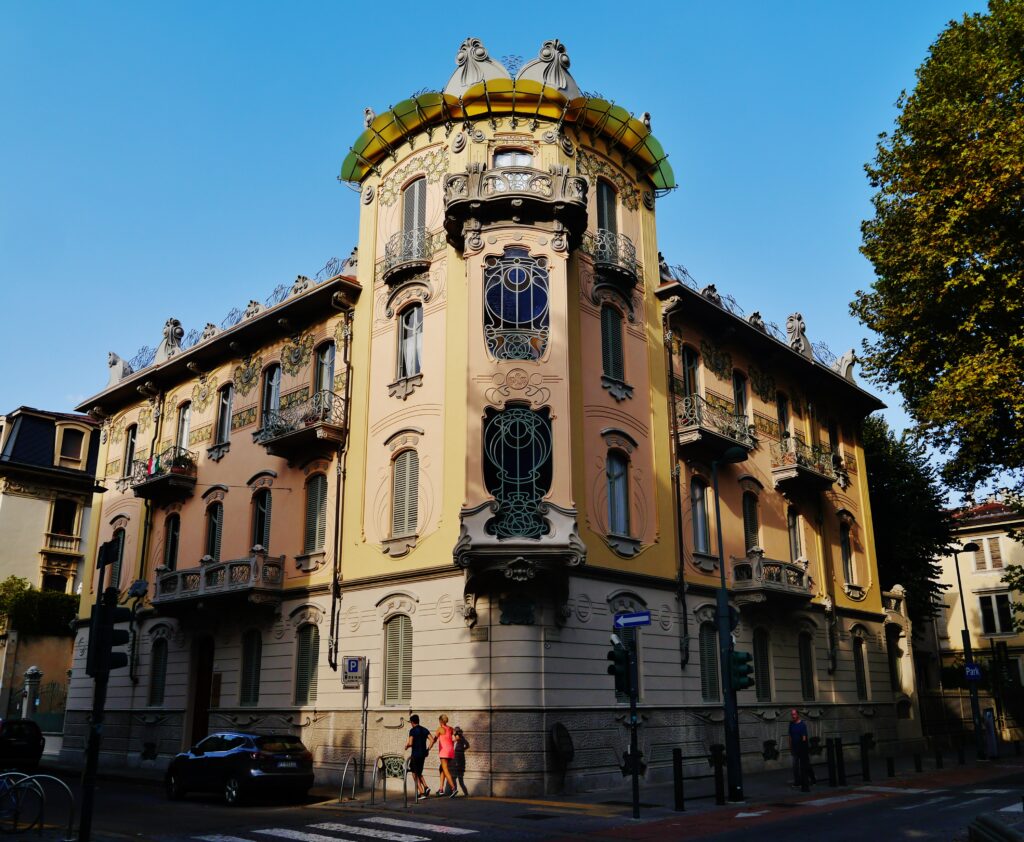
Turin hosted the 1902 exhibition that defined Liberty as Italy’s Art Nouveau, and its streets still hold the country’s most intact Liberty fabric. A guide to the city and its master architect.

Palermo did not borrow Italian Liberty — it built its own. A guide to Ernesto Basile’s masterworks and the Florio dynasty that funded Sicily’s Belle Époque.
Italian Liberty is Italy’s Art Nouveau: floral ornament, polychrome ceramic, wrought iron, 1890-1915. The architects, the cities, and where to see it.