

UNESCO World Heritage Sites in Angola: Guide
Angola has one UNESCO World Heritage Site — a single inscription that carries the weight of an entire civilisation. Mbanza Kongo, the ancient capital of the…

Angola has one UNESCO World Heritage Site — a single inscription that carries the weight of an entire civilisation. Mbanza Kongo, the ancient capital of the…
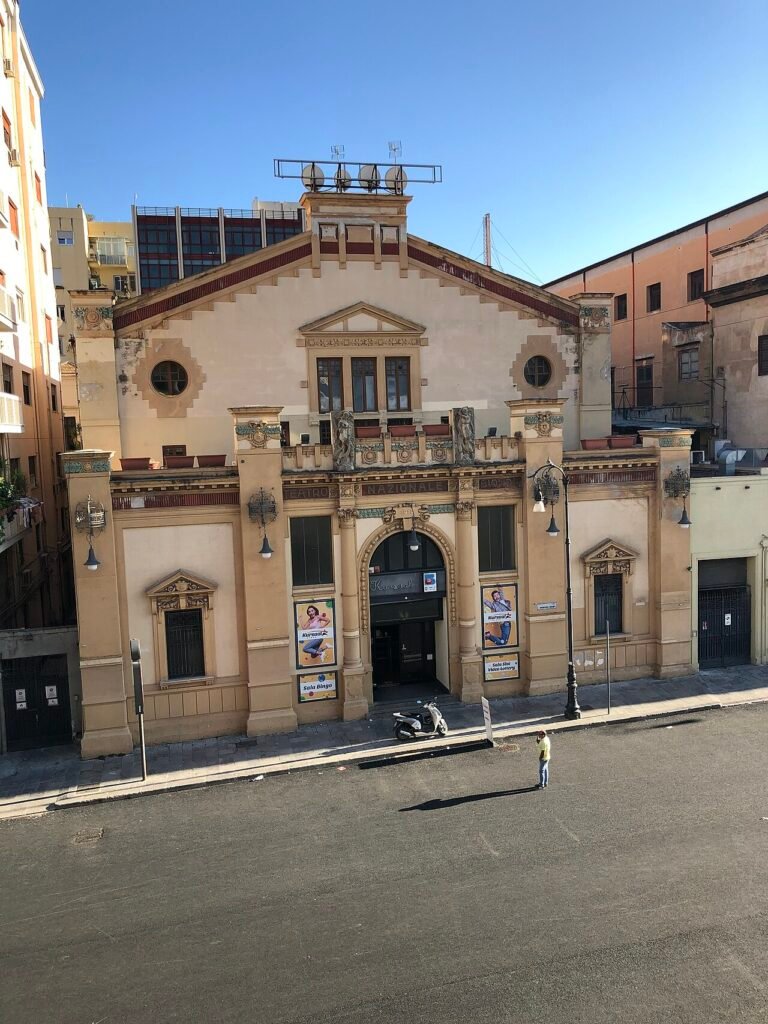
Palermo produced one of Europe’s finest chapters of Art Nouveau, shaped by architect Ernesto Basile and financed by the Florio dynasty — this walking guide covers four surviving Liberty buildings, from a grand waterfront hotel to a pleasure complex.
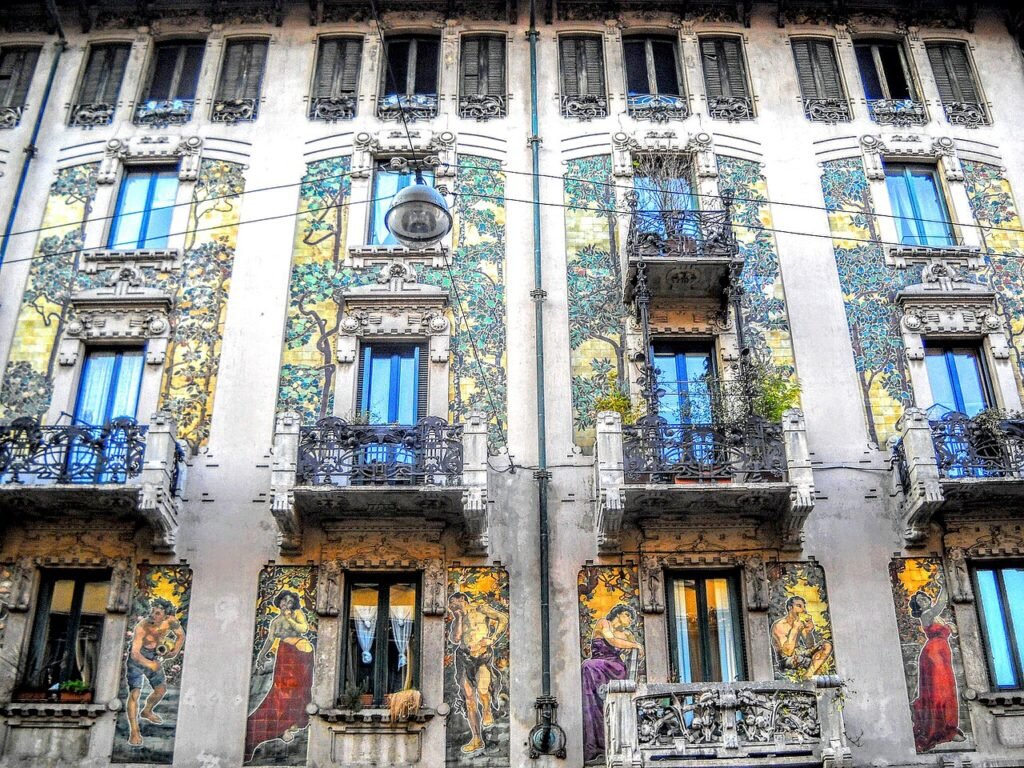
A walking guide to Milan’s Liberty architecture — the Italian Art Nouveau — anchored on Giuseppe Sommaruga’s Palazzo Castiglioni, the tiled façades of Porta Venezia, and the ironwork of Alessandro Mazzucotelli.
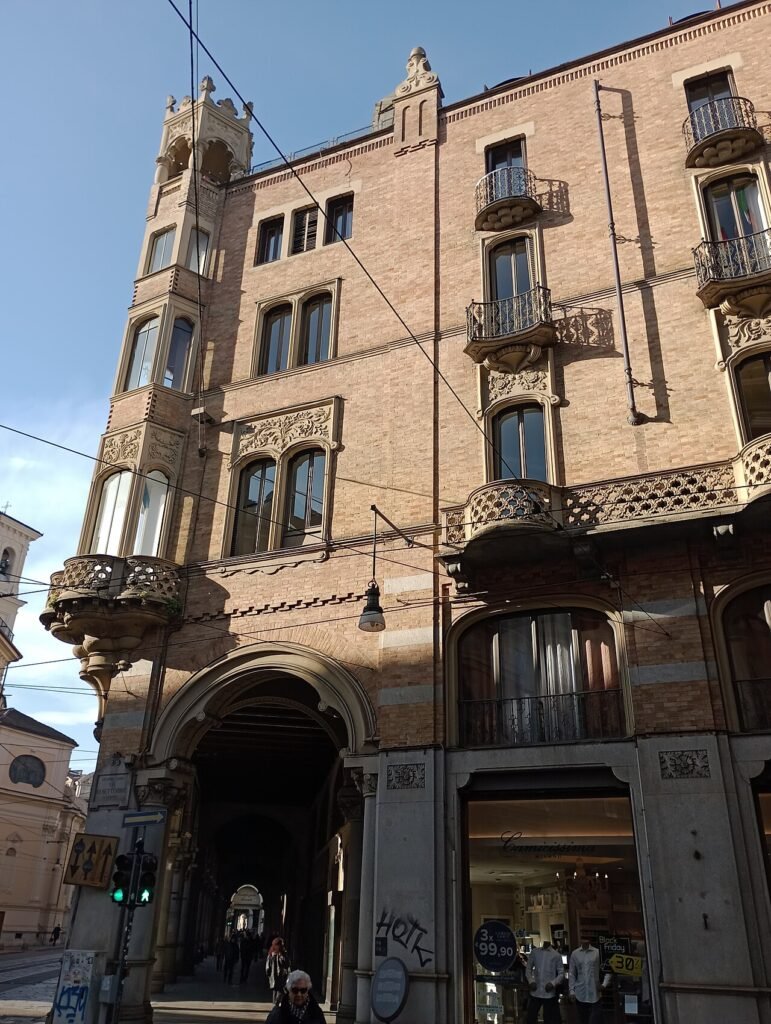
A walking guide to Turin’s Stile Liberty architecture, tracing Pietro Fenoglio’s own house, two Po hill villas, an early eclectic palazzo, and the 1902 Exposition that launched Italian Art Nouveau across the city’s best-preserved Liberty district.

A walking guide to Modernista Barcelona through its three masters — Gaudí, Domènech i Montaner and Puig i Cadafalch — from the Block of Discord to the Sagrada Família, with every building linked to its CHO place card.
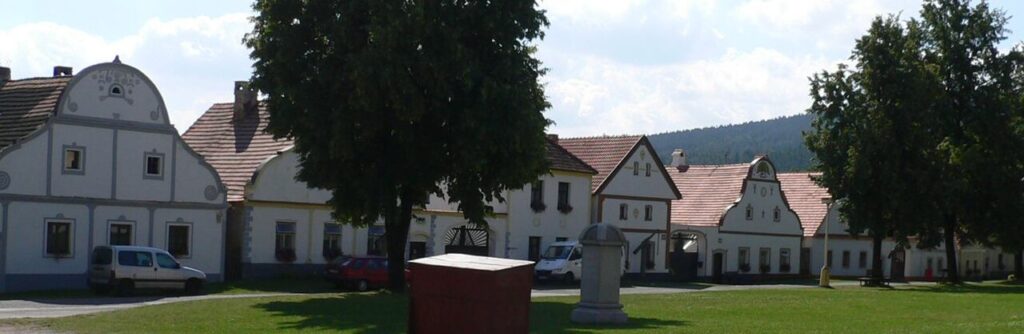
The Czech Republic’s 17 UNESCO World Heritage Sites range from medieval royal towns and a Mies van der Rohe villa to a Baroque hop landscape and a fragment of Europe’s ancient beech forest — one of Central Europe’s most varied heritage lists.

Poland’s 17 UNESCO World Heritage Sites range from the medieval royal city of Kraków and a vast prehistoric flint mine to the last primeval lowland forest in Europe and a concentration camp that stands as a permanent warning.
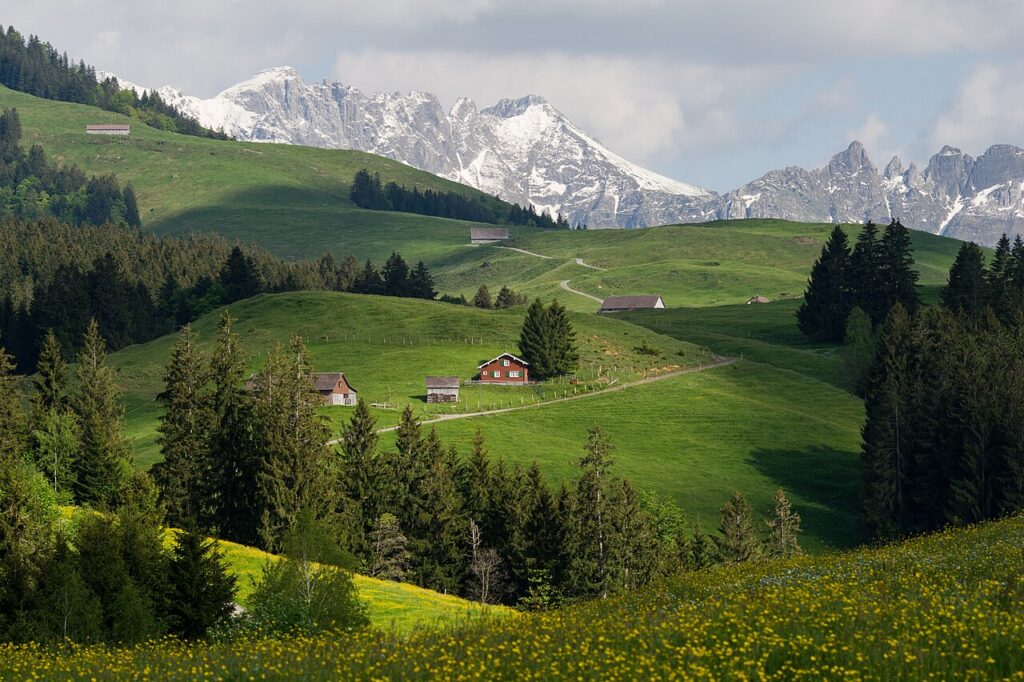
Portugal’s 17 UNESCO World Heritage Sites span prehistoric Palaeolithic rock art, Manueline monasteries, Atlantic island vineyards, and the only surviving laurel forest of its kind in the world.
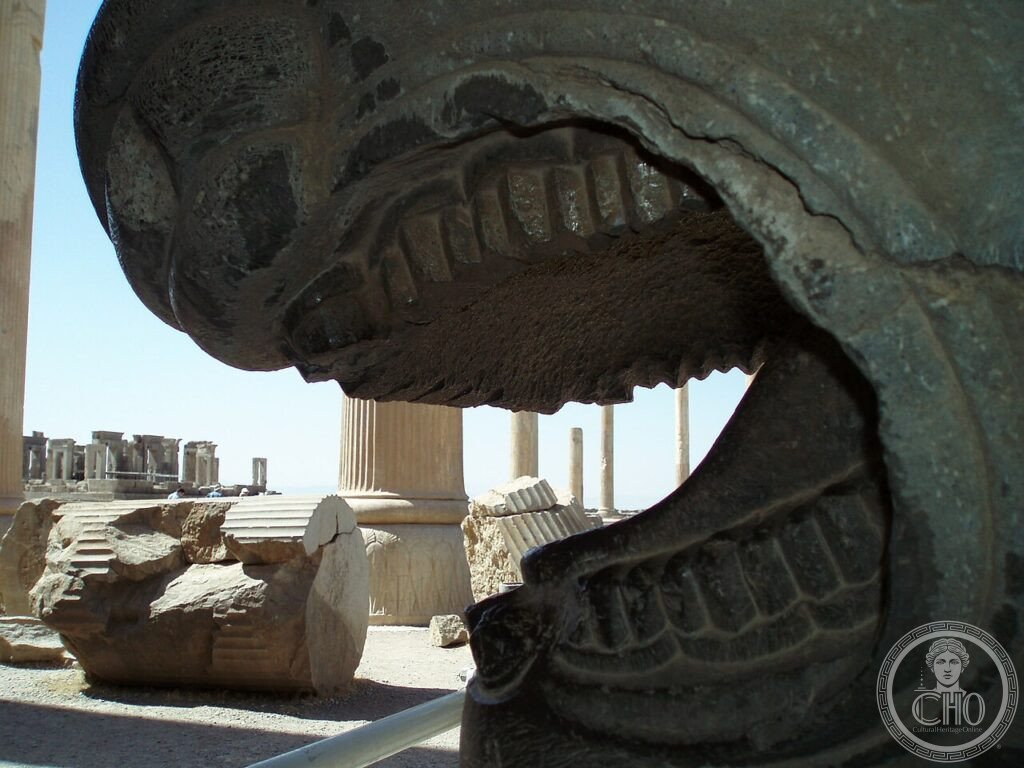
Iran holds 29 UNESCO World Heritage Sites, spanning Achaemenid ceremonial capitals, Bronze Age cities, living cave settlements, and two exceptional natural landscapes along the Caspian coast and in the arid south-east.
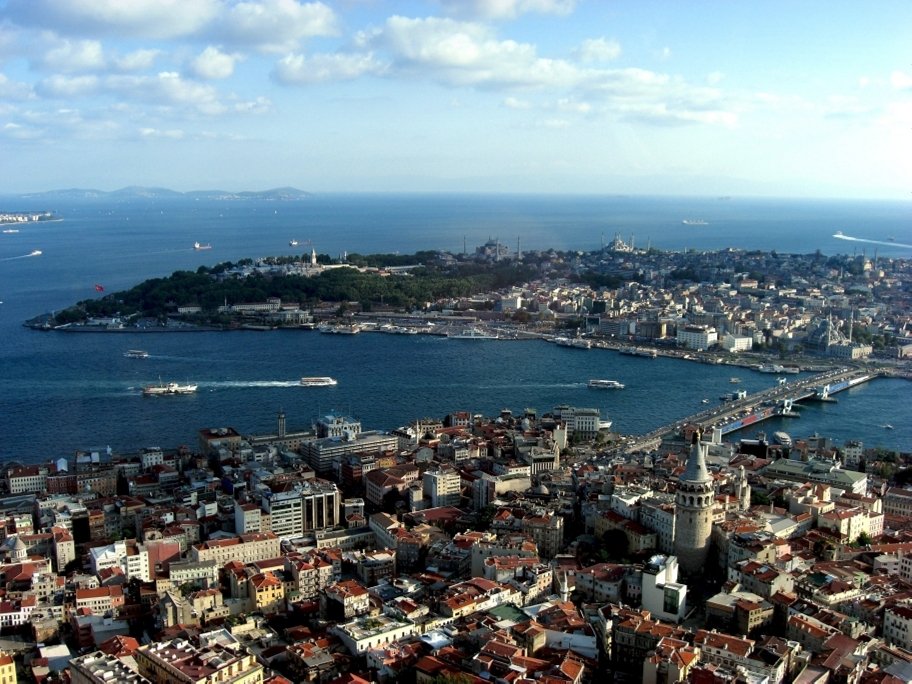
Turkey’s 22 UNESCO World Heritage Sites span Cappadocia’s rock-cut churches, Istanbul’s Byzantine and Ottoman monuments, Neolithic Çatalhöyük, Lycian ruins, and Lydian royal tombs — one of the densest archaeological landscapes on earth.