
A centuries-old cosmetic tradition across the Arab world, kohl is crushed mineral pigment applied to the eyes as both beauty practice and cultural marker, shaped by regional knowledge and aesthetic values.
In UNESCO’s words
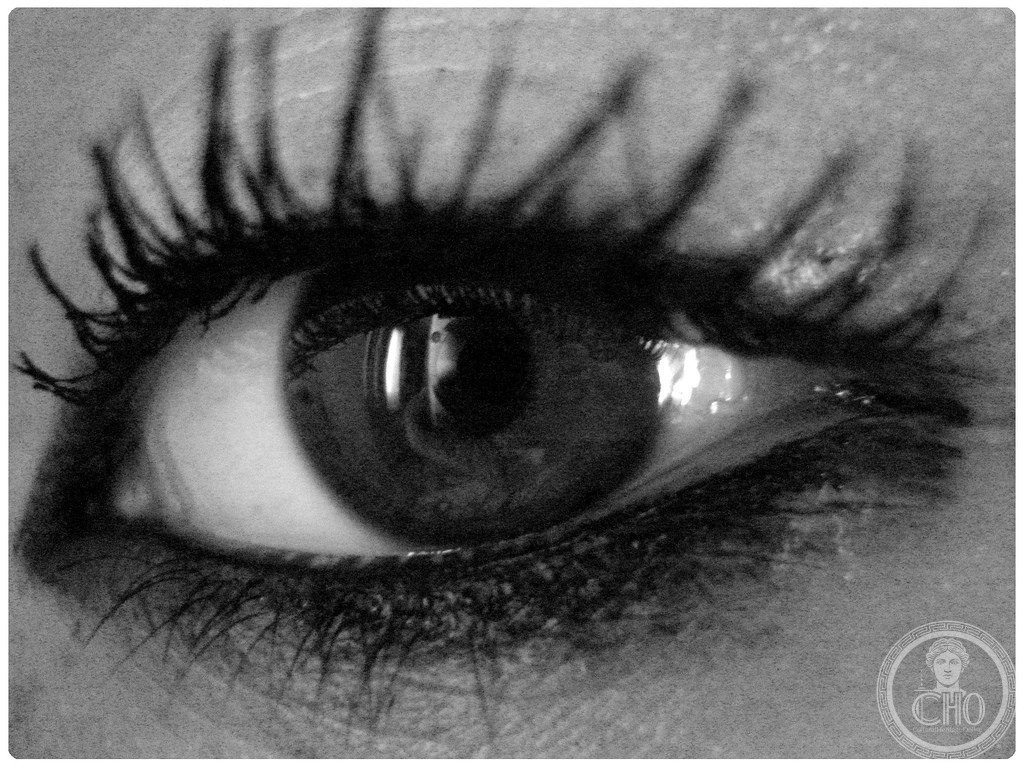
Arabic Kohl is both a craft and a social practice that is integral to the lifestyle of Bedouin and nomadic tribes, as well as rural, marshland, and fishing communities in the Arab region. It is a fine black powder used as eyeliner by people of all genders, serving not only as a cosmetic but also for protection against wind, sand and sunlight. A part of everyday life, special occasions and religious rituals, it is made from natural ingredients, with the preparation varying according to local environments and lifestyles. Kohl is made either at home or in gatherings, mostly by women, who transmit the related knowledge and skills to their daughters and granddaughters. Arabic kohl is typically stored in decorative containers called ‘makhala’, which are often passed down as family keepsakes. The practice is also transmitted through oral traditions, community events, schools and cultural institutions. In addition to being a symbol of community identity and a key part of daily beauty routines, kohl is used as a physical and spiritual healing remedy. It promotes dialogue and fosters meaningful exchanges between nations and communities of women. Kohl-rimmed eyes also serve as a strong form of female expression, particularly in societies where only eyes are visible due to face coverings.
Official description, UNESCO Intangible Cultural Heritage List — Arabic Kohl
At a glance
Arabic kohl is a fine black powder applied as eyeliner by people of all genders across Bedouin, nomadic, rural, marshland, and fishing communities in the Arab region. Beyond its role in daily beauty routines, kohl serves practical purposes—protecting against wind, sand, and sunlight. Made from natural ingredients, its preparation varies according to local environments and lifestyles, and the knowledge of how to make and wear it passes from mothers to daughters and granddaughters.
Origins & history
The practice is rooted in traditional methods of preparing kohl from natural ingredients, with the specific preparation methods shaped by the environments where communities live. Knowledge of kohl-making and application has been transmitted through families and communities over time, passed down primarily by women to their daughters and granddaughters. Oral traditions and community events have sustained this knowledge across generations.
The practice
Kohl is typically made at home or in gatherings, mostly by women. The preparation varies according to local environments and lifestyles, using natural ingredients available in each region. The finished kohl is stored in decorative containers called 'makhala', which are often kept as family keepsakes. The practice is also transmitted through community events, schools, and cultural institutions, ensuring that skills and knowledge reach new generations.
Cultural significance
Kohl is integral to daily life, special occasions, and religious rituals for the communities that practice it. It serves as a symbol of community identity and is used not only as a cosmetic but also as a physical and spiritual healing remedy. For women in societies where face coverings restrict visibility, kohl-rimmed eyes provide a powerful form of personal expression. The practice fosters dialogue and meaningful exchanges between women and communities, promoting connection across nations.
Key facts
- Country: Syrian Arab Republic, Iraq, Jordan, Libya, Oman, State of Palestine, Saudi Arabia, Tunisia, United Arab Emirates
- Inscribed: 2025
- UNESCO list: Representative List of the Intangible Cultural Heritage of Humanity
- UNESCO reference: 02261
- UNESCO vocabulary: Cosmetics; Traditional medicine
- Map: not shown — UNESCO’s official description of this element names no locality, and a living tradition is practised across a community, not at one address.
Where to experience it
Arabic kohl remains a living practice across Bedouin and nomadic communities, rural villages, marshland and fishing settlements throughout the Arab region. Visitors may encounter the tradition at cultural institutions, schools, and community events where women gather to prepare kohl using natural ingredients passed down through generations. The craft appears in everyday life and during special occasions and religious rituals, with decorative containers called 'makhala' often displayed as family heirlooms. Though kohl is sold in markets and cosmetic shops, the most authentic experience comes from witnessing how communities continue this practice as both a daily beauty routine and a meaningful expression of identity.
Sources & resources
- UNESCO — official element page: Arabic Kohl
- UNESCO — open data record: Intangible Heritage List, reference 02261
- UNESCO — official video: UNESCO film on this element — embedded on this page
- UNESCO — official photograph: A Syrian girl in Damascus city applies Arabic Kohl to her eyes with a copper Marwad — Galatea Media — Syria Trust for Development, 2024
- Reference — Wikipedia (secondary): Kohl (cosmetics) — consulted as a secondary reference, not as confirmation
- Cultural Heritage Online: Our archive and city guides

Sources
- S1 — Westermarck, Edward. Ritual and Belief in Morocco. Macmillan, 1926. ISBN 978-0-8201-1406-4.
- S2 — Early, Evelyn A. Baladi Women of Cairo: Playing with an Egg and a Stone. Lynne Rienner Publishers, 1993. ISBN 978-1-55587-268-7.
Spotted an error? Write to editorial@culturalheritageonline.com and we correct it the same day.