
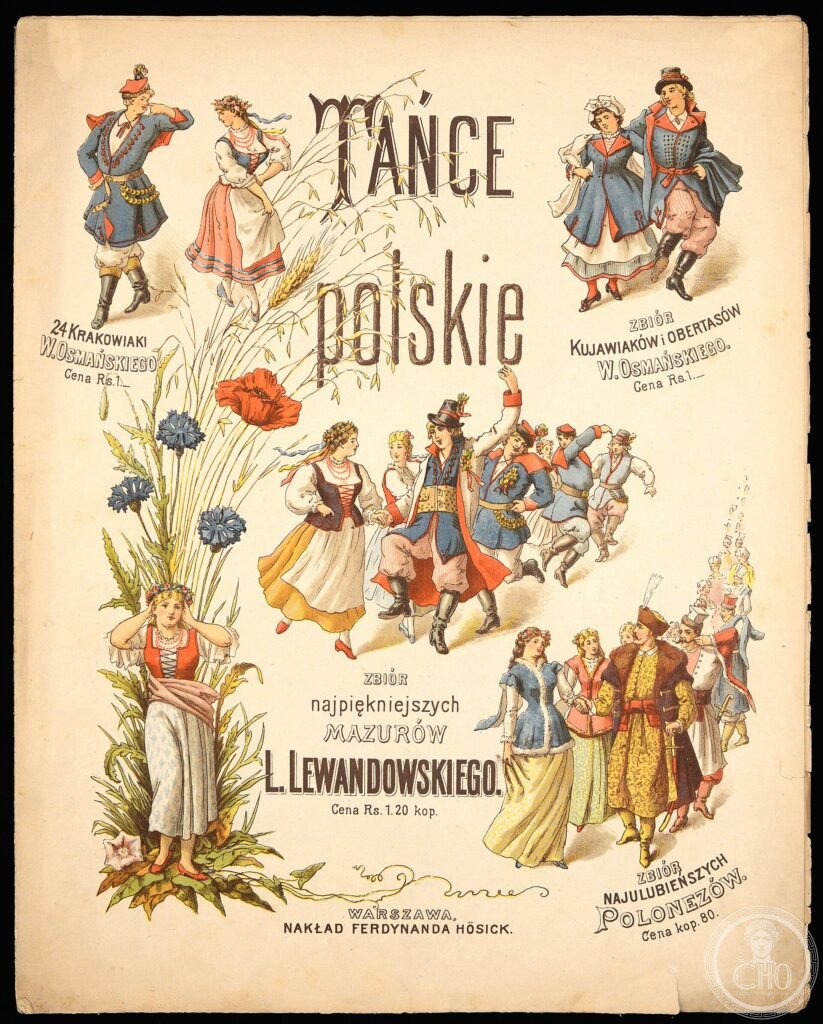
Polonaise Dance: Polish Ceremonial Ballroom Tradition
A stately Polish walking dance performed in triple time, the polonaise opens celebrations—from New Year’s balls to student proms—as a ritual…

A stately Polish walking dance performed in triple time, the polonaise opens celebrations—from New Year’s balls to student proms—as a ritual…
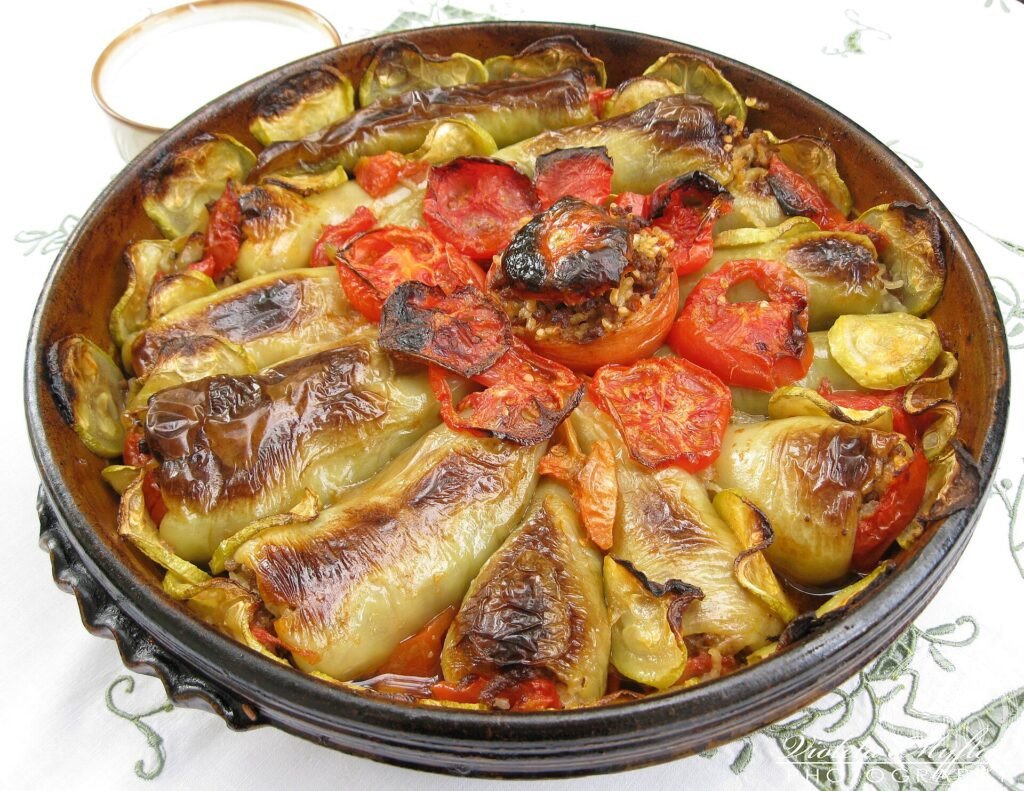
Dolma is a family of stuffed vegetables, leaves, and fruits filled with rice, meat, herbs, and spices—a staple of Ottoman-derived cuisines and a living…
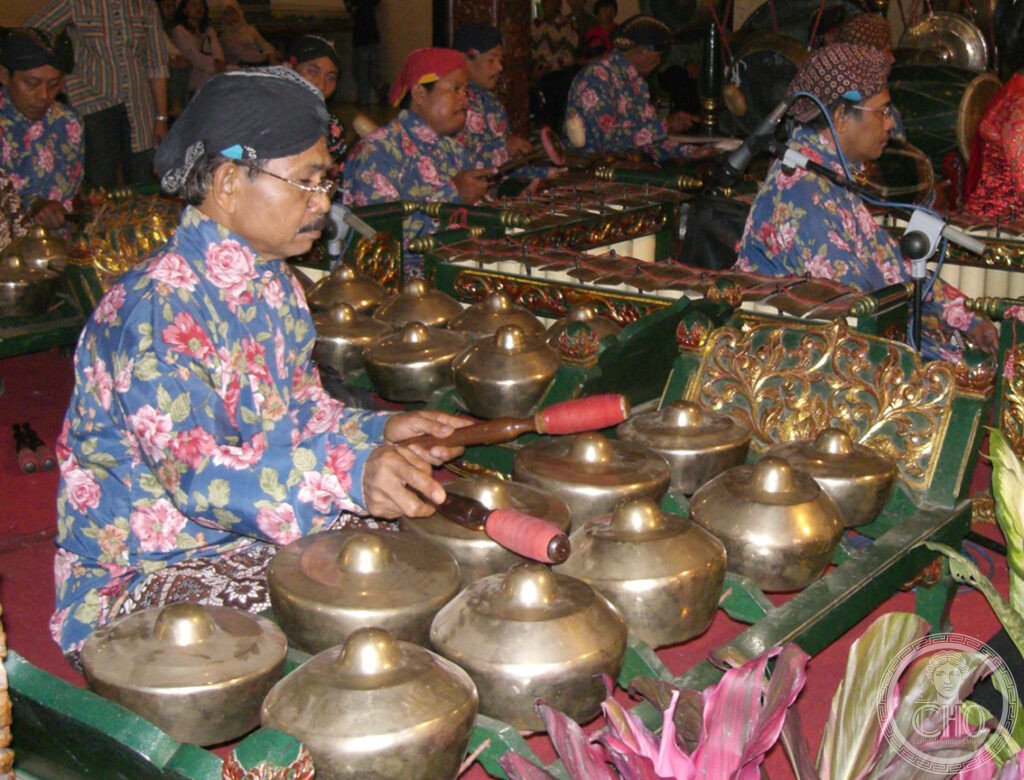
Gamelan is the traditional ensemble music of the Javanese, Sundanese, and Balinese peoples, featuring metallophones, drums, and vocals in ceremonies…
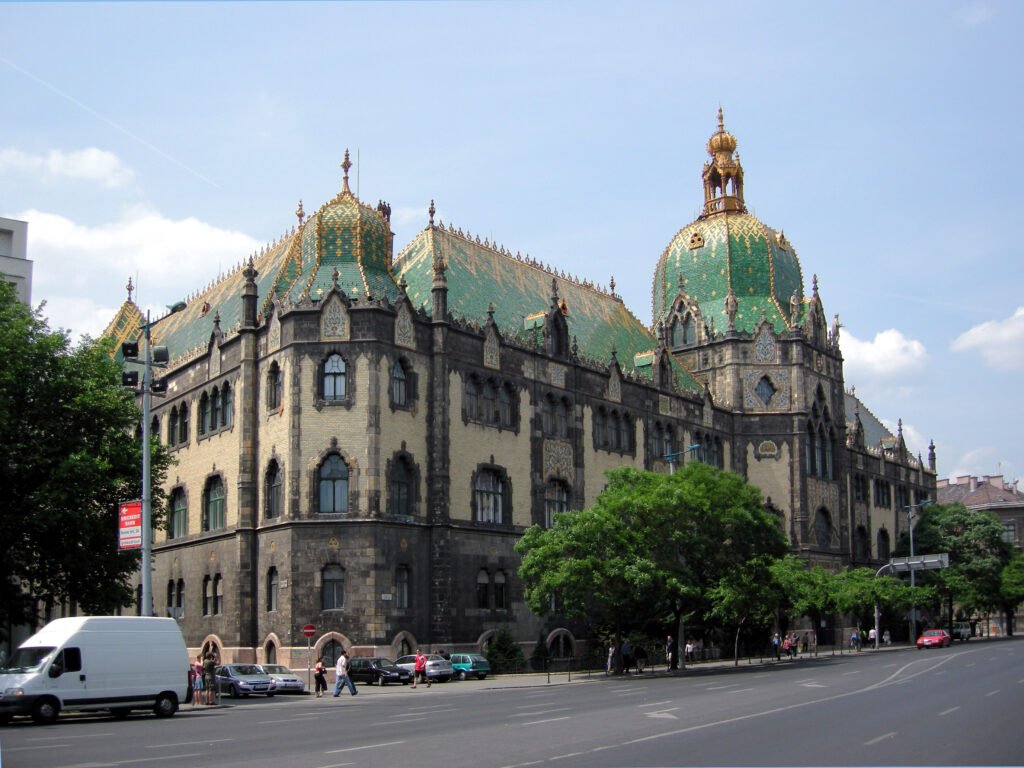
Heritage conservation volunteering opens access to hands-on work restoring buildings, cataloguing archives, and excavating archaeological sites alongside…

You have surveyed buildings, read the construction documentation, analyzed the details that casual visitors miss entirely. That professional knowledge…
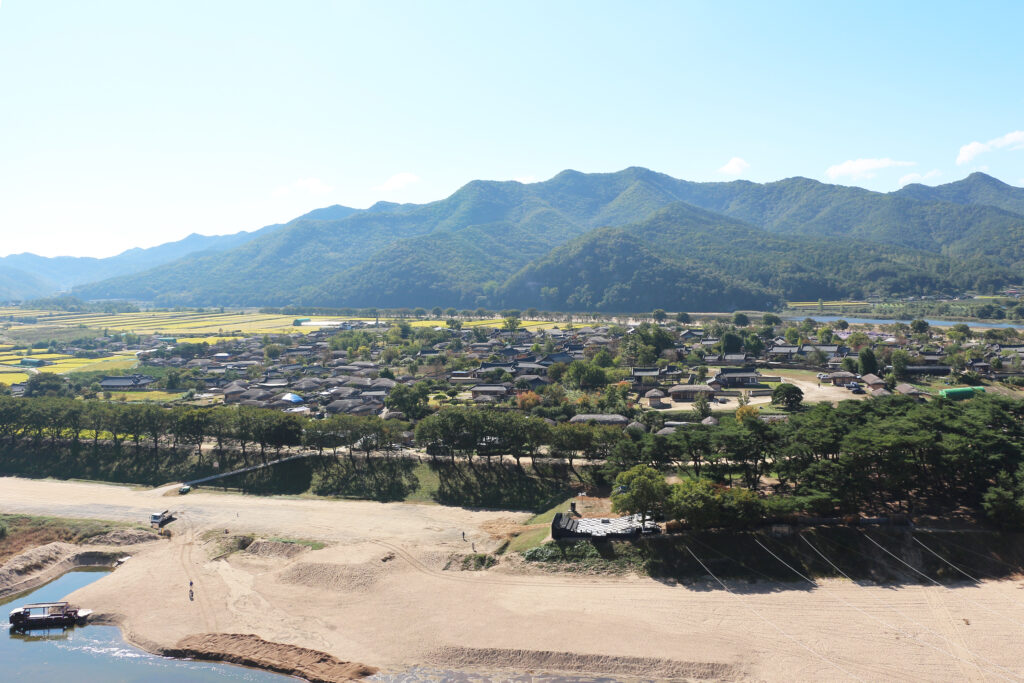
Community heritage is heritage defined by the people who live with it—not by governments or cultural authorities alone. Unlike officially designated sites…
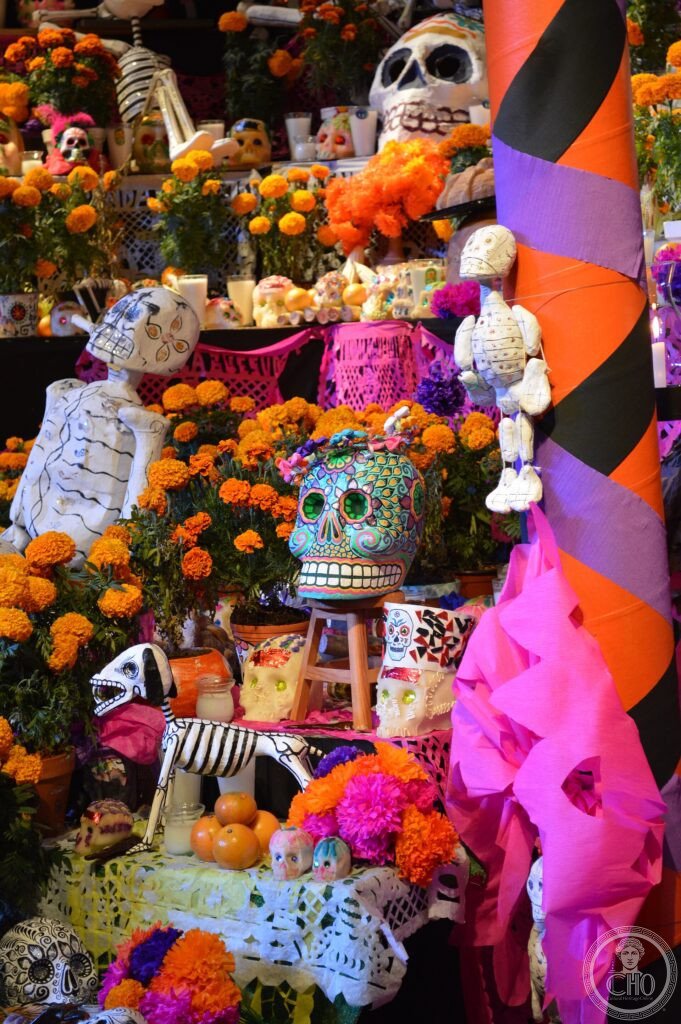
A multi-day observance on November 1–2 where Mexican families and communities honor deceased loved ones through altars, marigolds, sugar skulls…
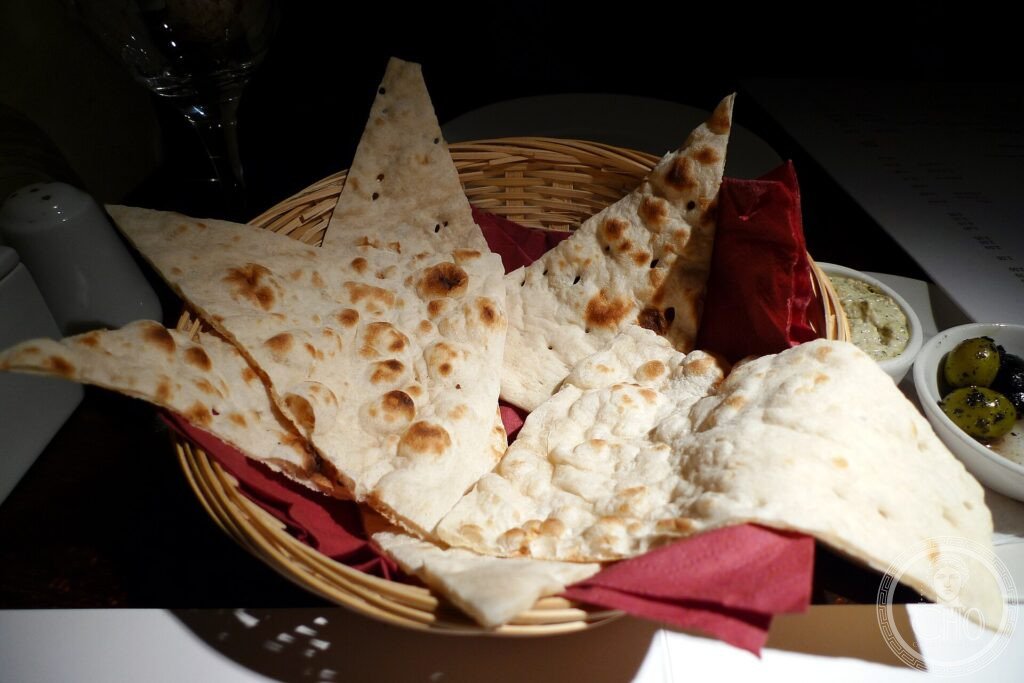
Lavash is a thin flatbread baked in a tandoor and prepared by Armenian women as a community tradition.
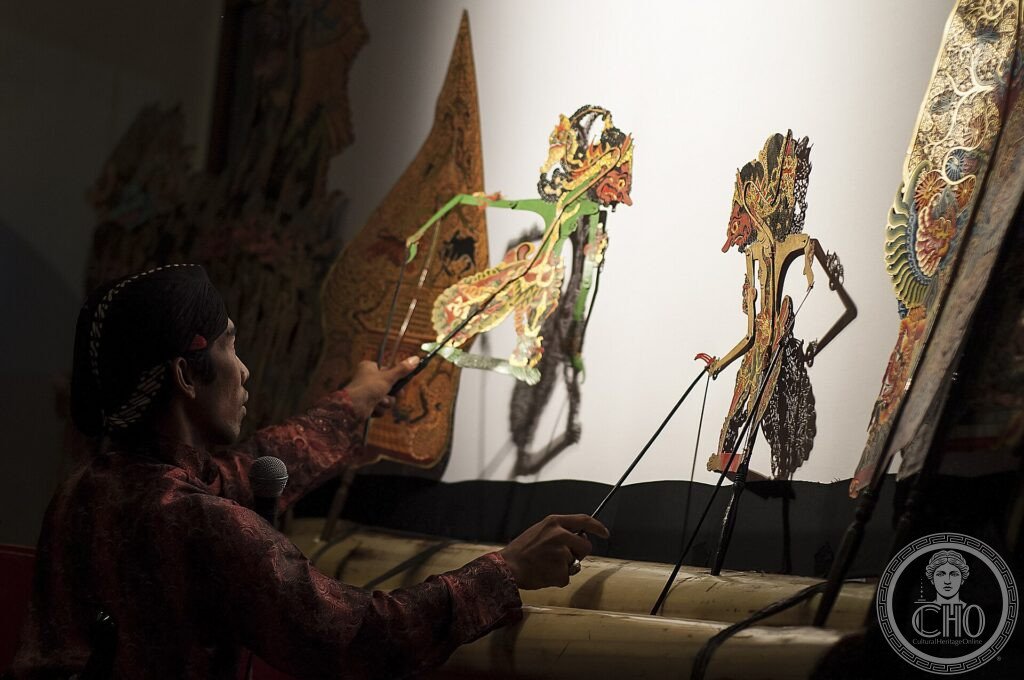
An ancient Chinese art form in which puppeteers manipulate intricately carved silhouette figures behind a backlit translucent screen, making them appear…
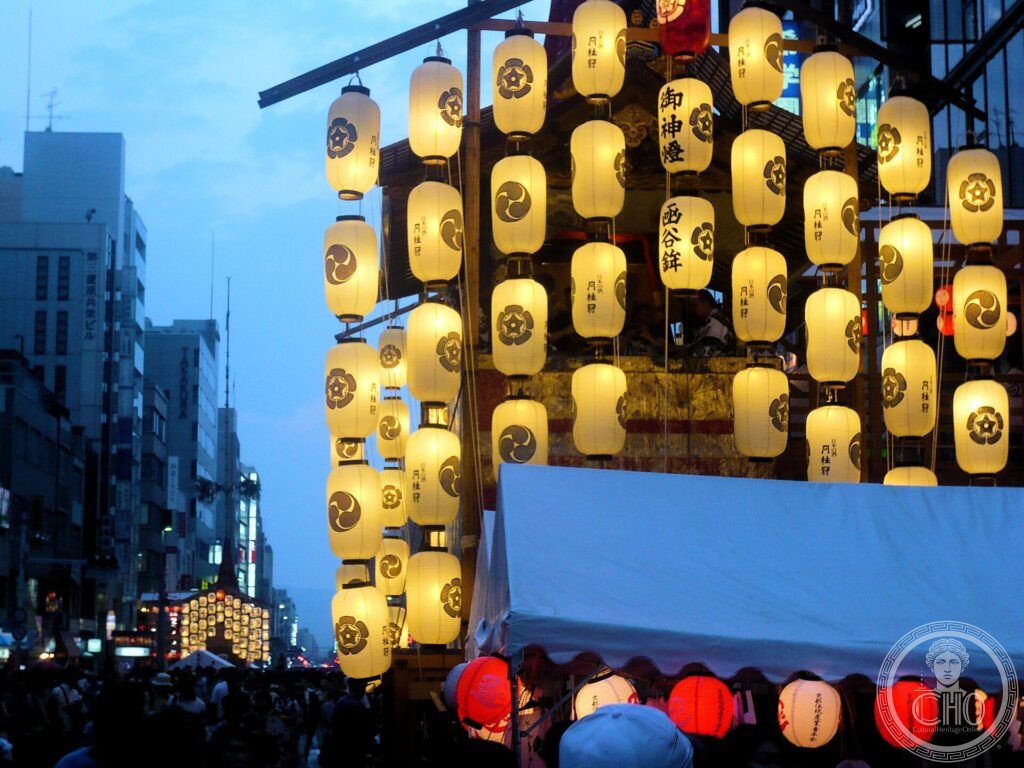
Kyoto’s Gion Festival, held each July, centers on two grand processions of decorated floats rooted in Shinto purification rites, accompanied by three…