

Christ Church Tower, Crewe
A Gothic Revival tower in Crewe that survived the 1977 demolition of its church, now standing as a listed landmark with a working peal of ten Victorian bells.

A Gothic Revival tower in Crewe that survived the 1977 demolition of its church, now standing as a listed landmark with a working peal of ten Victorian bells.

A historicist church built in 1907 on Dresden’s Stübelplatz, the Ehrlichsche Gestiftskirche survived World War II but was demolished in 1951 during postwar reconstruction.

A striking 1974 modernist church in Stockholm’s city centre, designed by Sture Frölén and built on a former tram depot site at the intersection of Birger Jarlsgatan and Kungstensgatan.

A modernist riverside hotel opened in 1971 as Scotland’s second purpose-built motor hotel, now operated as the MGM Muthu Glasgow River Hotel on the banks of the Clyde.

A brutalist scientific complex housing Europe’s largest cyclotron when built in 1970–72, symbolizing the University of Louvain’s renewal after institutional crisis.

Poland’s premier concert hall, the Polish Baltic Philharmonic honours Frédéric Chopin and anchors the cultural life of Gdańsk’s Ołowianka district.

Perth’s Roman Catholic cathedral combines 1865 construction with modern expansion completed in 2009, anchoring Victoria Square.

Bulgaria’s monumental National Palace of Culture, opened in 1981, is a 123,000-square-metre conference and cultural centre hosting the Sofia International Film Festival and major international events.

John Madin’s brutalist Birmingham Central Library served as the city’s main public library from 1974 to 2013, celebrated as an icon of British modernism before its demolition.
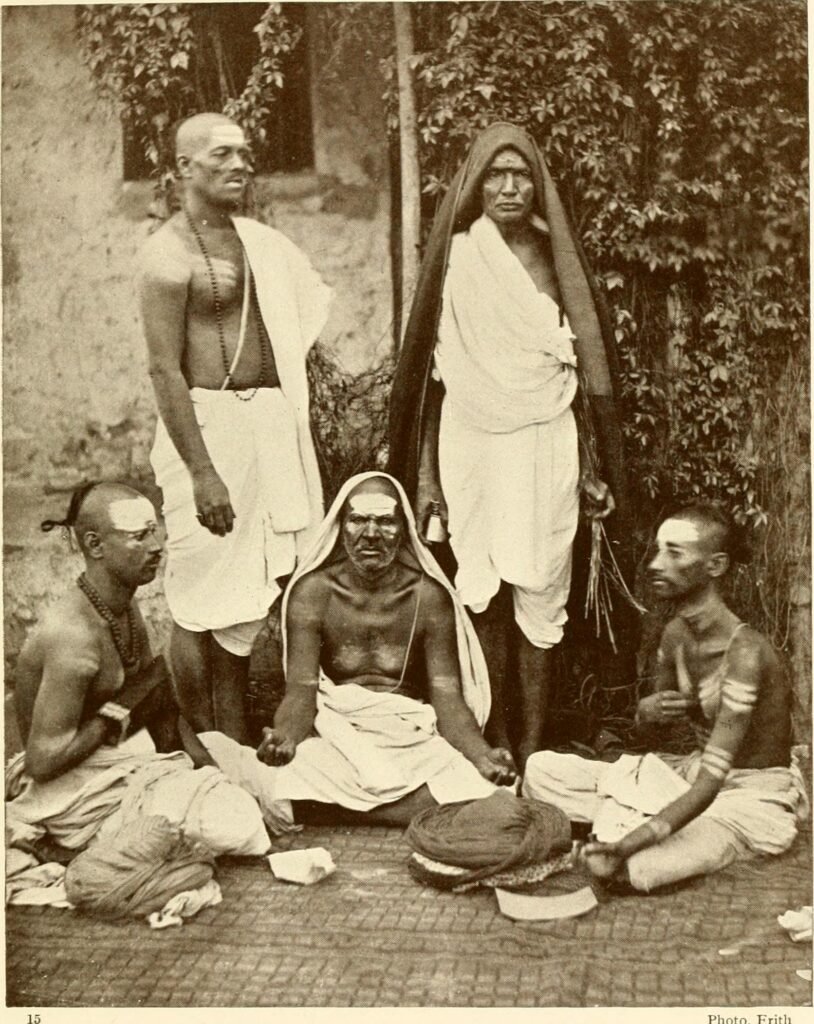
An unbroken oral tradition of Sanskrit mantra recitation preserved through precise vocalization for over two thousand years, central to Hindu ritual and spiritual life.