
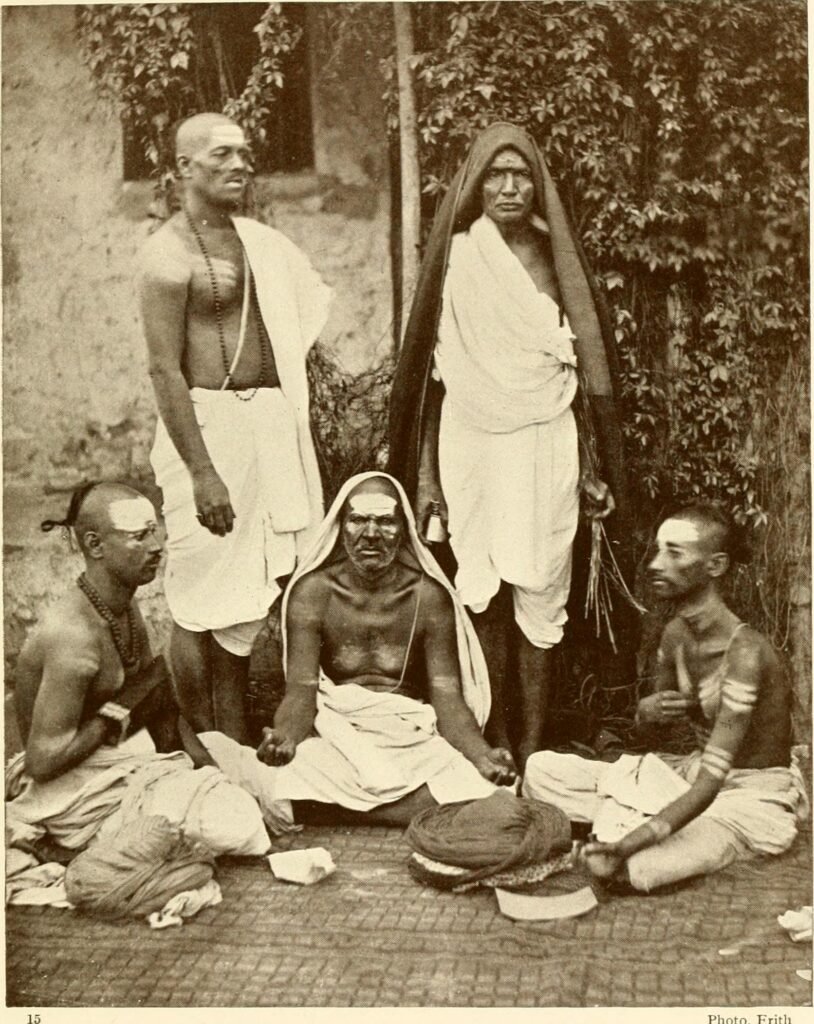
An unbroken oral tradition of reciting Sanskrit mantras, preserved through precise vocalization and memorization for over two millennia.
At a glance
Vedic chanting transmits the Vedas—ancient Sanskrit texts of ritual and philosophy—through structured vocal recitation known as pathas, or ways of chanting. Practitioners train from childhood in exact intonation, rhythm, and stress patterns, ensuring fidelity across generations. The tradition remains central to Hindu ritual life, religious study, and cultural identity across India.
Origins & history
The Vedic texts themselves are among humanity’s oldest literary compositions, their fixation in written form dating to roughly the time of Homer, around 800 BC. Yet the oral recitation tradition predates any written record. What distinguishes Vedic chanting is its extraordinary commitment to precision: each syllable, accent, and pause has been preserved through direct teacher-to-student transmission across more than twenty-five centuries.
The practice
A Vedic chanter, or vedapathi, sits in formal posture while reciting mantras with deliberate melodic contour and measured tempo. The voice rises and falls according to ancient notation systems; stress and pitch accent remain integral to meaning and ritual efficacy. Different pathas—including the Samhita, Pada, Krama, and Jata recitations—represent increasing levels of complexity, some reversing or interweaving lines for mnemonic precision. Training begins early and demands years of disciplined study under a qualified guru. The sound itself—resonant, meditative, rhythmically intricate—fills temples, homes, and ritual spaces during worship and ceremony.
Cultural significance
Vedic chanting embodies a philosophical commitment to oral knowledge transmission that has shaped Indian intellectual tradition. The practice is inseparable from Hindu spirituality and continues to confer social and religious status on its bearers. In an age of written and digital media, it stands as a living testament to the power of human memory and voice to preserve complex knowledge systems.
Key facts
- Country: India
- Anchor community: Varanasi
- UNESCO ICH reference: 00062
- UNESCO inscription: 2008
- Coordinates: 25.32484°N, 83.01341°E
Where to experience it
Varanasi, the spiritual heartland of Vedic tradition, remains the primary center for study and practice. Temples throughout the city host daily chanting; educational institutions preserve and teach the pathas to new generations of students.
Sources & resources
- Vedic chant – Wikipedia
- Tradition of Vedic Chanting – UNESCO Intangible Cultural Heritage
- Cultural Heritage Online
Find it on the map
See this place and what’s around it →📷 Become a Cultural Heritage Online photographer
Share your photos of places: they stay published under your name as the author. The more they're seen, the more you get noticed — and soon a contest will reward the most appreciated photos.
Log in or sign up free to add a photo