
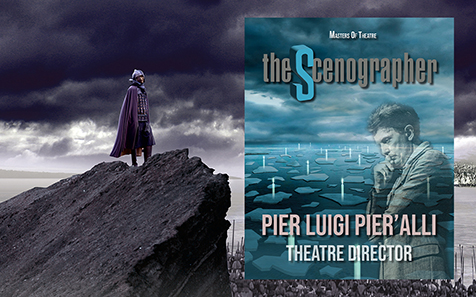
Masters of Theatre: a new series opens with Pier’Alli, the director who put film on the opera stage
Pierluigi Pier’Alli has spent more than half a century making theatre in which the director, the set designer, the costume […]
Pierluigi Pier’Alli has spent more than half a century making theatre in which the director, the set designer, the costume […]
A year ago we looked at eight European research projects that had stopped treating heritage as an inventory and started
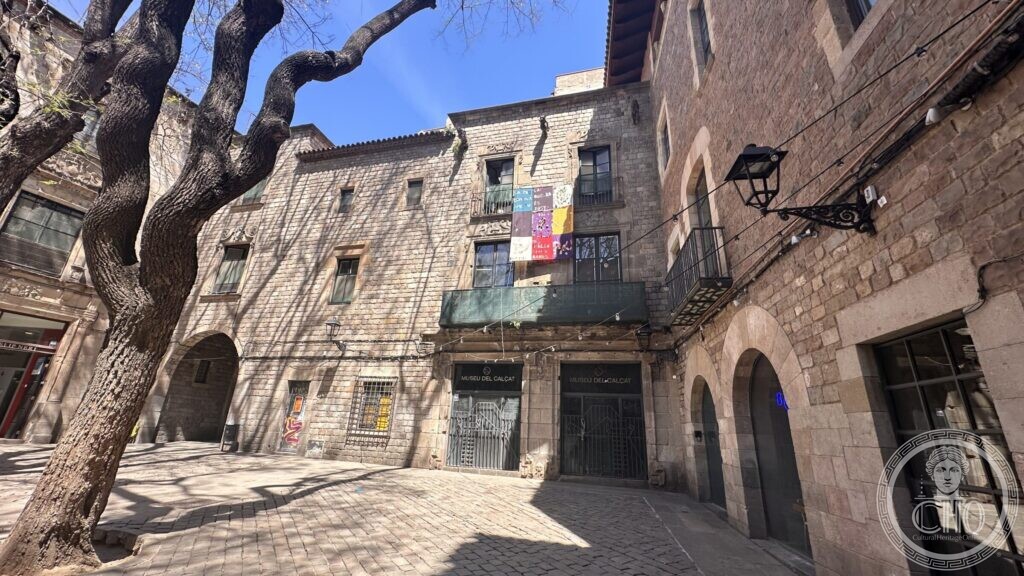
A great deal of Barcelona’s Barri Gòtic is not where it was built: façades were moved, squares were rebuilt out of bombed streets, and a Roman gate had to be uncovered. Nine stops, half of them free, and the case for walking the quarter differently.
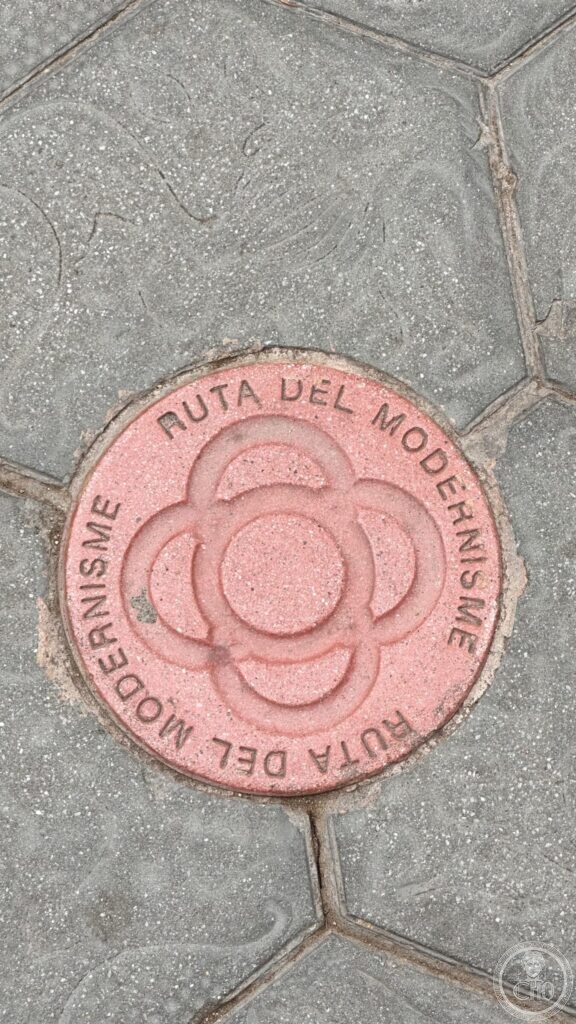
Red medallions in the paving mark the city’s own Art Nouveau route. Follow them and the ticket queues stop looking like the point: most of Barcelona’s Modernisme is a doorway, a balcony rail or a bench, and almost all of it is free.
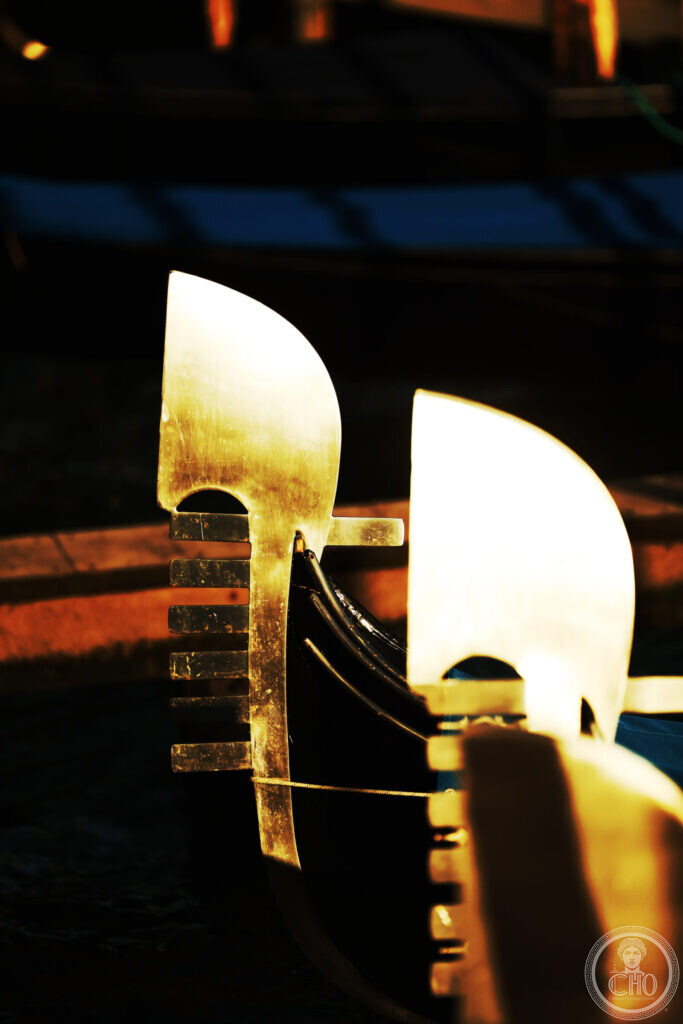
The asymmetry usually quoted is 24 centimetres. The survey Venetian yards build from says 20.36. The iron on the bow is the descendant of a ram, built in secret in the Arsenal for a river war — and the six teeth on it are municipal regulation, not tradition.

Atomic oxygen borrowed from spacecraft, robots that feel the seabed, the digital memory of the camps: eight European research projects where heritage is a working laboratory.
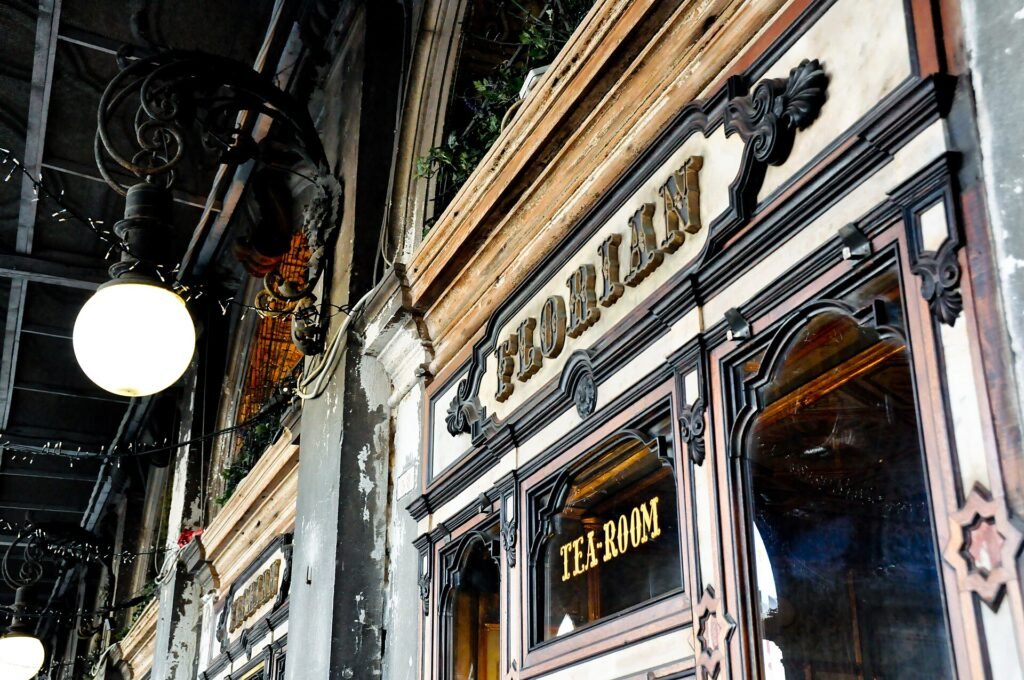
The standard dictionary of Venetian, published in 1856, contains none of these words in the sense you will hear tonight. Yet the osteria at the sign of the two swords is documented from 1414.
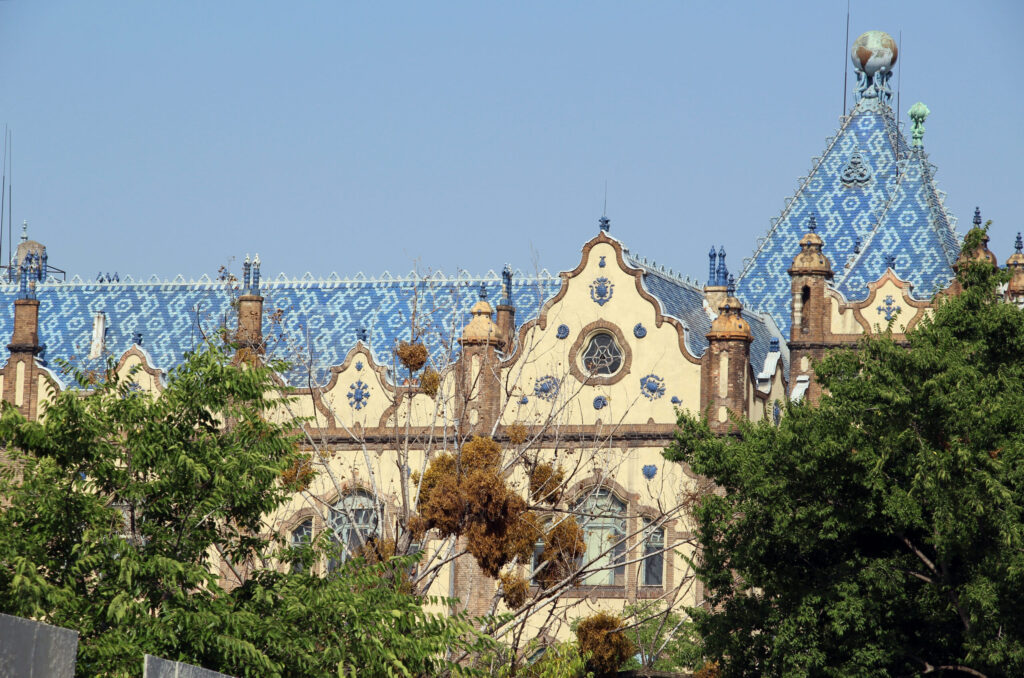
City Guides · Budapest · Art Nouveau How Budapest turned a political argument into one of the most original architectural
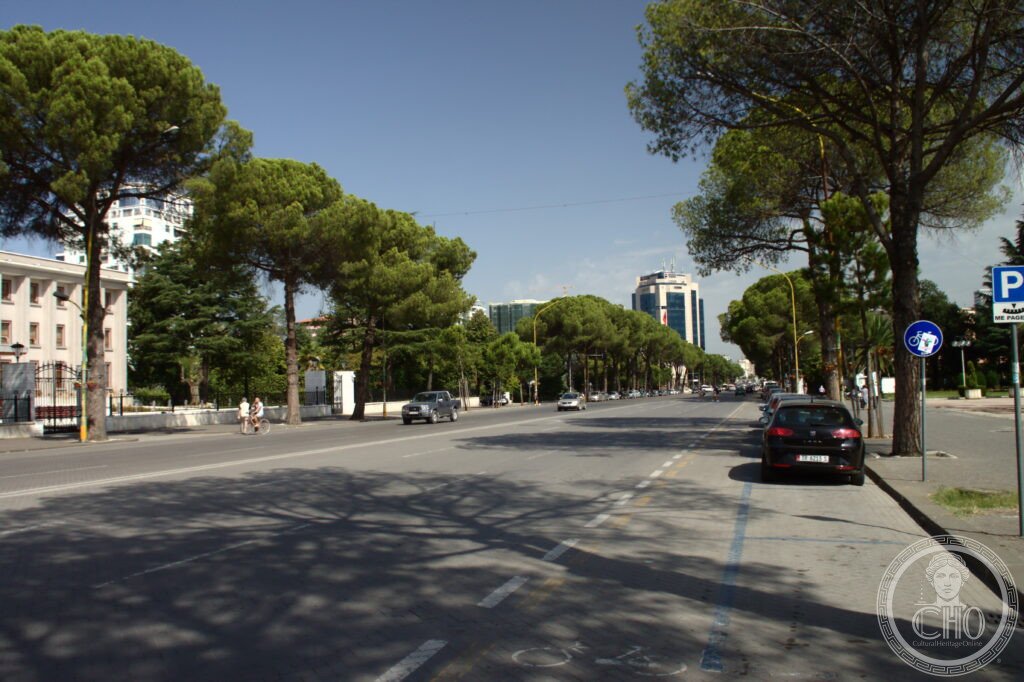
Cultural Heritage Online · Architectural History · Albania Rome in the Balkans: What the Italians Built in Albania (1937–1941) Gherardo