
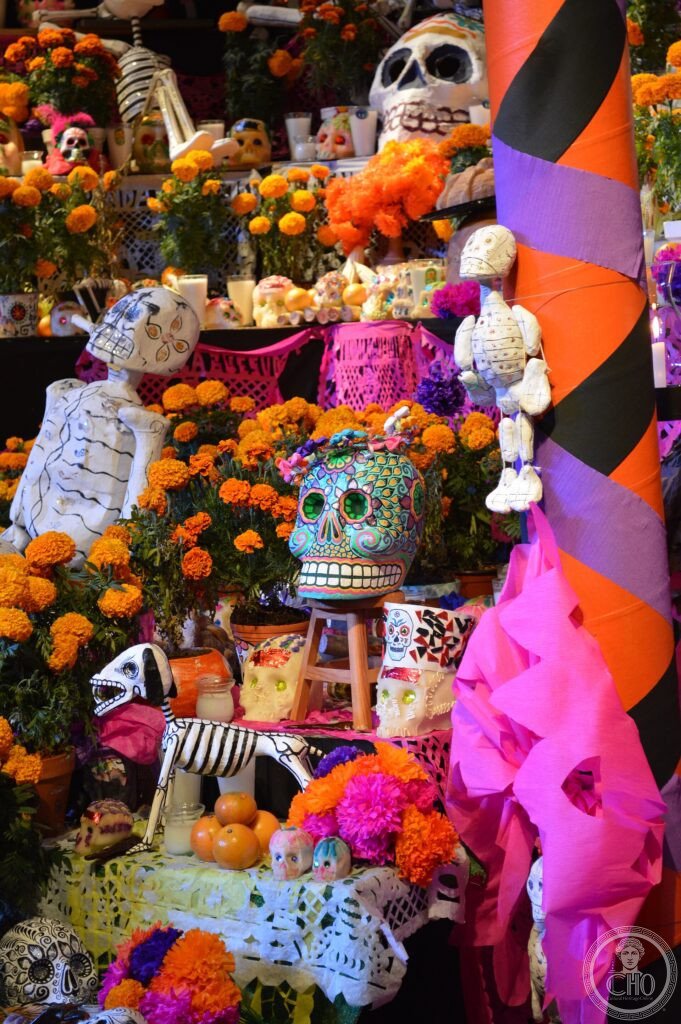
Día de los Muertos: Mexican Day of the Dead Heritage
A multi-day observance on November 1–2 where Mexican families and communities honor deceased loved ones through altars, marigolds, sugar skulls…

A multi-day observance on November 1–2 where Mexican families and communities honor deceased loved ones through altars, marigolds, sugar skulls…
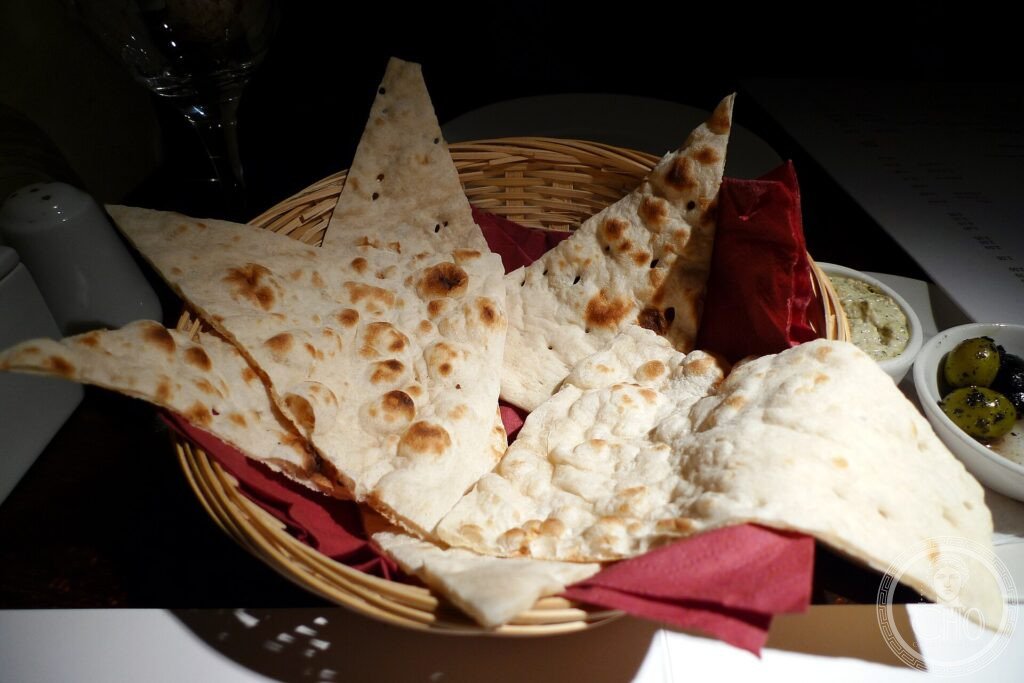
Lavash is a thin flatbread baked in a tandoor and prepared by Armenian women as a community tradition.
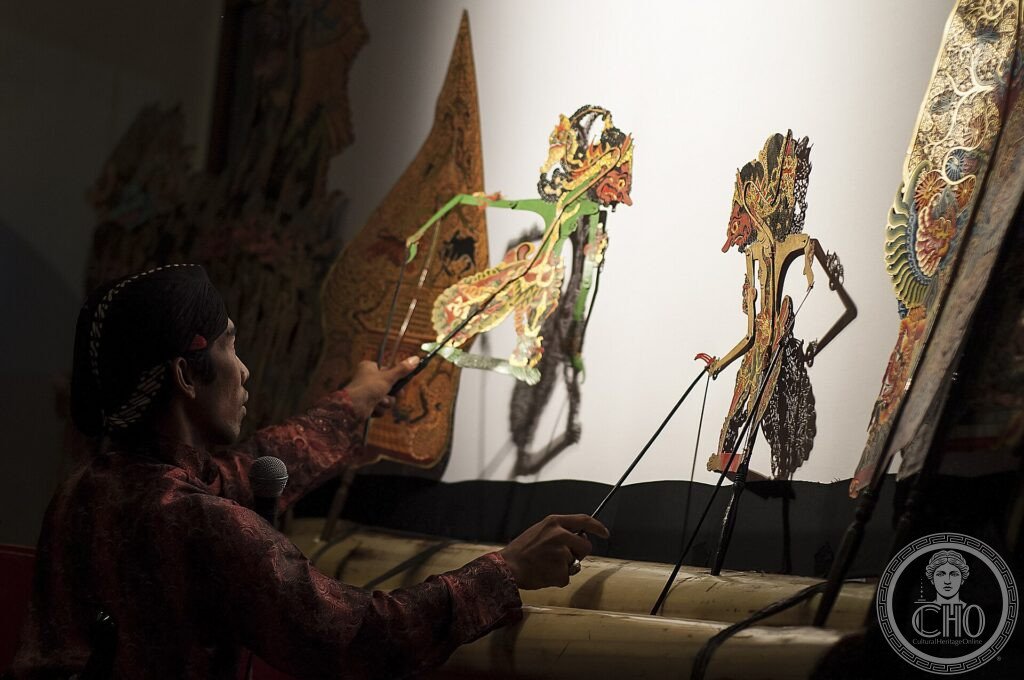
An ancient Chinese art form in which puppeteers manipulate intricately carved silhouette figures behind a backlit translucent screen, making them appear…
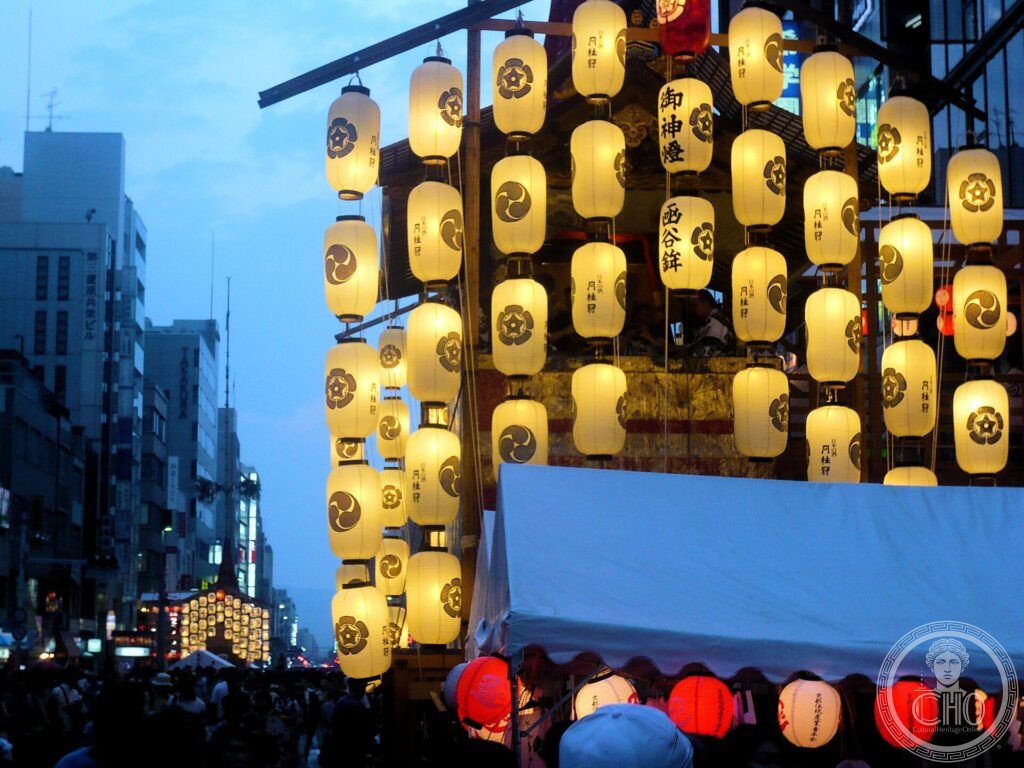
Kyoto’s Gion Festival, held each July, centers on two grand processions of decorated floats rooted in Shinto purification rites, accompanied by three…
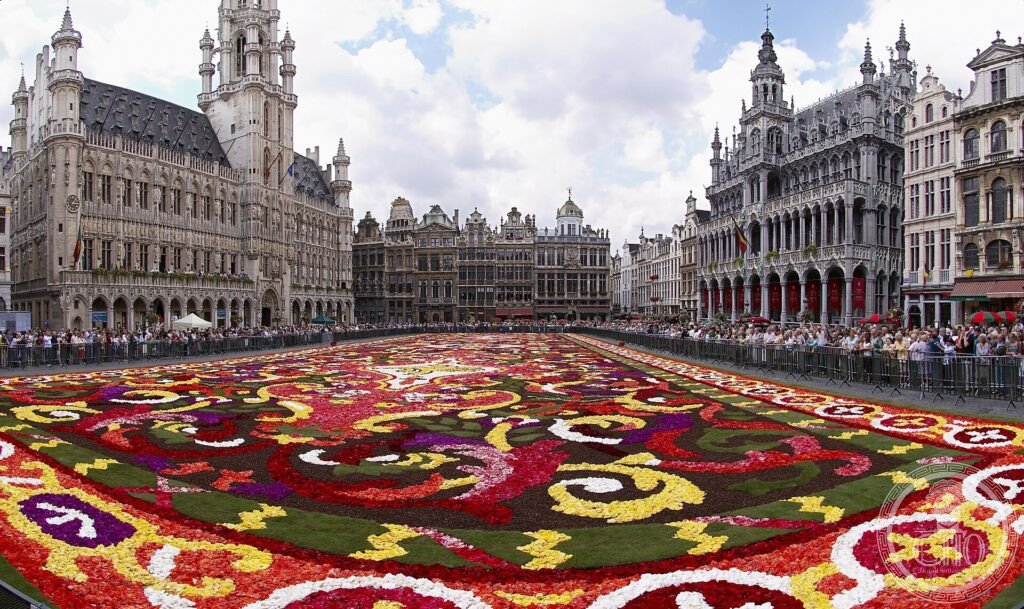
Polish communities create ephemeral flower-petal carpets on streets for Corpus Christi processions, a tradition that merges devotion, artistry…
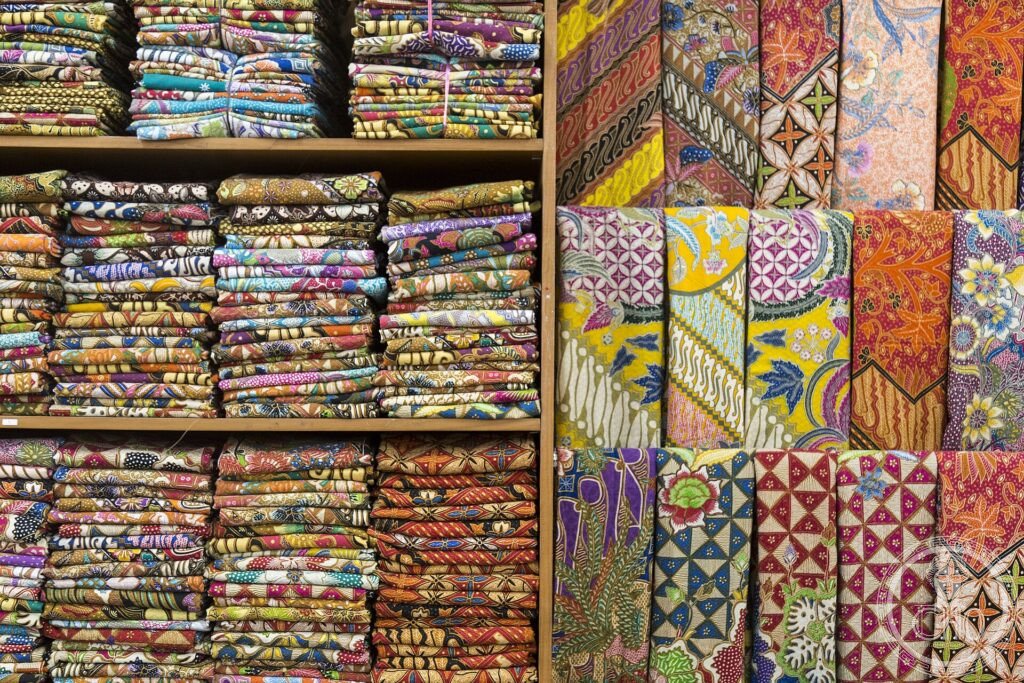
Indonesian batik uses wax-resist dyeing to create intricate, multicoloured textile patterns through repeated cycles of application, immersion…
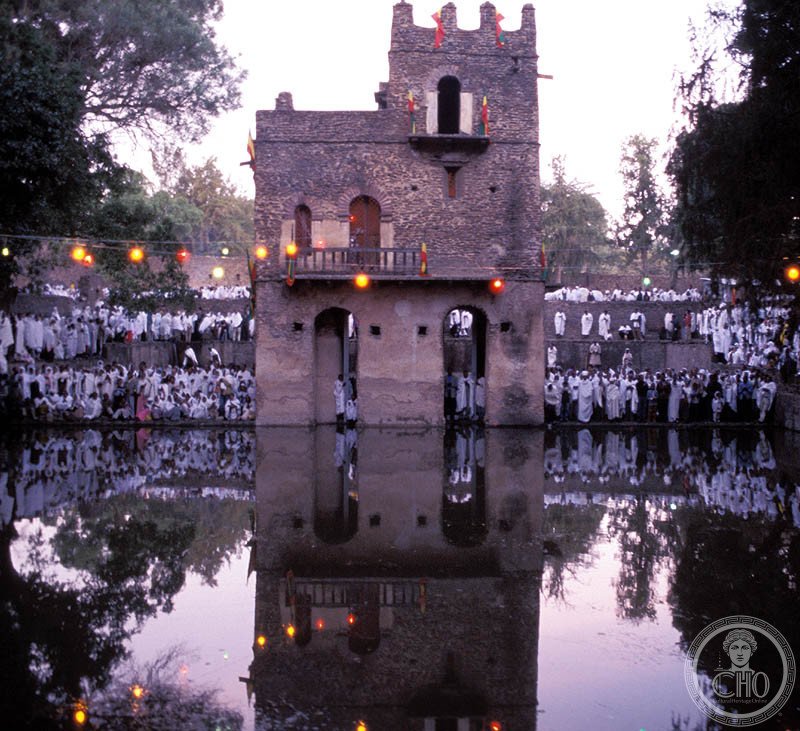
Timkat, Ethiopia’s most exuberant Christian festival, celebrates the baptism of Jesus through nocturnal liturgy, water blessing, and processions…
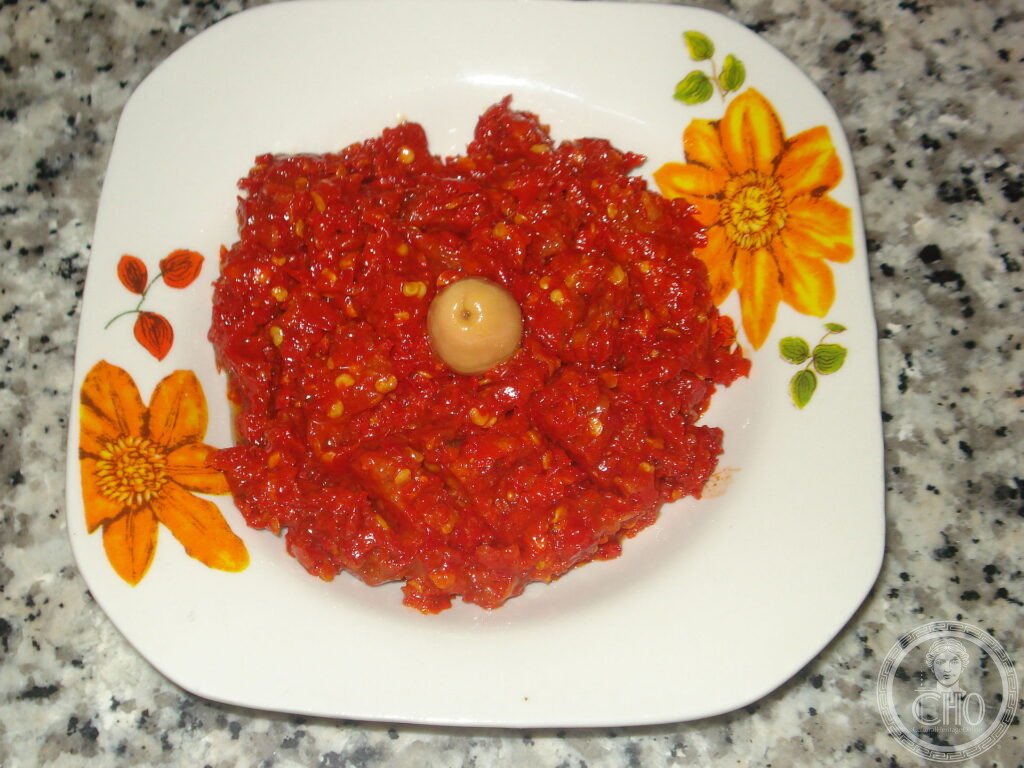
A fiery Tunisian chili pepper paste combining roasted peppers, Baklouti peppers, garlic, spices and olive oil—harissa embodies centuries of culinary…
Social media reaches potential visitors where they already spend time — but only when posts are visual, tied to real event schedules, and written in a…

Most of the heritage record was built from the top down. The overlooked sites survive because someone independent decided they mattered — a quarter-century of cataloguing from below.