

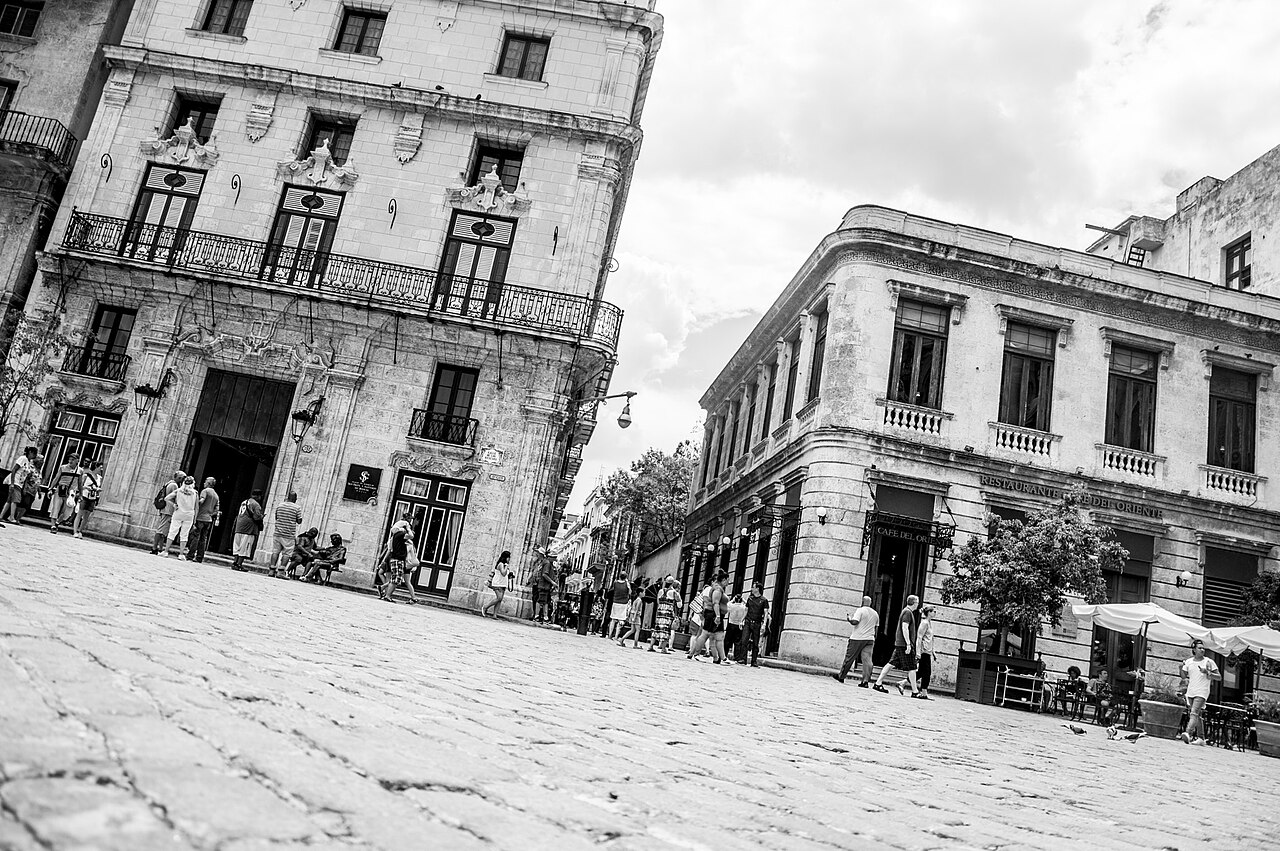
Cuba holds two UNESCO World Heritage Sites within reach of Havana: a fortified colonial city that once controlled the sea lanes of the New World, and a sugar-trade town frozen in the 18th century whose cobblestones have barely changed in three hundred years. Both repay the journey in full. From Cultural Heritage Online.
Old Havana and its Fortification System Within the city — no travel required
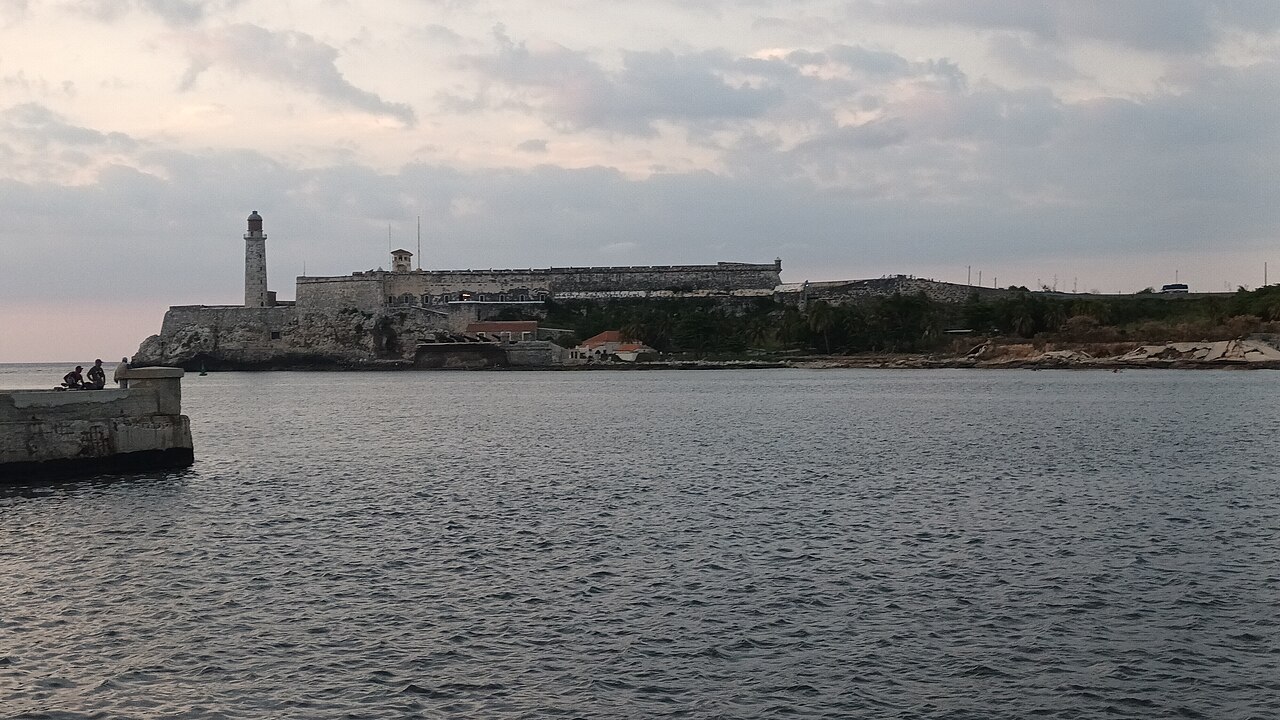
Inscribed by UNESCO in 1982, Old Havana is the layered result of five centuries of Spanish colonial ambition. The Spanish founded the city in 1519, and by the 17th century it had become the staging post through which the treasure of the Americas passed on its way to Seville — which is why so much military stone was poured into its defences. The four fortresses ringing the harbour entrance earned Havana its colonial epithet: the Key to the New World.
The oldest of the main squares, Plaza de Armas, dates to the city’s earliest decades. On its eastern side stands the Palacio de los Capitanes Generales, completed in 1792, whose baroque facade in pale limestone is typical of the Cuban colonial style — thick walls built to deflect both cannon shot and tropical heat. A few blocks away, Plaza Vieja was laid out in the 16th century; the buildings surrounding it today mix baroque ground floors with art nouveau upper storeys, the result of 19th-century remodelling. The Cathedral of Havana, consecrated between 1748 and 1777, is the set-piece of the ensemble: two asymmetrical towers flank a rippling concave facade that architects still cite as one of the finest examples of Ibero-American baroque. El Capitolio, completed in 1929 in Italian Renaissance revival style and now the seat of the Cuban Academy of Sciences, anchors the western edge of the historic core.
Across the bay, the Castillo de los Tres Reyes del Morro — built between 1589 and 1630 — guards the harbour narrows from a limestone promontory. Its companion, the Fortaleza de San Carlos de la Cabaña (1763–74), was the largest fortress built anywhere in the Americas at the time of its construction. The smell of saltwater reaches you before you see the water; the stone underfoot is the same pale rock quarried for the city’s own buildings, worn smooth by centuries of boots.
Getting there: Old Havana is walkable from most central hotels; the Morro-Cabaña fortress complex is a short ferry ride across the harbour. Allow: Two full days minimum for the historic centre; half a day for the fortresses. Best for: First-time visitors to Cuba, architecture enthusiasts, and travellers interested in Atlantic colonial history.
Trinidad and the Valle de los Ingenios 330 km east — approx. 4.5 hr by road
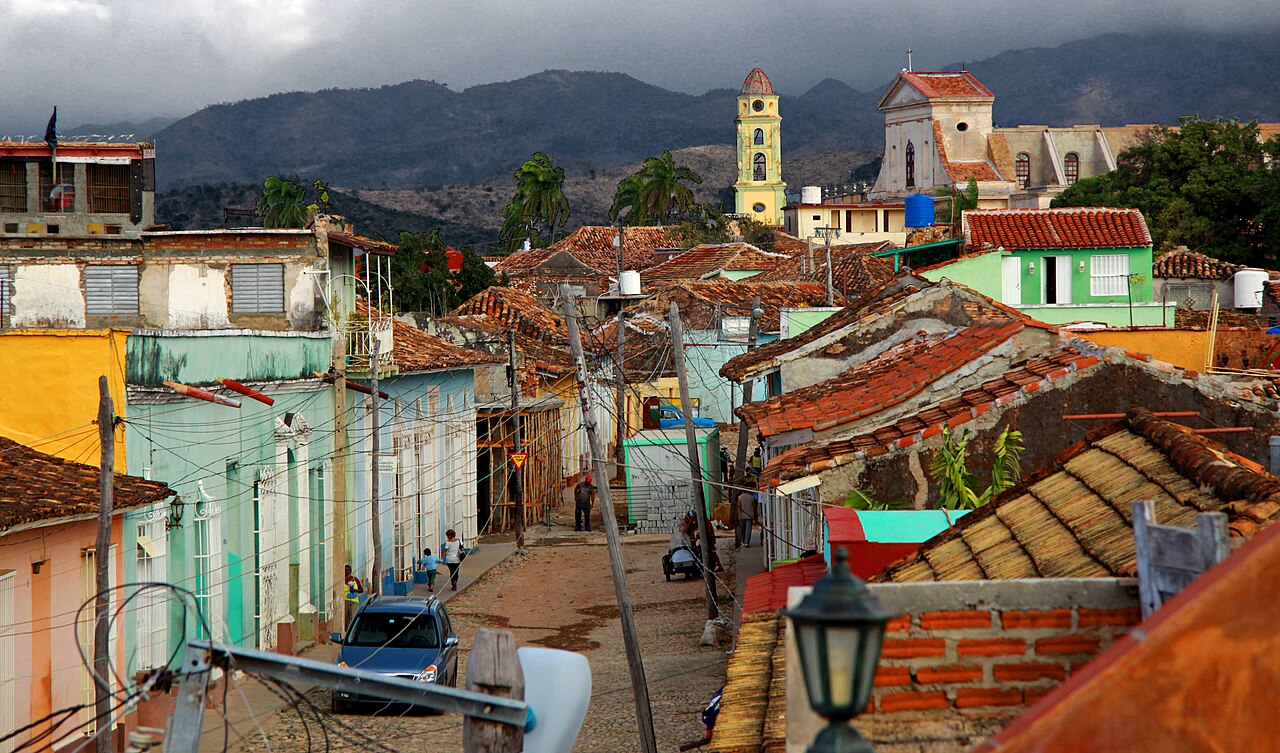
Founded in 1514 — just three years after the Spanish established their first permanent Cuban settlements — Trinidad was for most of its early history a modest backwater. Its transformation came with sugar. Between roughly 1750 and 1850, the Valle de los Ingenios spread across the plain immediately north of the town, and the wealth extracted from enslaved labour built the mansions, convents, and churches that survive largely intact today. UNESCO inscribed both the city and the valley together in 1988, recognising them as a single, inseparable landscape.
The town’s centre is Plaza Mayor, a raised square paved in local stone and bordered by wrought-iron railings and royal palms. The Iglesia Parroquial de la Santísima Trinidad overlooks it from the north, its pale yellow tower visible from the hills above town. The Museo Romántico, installed in the 18th-century Palacio Brunet, displays the furniture and silverware of the plantation-owning families — mahogany chairs, Sèvres porcelain, canopied beds — with an intimacy that no reconstruction could match. The cobblestoned streets between these landmarks are uneven enough to slow you down, which is partly the point: the unhurried pace of the town is not performed for tourists but structural, a consequence of the city’s economic isolation after the sugar economy collapsed in the late 19th century.
The Valle de los Ingenios stretches for kilometres into the countryside beyond Trinidad’s edge. The ruins of 75 sugar plantations remain scattered across the valley floor, including the Torre de Manaca Iznaga, a watchtower built in 1816 from which overseers monitored the enslaved workforce in the fields below. The silence of the valley in the late afternoon, broken only by the wind moving through the cane, is its own form of memorial to what happened here.
Getting there: Regular Víazul coaches connect Havana and Trinidad (roughly 4.5 hr); taxis and rental cars are also available for the 330 km journey. Allow: Two days — one for the colonial town, one for the valley. Best for: Travellers seeking colonial Cuba away from the capital, history of the Caribbean sugar economy, and those with an interest in vernacular architecture.
Frequently Asked Questions
How many UNESCO World Heritage Sites are near Havana?
Two UNESCO World Heritage Sites are most accessible from Havana. Old Havana and its Fortification System (inscribed 1982) is within the city itself. Trinidad and the Valle de los Ingenios (inscribed 1988) lies 330 km to the east, roughly 4.5 hours by road. Cuba has a total of 9 UNESCO World Heritage Sites, but the others require significantly more travel time from the capital.
How do you get from Havana to Trinidad?
The most straightforward option is the Víazul long-distance coach, which runs daily between Havana’s Terminal de Ómnibus and Trinidad, covering the 330 km in approximately 4.5 hours. Private taxis (colectivos or tourist taxis) make the same journey and can be faster. Car rental is available in Havana for those who prefer to drive independently; the route follows the Autopista Nacional south-east toward Santa Clara before continuing through Sancti Spíritus province.
When is the best time to visit Old Havana and Trinidad?
The dry season (November through April) is the most comfortable period, with lower humidity and virtually no rain. December to February is peak tourist season; if you prefer quieter streets, late October or early November offers good weather before the crowds arrive. The summer months (June to September) bring heat, humidity, and the possibility of tropical storms, though they also bring lower prices and a more local atmosphere, particularly in Trinidad.
Why was Old Havana inscribed as a UNESCO World Heritage Site?
UNESCO recognised Old Havana in 1982 for its outstanding concentration of colonial architecture, its intact urban fabric dating from the 16th to the 19th century, and the strategic military engineering of its four fortress complexes. The site illustrates the Spanish system of fortified colonial ports that controlled Atlantic trade routes during the era of the treasure fleets. The combination of civil, religious, and military architecture — preserved in part because of Cuba’s 20th-century economic isolation — makes Old Havana one of the most complete surviving colonial ensembles in the Americas.
Sources
- S1 — Thomas, Hugh. Cuba: The Pursuit of Freedom. Da Capo Press, 1998. ISBN 978-0-306-80827-2.
- S2 — Scarpaci, Joseph L., Roberto Segre, and Mario Coyula. Havana: Two Faces of the Antillean Metropolis. University of North Carolina Press, 2002. ISBN 978-0-8078-5369-6.
Spotted an error? Write to editorial@culturalheritageonline.com and we correct it the same day.



.jpeg)

.jpg)