
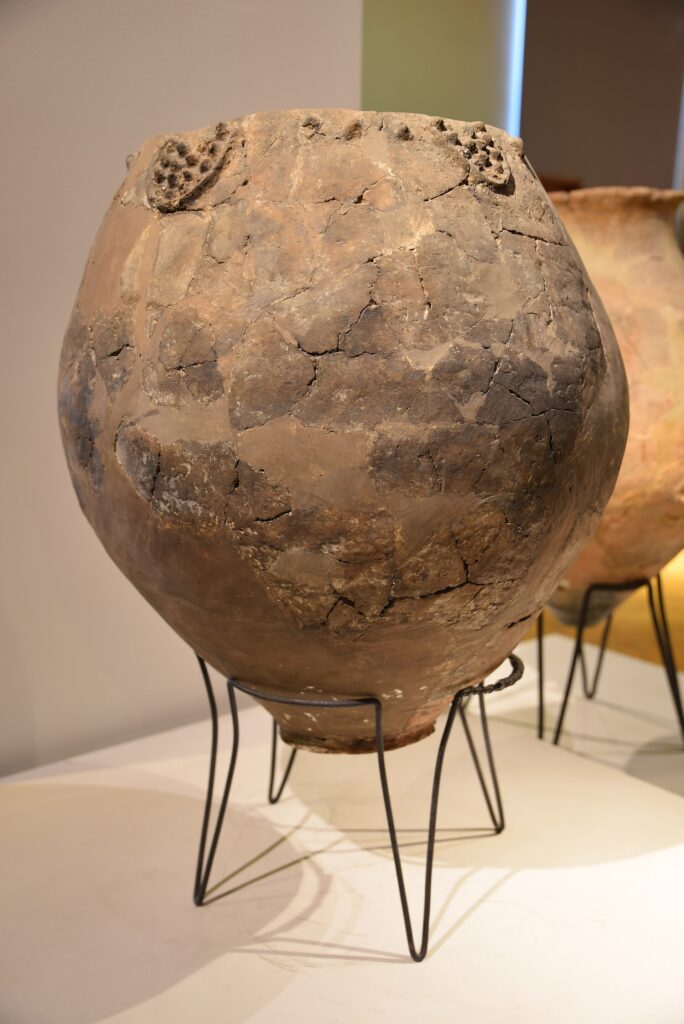
Qvevri wine-making
Georgian winemakers ferment and age wine in large earthenware qvevri vessels, a practice spanning millennia and defining the country’s wine identity.

Georgian winemakers ferment and age wine in large earthenware qvevri vessels, a practice spanning millennia and defining the country’s wine identity.
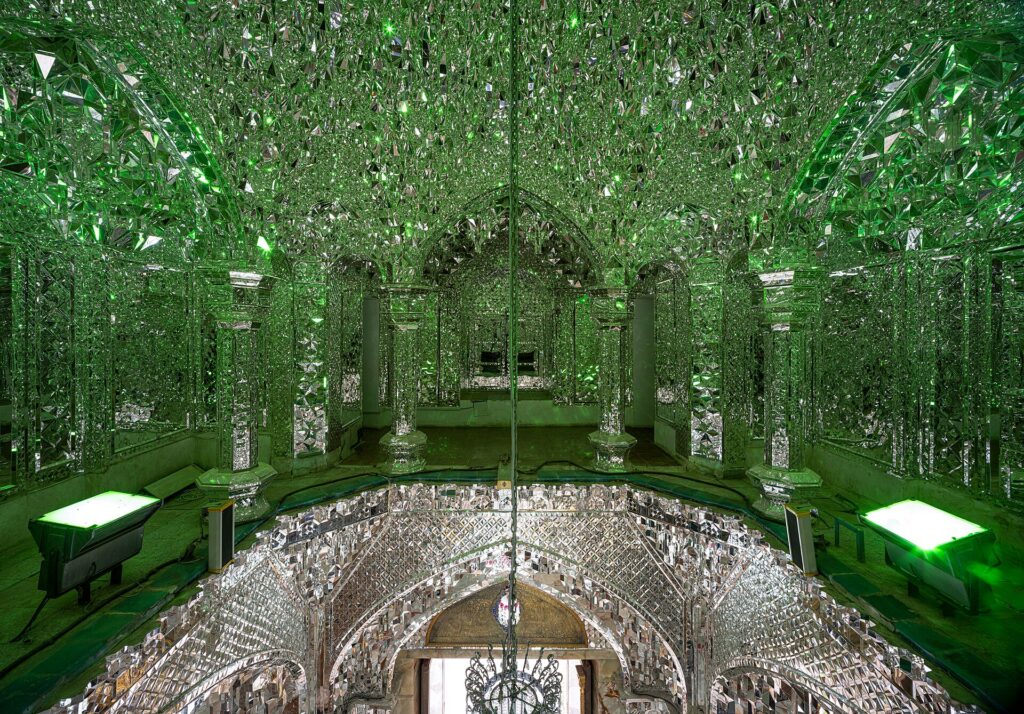
Iranian artisans assemble finely cut mirrors into geometric and botanical forms that scatter light across interior walls and ceilings, strengthening and beautifying the space.
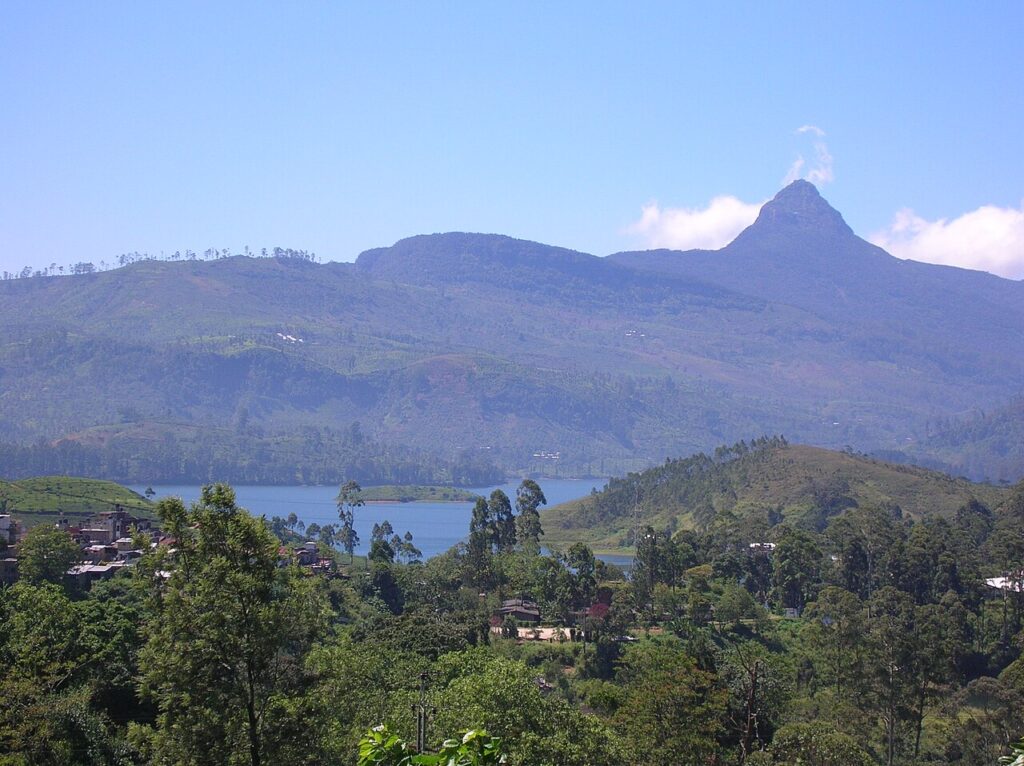
The Central Highlands of Sri Lanka, a UNESCO World Heritage Site since 2010, covers 56,000 hectares across three protected areas including Peak Wilderness (Adam’s Peak at 2,243m), Horton Plains (World’s End escarpment drops 880m), and the Knuckles Conservation Forest. The highland landscape is inseparable from the history of coffee leaf rust — which destroyed the entire Ceylon coffee industry between 1869 and 1879 — and the switch to tea that followed. Kandy (35km northwest) and Sinharaja Forest Reserve (40km south) are both within a half-day’s travel.
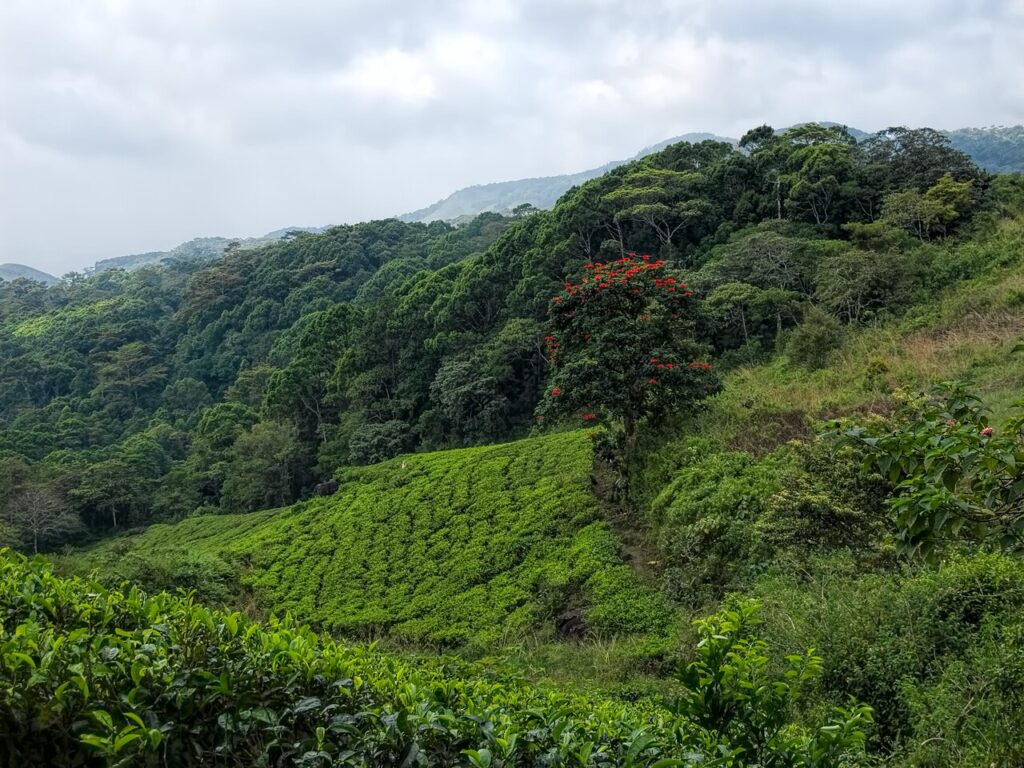
Sinharaja Forest Reserve, a UNESCO World Heritage Site since 1988, is the last viable tropical rainforest in Sri Lanka, covering 8,864 hectares in the Wet Zone and containing 60% of the island’s endemic tree species. Saved from commercial logging in 1977 after public protests, the reserve is known for mixed-species bird flocks of up to 15 species — a behaviour rare globally. The Central Highlands (40km north), Galle Fort (60km south), and Kandy (80km northeast) are all within a day’s travel.
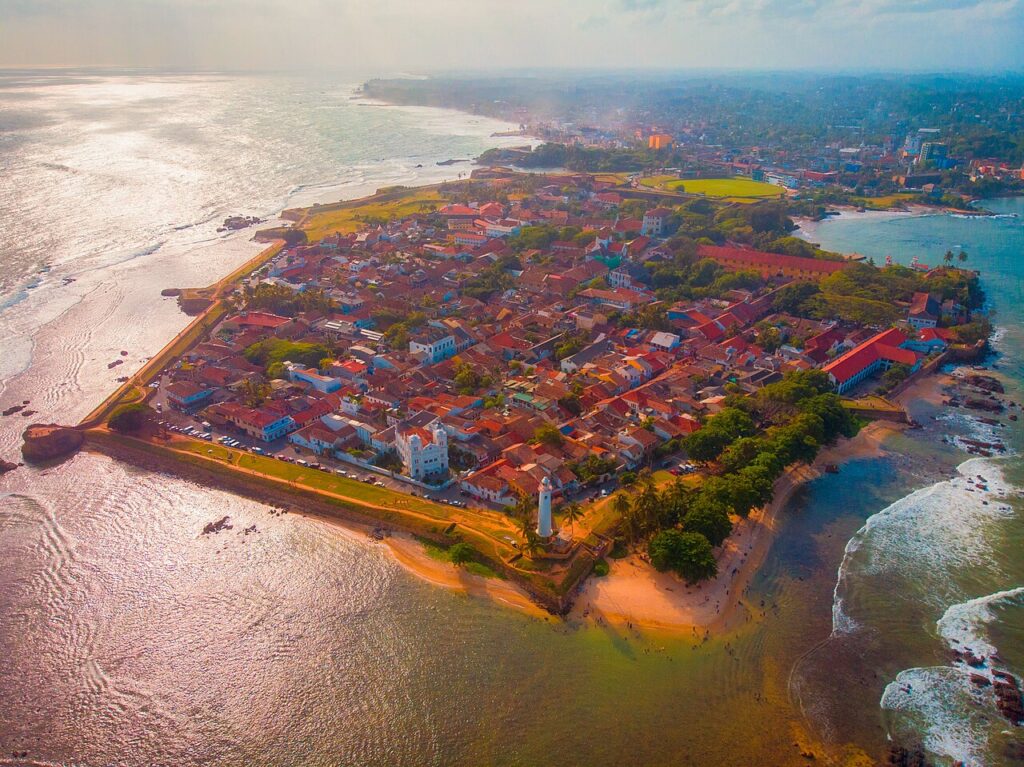
Galle Fort, a UNESCO World Heritage Site since 1988, is a 52-hectare fortified peninsula on Sri Lanka’s southwest coast where Portuguese, Dutch, and British construction layers survive intact within a town still inhabited by roughly 400 families. The Dutch rebuilt the ramparts in 1663; the lighthouse added in 1848 remains operational. Within a day’s travel, three more UNESCO sites span Sri Lanka’s ecological and historical range: Sinharaja Forest Reserve (60km), the Central Highlands (100km), and Kandy (150km).

Kandy served as the last independent capital of the Sinhalese kings from 1592 to 1815, when the British annexed it not by military conquest but through the Kandyan Convention, a political agreement signed after palace intrigue. The city’s Dalada Maligawa houses the tooth relic of the Buddha, whose possession conferred the right to rule across centuries of Sri Lankan kingship. Three more UNESCO World Heritage Sites lie within 80 kilometres: the Central Highlands (20 km south) and Sinharaja Forest Reserve (80 km southwest), plus Anuradhapura (190 km north).
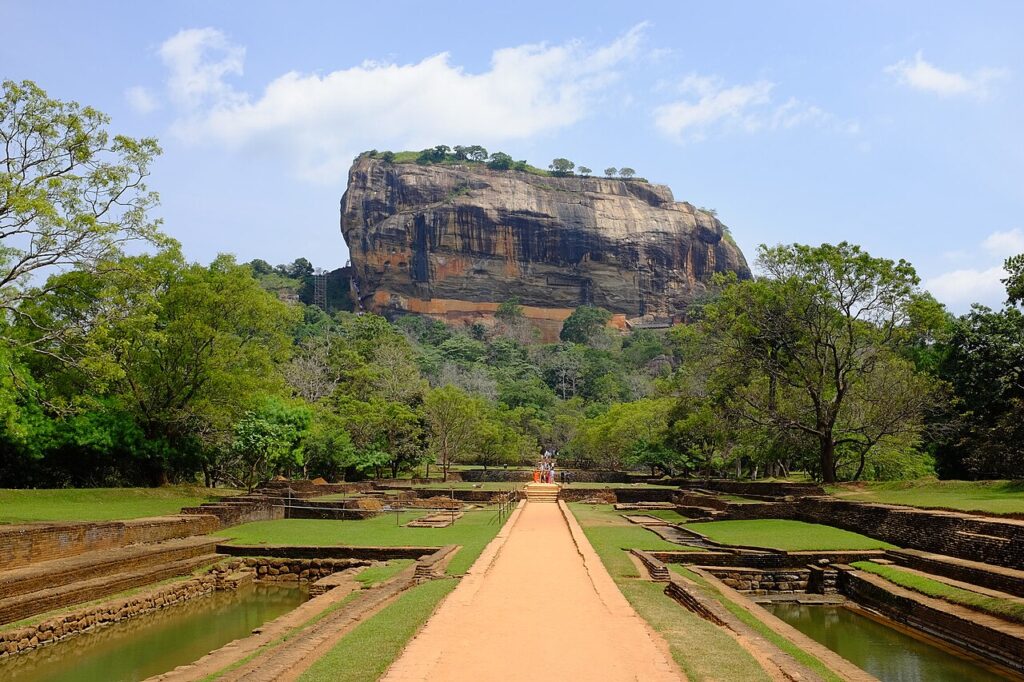
Sigiriya is a 200-metre granite inselberg in central Sri Lanka where King Kashyapa I built a fortified palace between 477 and 495 CE after seizing the throne by killing his father. The site preserves 22 surviving frescoes on the rock face painted at 100 metres above ground, a gravity-fed fountain system still functional today, and a polished Mirror Wall inscribed by 8th–10th-century visitors in some of the oldest surviving Sinhala literary writing. Anuradhapura (85 km northwest) and Polonnaruwa (60 km northeast) are both reachable within 90 minutes.
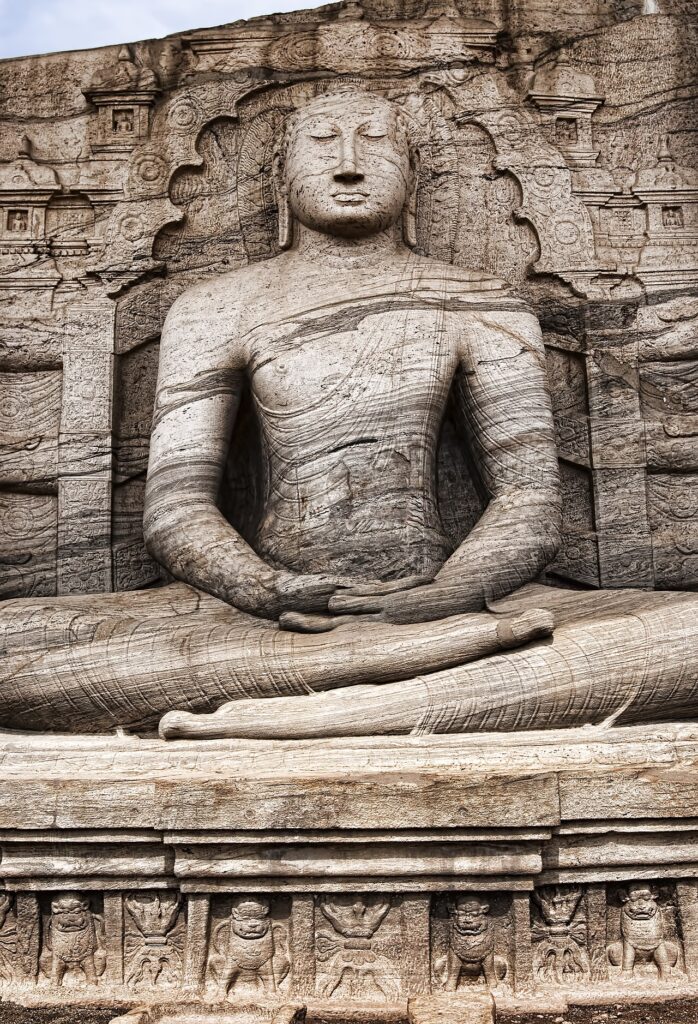
Polonnaruwa, the second capital of Sri Lanka from 1017 to 1215 CE, was the most complete medieval city on the island before its abandonment following the collapse of the dry-zone irrigation network. The site’s Gal Vihara presents four colossal Buddhist figures carved from a single granite face, the largest a 14-metre reclining parinirvana figure, and the nearby Parakrama Samudra reservoir — 22 square kilometres — remains in agricultural use today. Anuradhapura (100 km northwest) and Sigiriya (60 km northwest) are both reachable within 90 minutes.
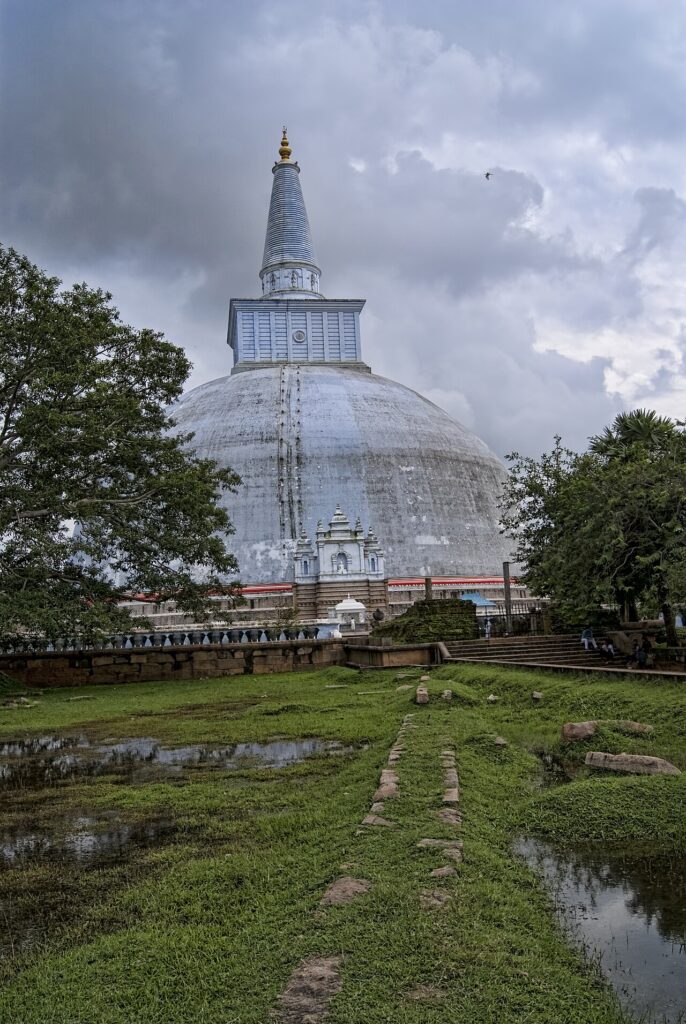
Anuradhapura, the first capital of Sri Lanka from 380 BCE to 1017 CE, contains ten UNESCO-protected monuments within its sacred precinct, including the 103-metre-diameter Ruwanwelisaya Stupa built by King Dutugamunu in 161 BCE and the Sri Maha Bodhi — the world’s oldest historically documented tree, planted in 288 BCE from a cutting of the original Bodhi tree at Bodh Gaya. Three additional UNESCO World Heritage Sites lie within 215 kilometres: Polonnaruwa (100 km), Sigiriya (85 km), and Kandy (210 km).

Vigan, the only intact pre-20th-century Spanish colonial city in the Philippines (UNESCO 1999), preserves 190 heritage buildings fusing Chinese, Spanish, and Ilocano building traditions on a cobblestoned grid founded in 1572; four further UNESCO sites lie within 600 kilometres, including the 2,000-year-old Ifugao rice terraces 200 km east and the world’s longest navigable underground river at Puerto Princesa 300 km south on Palawan.