Paola Bonometti
Content Editor

Paola Bonometti

Paola Bonometti is a volunteer with the ABCO association and still contributes to it today.

Contributions: 1,027 articles

Author name: Paola Bonometti

Paola Bonometti is a volunteer with the ABCO association and still contributes to it today.

UNESCO Heritage Sites Near Museum Plantin-Moretus

UNESCO Heritage Sites Near Museum Plantin-Moretus

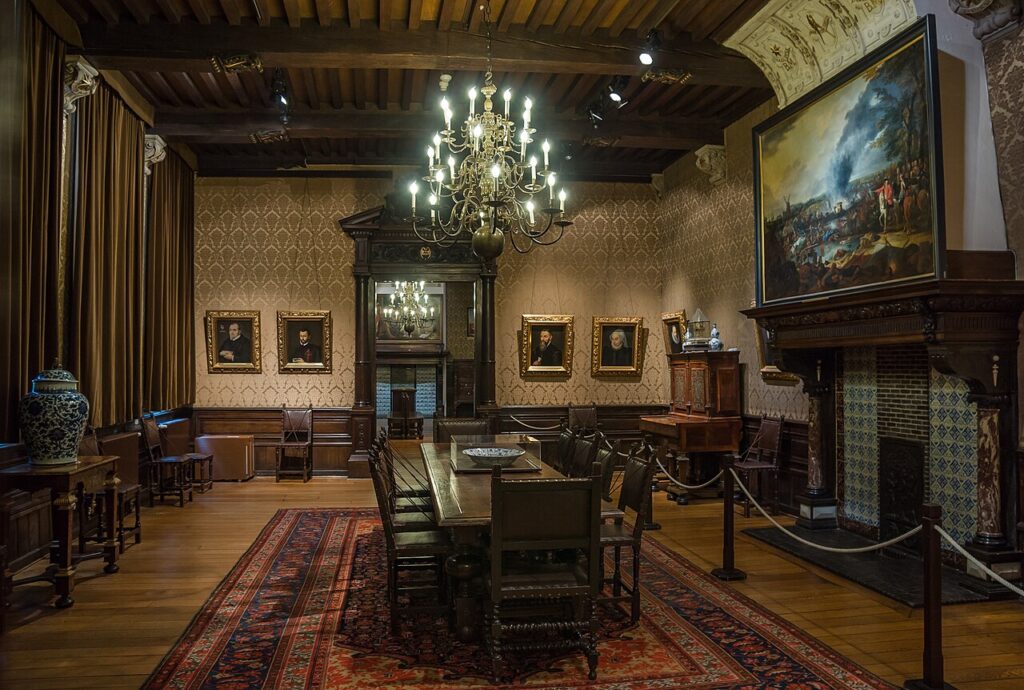
The Museum Plantin-Moretus in Antwerp is the world’s only intact 16th-century printing house — a UNESCO World Heritage Site since 2005 — containing the two oldest surviving European printing presses, the archive of a publisher who produced the first 8-language Bible for Philip II of Spain, and a first edition of Thomas More’s Utopia. The Moretus family preserved the house, presses, type, and correspondence for three centuries before selling it to the City of Antwerp in 1876 with nothing dispersed.
UNESCO Heritage Sites Near Stoclet Palace, Brussels

UNESCO Heritage Sites Near Stoclet Palace, Brussels

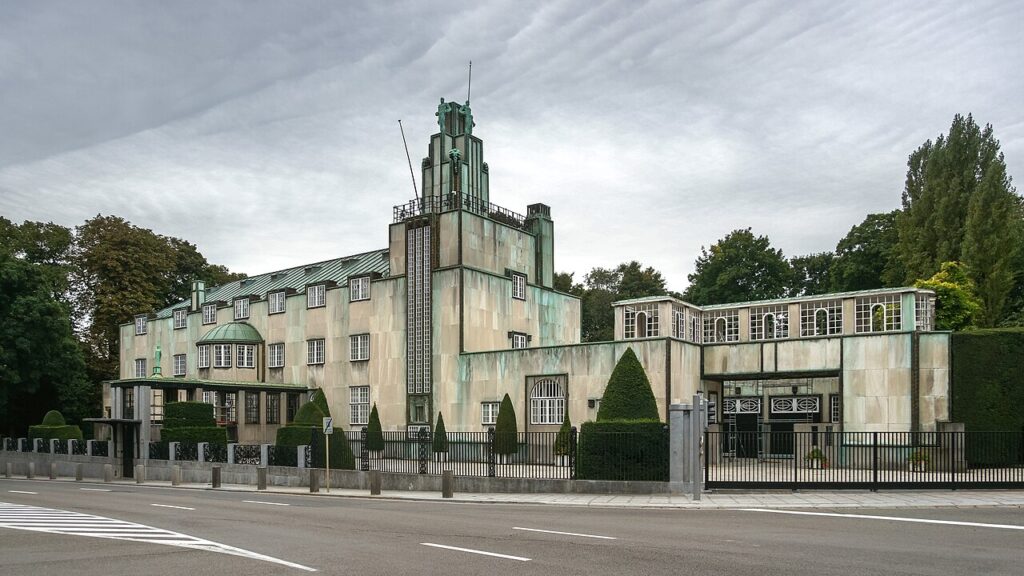
The Stoclet Palace in Brussels is the only UNESCO World Heritage Site inscribed for a building the public cannot enter. Built between 1905 and 1911 for Belgian banker Adolphe Stoclet to designs by Josef Hoffmann of the Vienna Secession, it contains Gustav Klimt’s most ambitious decorative work — a mosaic frieze in the dining room that has never been publicly exhibited and survives intact behind private walls.

UNESCO Heritage Sites Near Dessau-Wörlitz, Germany

UNESCO Heritage Sites Near Dessau-Wörlitz, Germany

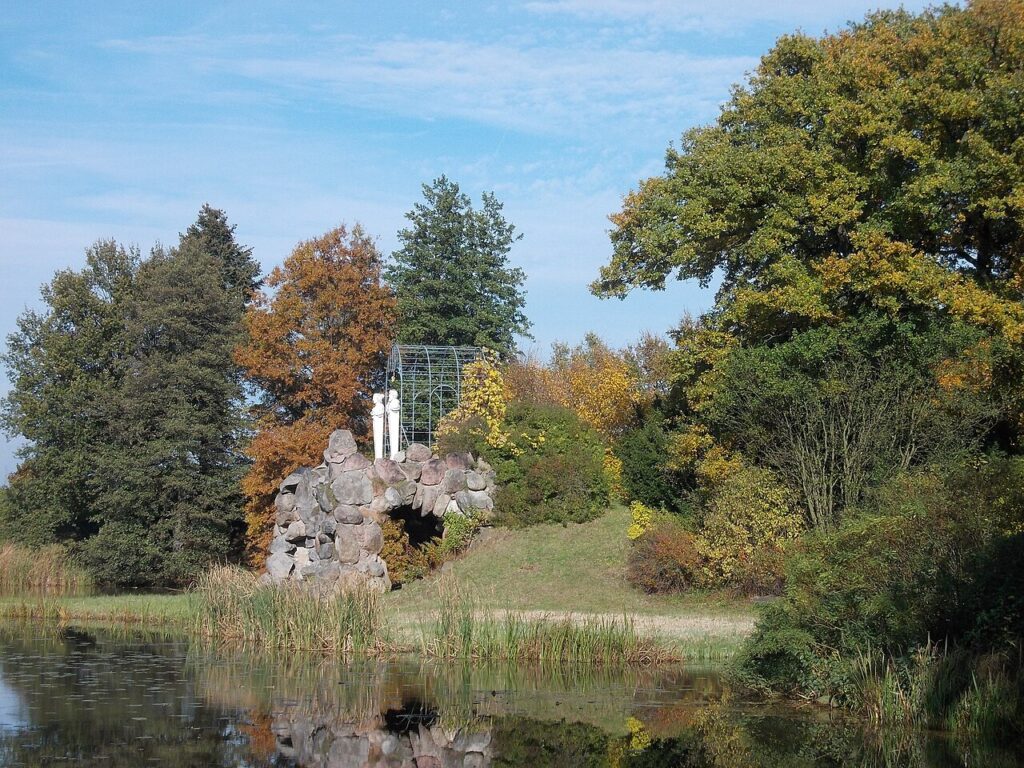
The Garden Kingdom of Dessau-Wörlitz, a UNESCO World Heritage Site since 2000, is an 18th-century landscape park of 142 square kilometres in Saxony-Anhalt created by Prince Franz of Anhalt-Dessau from 1764 onward. It contains the first Neo-Classical building in Germany, the first English-style landscape park on the European continent, a volcano, a Rousseau Island, and a synagogue built as a Roman temple in 1790.

UNESCO Heritage Sites Near Bauhaus in Dessau and Weimar

UNESCO Heritage Sites Near Bauhaus in Dessau and Weimar

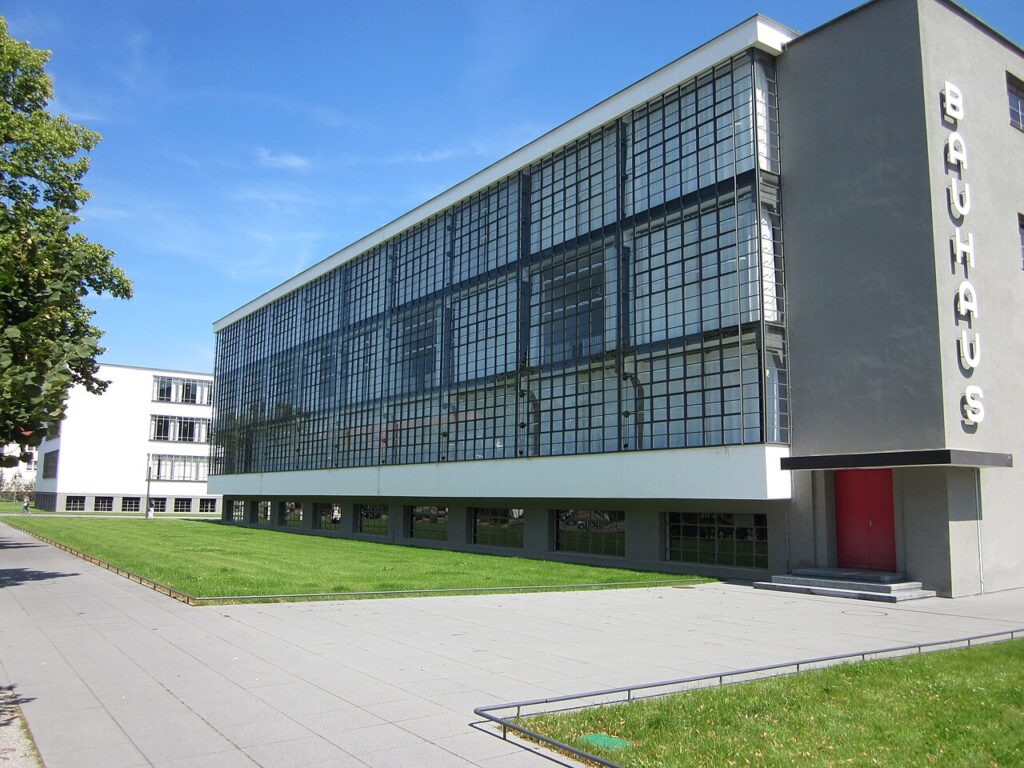
The Bauhaus school founded by Walter Gropius in Weimar in 1919 and relocated to Dessau in 1925 generated a cluster of buildings inscribed as UNESCO World Heritage in 1996 — among them the Dessau Bauhaus building with its glass curtain wall workshop wing, the Masters’ Houses where Paul Klee and Wassily Kandinsky were neighbours, and the ADGB Trade Union School in Bernau, the purest example of the school’s functional architecture.

UNESCO Heritage Sites Near Konya, Turkey

UNESCO Heritage Sites Near Konya, Turkey

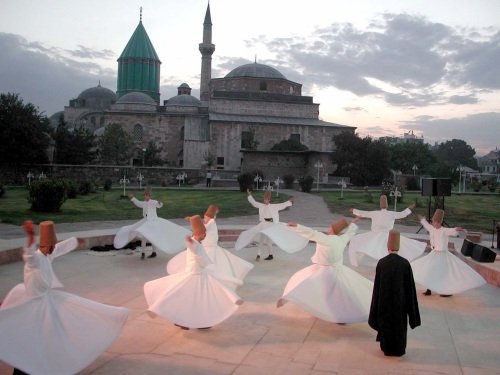
Konya holds Turkey’s holiest Islamic shrine: the Mevlana Museum, turquoise-tiled tomb of Jalal ad-Din Rumi (1273), founder of the Whirling Dervishes (Sema, UNESCO Intangible Heritage). The Seljuk Karatay Madrasa (1251, glazed tile interior) and the Neolithic proto-city of Çatalhöyük (8800 BCE, inscribed 2012) are nearby.

UNESCO Heritage Sites Near Melaka, Malaysia

UNESCO Heritage Sites Near Melaka, Malaysia

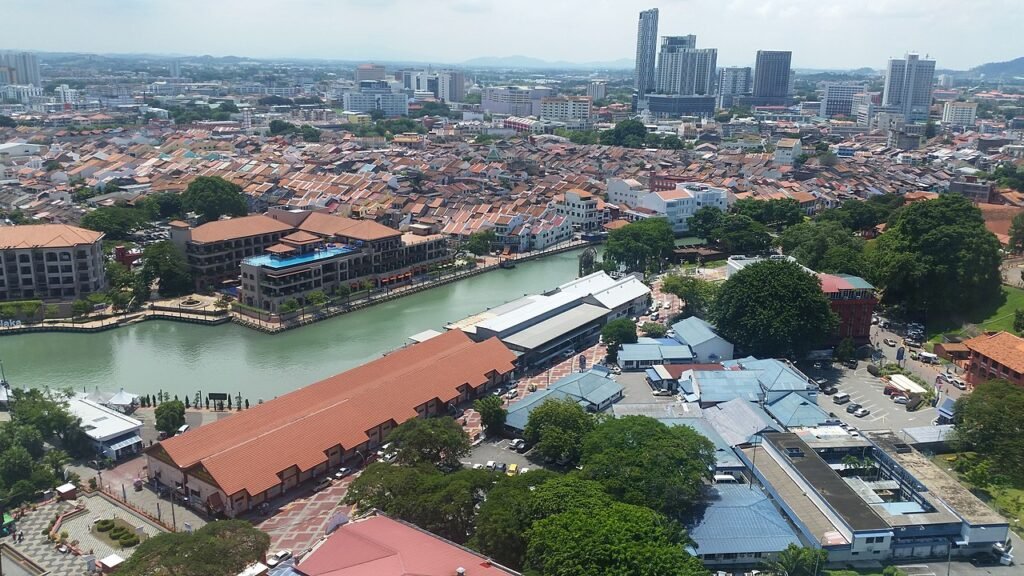
Melaka — inscribed 2008 jointly with George Town (Penang) — is Southeast Asia’s most layered colonial trading city: Malay Sultanate (1400), Portuguese fortress (1511), Dutch Stadthuys (1660), and Baba-Nyonya Peranakan Chinese-Malay cultural synthesis across 600 years. George Town’s clan jetties and Ernest Zacharevic street art are 3.5 hours north.

UNESCO Heritage Sites Near Olomouc, Czechia

UNESCO Heritage Sites Near Olomouc, Czechia

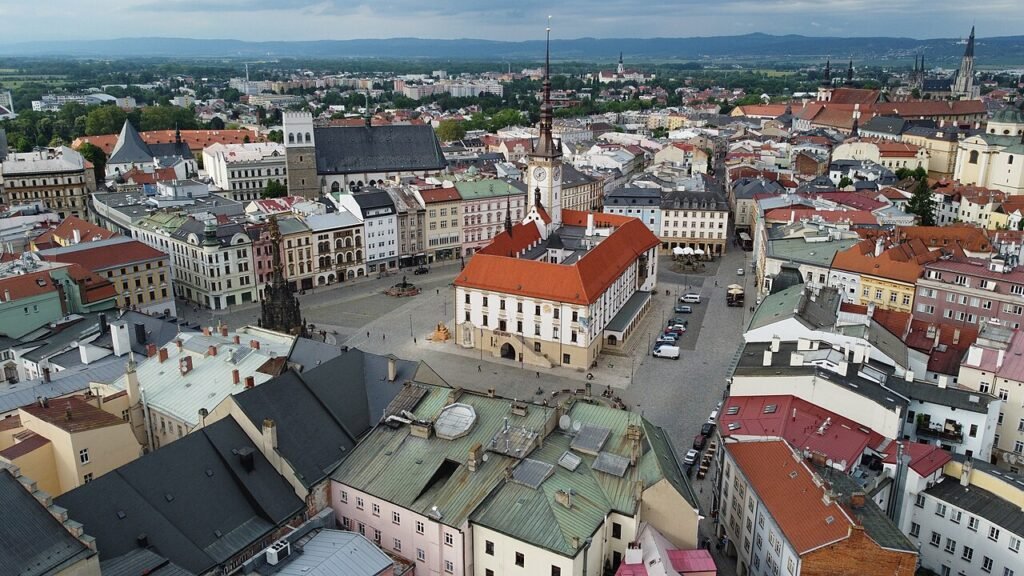
Olomouc’s Holy Trinity Column — inscribed 2000 — is the largest Baroque plague column in Central Europe: 35 metres of gilded sandstone on Moravia’s grand Upper Square, built 1716–1754 by private donation after the 1714 plague. Kroměříž’s Archbishop’s Gardens and Castle (inscribed 1998) contain Titian’s Apollo and Marsyas, 30 minutes south.

UNESCO Heritage Sites Near Visby, Sweden

UNESCO Heritage Sites Near Visby, Sweden

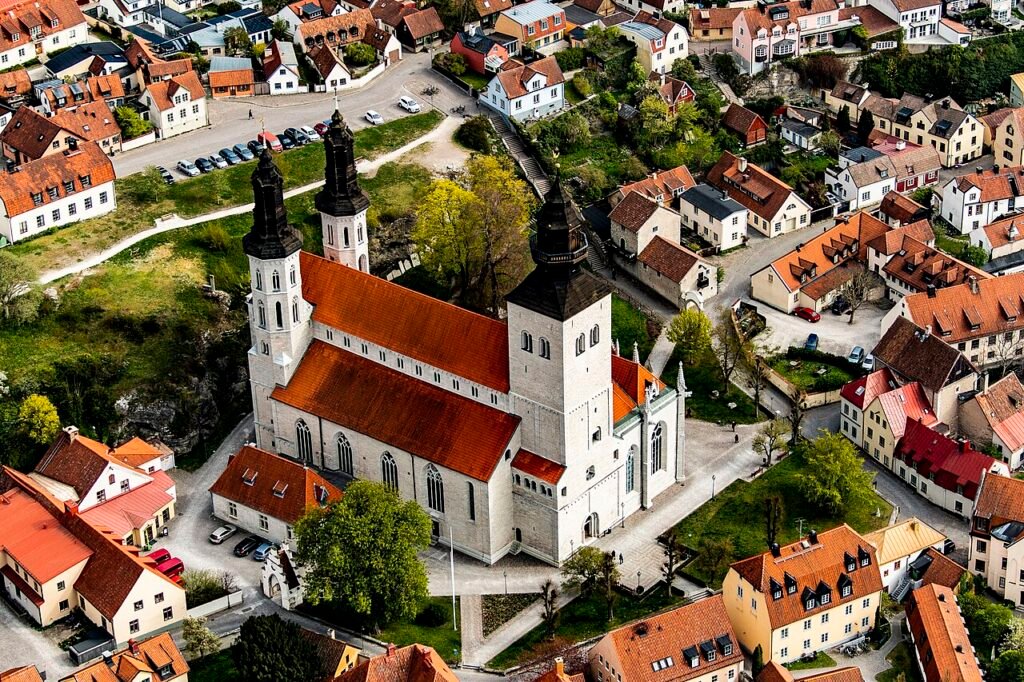
Visby’s Hanseatic town — inscribed 1995 — is Scandinavia’s most completely preserved medieval walled city: 3.5 km of 12th-century limestone walls, 27 towers, the intact Cathedral of Saint Mary, and 12 roofless ruined churches (testament to the Hanseatic League’s rise and collapse after 1361). The Södra Öland Iron Age field landscape is on the neighbouring island.

UNESCO Heritage Sites Near Kairouan, Tunisia

UNESCO Heritage Sites Near Kairouan, Tunisia

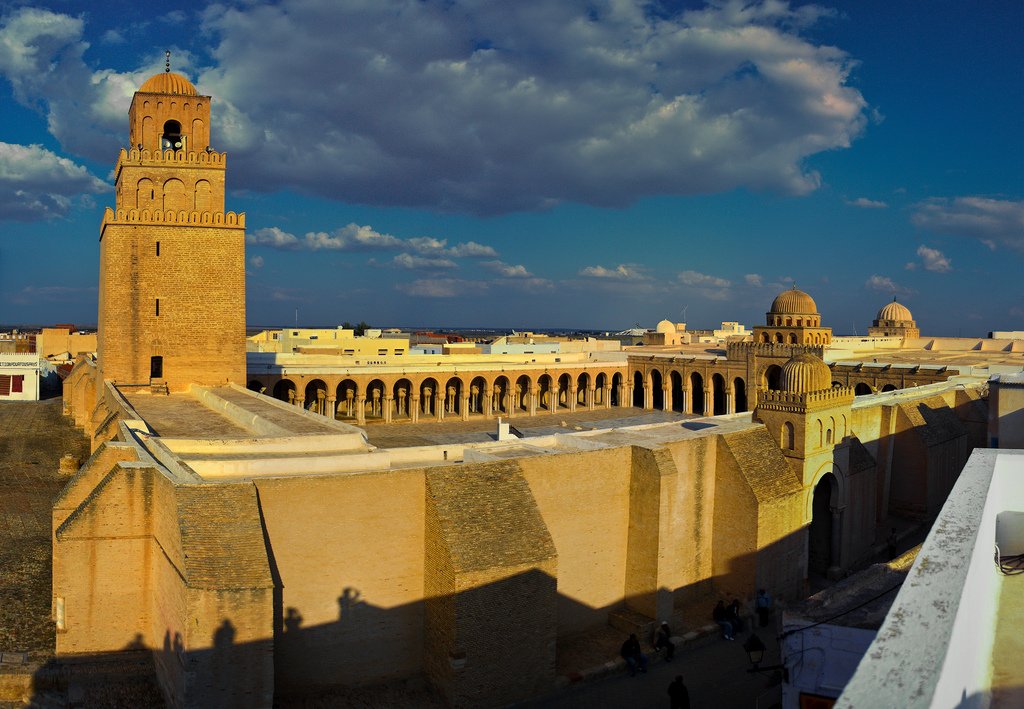
Kairouan — inscribed 1988 — is the fourth holiest city in Islam and the foundation city of Islamic North Africa: the Great Mosque (670 CE, rebuilt 836–875, oldest surviving mosque in the western Islamic world) with its 414 columns and lustre-tile mihrab. Tunisia’s other inscribed sites include the Amphitheatre of El Jem (Rome’s best-preserved outside Italy) and Dougga’s complete Roman town.

Scroll to Top