Paola Bonometti
Content Editor

Paola Bonometti

Paola Bonometti is a volunteer with the ABCO association and still contributes to it today.

Contributions: 1,027 articles

Author name: Paola Bonometti

Paola Bonometti is a volunteer with the ABCO association and still contributes to it today.

UNESCO Heritage Sites Near Byblos, Lebanon

UNESCO Heritage Sites Near Byblos, Lebanon

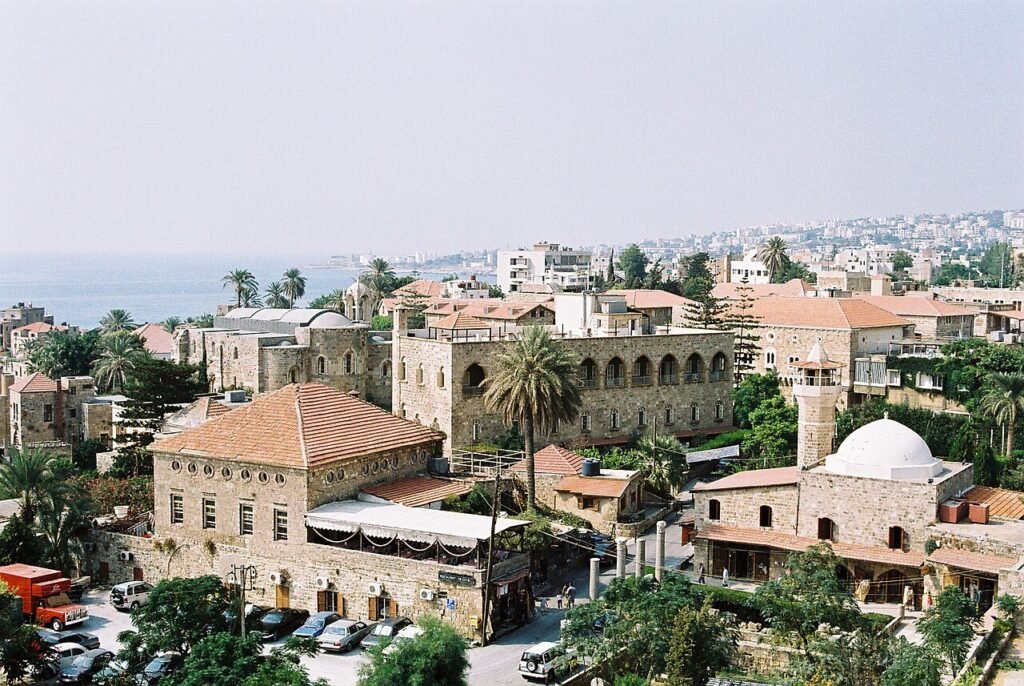
Byblos — inscribed 1984 — is one of the oldest continuously inhabited cities in the world (since 8800 BCE), the Phoenician port that gave the Greek alphabet to Europe and the word “Bible” to the world. Lebanon’s 5 other inscribed sites include Baalbek (world’s largest Roman temple complex, Trilithon stones of 1,000 tonnes each) and the Qadisha cedar forest.
UNESCO Heritage Sites Near Mount Huangshan, China

UNESCO Heritage Sites Near Mount Huangshan, China

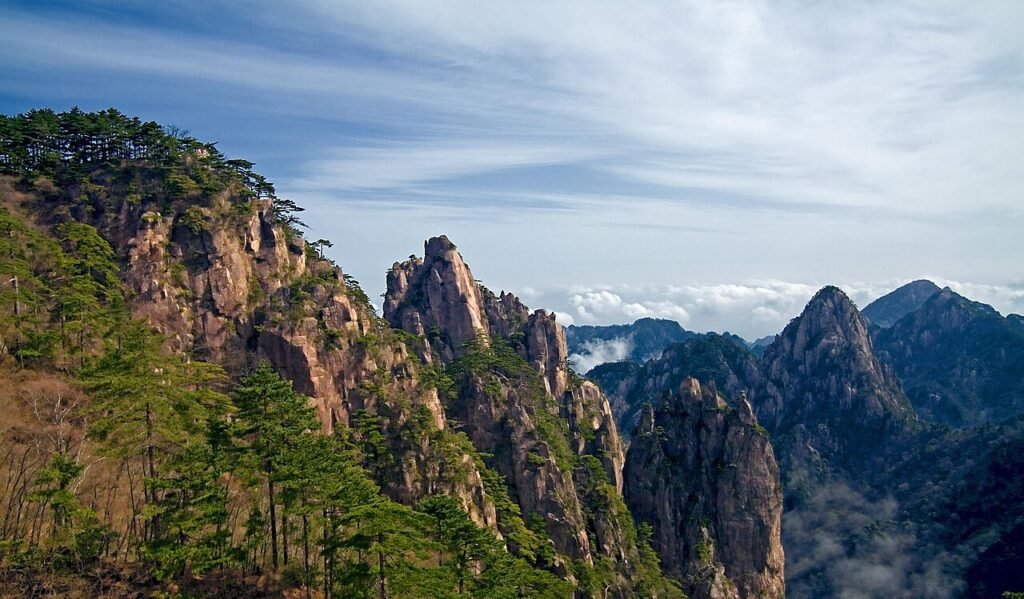
Mount Huangshan — inscribed 1990 — is China’s most painted mountain: 77 granite peaks rising above seas of cloud in Anhui Province, the template for the shan shui landscape painting tradition since the Tang dynasty. The whitewashed Huizhou merchant villages of Xidi and Hongcun (inscribed 2000) are 1 hour northwest.

UNESCO Heritage Sites Near Göreme, Cappadocia

UNESCO Heritage Sites Near Göreme, Cappadocia

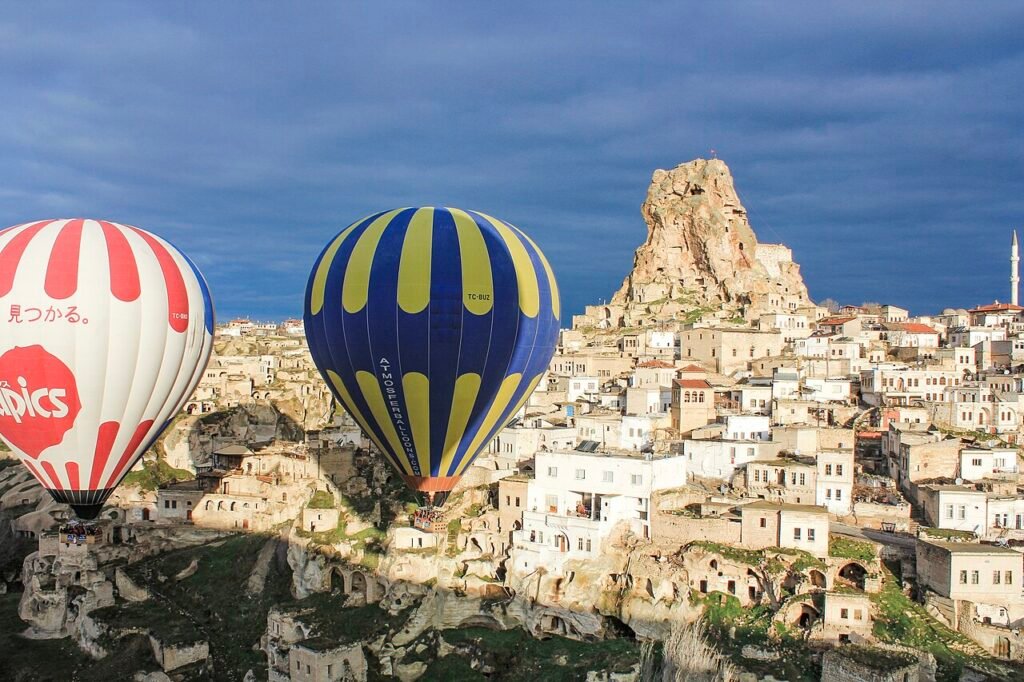
Göreme National Park — inscribed 1985 — preserves Cappadocia’s tufa fairy chimneys carved into cave dwellings and Byzantine churches: the Göreme Open Air Museum’s 10th-century fresco cycles (Dark Church, Apple Church) and the Derinkuyu underground city, 8 stories deep and shelter for 20,000 people. Çatalhöyük’s Neolithic town is 2.5 hours south.

UNESCO Heritage Sites Near Novgorod, Russia

UNESCO Heritage Sites Near Novgorod, Russia

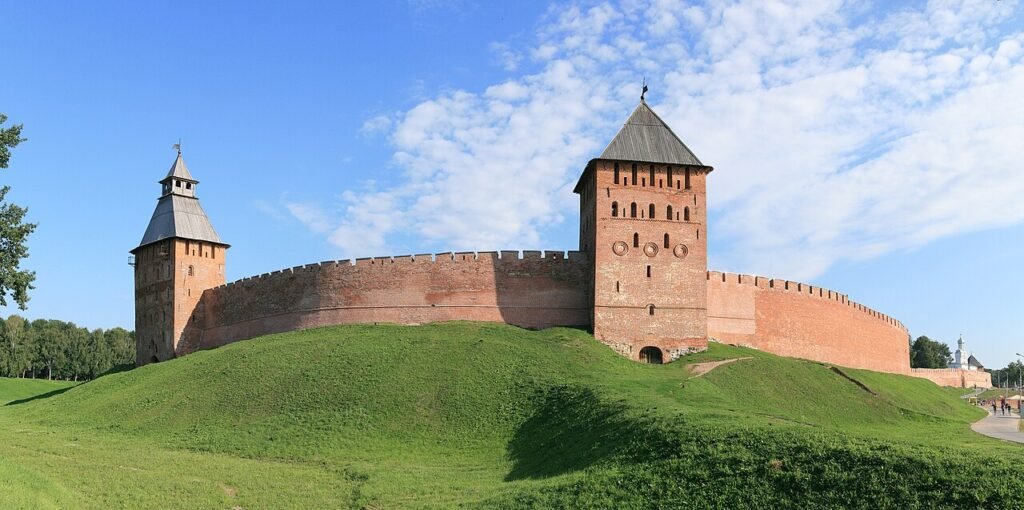
Novgorod’s Historic Monuments — inscribed 1992 — preserve 37 medieval churches of the Novgorod Republic (1136–1478), Russia’s most democratic medieval city-state: the Kremlin’s 1045 Cathedral of Saint Sophia (Russia’s oldest stone building north of Kiev) and the Theophanes the Greek frescoes of 1378. Pskov’s medieval city is 3.5 hours southwest.

UNESCO Heritage Sites Near Albi, France

UNESCO Heritage Sites Near Albi, France

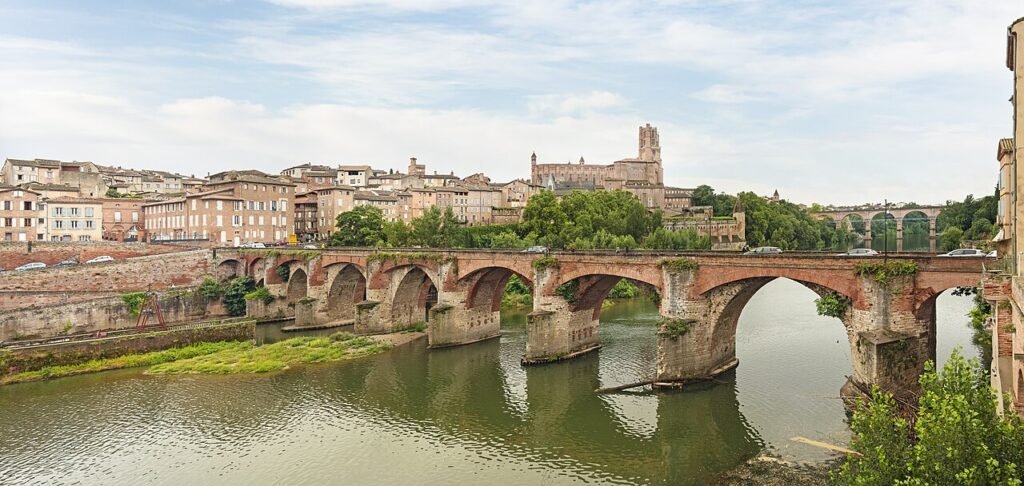
Albi’s Episcopal City — inscribed 2010 — is dominated by the fortified Sainte-Cécile Cathedral (begun 1282, the world’s largest brick cathedral, built as a statement of Inquisitorial power after the Cathar Crusade) and the Palais de la Berbie, now the world’s largest Toulouse-Lautrec collection. Carcassonne is 1 hour west.

UNESCO Heritage Sites Near Vigan, Philippines

UNESCO Heritage Sites Near Vigan, Philippines

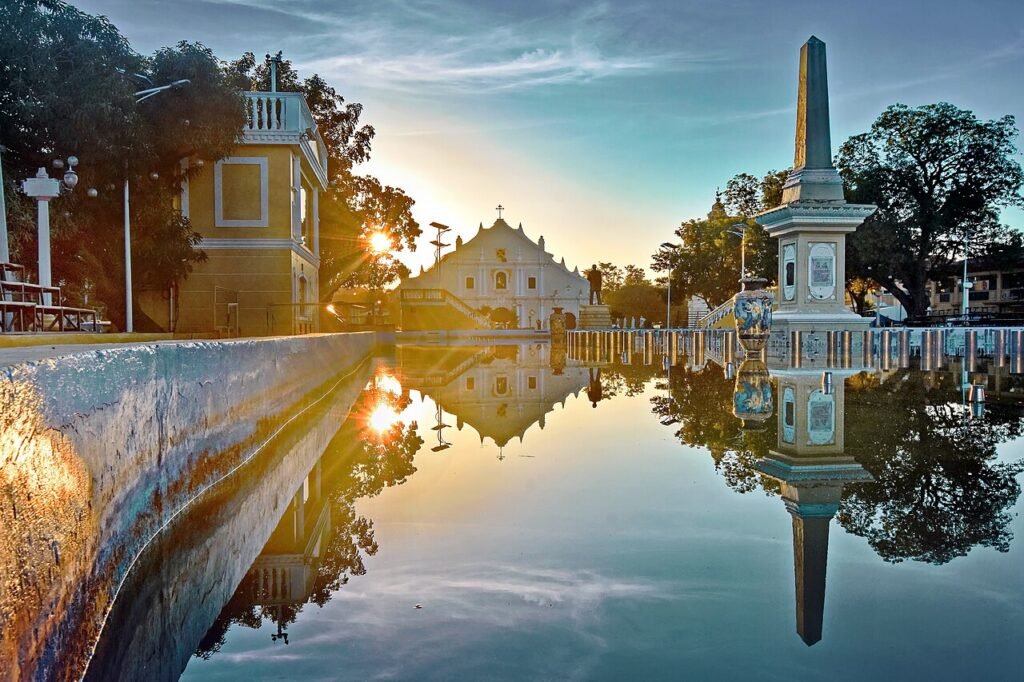
Vigan — inscribed 1999 — is the best-preserved Spanish colonial city in Asia: 183 bahay na bato stone-and-timber merchant houses along cobblestone Calle Crisologo, the oldest cathedral in the Philippines (founded 1574), and the Burnay pottery district. The Earthquake Baroque Paoay Church is 20 minutes north; the Cordillera Rice Terraces are 3 hours east.

UNESCO Heritage Sites Near Pingyao Ancient City

UNESCO Heritage Sites Near Pingyao Ancient City

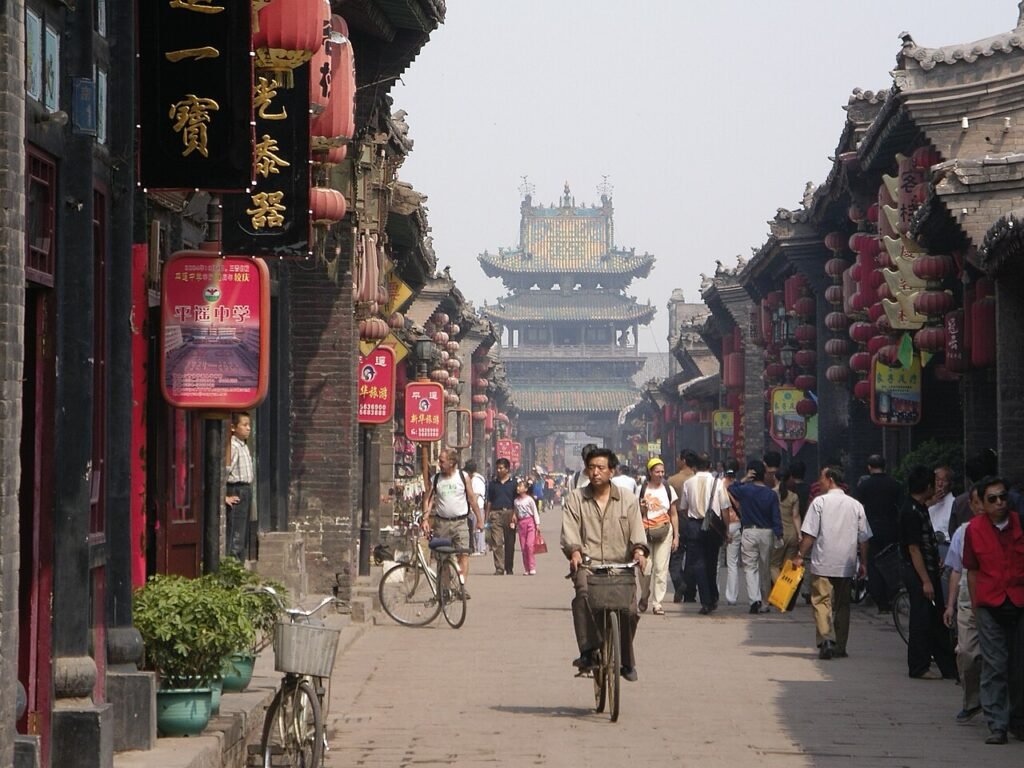
Pingyao — inscribed 1997 — is China’s best-preserved Ming dynasty walled city (1370 CE walls, 72 watchtowers, 3,700 courtyard residences intact) and the birthplace of modern Chinese banking: the Rishengchang (1823), the world’s first draft bank, invented the transfer of money without moving silver. Mount Wutai’s 47 Buddhist monasteries are 3 hours northeast.

UNESCO Heritage Sites Near Bamberg, Germany

UNESCO Heritage Sites Near Bamberg, Germany

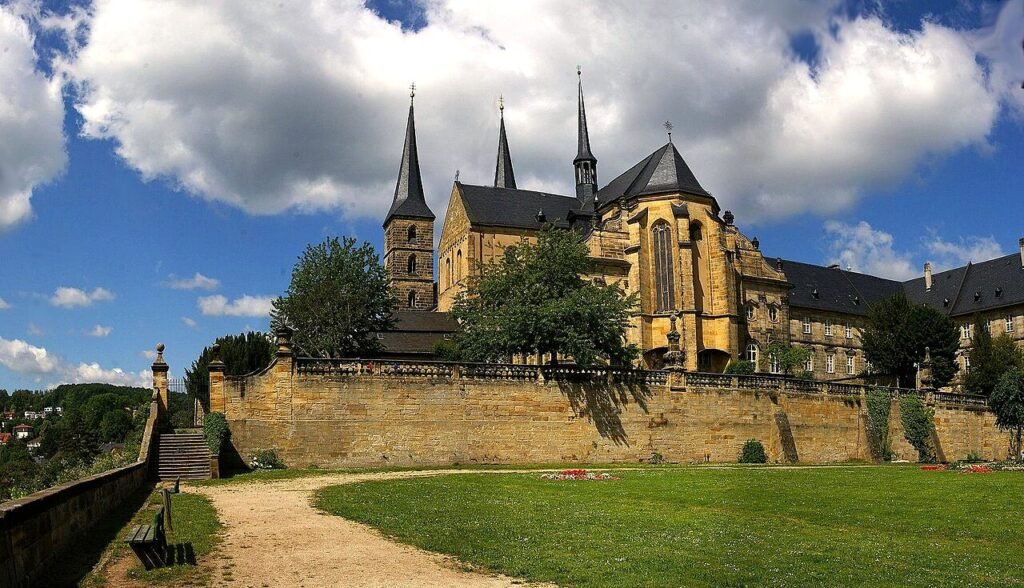
Bamberg — inscribed 1993 — is the best-preserved medieval German city, a Carolingian planned city on seven church-crowned hills that survived WWII intact. The Cathedral’s Bamberger Reiter (oldest secular equestrian statue in German art, c. 1235) and the Schlenkerla Rauchbier brewery draw heritage and beer tourists equally. Würzburg’s Tiepolo Baroque Residence is 1 hour south.

UNESCO World Heritage Sites Near Lviv: the Historic Centre, the Golden Horseshoe Castles and Przemyśl

UNESCO Heritage Sites Near Lviv, Ukraine

Lviv’s Historic Centre — inscribed 1998 — is the most completely preserved medieval and Renaissance city in Ukraine: Rynok Square, the Latin Cathedral (1360), the Armenian Cathedral (1363), and the Dominican Cathedral within walking distance of each other, documenting 700 years of Central European cultural intersection. Note: Lviv is in an active conflict zone — check current advisories.

Scroll to Top