
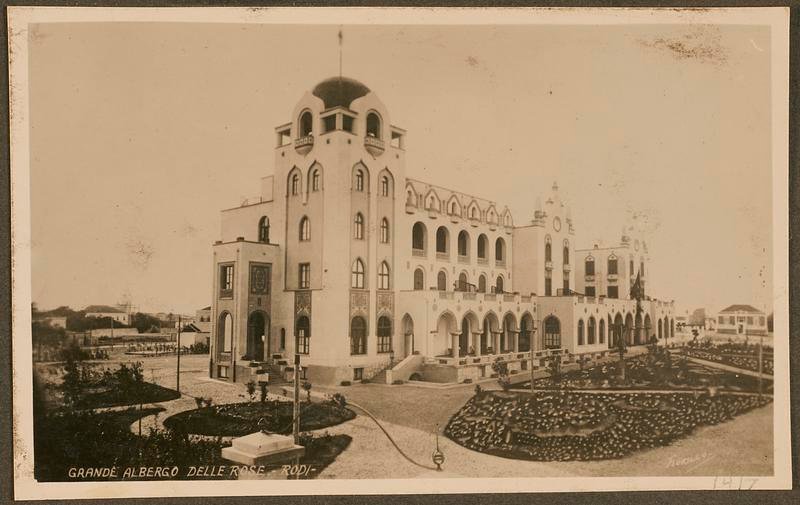
Grande Albergo delle Rose, Rhodes
The flagship hotel of Italian Rhodes, opened in 1927 to the design of Florestano Di Fausto and Michele Platania: a seafront palace of Venetian, Byzantine…

Luigi De Marchi, architect, is the editor and publisher of Cultural Heritage Online. He founded the archive in 1998 as beniculturalionline.it and has published it without interruption since.
Contributions: 61 articles · 1,304 heritage places · 14 events · 29 itineraries · 5 road-books · 327 photographs
Published on beniculturalionline.it, the Italian archive of this publication, online since 1998. They are being brought into Cultural Heritage Online.
The flagship hotel of Italian Rhodes, opened in 1927 to the design of Florestano Di Fausto and Michele Platania: a seafront palace of Venetian, Byzantine…

Italy’s first colony holds its most recognised built record: Asmara, UNESCO-listed in 2017 as “A Modernist African City”, with the Fiat Tagliero and Cinema Impero — and the engineering that tied a 2,400-metre capital to the sea: the 1911 mountain railway and the 75-km Massawa cableway, the world’s longest. Second in the overseas territories series.
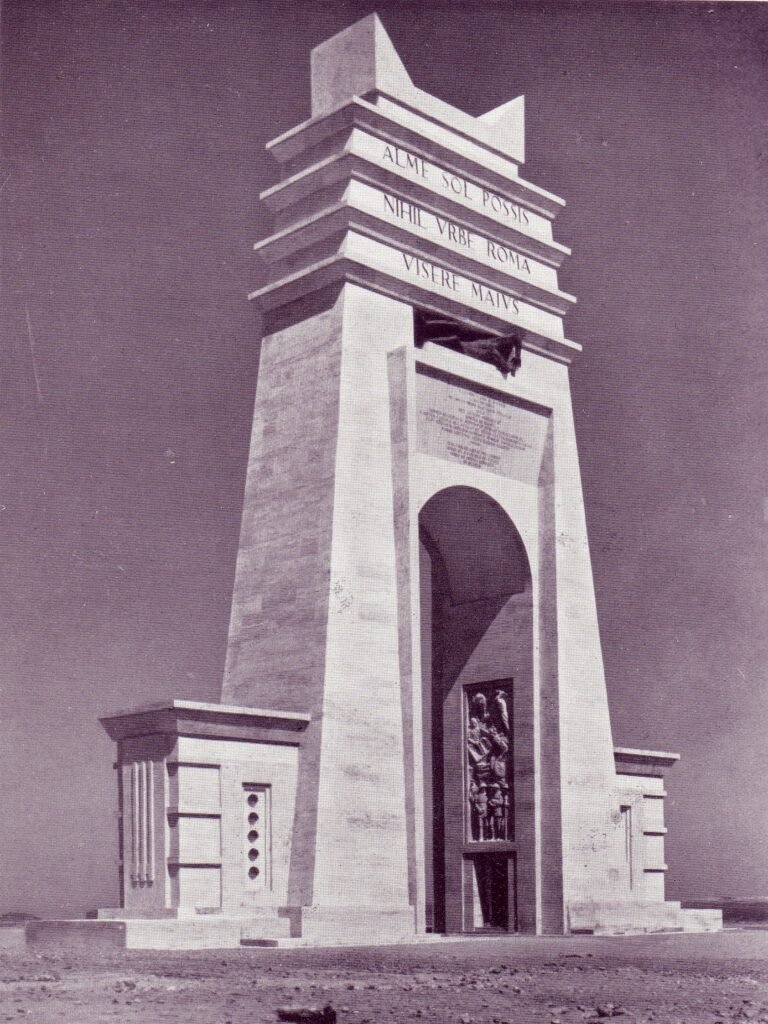
Tripoli’s colonial architecture and Florestano Di Fausto, the 1927 International Fair, the Mellaha Grand Prix, the 1,822-km Litoranea with its 65 roadhouses, the demolished Arch of the Philaeni and the 1938 settlement villages — the documented record of Italian Libya, including how colonial rule was imposed. First in a series on Italy’s overseas territories.
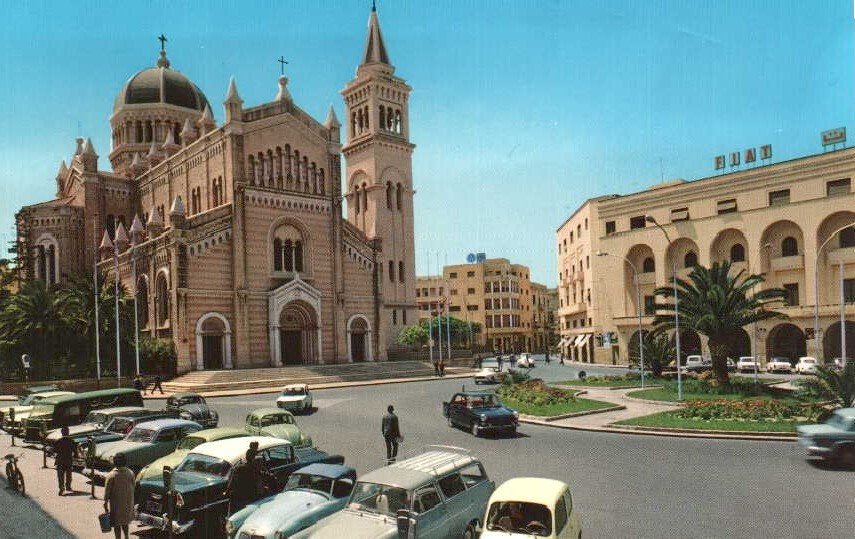
The Romanesque Revival cathedral of Italian Tripoli, designed by Saffo Panteri and consecrated in November 1928, with its 46-metre dome over Algeria…
The monumental arch by Florestano Di Fausto on the Libyan coastal road, inaugurated in March 1937 at the Tripolitania-Cyrenaica border and known to WWII…
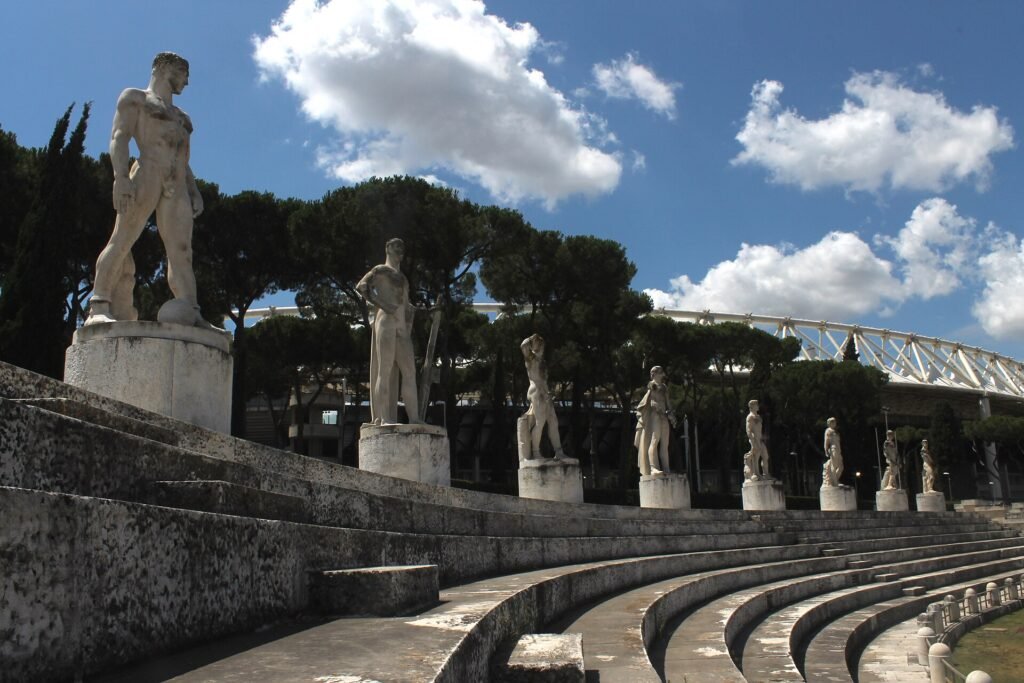
“Fascist architecture” is a convenient but imprecise label: beneath it coexist different and partly opposed currents — rationalism, the Novecento movement, monumentalism — each with its masters and its buildings. A verified map for telling them apart, from the Casa del Fascio to the Square Colosseum.
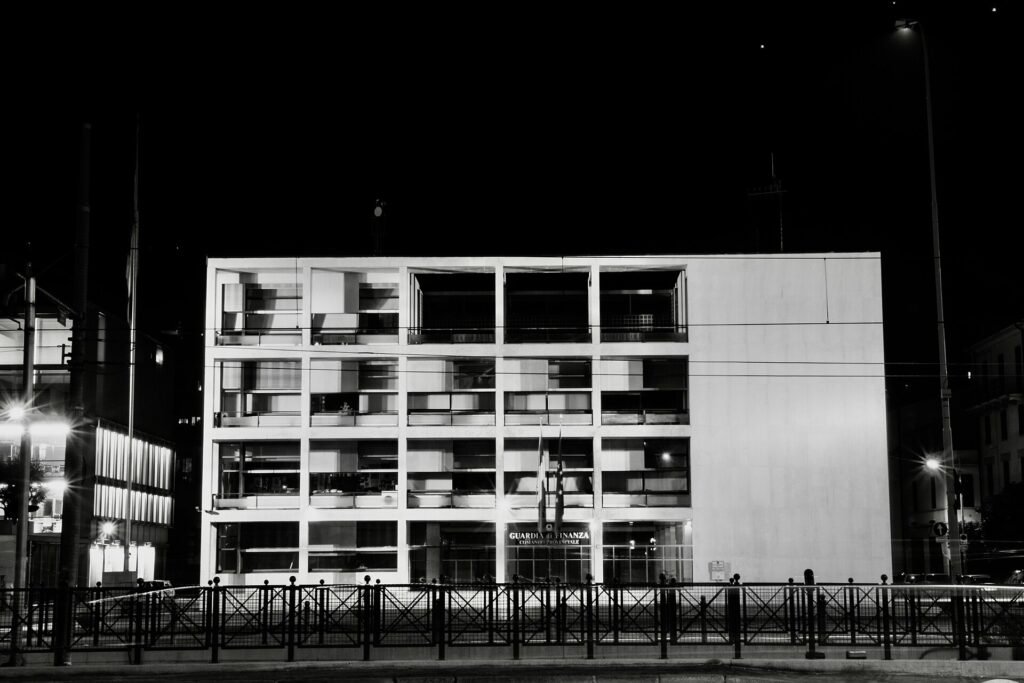
Functional, logical, free of superfluous ornament: the Italian current of the Modern Movement, from the Gruppo 7 manifestos of 1926-27 and the MIAR to Terragni’s Casa del Fascio in Como and the seaside colonies of the Adriatic — with the necessary distinctions from Novecento and monumentalism.
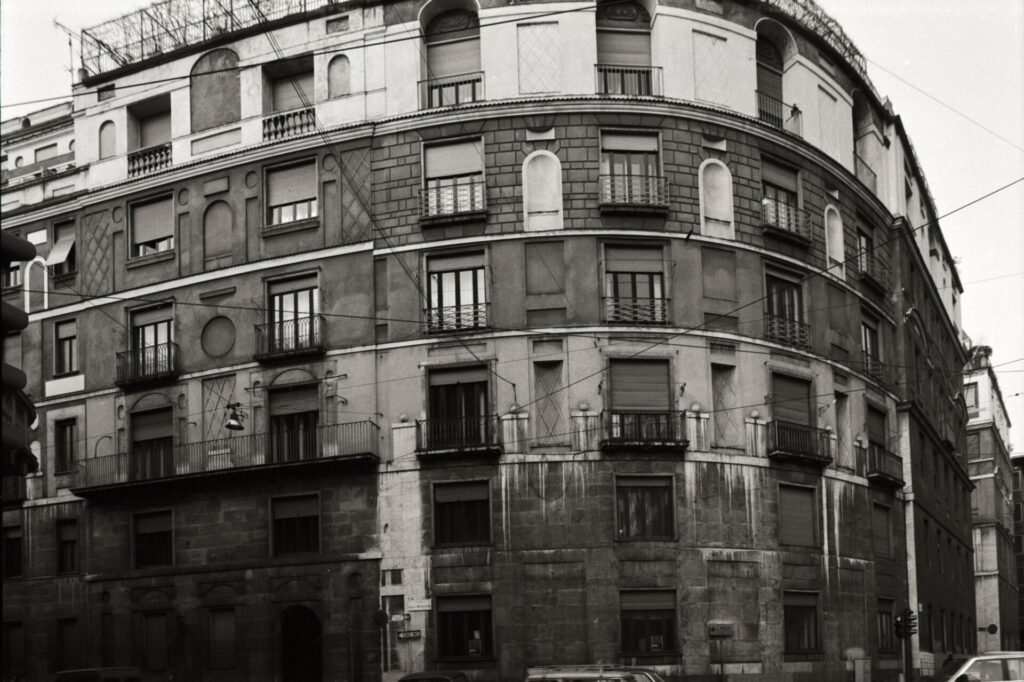
Born in Milan in 1922 as a painters’ movement around Margherita Sarfatti, the Novecento sought a bridge between classical tradition and modernity. In architecture its voice was Giovanni Muzio — from Ca’ Brutta to the Triennale — a language distinct from both rationalism and State monumentalism.
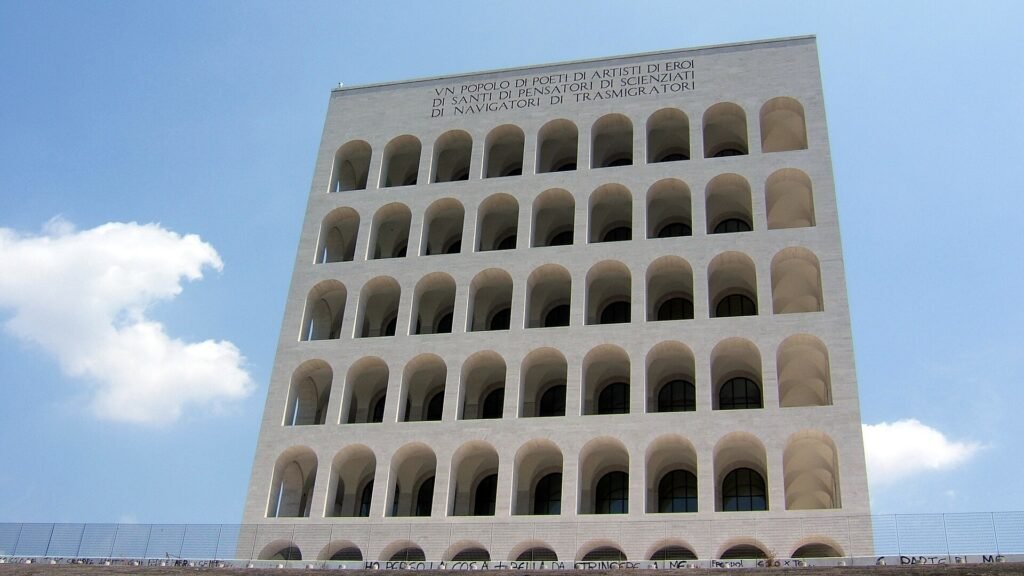
Pure geometric volumes, symmetry, minimal ornament and an explicit appeal to classical Rome reinterpreted in modern key: the monumental style of Italian public architecture in the 1930s, its defining features, its verified buildings — and how it differs from rationalism.
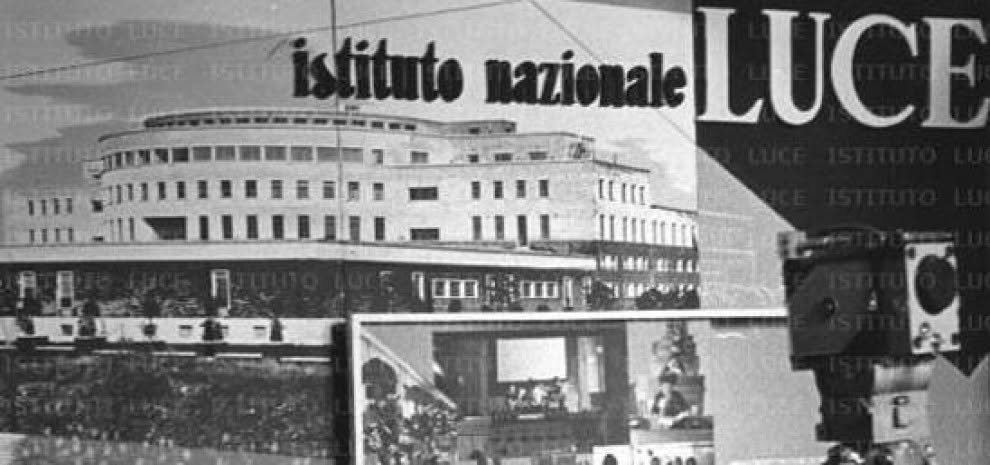
Newsreels, documentaries, stock footage and photographs: the documentary core of the Archivio Storico Luce records the Italian twentieth century in images. Since 2013 it is the only Italian audiovisual archive in UNESCO’s Memory of the World Register.