Cultural Heritage Online
The editorial desk

Cultural Heritage Online

Contributions: 831 articles · 15,399 heritage places · 166 events · 50 itineraries · 4 road-books · 16,124 photographs

Author name: Cultural Heritage Online

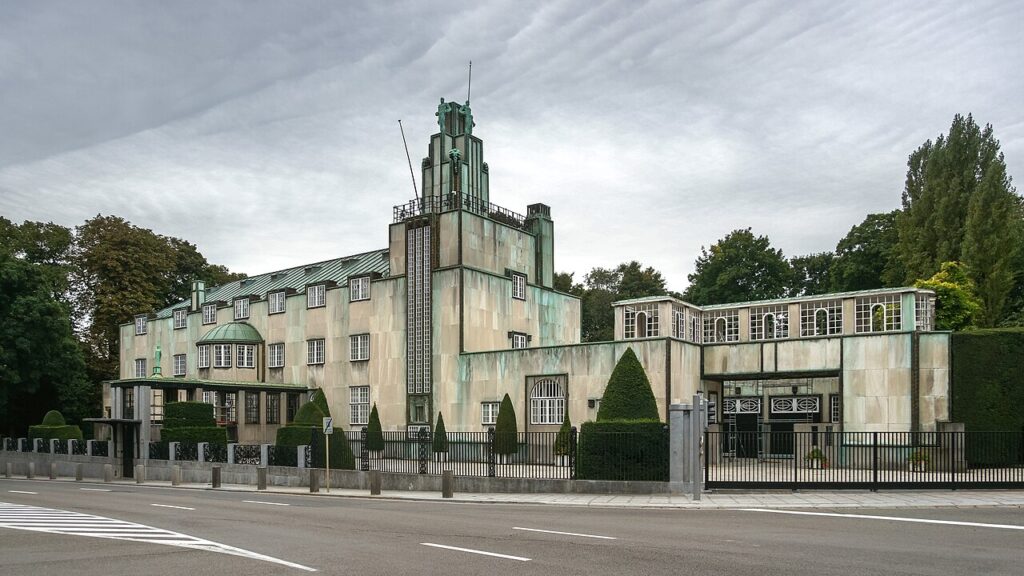
UNESCO World Heritage Sites Near the Stoclet Palace: The Brussels Mansion Klimt Decorated, the Vienna Secession’s Greatest Interior and the Only UNESCO Site You Cannot Visit

UNESCO World Heritage Sites Near the Stoclet Palace: The Brussels Mansion Klimt Decorated, the Vienna Secession’s Greatest Interior and the Only UNESCO Site You Cannot Visit

The Stoclet Palace in Brussels is the only UNESCO World Heritage Site inscribed for a building the public cannot enter. Built between 1905 and 1911 for Belgian banker Adolphe Stoclet to designs by Josef Hoffmann of the Vienna Secession, it contains Gustav Klimt’s most ambitious decorative work — a mosaic frieze in the dining room that has never been publicly exhibited and survives intact behind private walls.

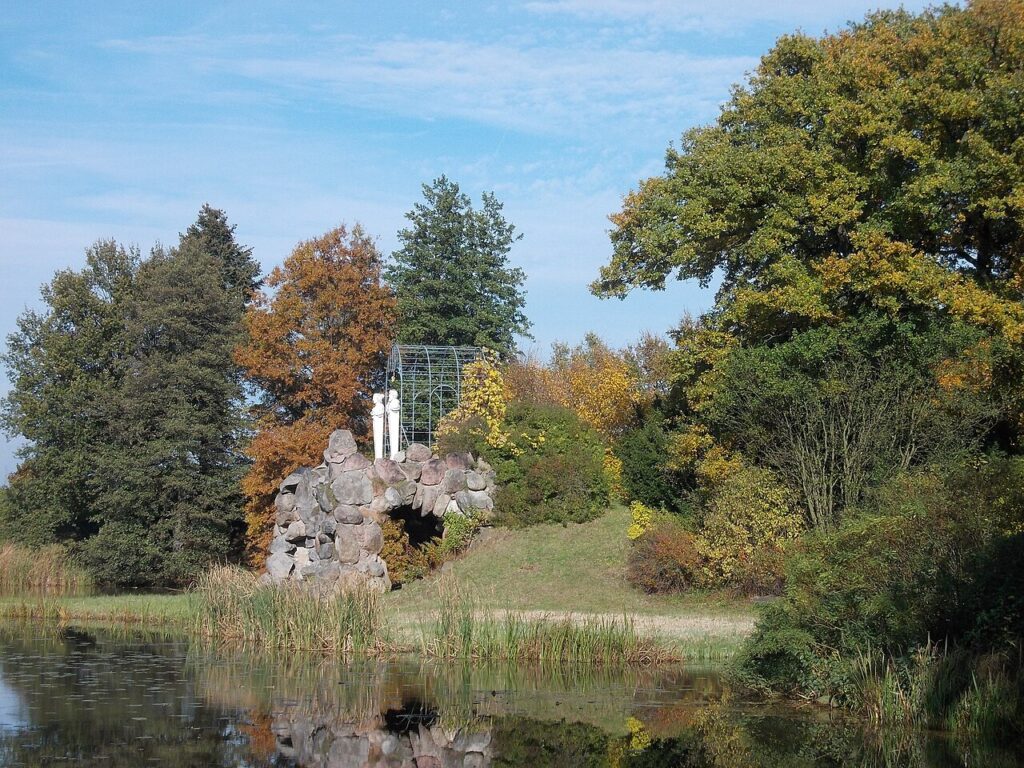
UNESCO World Heritage Sites Near the Garden Kingdom of Dessau-Wörlitz: The Enlightenment Park With a Volcano and a Rousseau Island, the First Neo-Classical Building in Germany and the 1790 Synagogue Built as a Roman Temple

UNESCO World Heritage Sites Near the Garden Kingdom of Dessau-Wörlitz: The Enlightenment Park With a Volcano and a Rousseau Island, the First Neo-Classical Building in Germany and the 1790 Synagogue Built as a Roman Temple

The Garden Kingdom of Dessau-Wörlitz, a UNESCO World Heritage Site since 2000, is an 18th-century landscape park of 142 square kilometres in Saxony-Anhalt created by Prince Franz of Anhalt-Dessau from 1764 onward. It contains the first Neo-Classical building in Germany, the first English-style landscape park on the European continent, a volcano, a Rousseau Island, and a synagogue built as a Roman temple in 1790.

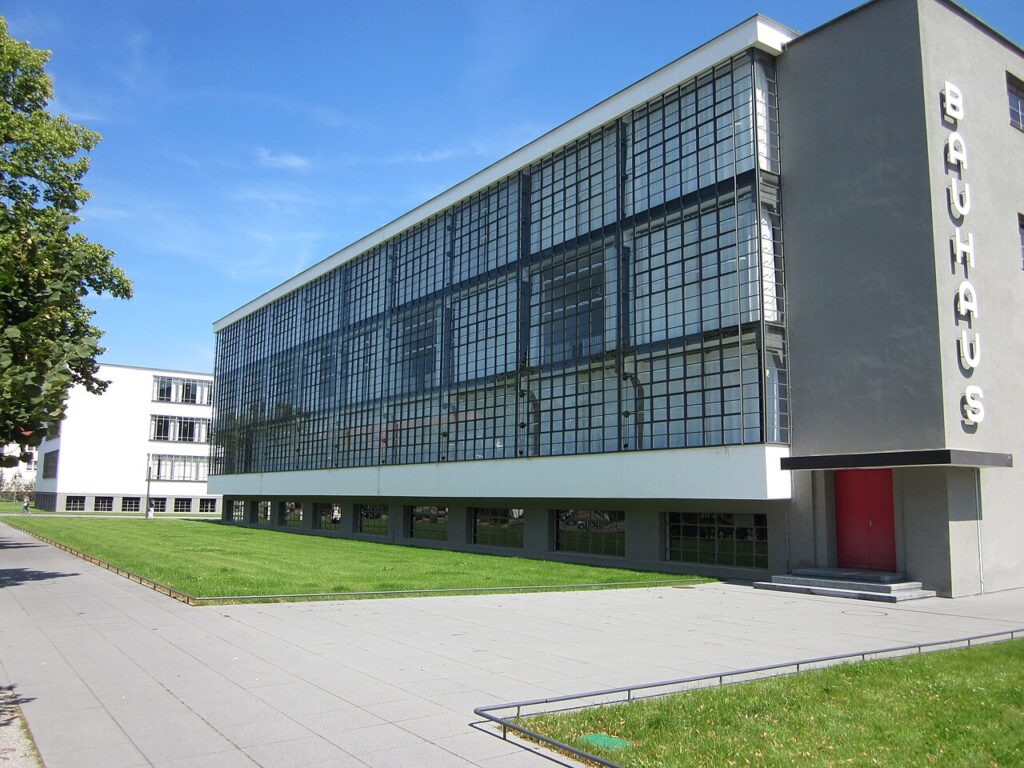
UNESCO World Heritage Sites Near the Bauhaus in Dessau and Weimar: The Glass Wall That Defined 20th-Century Architecture, Kandinsky and Klee as Neighbours and the Design School That Changed How We Live

UNESCO World Heritage Sites Near the Bauhaus in Dessau and Weimar: The Glass Wall That Defined 20th-Century Architecture, Kandinsky and Klee as Neighbours and the Design School That Changed How We Live

The Bauhaus school founded by Walter Gropius in Weimar in 1919 and relocated to Dessau in 1925 generated a cluster of buildings inscribed as UNESCO World Heritage in 1996 — among them the Dessau Bauhaus building with its glass curtain wall workshop wing, the Masters’ Houses where Paul Klee and Wassily Kandinsky were neighbours, and the ADGB Trade Union School in Bernau, the purest example of the school’s functional architecture.

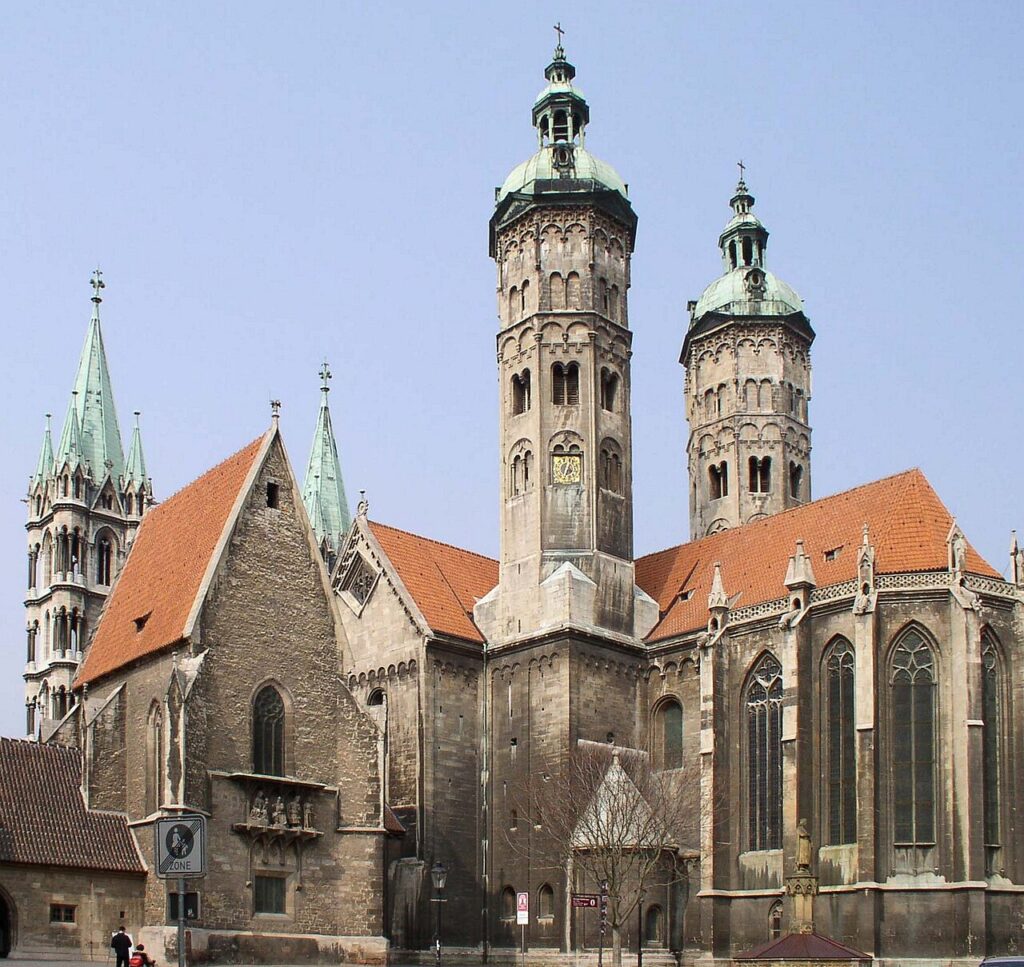
UNESCO World Heritage Sites Near Naumburg Cathedral: The Anonymous Master Who Gave Medieval Sculpture Its Face, the Uta Statue That Inspired Snow White and a West Choir Built in Stone That Feels Painted

UNESCO World Heritage Sites Near Naumburg Cathedral: The Anonymous Master Who Gave Medieval Sculpture Its Face, the Uta Statue That Inspired Snow White and a West Choir Built in Stone That Feels Painted

Naumburg Cathedral in Saxony-Anhalt, a UNESCO World Heritage Site since 2018, holds the twelve Founders’ Statues carved by the anonymous Naumburg Master around 1250 — among them the statue of Uta von Ballenstedt, whose individuated face and distinctive gesture have made her the most reproduced image of a medieval German noblewoman and a putative model for Disney’s Snow White.

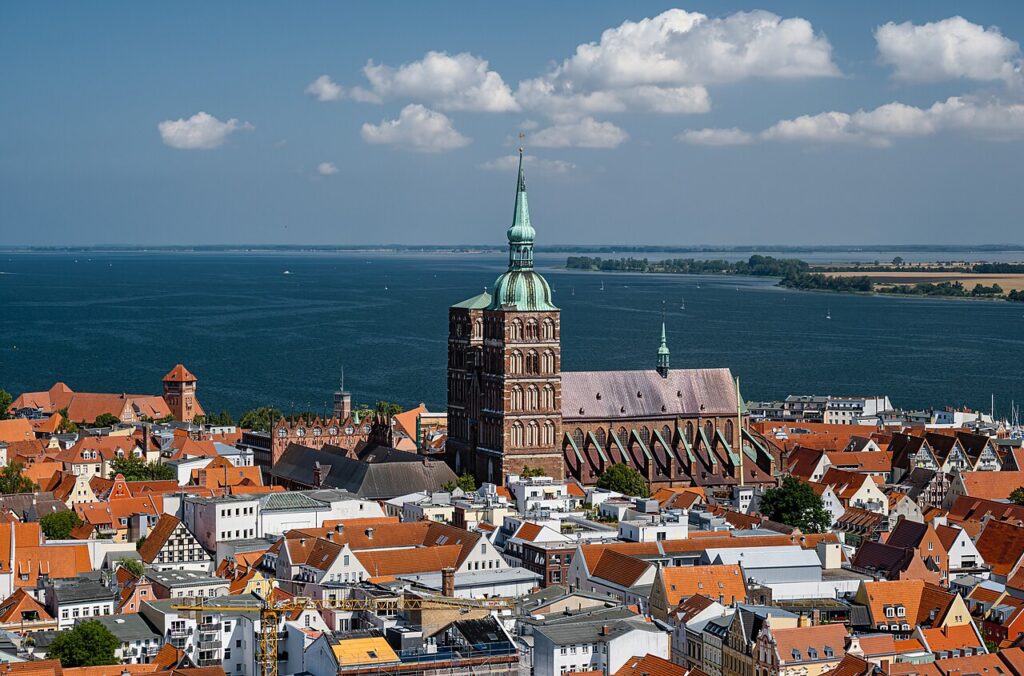
UNESCO World Heritage Sites Near Stralsund and Wismar: Two Hanseatic Baltic Cities That Were Swedish for 150 Years, the Brick Gothic Church Rebuilt After 1945 and the Harbour Where Nosferatu Was Filmed

UNESCO World Heritage Sites Near Stralsund and Wismar: Two Hanseatic Baltic Cities That Were Swedish for 150 Years, the Brick Gothic Church Rebuilt After 1945 and the Harbour Where Nosferatu Was Filmed

Stralsund and Wismar, two Hanseatic cities on the Baltic coast of Mecklenburg-Vorpommern, form a single UNESCO World Heritage Site inscribed in 2002. Both cities were Swedish possessions from 1648 — Wismar until 1803, Stralsund until 1815 — and their Brick Gothic churches, market squares, and harbour fronts preserve the architecture and urban structure of the medieval Baltic trading world.

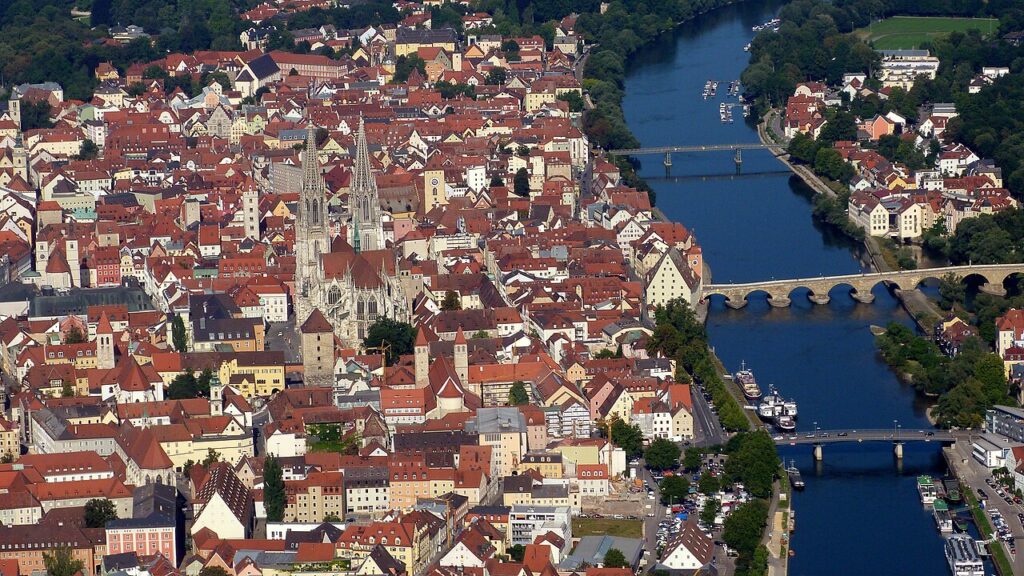
UNESCO World Heritage Sites Near the Old Town of Regensburg: The 12th-Century Bridge That Crossed the Danube for 800 Years Alone, the World’s Oldest Boys’ Choir and the Sausage Kitchen Operating Since 1146

UNESCO World Heritage Sites Near the Old Town of Regensburg: The 12th-Century Bridge That Crossed the Danube for 800 Years Alone, the World’s Oldest Boys’ Choir and the Sausage Kitchen Operating Since 1146

The Old Town of Regensburg in Bavaria, a UNESCO World Heritage Site since 2006, is the largest intact medieval city centre in Germany, with 1,500 listed buildings in 1.7 square kilometres. Its 12th-century Stone Bridge crossed the Danube as the sole bridge between Ulm and Vienna for 800 years, and its Cathedral choir, the Domspatzen, has been documented since 975 CE — the world’s oldest boys’ choir still in operation.

Hollyhock House, Los Angeles

Hollyhock House, Los Angeles

Frank Lloyd Wright’s first Los Angeles building, made between 1919 and 1921 for Aline Barnsdall on Olive Hill, with the hollyhock abstracted into ornament at every scale. Wright was in Tokyo during construction and left supervision to his son Lloyd Wright and Rudolph Schindler. Given to the city in 1927 and inscribed on the UNESCO World Heritage List in 2019.

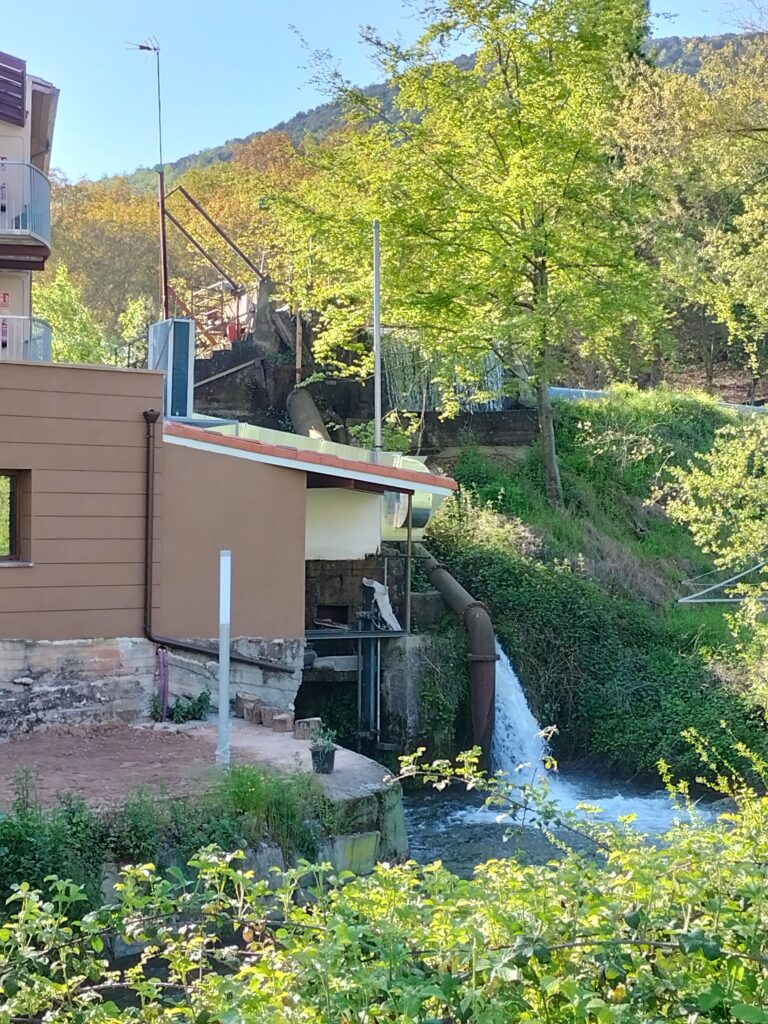
Fábrica de Harinas La Gloria, San Millán de la Cogolla

Fábrica de Harinas La Gloria, San Millán de la Cogolla

A flour factory on the Cárdenas at San Millán de la Cogolla, built over one of seven mills of the Benedictine monastery of Yuso and converted in 1902 by Santos Vázquez with French machinery. It works by the Robinson method, driven by a Francis turbine of 1925; placed on Hispania Nostra’s Red List in 2019, restored, and now a museum.

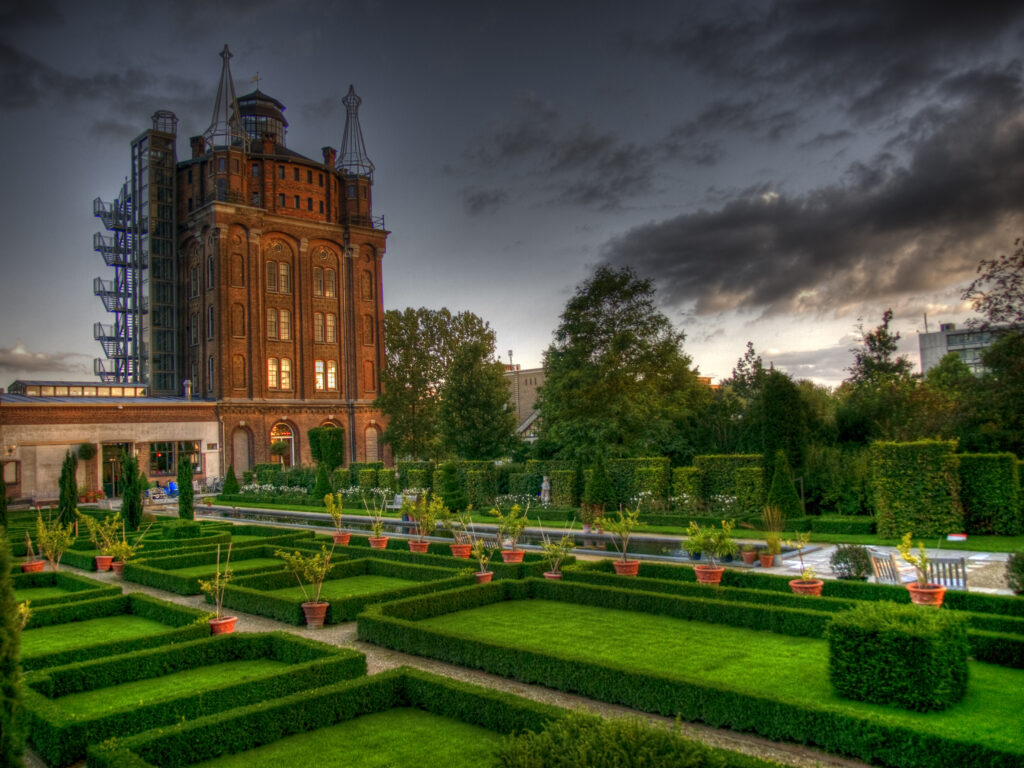
Villa Augustus, Dordrecht

Villa Augustus, Dordrecht

The Dordrecht water tower of 1882 by the municipal engineer J. A. van der Kloes, thirty-three metres high and the second oldest in the Netherlands, holding the oldest surviving iron flat-bottomed reservoir in the country. A national monument, converted in 2007 into the Villa Augustus hotel, restaurant and kitchen garden.

Scroll to Top