

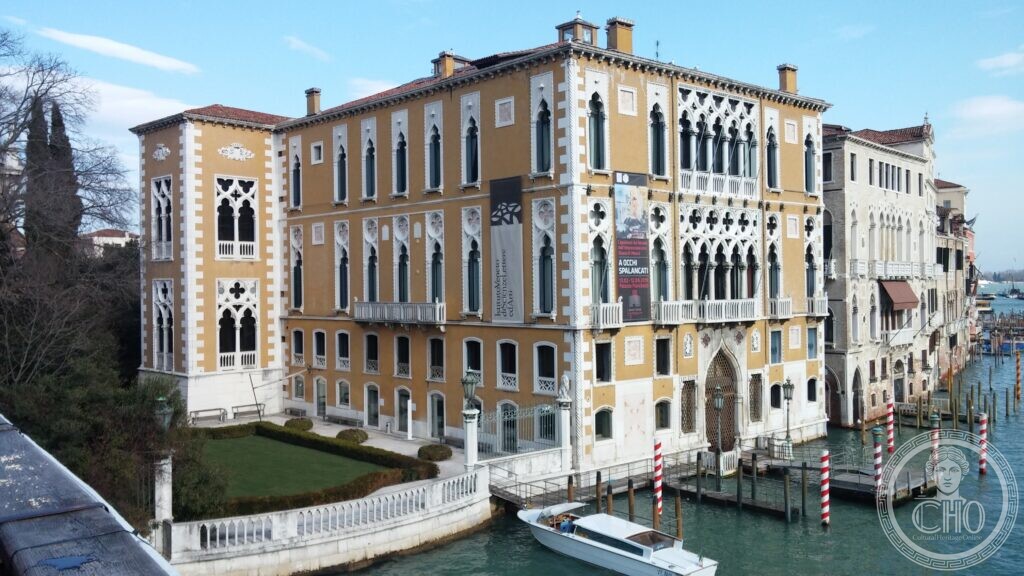
Palazzo Cavalli-Franchetti, Venice
Palazzo Cavalli-Franchetti on the Grand Canal, with its garden at the left. Photo: Stefano Vigolo, 2015. Venice, San Marco ·

Palazzo Cavalli-Franchetti on the Grand Canal, with its garden at the left. Photo: Stefano Vigolo, 2015. Venice, San Marco ·
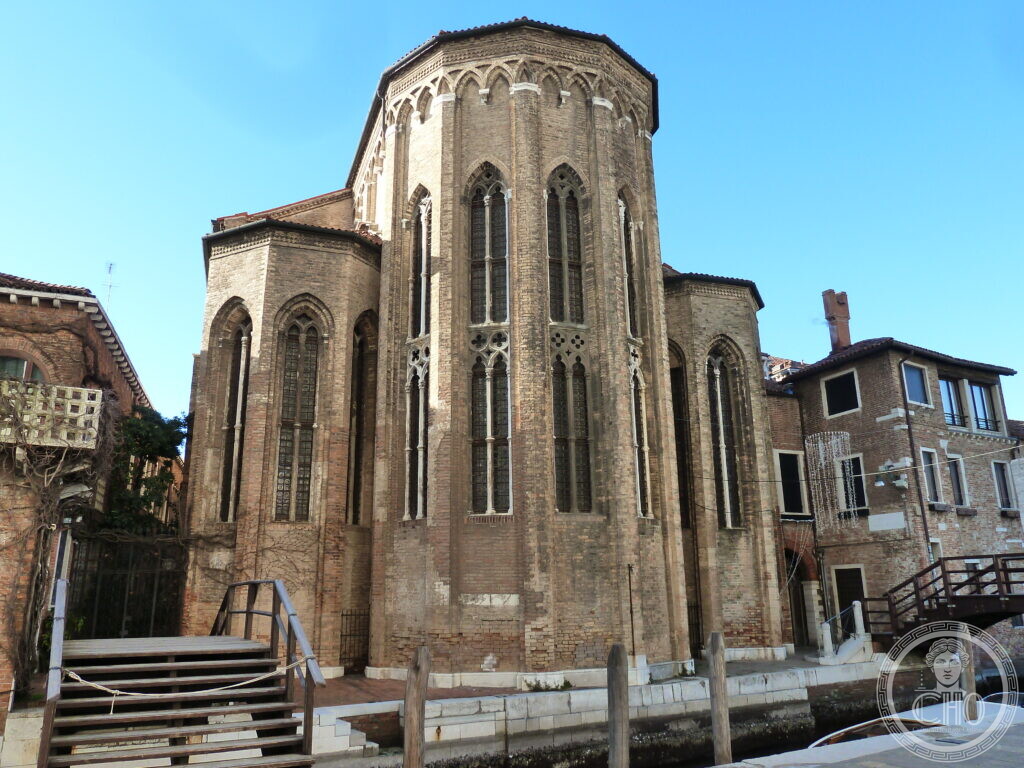
The Gothic apse of the former church of San Gregorio, from the canal. Photo: Stefano Vigolo. Venice, Dorsoduro · rebuilt
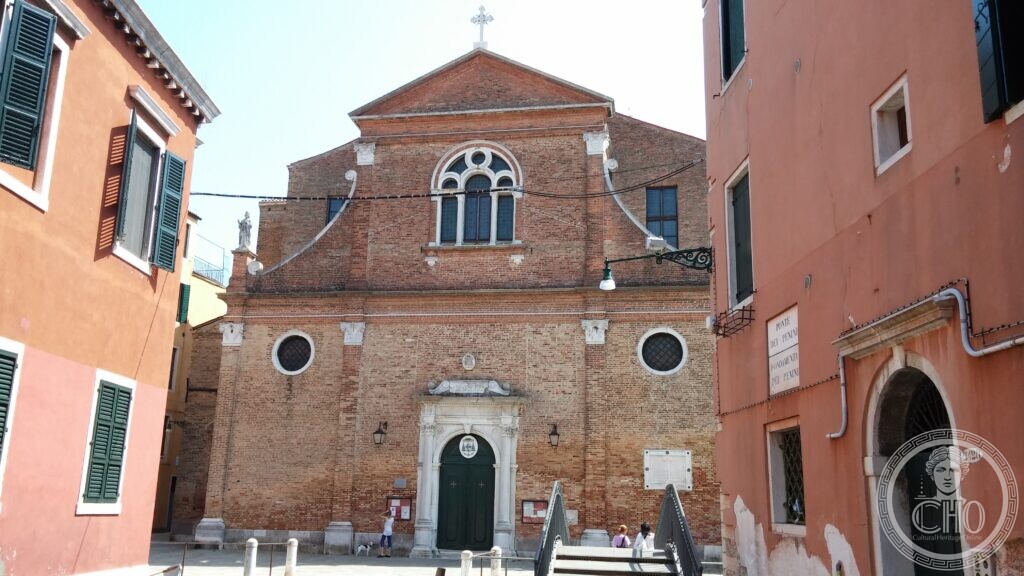
The front of San Martino di Castello across the campo. Photo: Stefano Vigolo, 2015. Venice, Castello · rebuilt from 1546
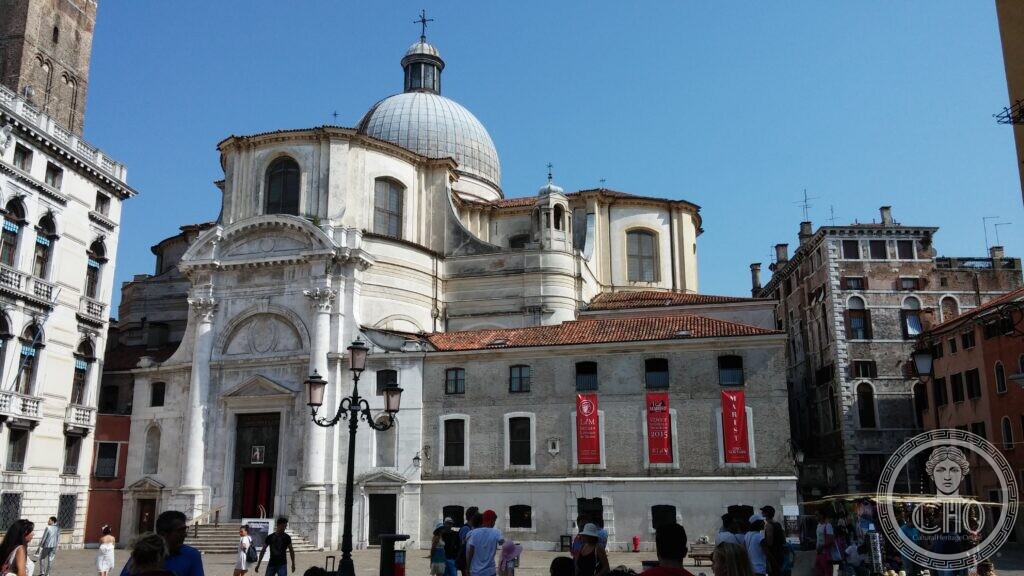
San Geremia from the campo: the dome, the eighteenth-century front, and the Romanesque bell tower at the left. Photo: Stefano
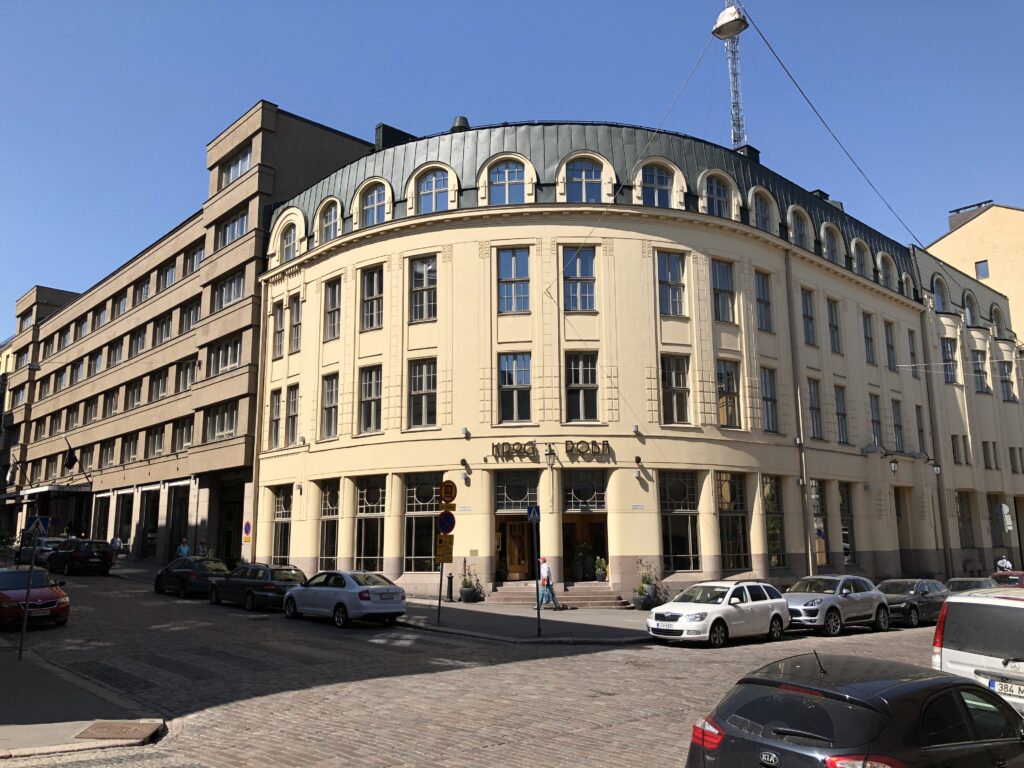
The 1909 administration building of the Helsinki city electricity works, on the corner of Pieni Roobertinkatu and Kasarmikatu, where the municipal utility ran its offices, its appliance showroom and the Kasarmitori substation. It is now Hotel Lilla Roberts.

Frank Lloyd Wright’s first Los Angeles building, made between 1919 and 1921 for Aline Barnsdall on Olive Hill, with the hollyhock abstracted into ornament at every scale. Wright was in Tokyo during construction and left supervision to his son Lloyd Wright and Rudolph Schindler. Given to the city in 1927 and inscribed on the UNESCO World Heritage List in 2019.
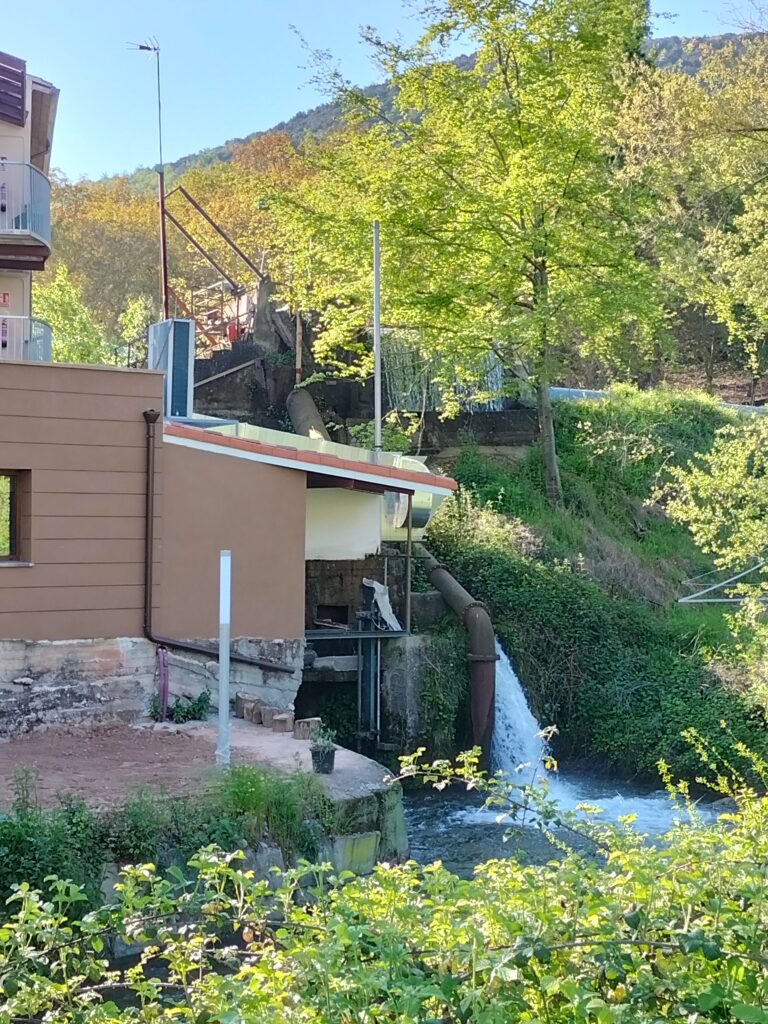
A flour factory on the Cárdenas at San Millán de la Cogolla, built over one of seven mills of the Benedictine monastery of Yuso and converted in 1902 by Santos Vázquez with French machinery. It works by the Robinson method, driven by a Francis turbine of 1925; placed on Hispania Nostra’s Red List in 2019, restored, and now a museum.
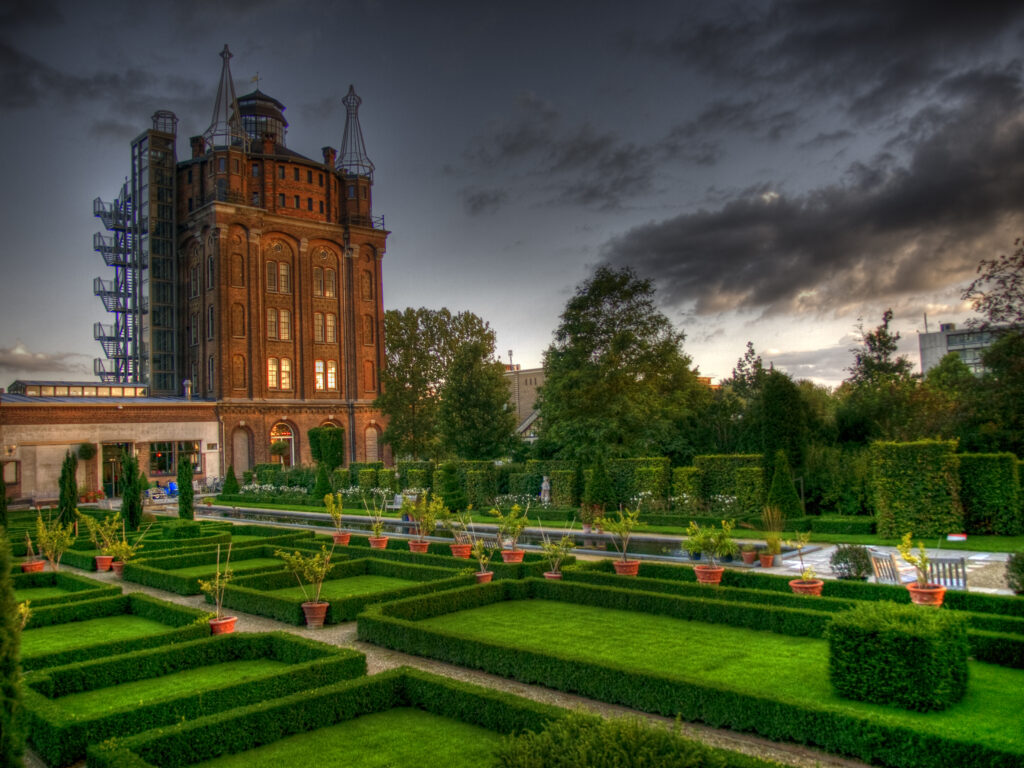
The Dordrecht water tower of 1882 by the municipal engineer J. A. van der Kloes, thirty-three metres high and the second oldest in the Netherlands, holding the oldest surviving iron flat-bottomed reservoir in the country. A national monument, converted in 2007 into the Villa Augustus hotel, restaurant and kitchen garden.
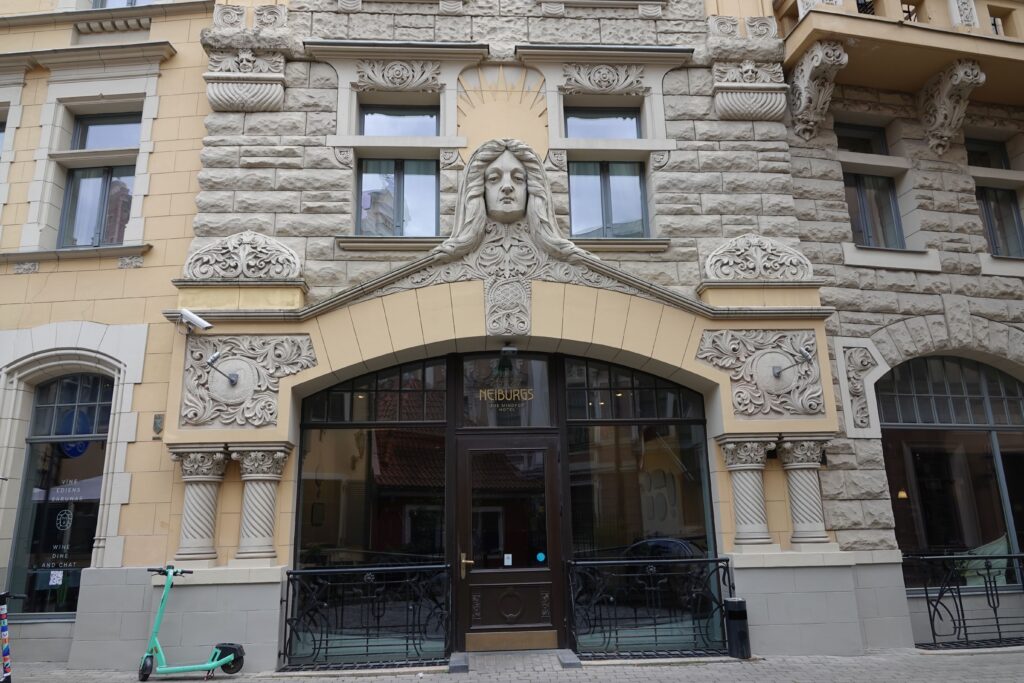
An Art Nouveau dwelling house of 1903 on Jauniela in the old town of Riga, built for the builder Ludvig Neiburg, its facade carrying bay windows, balconies, floral ornament and a monumental mascaron over the entrance. A registered Latvian cultural heritage monument, now a hotel under the original owner’s name.
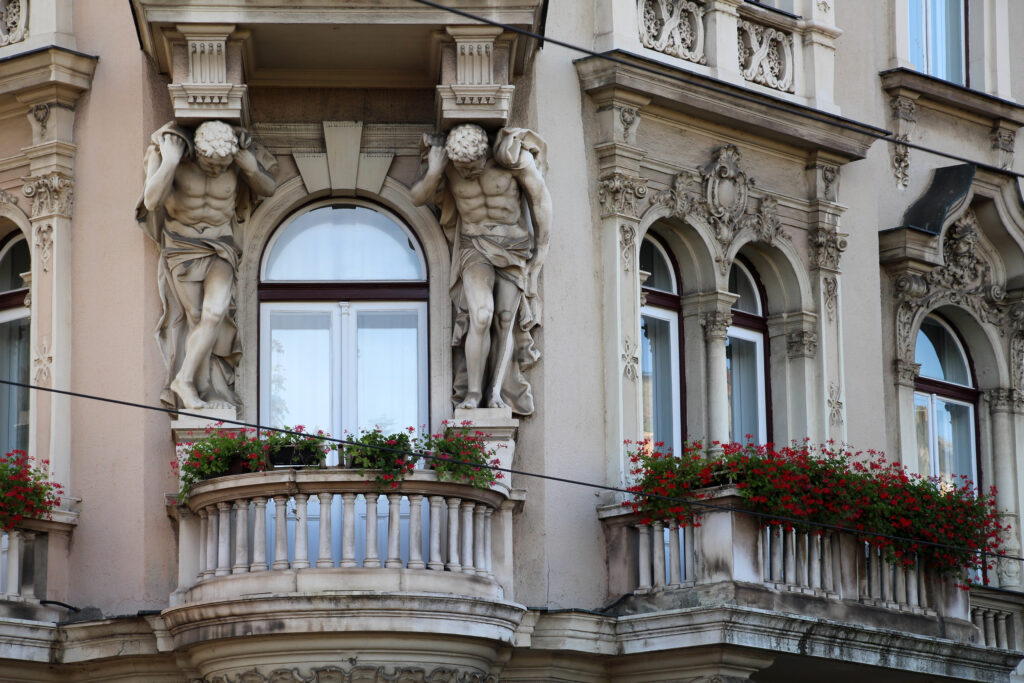
A neo-Rococo palace on Strossmayer Square in Zagreb, built in 1891 for the musician Carl Schlesinger by the studio of Hönigsberg & Deutsch and converted in 1907 into one of the city’s first professionally run hotels, with an Art Nouveau interior rare in the region. A glass and copper time capsule of 1891 was found in its foundations.