

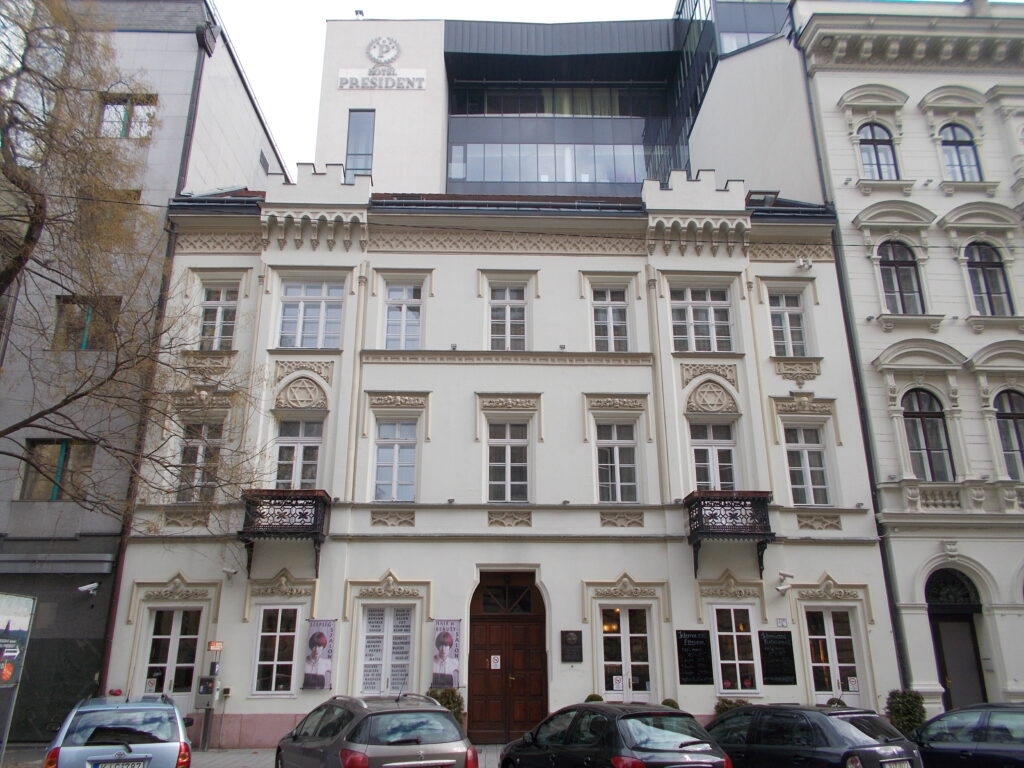
Hold utca 5, Budapest — Ferenc Brein’s Gothic-Romantic House of the 1850s
Listed Gothic-Romantic town house of 1854–1855 by Ferenc Brein in Lipótváros, with crenellated gables and Stars of David on its front; now part of the Hotel President.

Listed Gothic-Romantic town house of 1854–1855 by Ferenc Brein in Lipótváros, with crenellated gables and Stars of David on its front; now part of the Hotel President.
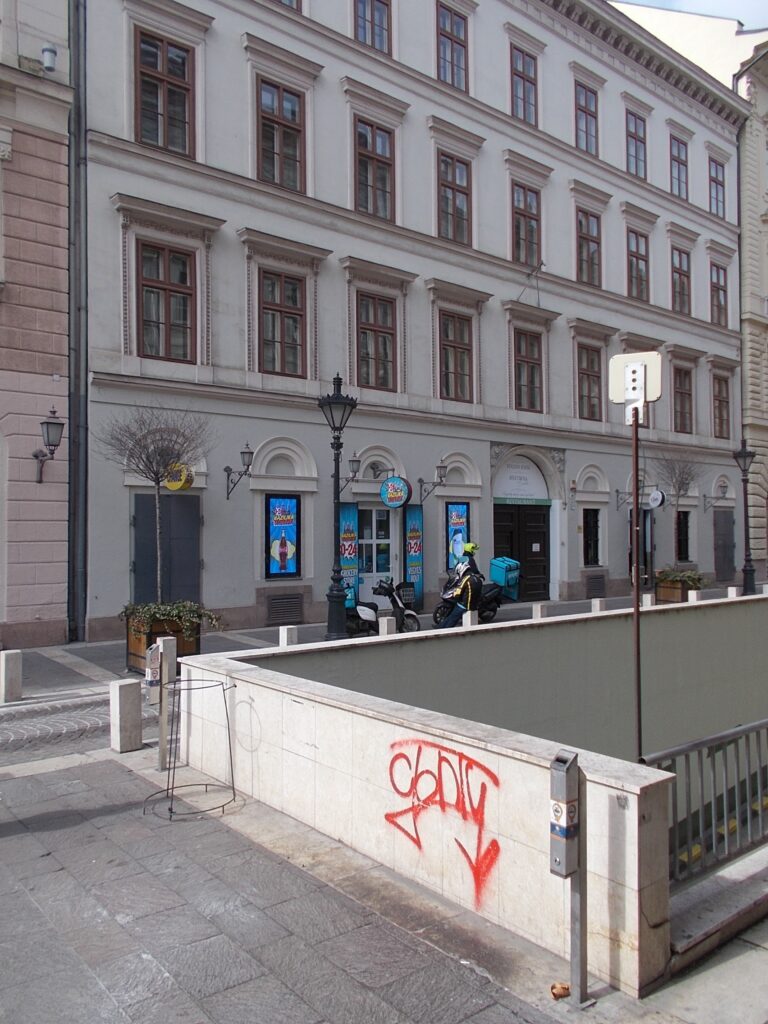
Listed Classicist house in Lipótváros, dated 1819 and attributed to József Düttrich by the monument register; an office building for decades, part of the BasiliQ Hotel since 2025.
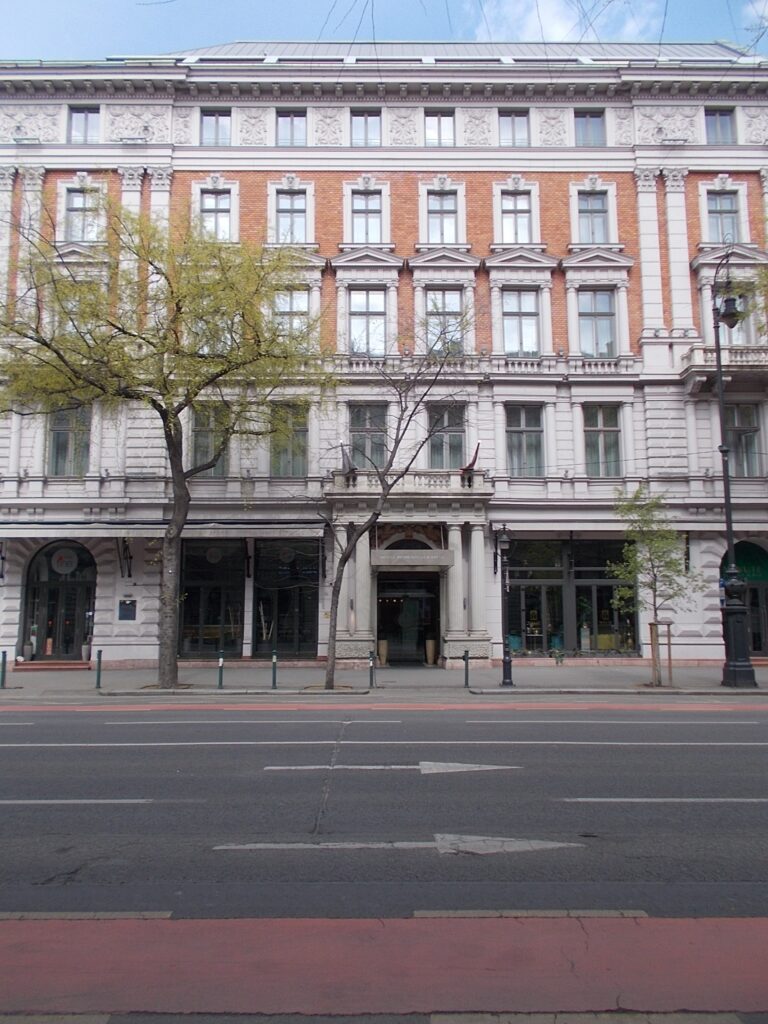
Listed Neo-Renaissance tenement palace designed by Adolf Feszty in the 1880s for the merchant Henrik Schossberger on Andrássy út; a hotel since 2016.
The house of Riga’s Estonian Education Society in Āgenskalns, designed by Eižens Laube and built 1912-1913; later a theatre, from 1954 the first studios of Riga television, now a hotel.
A yellow-brick Art Nouveau townhouse on Ghent’s Kunstlaan, designed in 1901 by Achilles Van Hoecke-Dessel and dated 1902, designated Flemish architectural heritage in 2023.
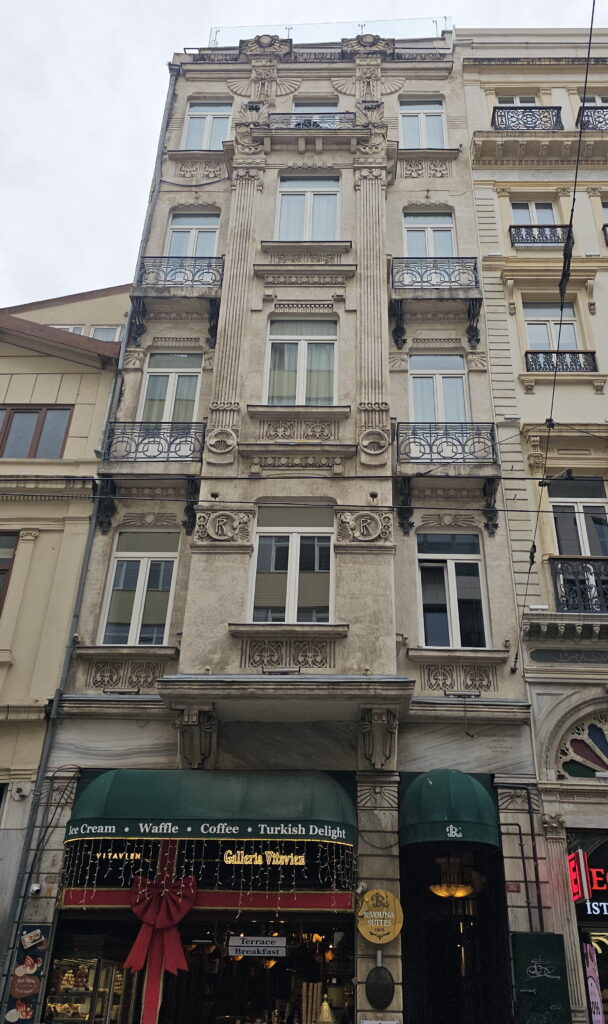
An Art Nouveau stone front on İstiklal Avenue, built 1901-1906 for the Italian Ravouna family by the architects Kyriakides and Yenidunia, whose names are carved on the facade.
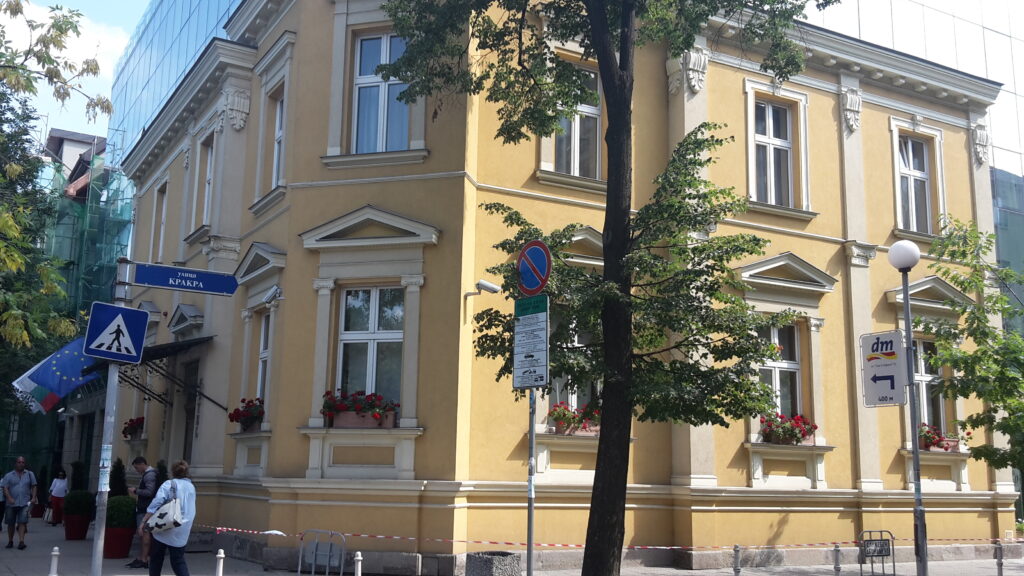
The townhouse of Professor Ivan Georgov on Shipka Street, attributed to Sofia’s first chief architect Adolf Václav Kolář and listed in 1978; since 2002 its facade fronts a new hotel building.
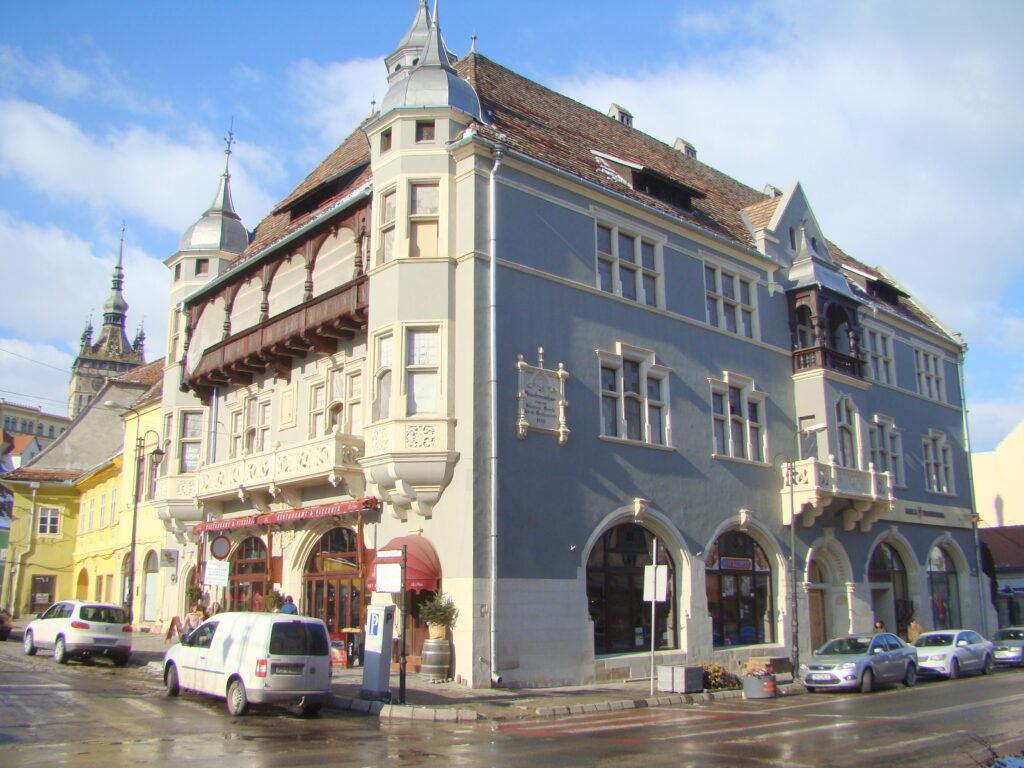
The Gewerbevereinshaus, the Saxon craftsmen’s association house built in 1898-1901 on the old market square of Sighișoara’s Lower Town, on the site of a medieval inn; a listed monument in the UNESCO historic centre.
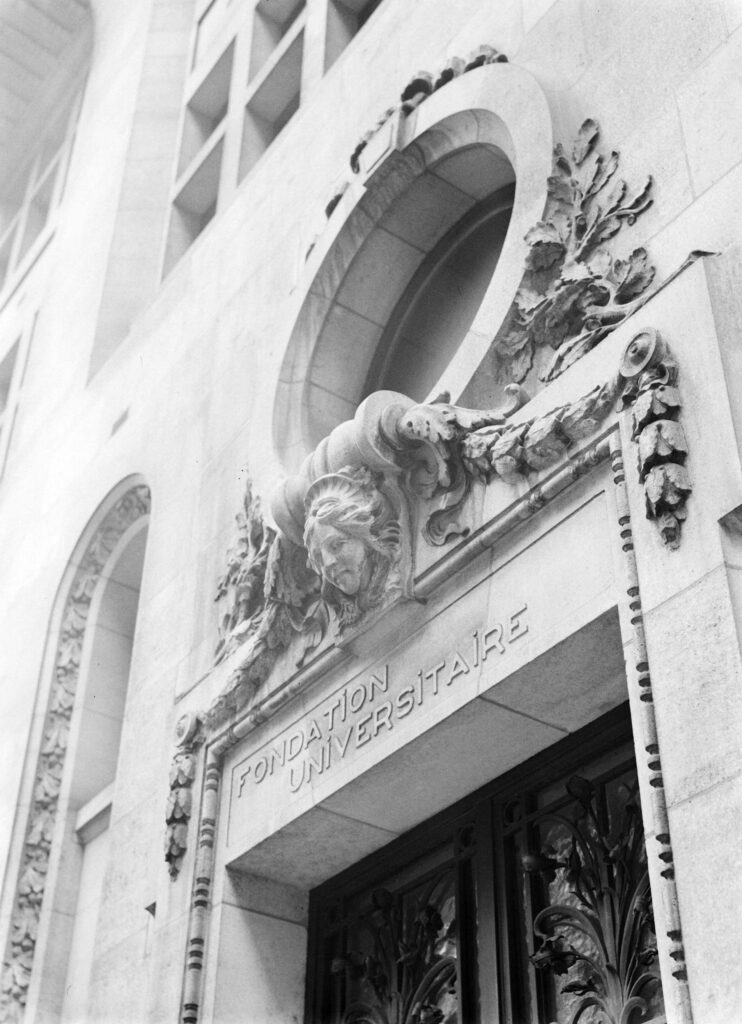
Seat of the University Foundation, founded 1920 with Hoover and Francqui’s relief funds: 1870s houses rebuilt by Ernest Jaspar in 1921-26, listed since 2015.
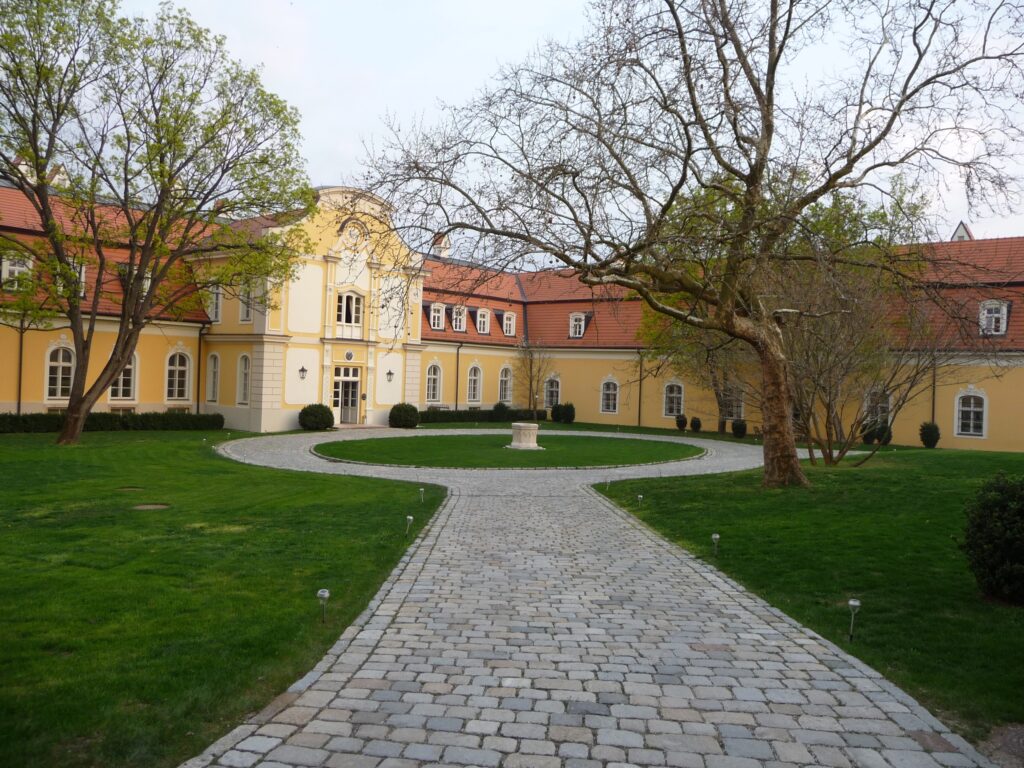
A protected Baroque manor of the 1730s in Belá, southern Slovakia, owned by the Tersztyánszky, Baldácsy and Ullmann families, a prison after 1945, bought back by an Ullmann heir in 2000 and restored.