

Marc Chagall. Matières — CAP, Museum of Fine Arts, Mons
Marc Chagall (1887–1985) is remembered for his paintings: the floating lovers, the violinists, the blue villages. The exhibition that opens

Marc Chagall (1887–1985) is remembered for his paintings: the floating lovers, the violinists, the blue villages. The exhibition that opens
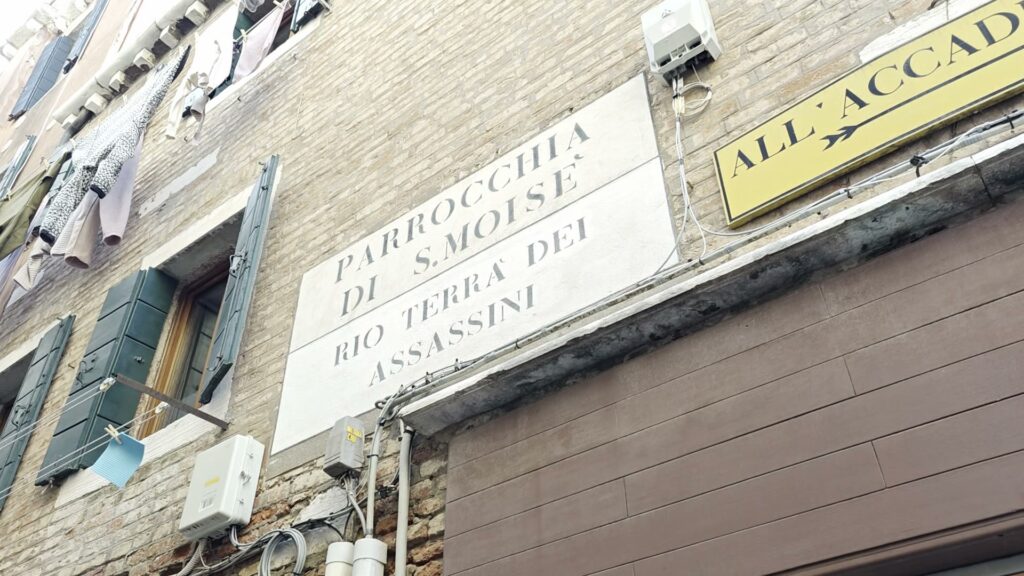
Rio Terà dei Assassini, in the sestiere of San Marco, runs over a canal that once had a bridge named after the killings committed on it. The chronicles link it to the order of 1128 that banned false beards and lit Venice’s unsafe streets at night.
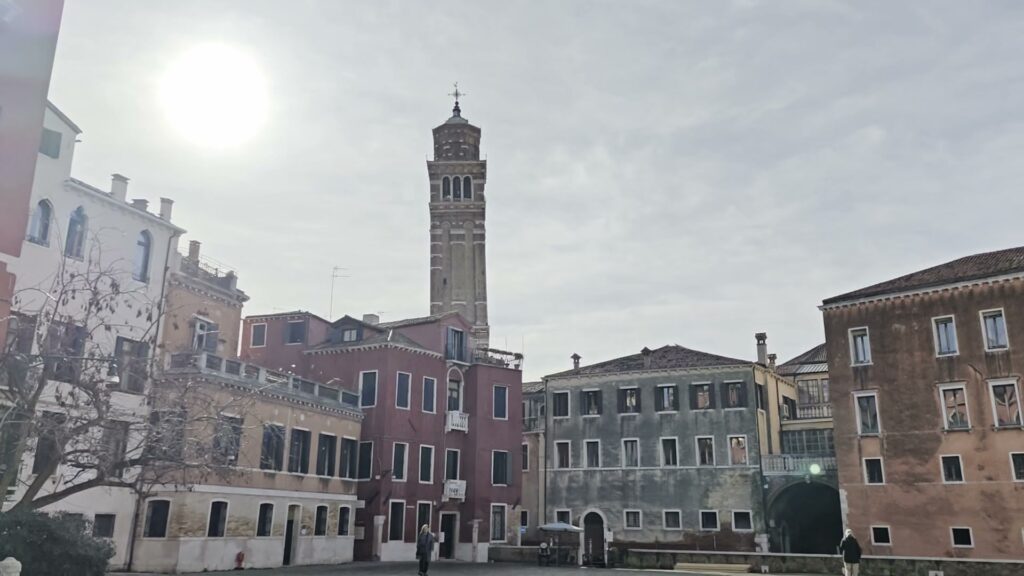
The Augustinian church of Santo Stefano, finished in 1325, keeps a wooden ship’s-keel roof, four Tintorettos and the floor tomb of Doge Francesco Morosini. Its bell tower leans about two metres, a lean that showed from the moment it was built.
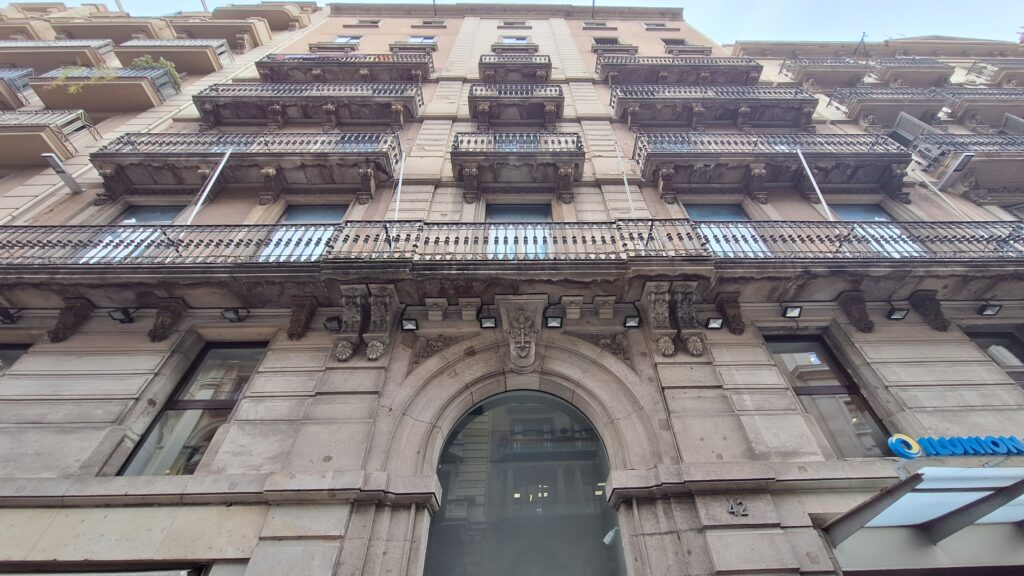
Office building of 1940 by the architect Sixto Yllescas on Via Laietana, with a two-storey arched portal, protected by the City of Barcelona. Today the Hotel ILUNION Almirante.
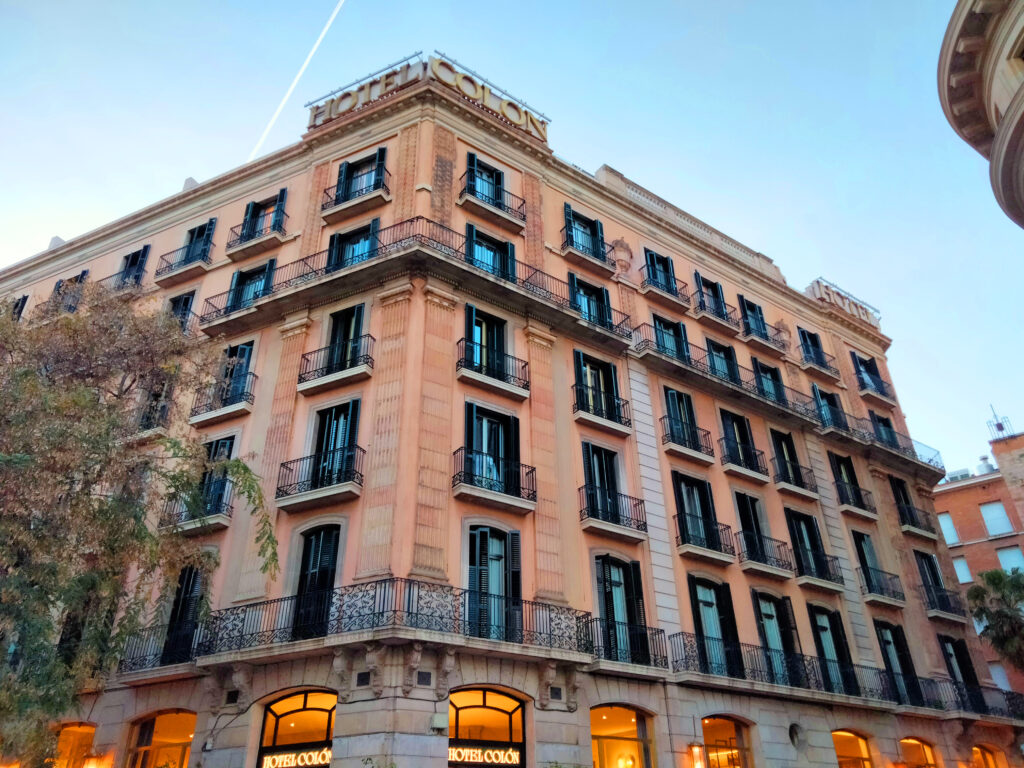
Part of the 1950 group of buildings by Adolf Florensa that faces Barcelona Cathedral, protected by the city, with remains of a Roman villa below. Hotel since 1951, now Lamaro.
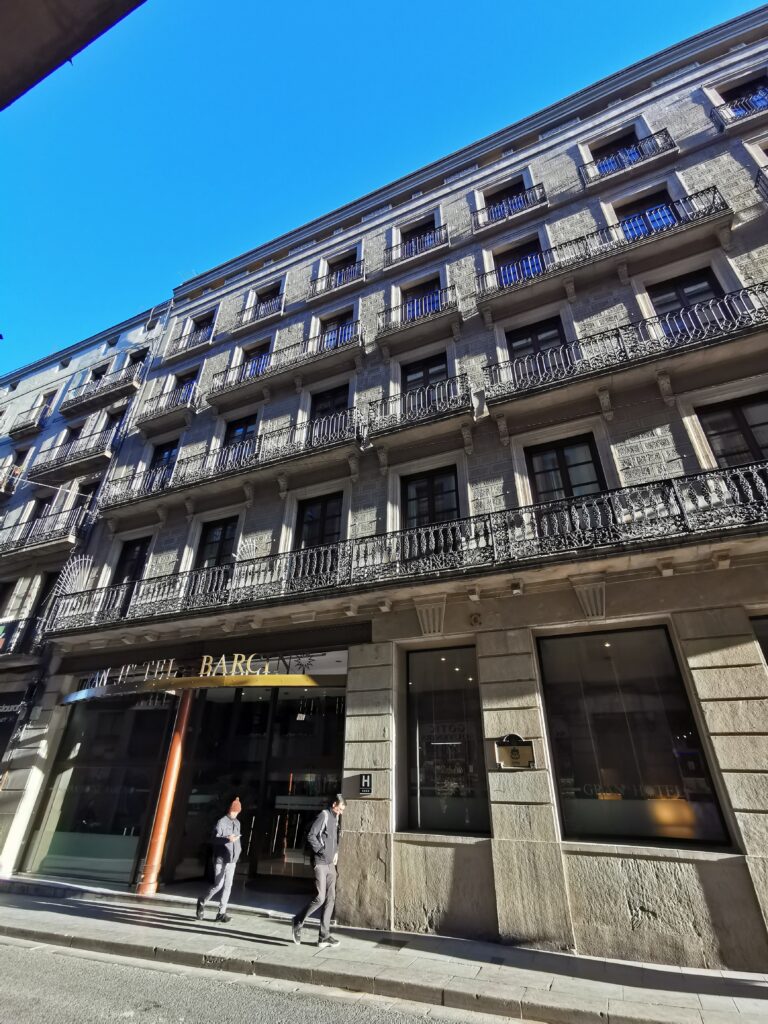
Corner house of 1848 on Carrer de Jaume I, built soon after the street was opened through the old city, protected by the City of Barcelona. Today the Gran Hotel Barcino.
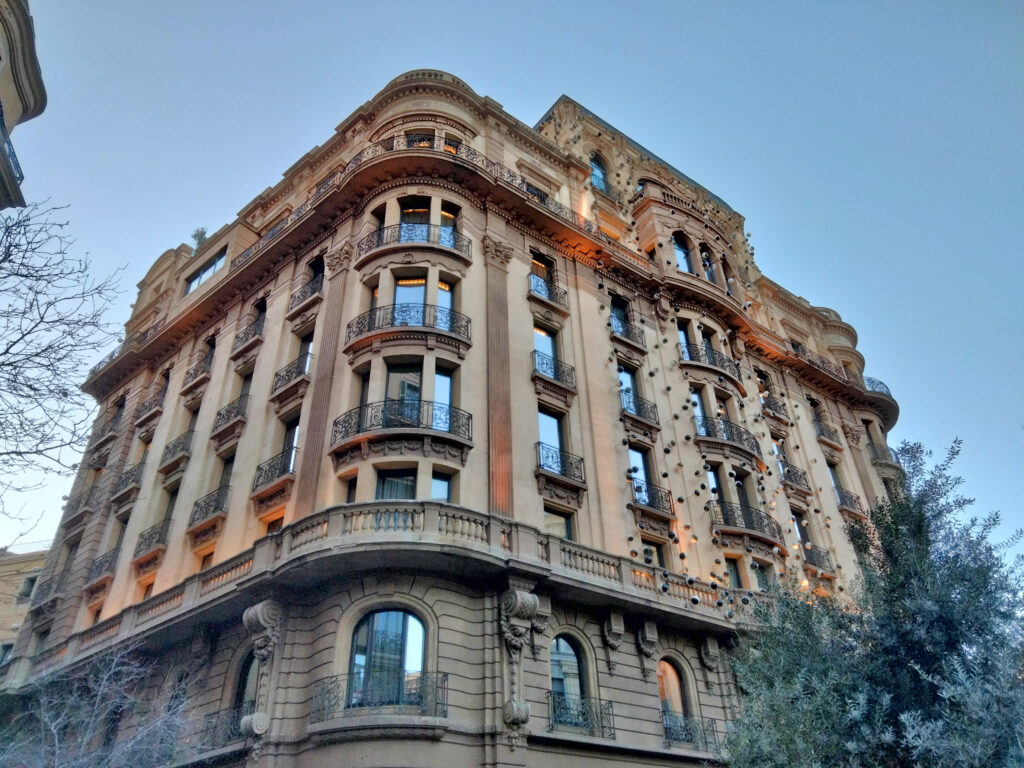
Rounded-corner office house of 1926 by Joan A. Roig on Via Laietana, home of the Vilardell department store and later the police. Protected; since 2012 the Ohla Barcelona hotel.
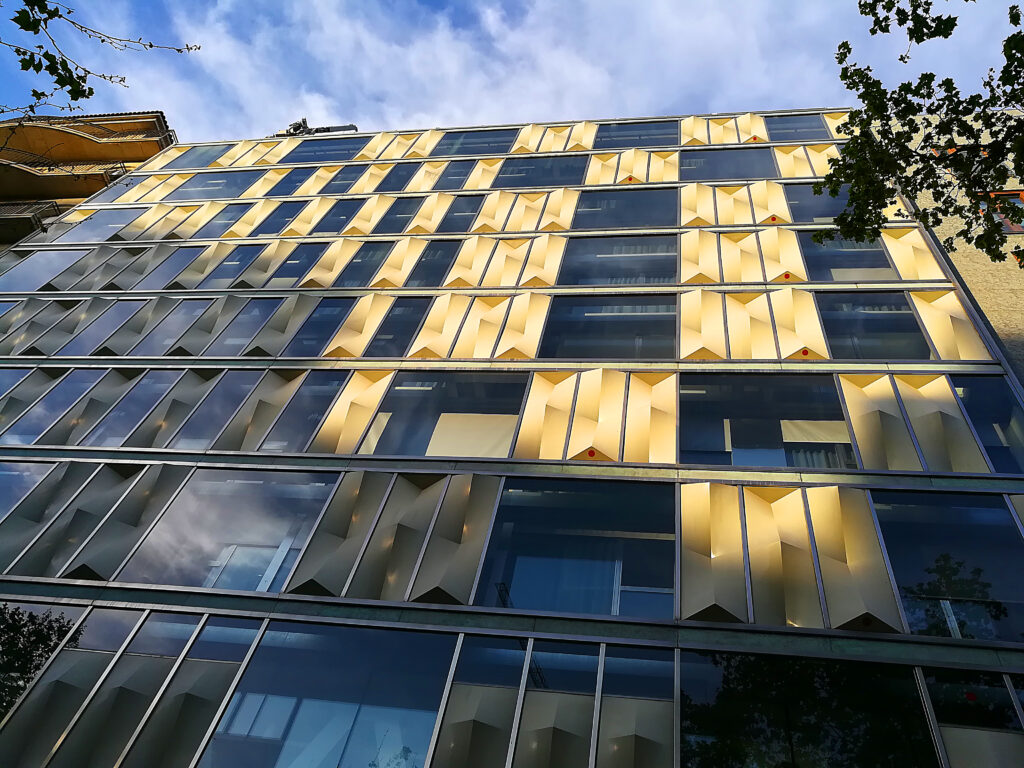
Office block of 1965–68 by Josep Maria Fargas and Enric Tous for Banca Catalana, across from La Pedrera, with a façade of glass and parabolic panels. Protected; a hotel since 2013.
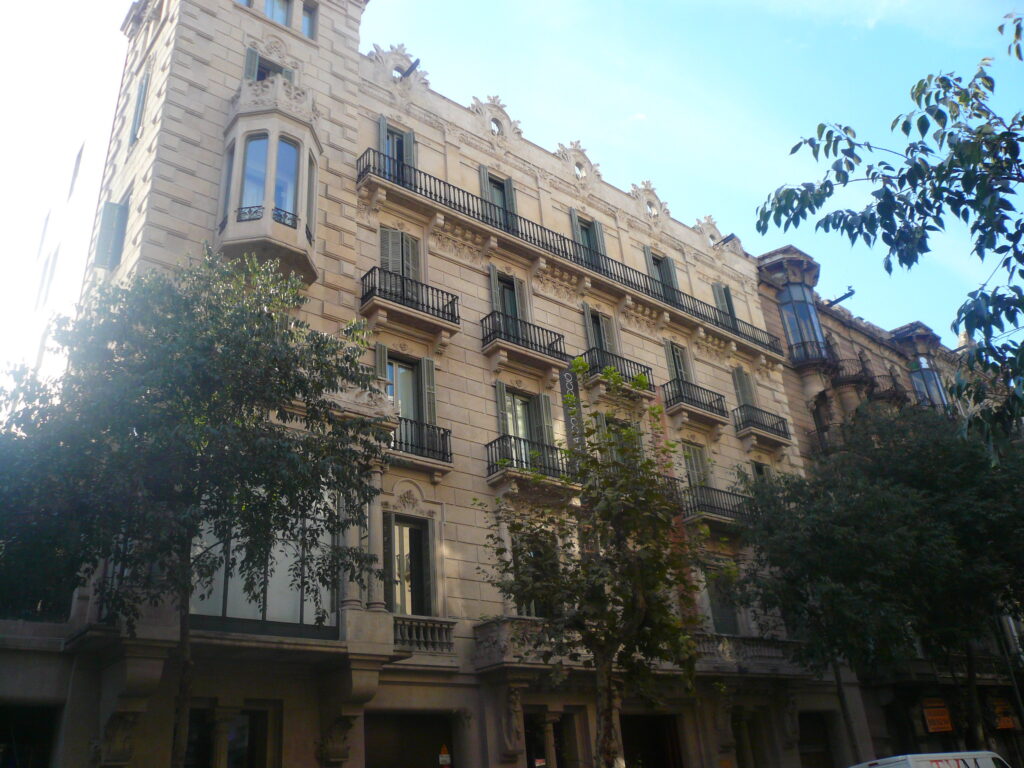
Enric Sagnier’s 1902–04 house for the banker Rupert Garriga-Nogués, with caryatids by Eusebi Arnau, protected as a cultural asset of national interest. Part of it is today a hotel.
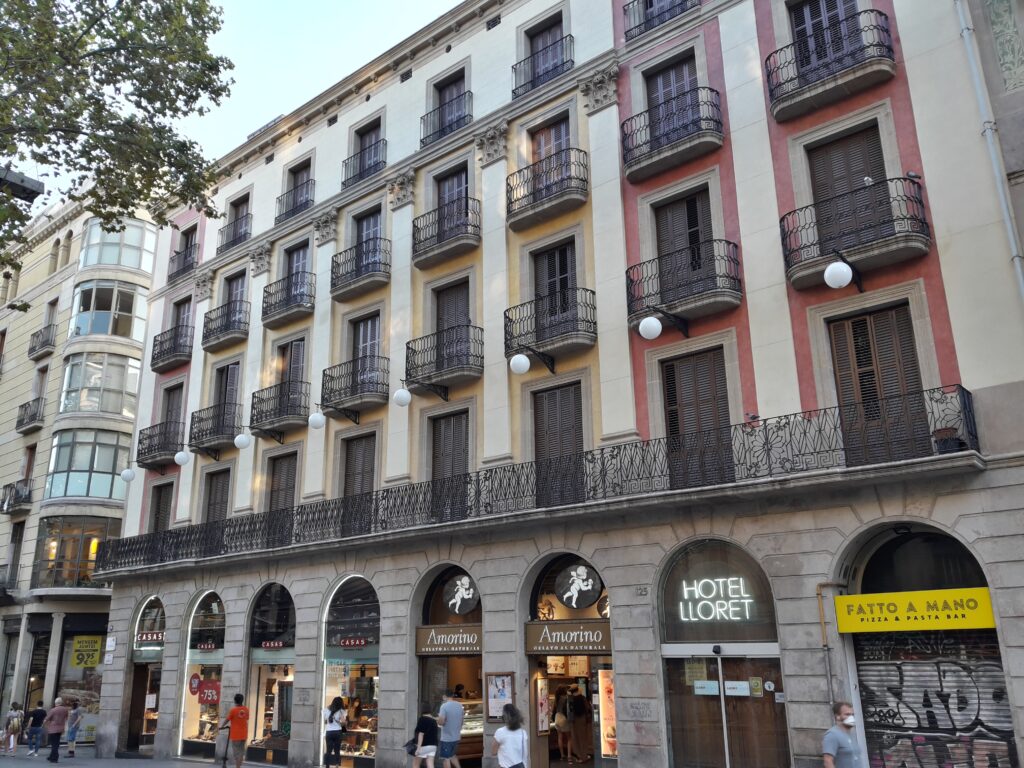
A large mid-nineteenth-century house of flats at the corner of La Rambla and Carrer dels Tallers, listed as a cultural asset of local interest and a hotel since 1926.