
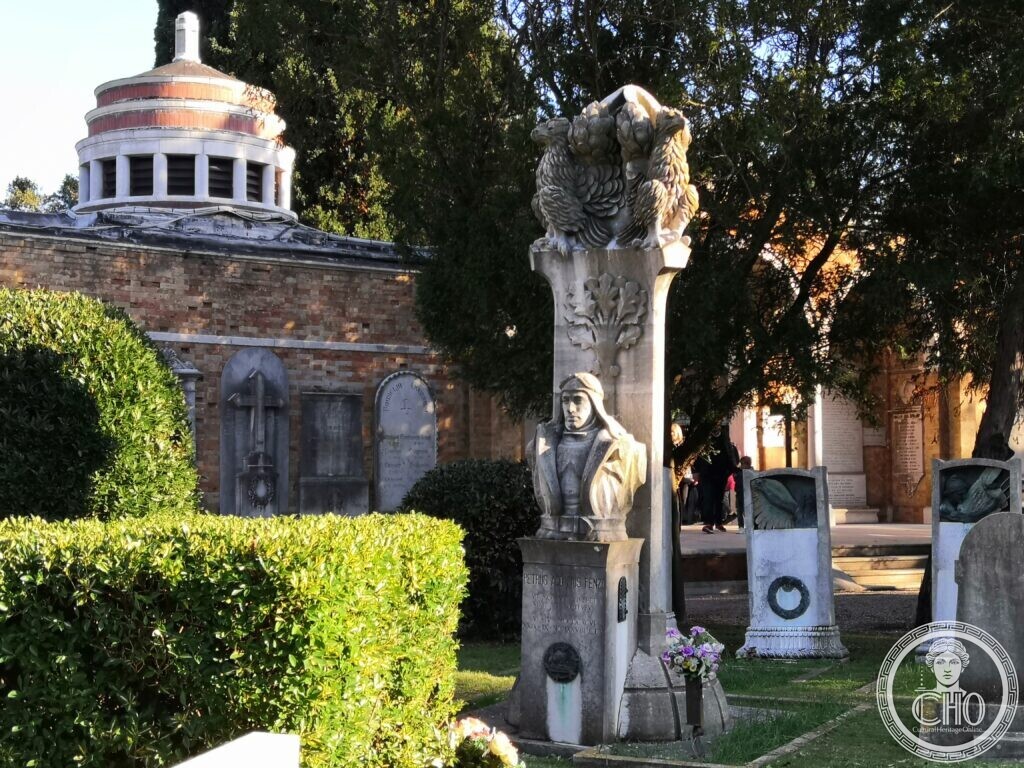
The Tomb of Pier Luigi Penzo — the Aviator of the Italia Rescue, in the Cemetery of San Michele
The tomb of Pier Luigi Penzo in the military field of the San Michele cemetery. Photo: Stefano Vigolo, 2019. Venice, […]

The tomb of Pier Luigi Penzo in the military field of the San Michele cemetery. Photo: Stefano Vigolo, 2019. Venice, […]
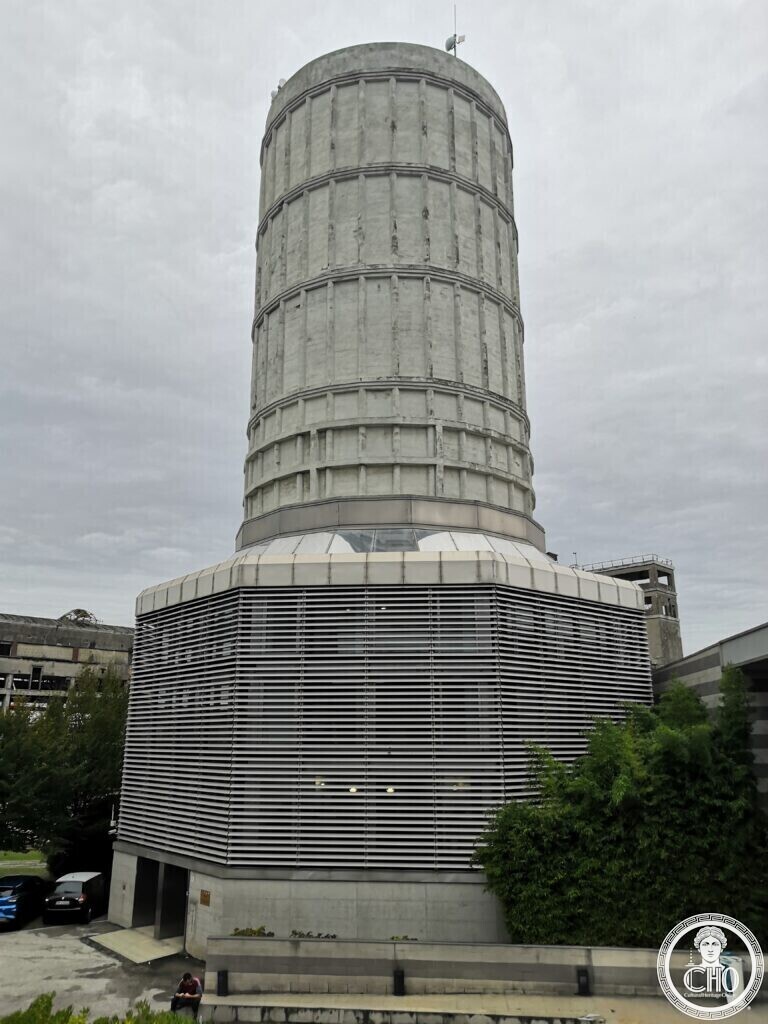
Torre Hammon at the VEGA science park, Marghera. Photo: Stefano Vigolo, 2021. Venice, Marghera · industrial heritage · 1938 Torre
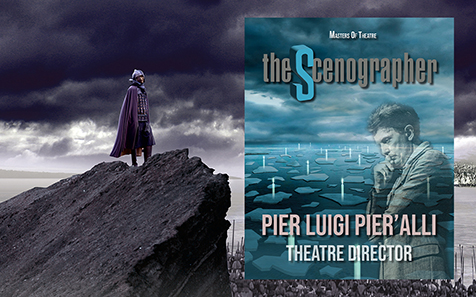
Pierluigi Pier’Alli has spent more than half a century making theatre in which the director, the set designer, the costume
Marc Chagall (1887–1985) is remembered for his paintings: the floating lovers, the violinists, the blue villages. The exhibition that opens
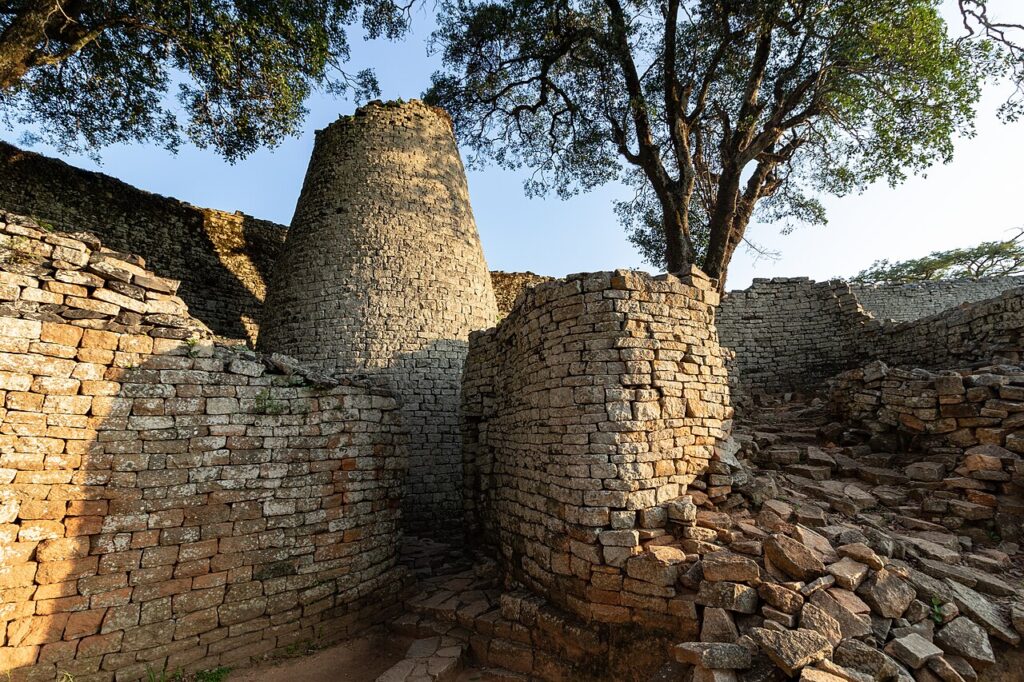
Great Zimbabwe, in Masvingo Province, is the largest ancient stone ruin in sub-Saharan Africa — a city that held up to 18,000 people, built without mortar by ancestors of the Shona between 1100 and 1450 CE. Colonial authorities denied its African origins for decades; the country named itself after the site at independence in 1980.

Lamu Old Town, UNESCO-inscribed since 2001, is the oldest continuously occupied Swahili settlement in East Africa, unchanged in street layout since the 14th century and navigated entirely by foot and donkey — no motor vehicles exist except one hospital vehicle. Its 23 documented carved door styles encode the cultural origin of each household’s owner, from Omani Arab merchant conventions to Gujarati Indian trader traditions.
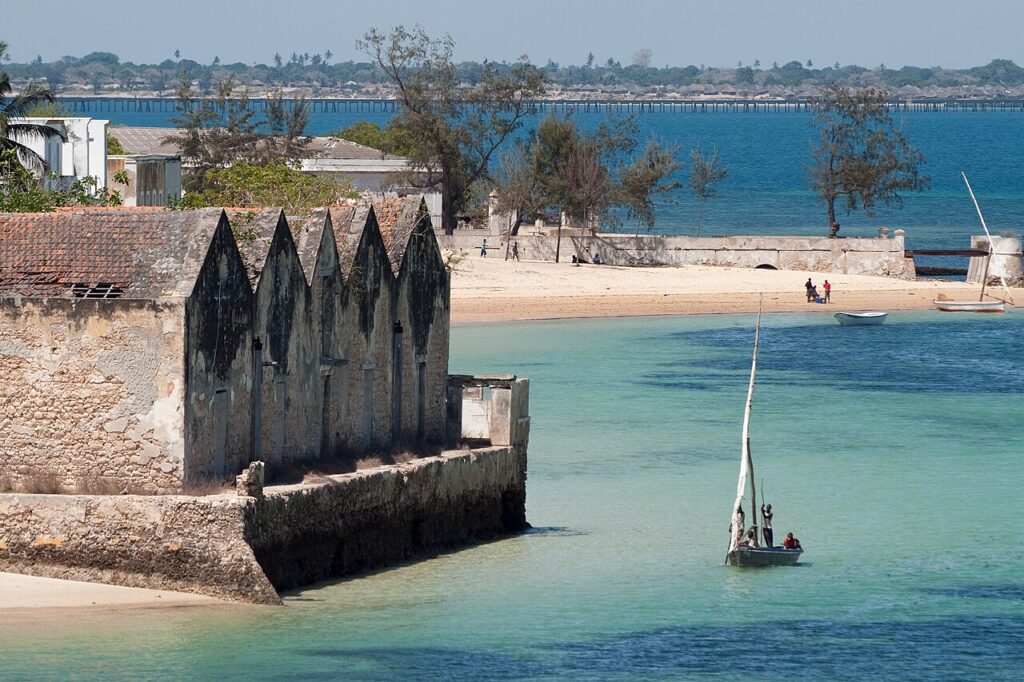
The Island of Mozambique, UNESCO-inscribed since 1991, is a 3.5-kilometre coral island that served as the capital of Portuguese East Africa from 1507 to 1898, the main transit point of the Indian Ocean spice trade, and the origin of the country’s name. Its fort, begun in 1558 and never taken by force, contains a chapel from 1522 that is the oldest standing European building in sub-Saharan Africa.
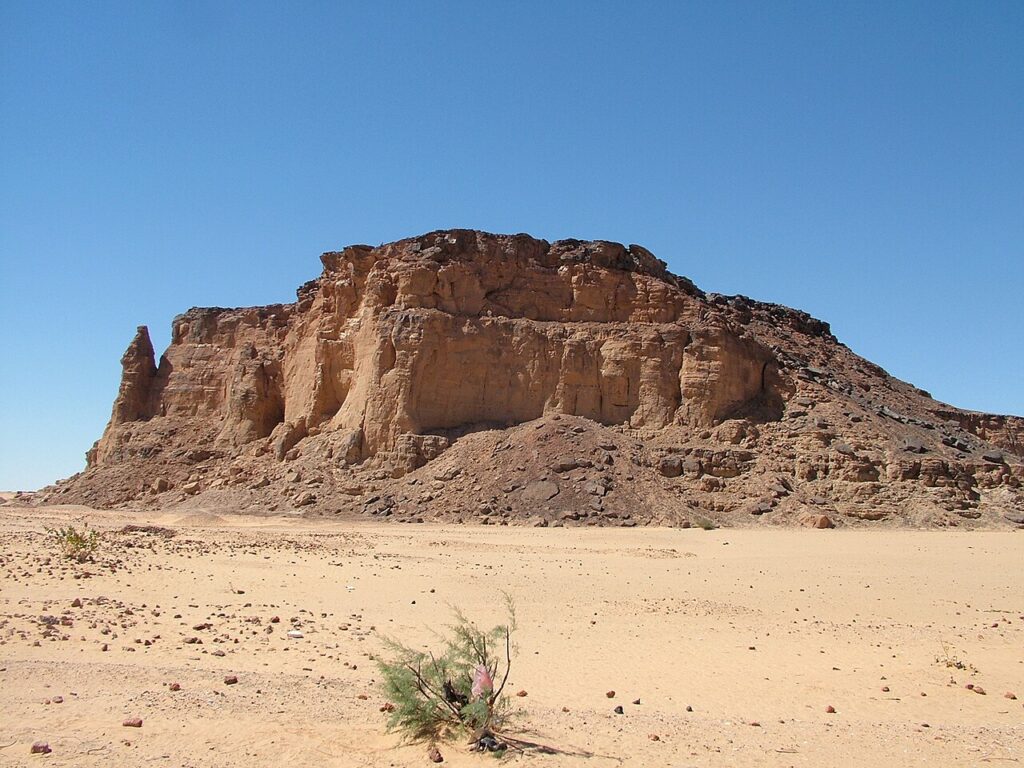
Gebel Barkal is a 98-metre sandstone mountain in northern Sudan that served as the sacred centre of the Napatan kingdom — the civilisation whose kings conquered all of Egypt in the 8th century BCE and built more pyramids than any Egyptian dynasty. The UNESCO-inscribed site includes the Temple of Amun, royal pyramid fields at Nuri (containing Taharqa’s 65-metre pyramid), and the earliest Kushite cemetery at El-Kurru.
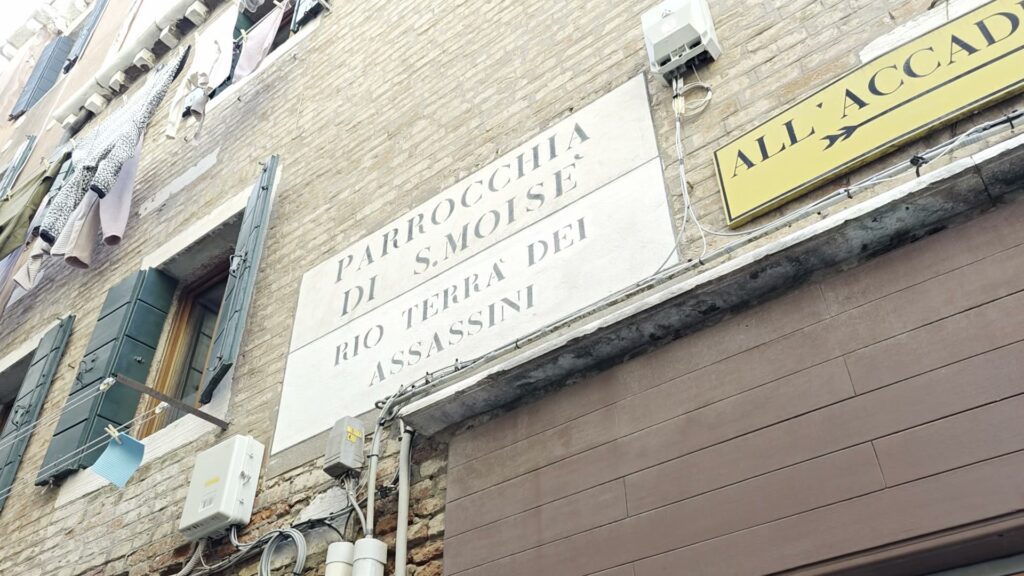
Rio Terà dei Assassini, in the sestiere of San Marco, runs over a canal that once had a bridge named after the killings committed on it. The chronicles link it to the order of 1128 that banned false beards and lit Venice’s unsafe streets at night.
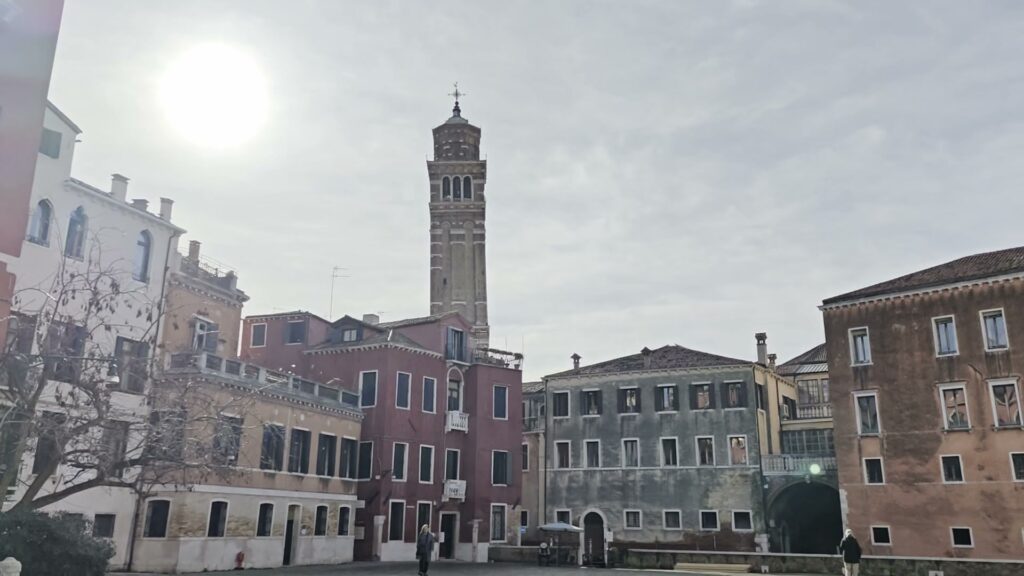
The Augustinian church of Santo Stefano, finished in 1325, keeps a wooden ship’s-keel roof, four Tintorettos and the floor tomb of Doge Francesco Morosini. Its bell tower leans about two metres, a lean that showed from the moment it was built.