A museum is not a collection in a building. It is a series of decisions: what is shown, what is stored, who is let in, who is kept out.
You can walk through a museum in an hour and come out knowing what it wants you to know. What you cannot see from the gallery floor is the decision behind each room: what was left in store, what the label does not say, why the ticket desk is where it is, why the upper floor is closed.
Museum studies is the discipline that reads those decisions. And the decisions are, almost always, undocumented in public.
Three museums, three decisions
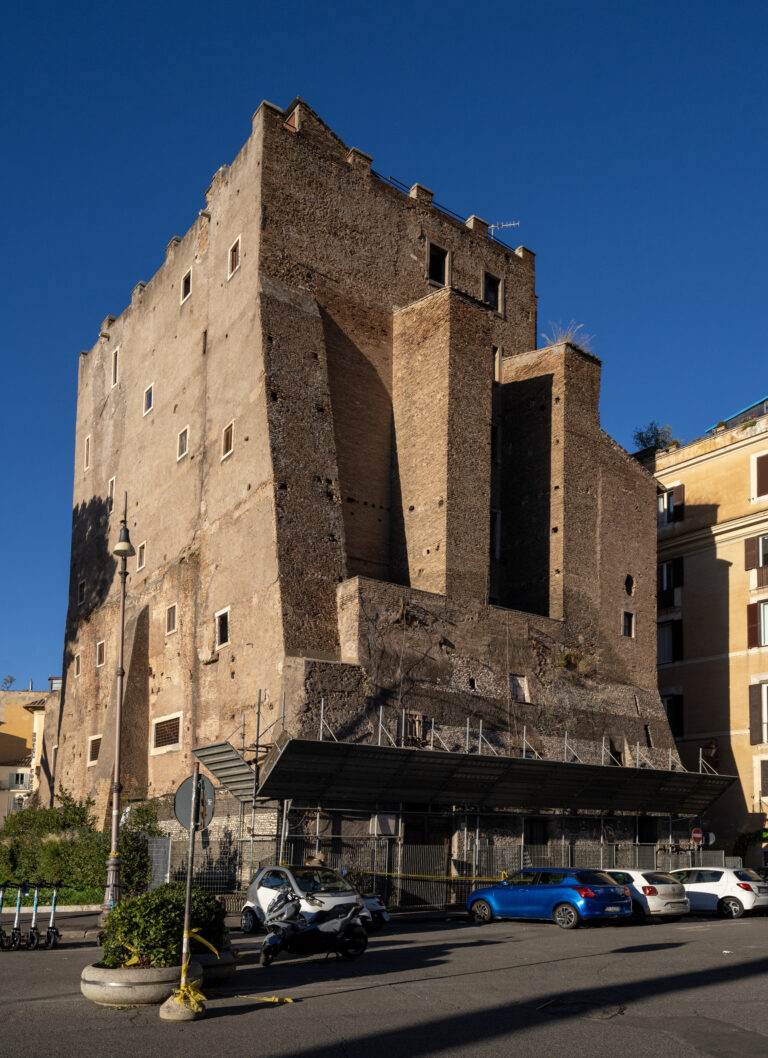
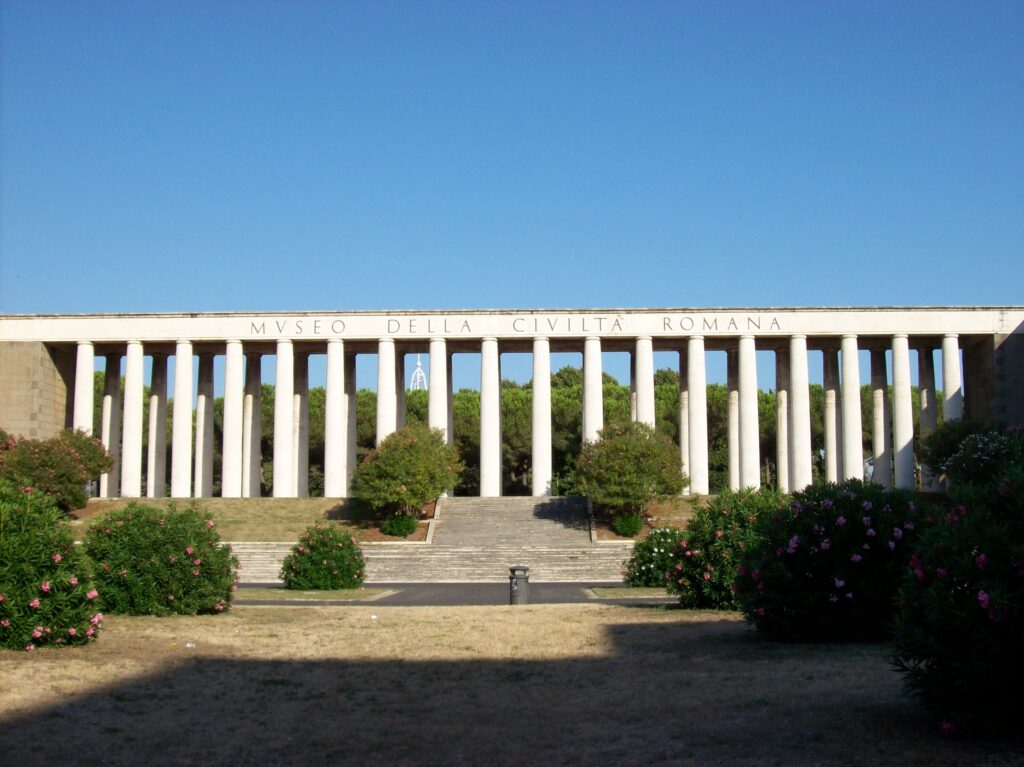
The Museo della Civiltà Romana in Rome’s EUR district was built to illustrate ancient Rome through casts, models and reconstructions in 59 sections. It has been closed to the public since 2014 for structural works. A museum can exist for a decade as an address and a website.
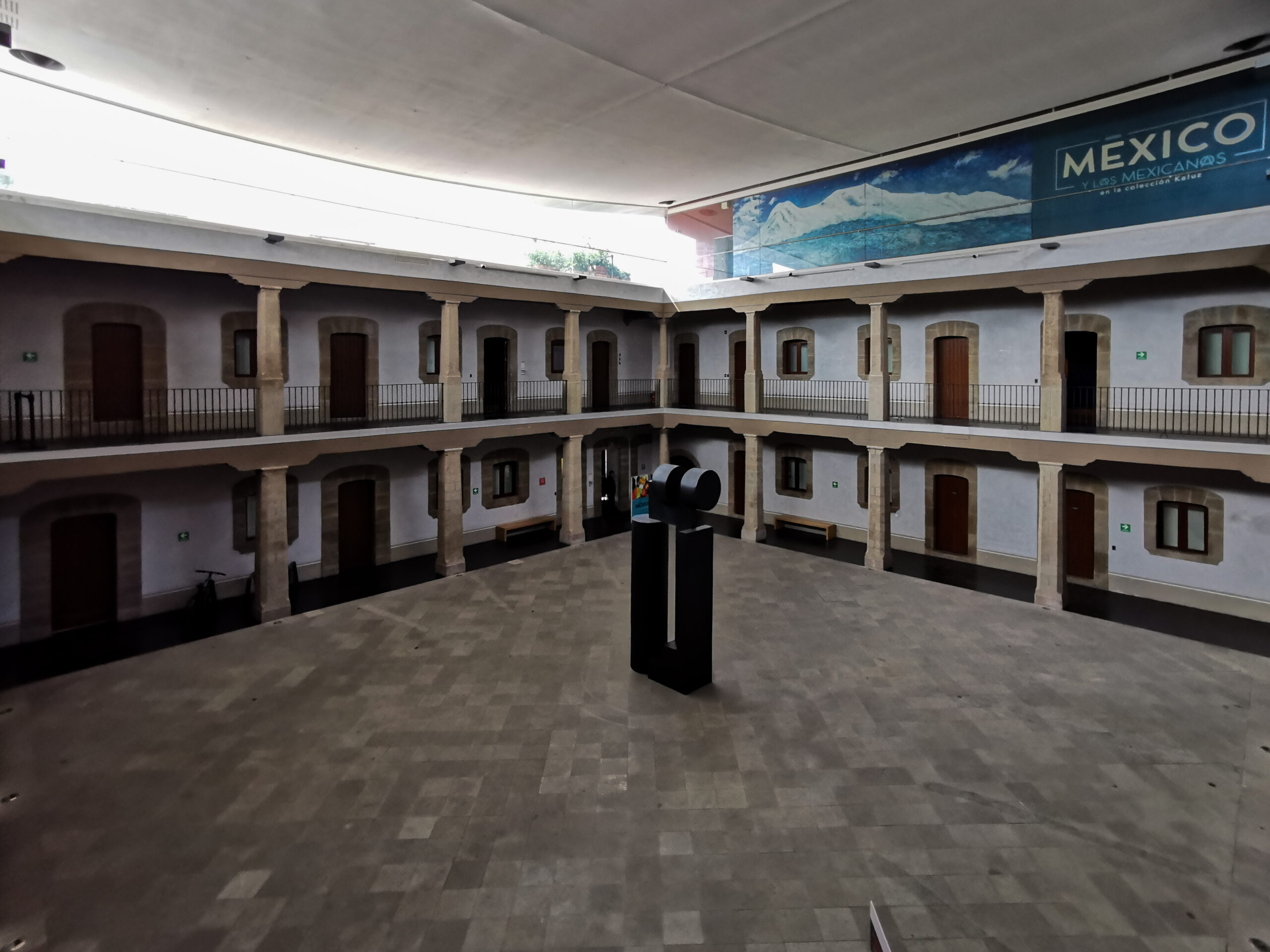
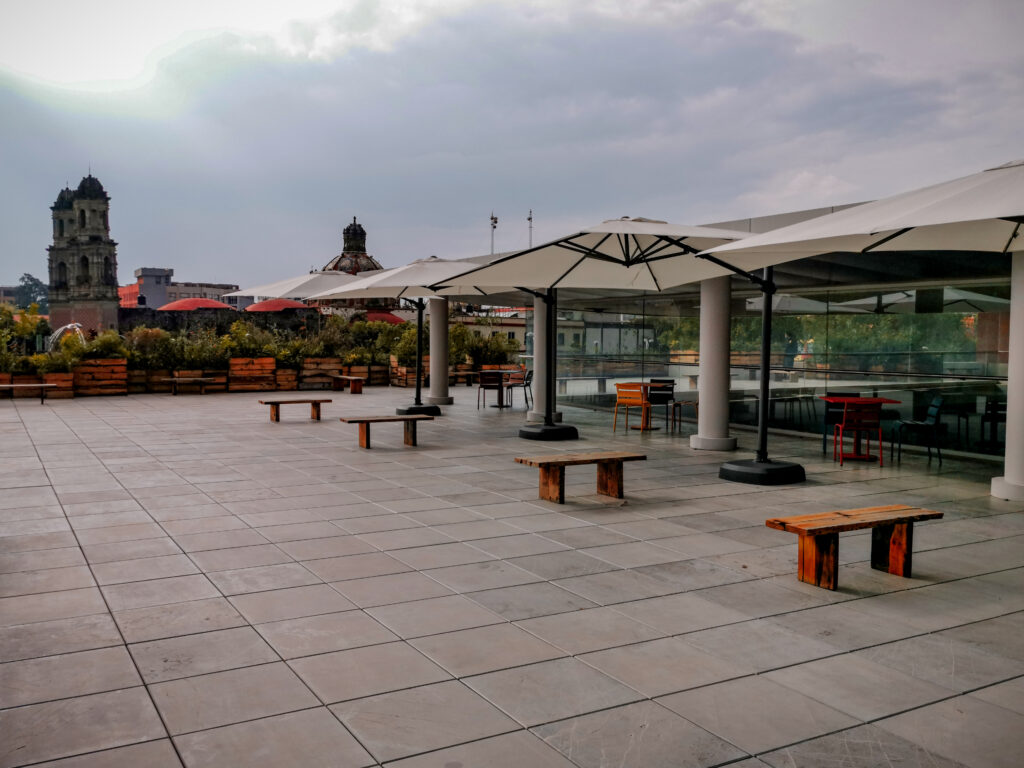
The Museo Kaluz in Mexico City is a building of 1790 that was a hospice for the poor, then a tenement, then a hotel, and opened as a museum on 22 October 2020. The conversion is the exhibit as much as the collection is.
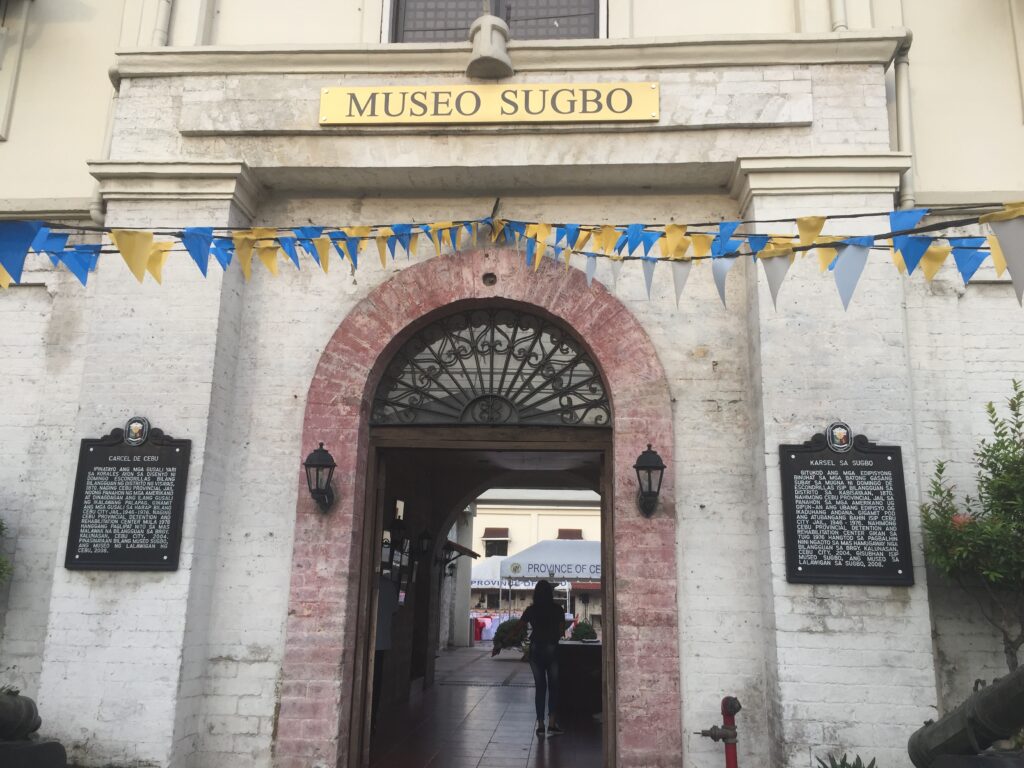
The Museo Sugbo in Cebu City occupies the former provincial detention and rehabilitation centre. A working prison became a public cultural space, and the building’s previous life is still legible in its plan.
What you can publish
A visit reading. What a visitor can do, cannot do, and is not told. Route, labels, lighting, seating, ticketing.
An access reading. Who the building is easy for and who it is not: steps, doors, language, opening hours, ticket price.
A closure note. What a museum says while it is shut, and what happens to the collection and the staff in the meantime.
Where to start
Start with the museum you know best, and go as a documenter rather than as a visitor. Note the route, photograph the labels, time the visit, and ask the press office for the visitor numbers they publish.
Then write the page the museum’s own communication does not have: an honest account of what a visit is like.
What it does for your record
Museum work is hiring people who can see the institution from the visitor’s side and from the office’s side at once. A published visit reading, dated and signed, is evidence of exactly that.
It will not get you a job on its own. It shows that you looked at the museum as a machine, not only as a treasure house.
Two things to know
Write about institutions, not about individuals. A criticism of a decision is defensible; an attack on a named member of staff is not, and the editors will not publish it.
Visitors and images. Photographs of identifiable visitors are not published without consent, and every museum has its own photography policy. In Italy, pictures of state-owned cultural property in a commercial publication can require authorisation and a fee.
Frequently asked questions
Is CHO Academic free?
Yes. A free account is open to anyone and needs no institution. Students and faculty at a partner institution get Operator PRO at no cost: a department code or a recognised institutional address switches it on.
Does it count as a publication?
It is edited, fact-checked and carries the ISSN, so it can be cited. It is not a peer-reviewed article in an indexed journal.
Can I criticise a museum?
Yes, if the criticism is about a decision you can document, and the institution has had the chance to respond. The Corrections Policy applies to every byline.
Who owns the copyright of my text?
You do. You grant CHO a licence to publish and archive the piece with your credit, and the licence is described on the CHO Academic page.
Sources
- Cultural Heritage Online, CHO Academic · https://culturalheritageonline.com/collaborate/academic/
- CHO, Museo della Civiltà Romana · https://culturalheritageonline.com/places/museo-della-civilt-romana-museum-of-roman-civilization-eur-roma/
- CHO, Museo Kaluz, Mexico City · https://culturalheritageonline.com/places/museo-kaluz-mexico-city/
- CHO, Museo Sugbo · https://culturalheritageonline.com/places/museo-sugbo/
Spotted an error? Write to editorial@culturalheritageonline.com and we correct it the same day.