The institution known as ITB took its present name in 1959, but its Bandung campus belongs to a longer story of technical education in Indonesia.
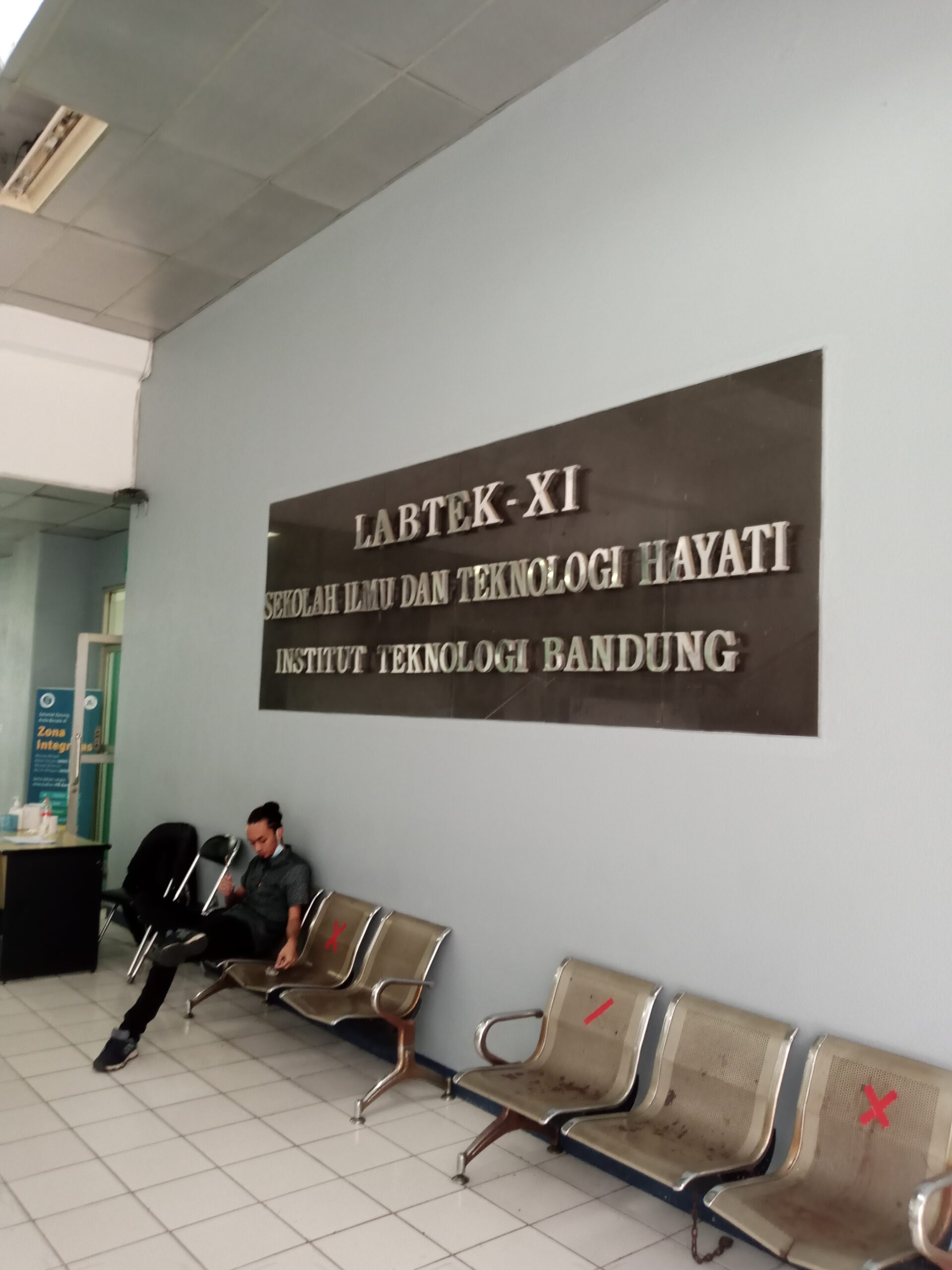
The Institut Teknologi Bandung, or ITB, is now a public research university in Bandung, Indonesia. It is widely regarded as one of the country’s most prestigious universities. Yet its history is not a simple one, beginning with a single decree or a single building. The institution that was created in 1959 inherited a role and a physical site that had been shaped by earlier schools.
An Older Campus, an Earlier School
The main campus in Bandung occupies ground that has long been associated with engineering education. From 1920, it was the site of the Technische Hogeschool, or TH. This earlier establishment marked the beginning of formal technical higher learning at the location. The campus therefore carries a layered history: what one sees today is not only a product of the post-independence era, but also a place where an older educational tradition took root.
The Founding of ITB in 1959
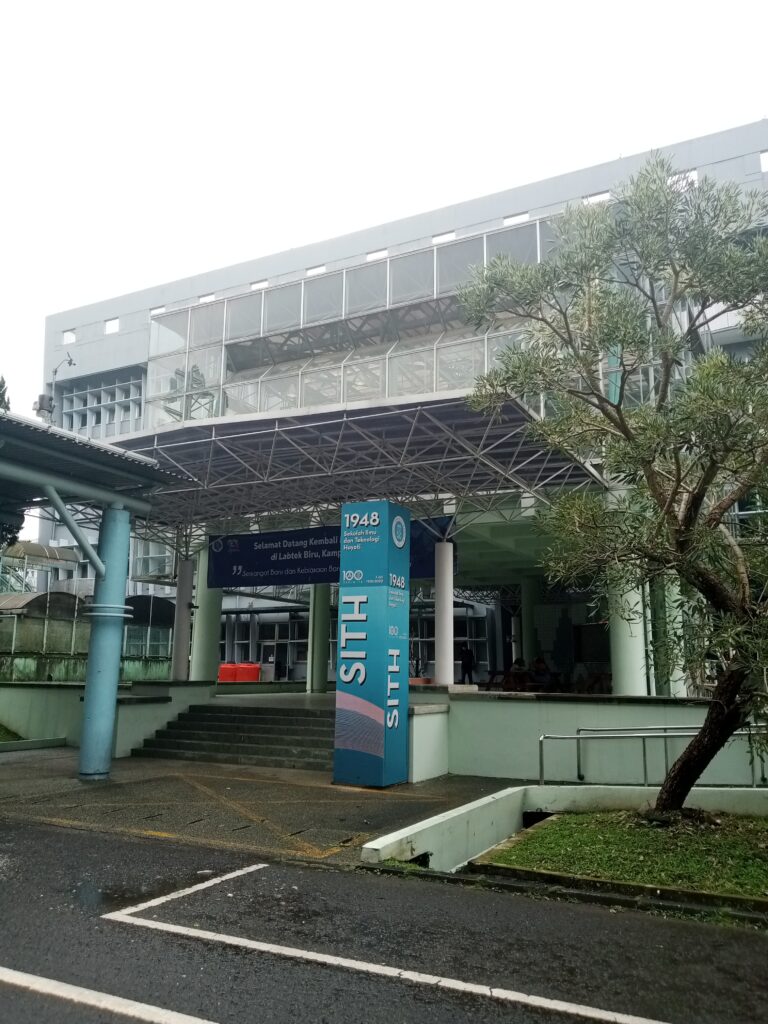
On 2 March 1959, the present Institut Teknologi Bandung was founded by the Indonesian government. It was established as an institution for higher learning in science, technology, and fine arts. Its stated mission combined education, research, and service to the community. The new institution consolidated a purpose that had been developing on the same site for decades, but under a distinctly national framework.
The university remains a public body. Its main campus is still in Bandung, but it also has additional campuses, including one in Jakarta. This expansion reflects the role the institution has taken on since 1959, carrying its original mandate beyond its historic home.
Sources
- QS Top Universities, ‘Institut Teknologi Bandung (ITB)’, https://www.topuniversities.com/universities/institut-teknologi-bandung-itb
- Wikipedia, ‘Bandung Institute of Technology’, https://en.wikipedia.org/wiki/Bandung_Institute_of_Technology
- ITB, ‘Contact’, https://itb.ac.id/contact
Spotted an error? Write to editorial@culturalheritageonline.com and we correct it the same day.