
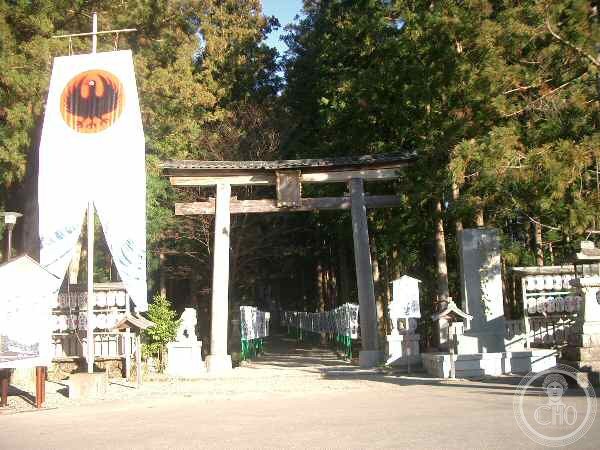
One of Japan’s most sacred Shinto shrines, Kumano Hongū Taisha anchors the ancient pilgrimage routes through the Kii Mountains. A catastrophic flood reshaped its destiny and location.
At a glance
Kumano Hongū Taisha is a principal shrine of Kumano Sanzan, a World Heritage Site encompassing sacred sites and pilgrimage routes in the Kii Mountain Range. The shrine enshrines three major deities: Ketsumimiko, Hayatama, and Fusubi, collectively known as Kumano Sansho Gongen. All ancient Kumano Kodō pilgrimage routes converge here, making it the spiritual destination of the entire network.
History
The shrine originally stood at Ōyunohara, a sandbank where the Kumano and Otonashi rivers meet. For centuries it remained a pilgrimage terminus, drawing devotees along mountain trails. In 1889, a devastating flood destroyed much of the shrine. The remaining buildings were relocated to the present site in 1891, reducing the original five main pavilions to three. Four deities moved with the shrine; eight others remain enshrined in two stone monuments at the flooded site.
In 2000, a monumental torii gate was erected at the entrance to Ōyunohara—a bold reconstruction of the sacred threshold. Standing 33.9 metres tall and 42 metres wide, this Otorii marks one of Japan’s most visible spiritual markers.
What you see
The rebuilt shrine occupies a compact hilltop site, its three main pavilions arranged in traditional Shinto layout. The original five structures reflected pre-flood grandeur; today’s configuration honours both historical continuity and practical necessity. At Ōyunohara, the Otorii dominates the landscape—a steel torii weighing 172 tons, fabricated over six months and assembled in another six. Its monumental scale reflects its function: to demarcate the boundary between profane and sacred space, embodying the spiritual geography of Kumano pilgrimage.
Cultural significance
Kumano Hongū Taisha is central to one of East Asia’s oldest continuous pilgrimage traditions. The Kumano Kodō routes—some dating to the 9th century—form a network converging on this shrine. Recognition as part of a UNESCO World Heritage Site affirms the spiritual and cultural importance of the entire Kumano sacred landscape. The shrine represents the resilience of Japanese Shinto practice: even displacement and reconstruction could not diminish its role as the pilgrimage’s spiritual heart.
Key facts
- Location: Tanabe, Wakayama Prefecture, Japan
- Coordinates: 33.84°N, 135.77°E
- UNESCO World Heritage Site: Sacred Sites and Pilgrimage Routes in the Kii Mountain Range (2004)
- Otorii gate dimensions: 33.9 m tall, 42 m wide; weighs 172 tons
- Enshrined deities: Ketsumimiko, Hayatama, Fusubi
- Original site relocated: 1891, following 1889 flood
Practical information & getting there
The shrine welcomes visitors year-round. Access by car or bus from Tanabe station is recommended. The nearby Ōyunohara sandbank, where the Otorii gate stands and stone monuments remain, is accessible via walking paths. The Kumano Kodō pilgrimage routes begin and end near the shrine; guided and self-guided treks range from one to several days. Consult local tourism offices for current hours and seasonal conditions.
Sources & resources
Find it on the map
See this place and what’s around it →📷 Become a Cultural Heritage Online photographer
Share your photos of places: they stay published under your name as the author. The more they're seen, the more you get noticed — and soon a contest will reward the most appreciated photos.
Log in or sign up free to add a photoIs this page about you?
This page is read by travellers and heritage enthusiasts who find it on Google. Tell us how you are connected to this place and we will take it from there.