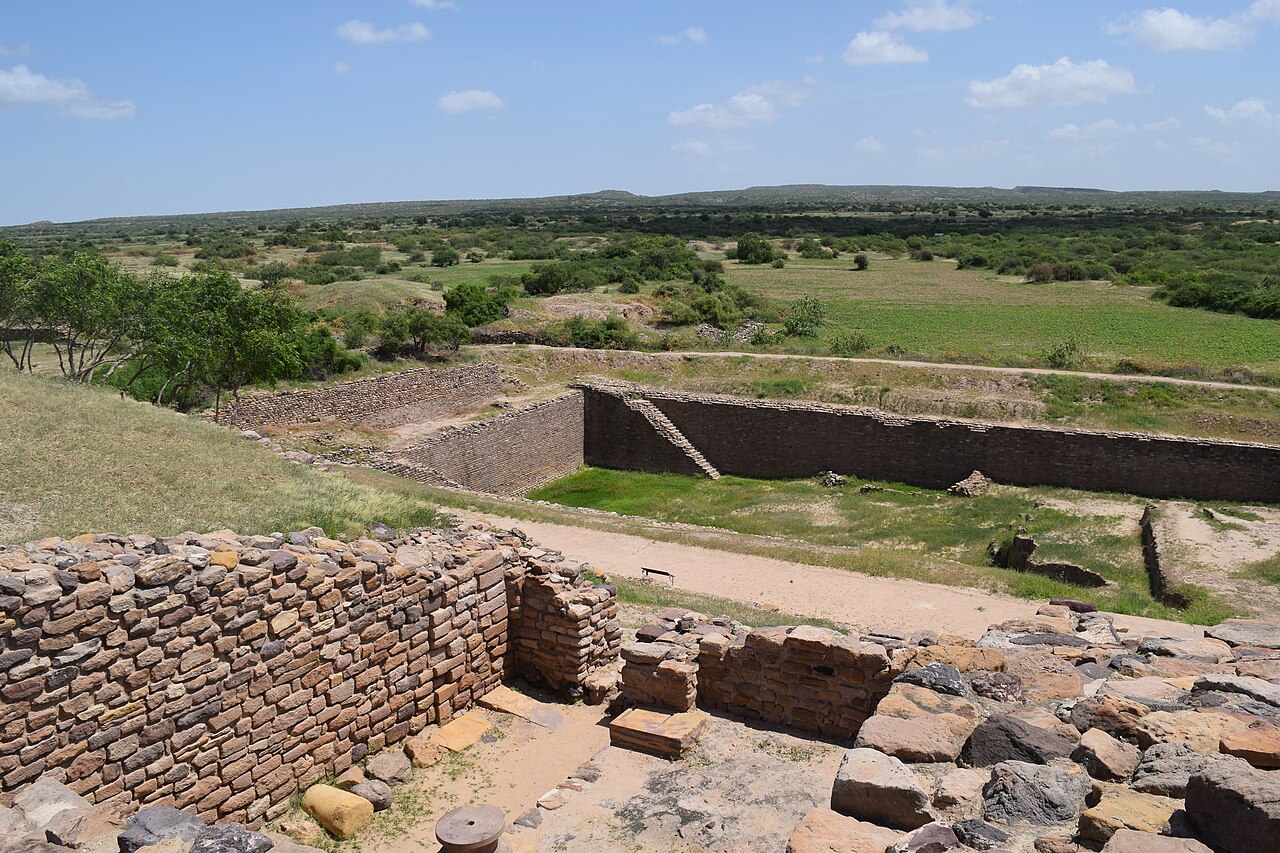
The nearest World Heritage site to Dholavira is Rani-ki-Vav at Patan in Gujarat, 192 km away as the crow flies. Further out lie the Historical Monuments at Makli, Thatta in Pakistan (254 km), the Historic City of Ahmadabad (261 km), the Hill Forts of Rajasthan (344 km), Champaner-Pavagadh Archaeological Park (367 km) and the Archaeological Ruins at Moenjodaro (435 km). Dholavira itself is a Harappan city occupied between around 3000 and 1500 BCE on the arid island of Khadir in the Rann of Kutch, and it joined the World Heritage List in 2021.
The World Heritage sites within reach of Dholavira
The distances below are straight lines between the reference points that UNESCO publishes for each property, measured to the nearest component of a serial site. They tell you what is close. They do not tell you how long the road takes, which depends on the season and the route.
| Site | Country | Distance | Inscribed | Type |
|---|---|---|---|---|
| Rani-ki-Vav (the Queen’s Stepwell) at Patan, Gujarat | India | 192 km | 2014 | Cultural |
| Historical Monuments at Makli, Thatta | Pakistan | 254 km | 1981 | Cultural |
| Historic City of Ahmadabad | India | 261 km | 2017 | Cultural |
| Hill Forts of Rajasthan | India | 344 km | 2013 | Cultural |
| Champaner-Pavagadh Archaeological Park | India | 367 km | 2004 | Cultural |
| Archaeological Ruins at Moenjodaro | Pakistan | 435 km | 1980 | Cultural |
The three sites in Gujarat — Dholavira, Rani-ki-Vav and the Historic City of Ahmadabad — belong to entirely different millennia, but they trace a continuous line of water engineering in the same region. Dholavira’s inhabitants carved stone reservoirs to capture monsoon runoff in the third millennium BCE. Rani-ki-Vav, built in the eleventh century CE, turned water storage into an inverted temple with hundreds of sculptures. Ahmadabad, founded in the fifteenth century on the Sabarmati river, grew around public wells and traditional houses arranged in gated streets called pols.
A walled city with no river to rely on
Dholavira sits on the island of Khadir in the State of Gujarat, in the arid landscape of the Rann of Kutch. Unlike many Harappan settlements, it was not built beside a river or another perennial source of water. Two seasonal streams provided what little water the region offered. The people of Dholavira responded by constructing a sophisticated water management system of stone reservoirs, drains and channels that caught and stored the monsoon flow. That system was essential to the survival of a city occupied for around 1,500 years, and it is one of the reasons UNESCO considers the site outstanding.
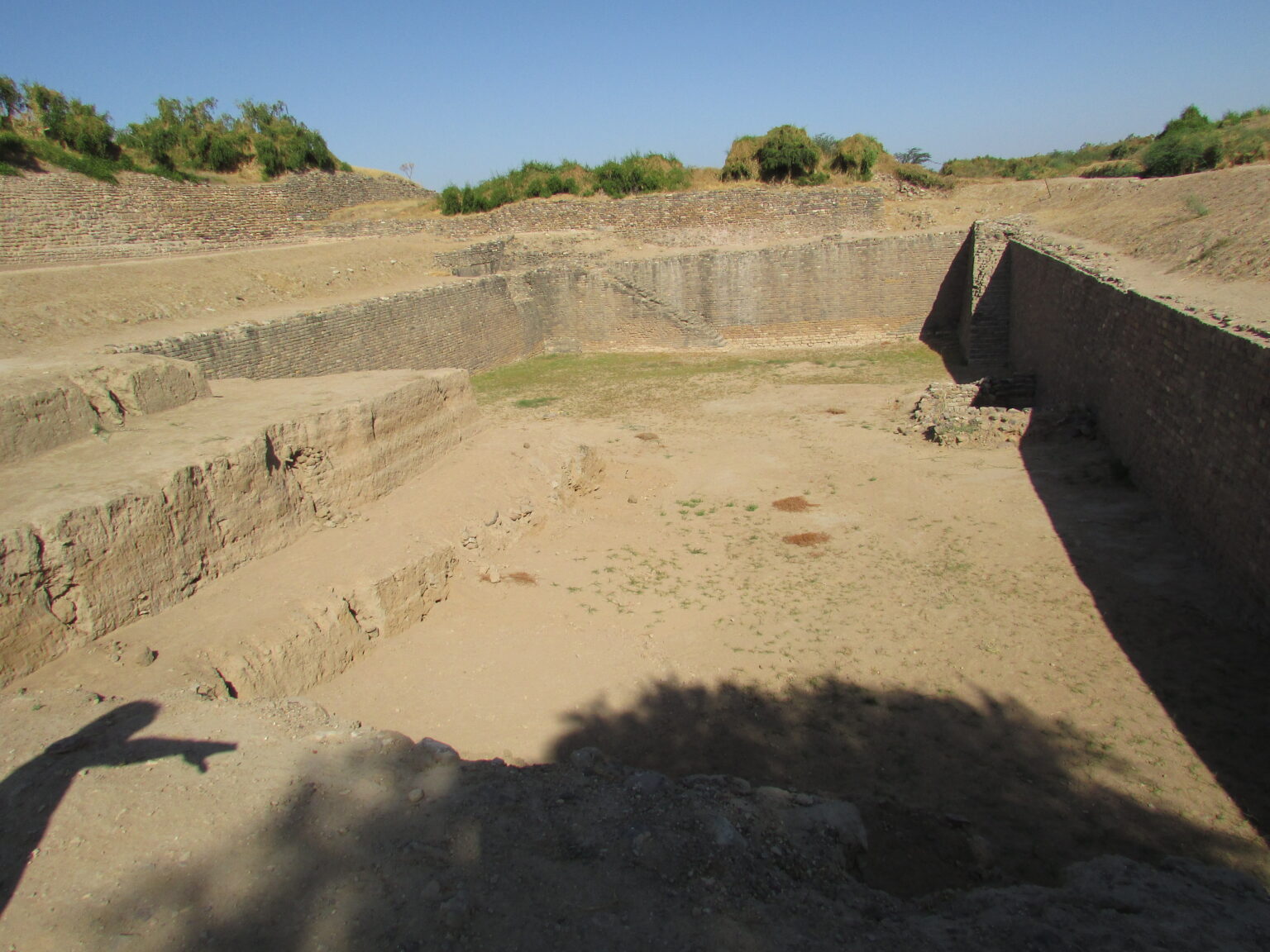
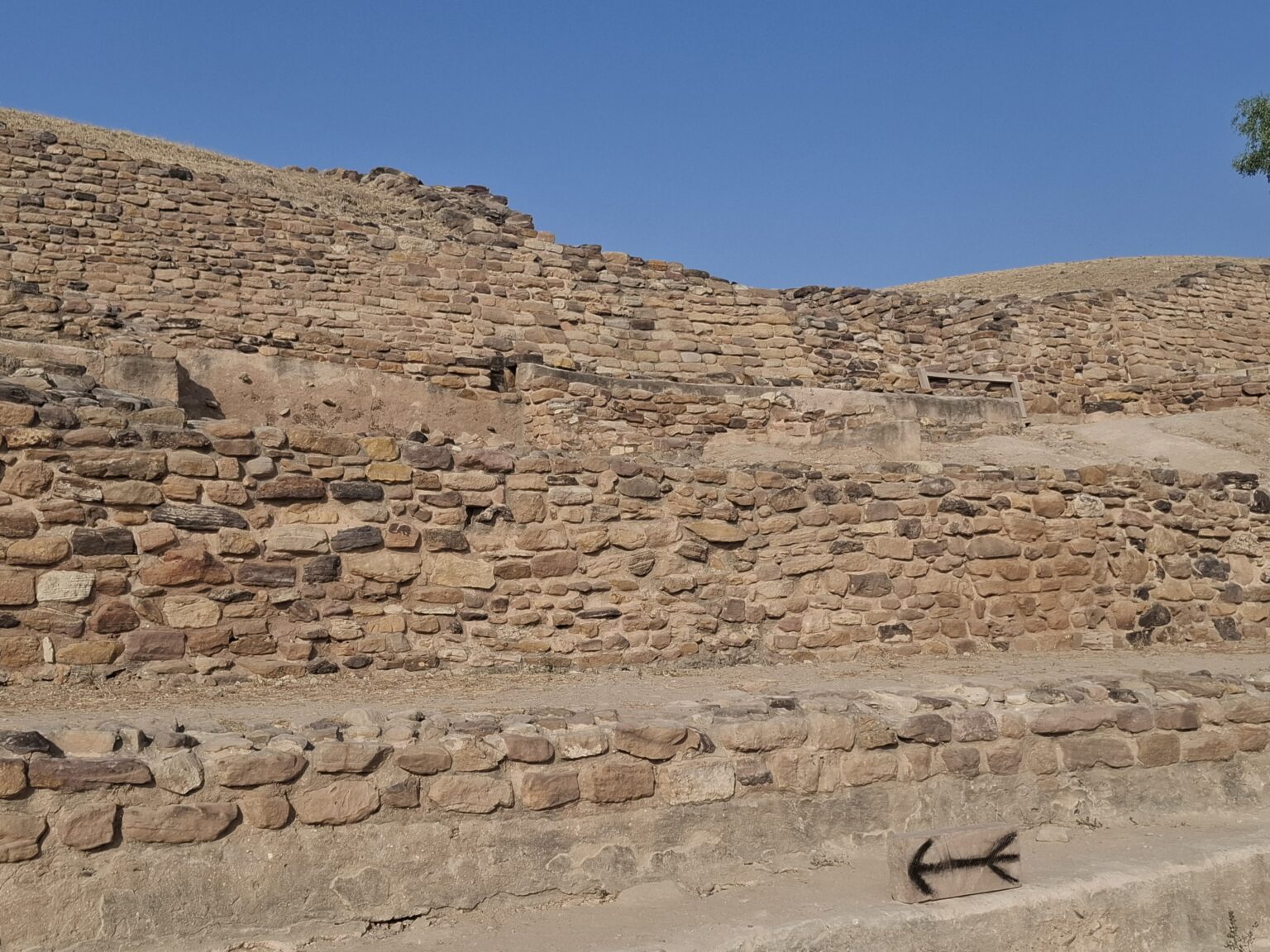
The walled city comprises a heavily fortified castle and ceremonial ground, a fortified middle town and a lower town. Behind those defences were streets and houses of different proportion and quality, which testify to a stratified social order. Because building stone was available locally, the inhabitants used it extensively as a building material, making Dholavira visually distinct among Harappan cities built largely of brick.
What the excavations revealed about Harappan life and trade
The city first came to light in 1968, and archaeologists returned for thirteen field seasons over sixteen years starting in 1989. Those excavations uncovered bead processing workshops and artefacts made of copper, shell, stone, semi-precious stones, terracotta, gold, ivory and other materials. The range of materials points to a regional centre that drew on local mineral sources and traded far beyond Khadir. The archaeological record also shows links with other Harappan cities and with centres in the Mesopotamia region and the Oman peninsula.
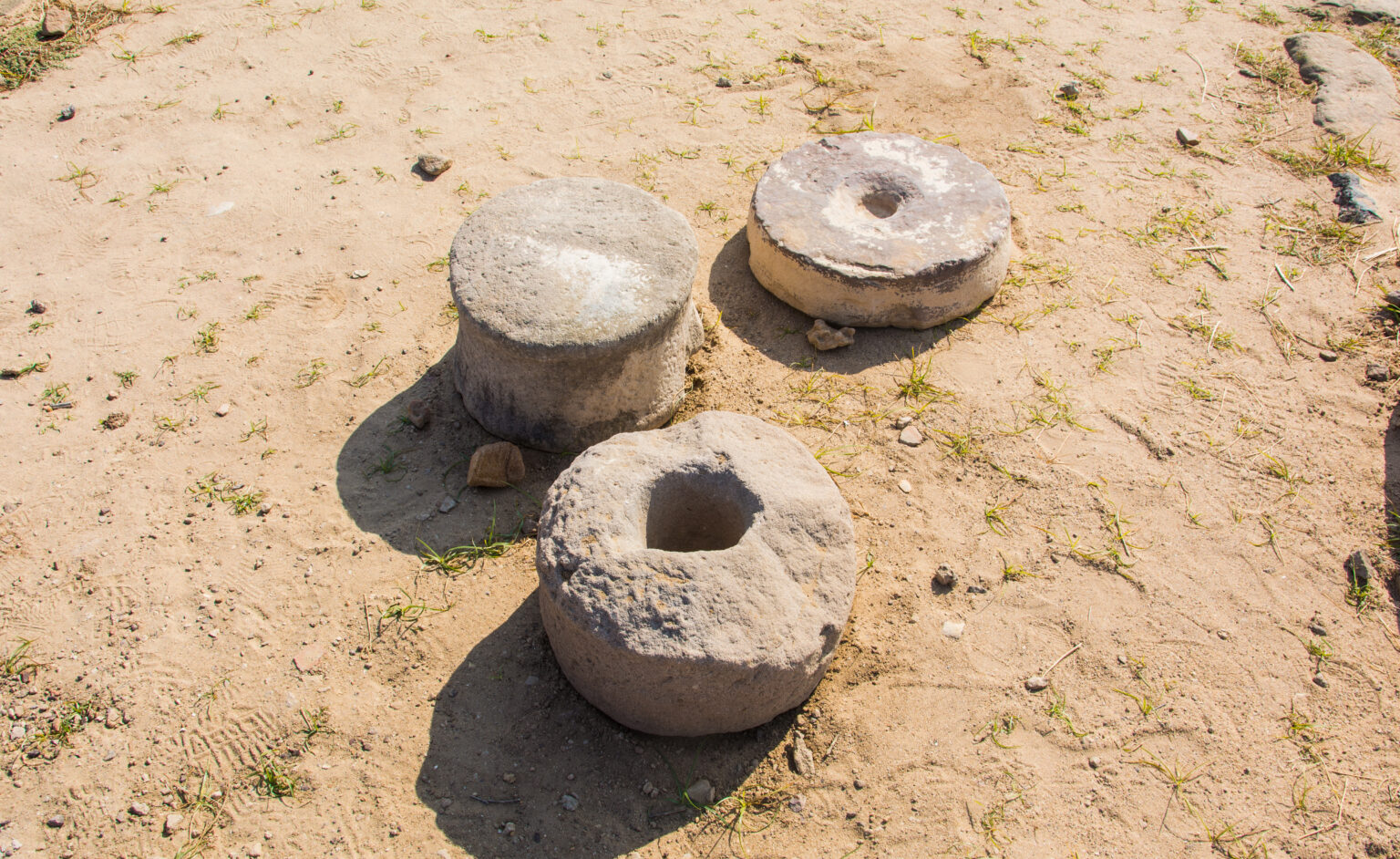
The property also includes a large cemetery to the west of the city. Most of the burials there are memorial in nature, and the cemetery contains cenotaphs of six types. UNESCO reads that variety as evidence of the Harappan people’s view of death and their belief system, preserved in situ alongside the city itself.
Why Dholavira was inscribed
UNESCO inscribed Dholavira in 2021 under criteria (iii) and (iv). Criterion (iii) recognises it as an exceptional example of a proto-historic Bronze Age urban settlement belonging to the Harappan Civilization, with continuous occupation through the early, mature and late Harappan phases. Criterion (iv) recognises its urban planning: the preconceived city layout, a set of concentric defensive walls, the water reservoirs and drainage system, and the wide use of stone for building. Those features reflect the unique position Dholavira held in the wider Harappan world.
Frequently Asked Questions
Which UNESCO World Heritage sites are near Dholavira?
Rani-ki-Vav at Patan is 192 km away in a straight line. Next are the Historical Monuments at Makli, Thatta in Pakistan (254 km), the Historic City of Ahmadabad (261 km), the Hill Forts of Rajasthan (344 km), Champaner-Pavagadh (367 km) and Moenjodaro (435 km).
When was Dholavira inscribed on the World Heritage List?
Dholavira was inscribed in 2021 under criteria (iii) and (iv). Criterion (iii) covers its testimony to the Harappan Civilization and its stratified society; criterion (iv) covers its urban planning, fortifications, water reservoirs, drainage system and use of stone.
How long was Dholavira occupied?
The site was occupied between about 3000 and 1500 BCE, a continuous habitation of nearly 1,500 years. The earliest evidence goes back to 3000 BCE in the early Harappan phase, and the remains span the rise, zenith and decline of the city.
What makes Dholavira different from other Harappan cities?
It was built on the arid island of Khadir rather than beside a river, so its inhabitants carved reservoirs to store seasonal stream water. It also made extensive use of stone as a building material, where most Harappan cities built mainly in brick.
Sources
- UNESCO World Heritage Centre — Dholavira: a Harappan City (inscribed 2021). https://whc.unesco.org/en/list/1645/
- UNESCO World Heritage Centre — Rani-ki-Vav (the Queen’s Stepwell) at Patan, Gujarat (inscribed 2014). https://whc.unesco.org/en/list/922/
- UNESCO World Heritage Centre — Historical Monuments at Makli, Thatta (inscribed 1981). https://whc.unesco.org/en/list/143/
- UNESCO World Heritage Centre — Historic City of Ahmadabad (inscribed 2017). https://whc.unesco.org/en/list/1551/
- UNESCO World Heritage Centre — Archaeological Ruins at Moenjodaro (inscribed 1980). https://whc.unesco.org/en/list/138/
Spotted an error? Write to [email protected] and we correct it the same day.