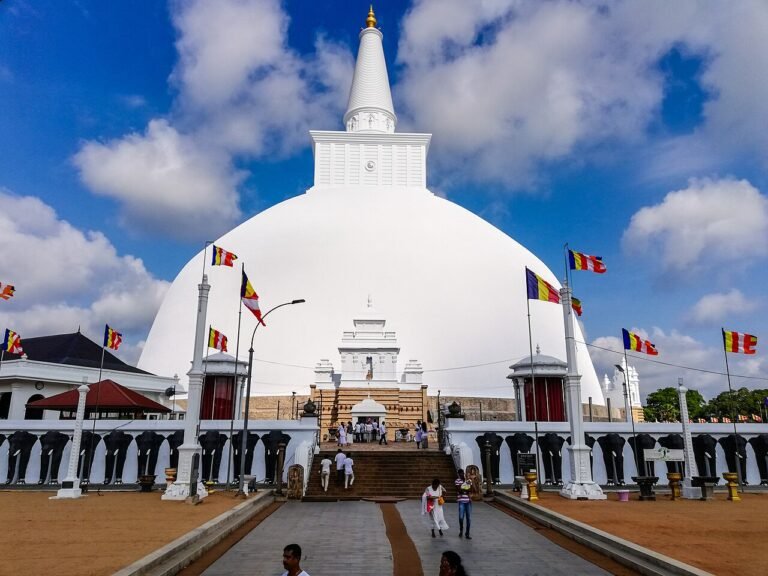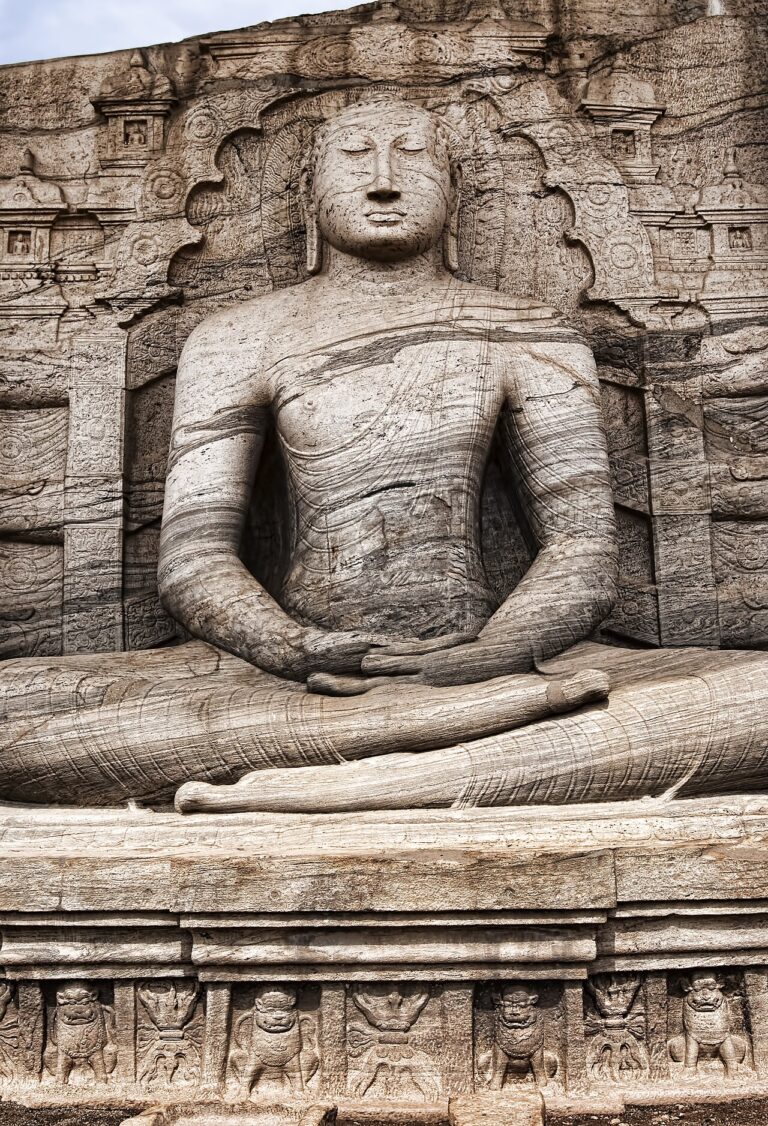
The Maldives has no UNESCO World Heritage Sites. The 1,200 coral islands and atolls of the Indian Ocean archipelago face an existential challenge from sea-level rise and are increasingly recognised as a form of endangered natural and cultural heritage — one of the world’s most threatened island nations. The nearest inscribed UNESCO sites are in Sri Lanka, approximately 700 km northeast. From Cultural Heritage Online.
The Maldivian Heritage Landscape — Atolls and Coral Reefs
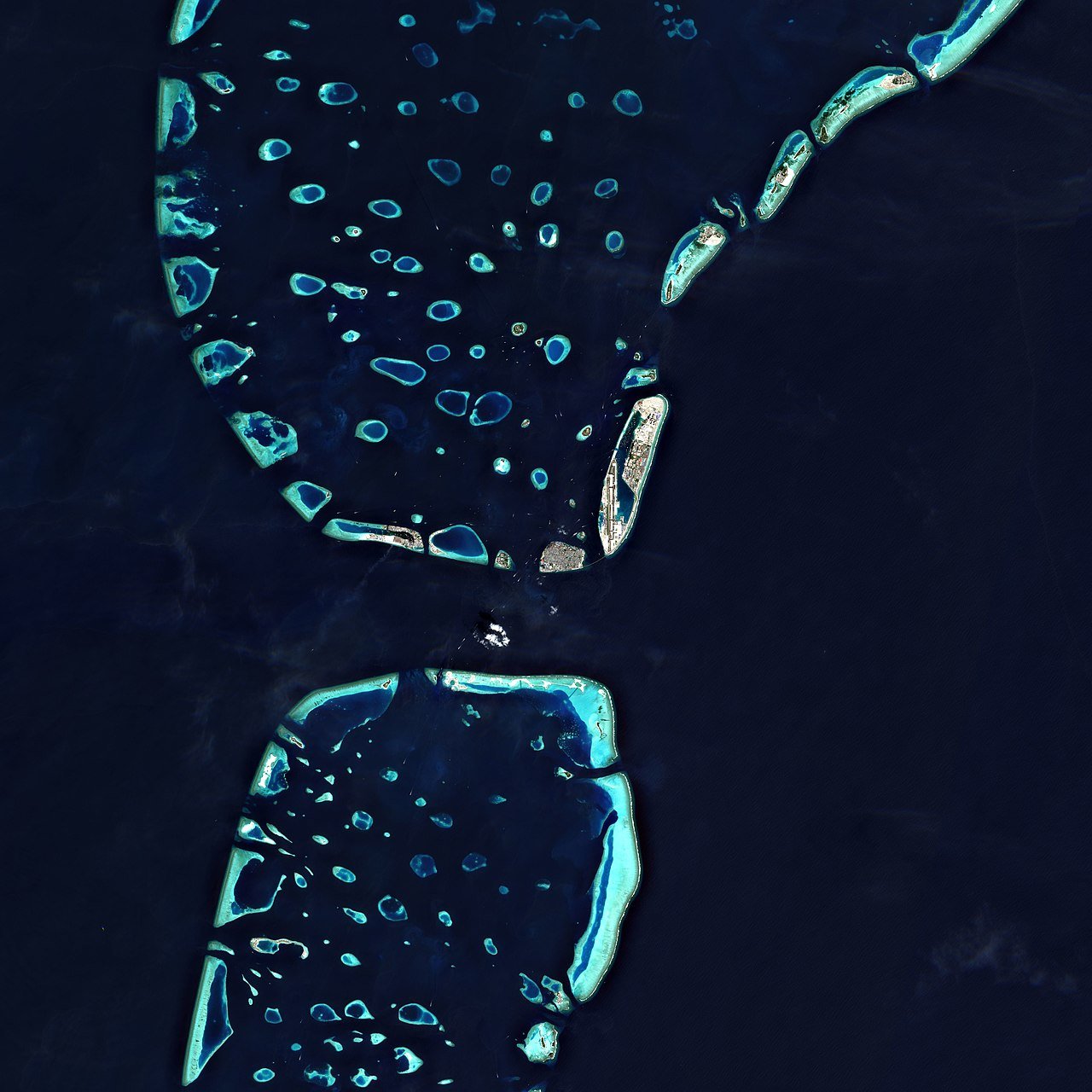
The Maldives consists of approximately 1,200 coral islands arranged in 26 natural atolls extending for 900 km north-south in the Indian Ocean, with a maximum elevation of approximately 2.4 metres above sea level — the lowest maximum elevation of any country in the world. The Maldivian coral reef system is one of the most extensive and biodiverse in the Indian Ocean, supporting whale sharks, manta rays, sea turtles, and reef ecosystems of very high biological value. The reefs have experienced severe bleaching events, most recently in 2016 and 2019, associated with elevated ocean temperatures linked to climate change.
The Maldives has been inhabited since approximately the fifth century BCE; the earliest settlers are believed to have been Dravidian peoples from southern India and Sri Lanka. The Maldivian language (Dhivehi) and script (Thaana) are unique to the islands. The dominant traditional architecture — known as Maldivian coral stone architecture, using blocks cut from coral reefs to construct mosques, palaces, and houses — is endangered both by the development pressure of the tourism economy and by the progressive damage to coral reefs that has reduced the availability of the material. The Friday Mosque (Hukuru Miskiy) in Malé, built in 1656 from coral stone, is the oldest standing building in the Maldives and the most significant surviving example of traditional Maldivian architecture.
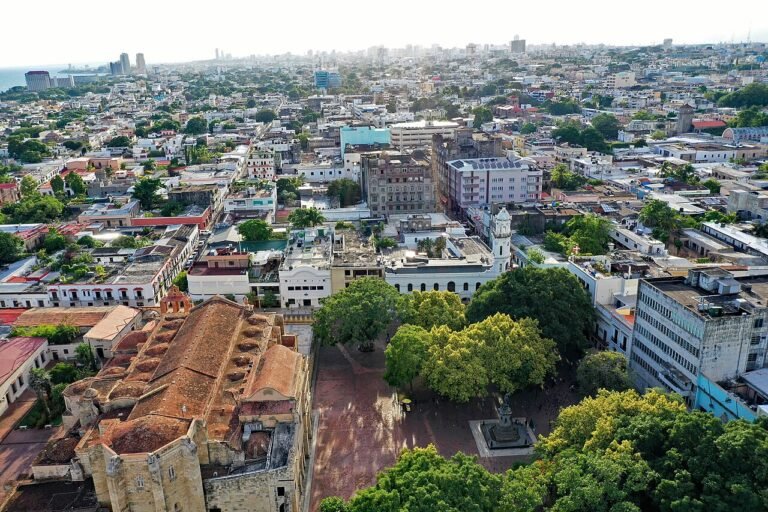
The Maldives has been a prominent voice in international climate negotiations, arguing that a 1.5°C temperature rise limit is essential for the country’s survival. The government has pursued coral restoration programmes, artificial beach nourishment, and the construction of artificial islands (such as Hulhumalé, built up from a coral atoll to provide housing space) as adaptations. The Maldives Tentative List for UNESCO includes the Old Town of Malé and the coral stone mosques of several atolls.
Getting there: Malé is served by Velana International Airport, with direct flights from major hubs across Asia, Europe, and the Middle East. The nearest UNESCO sites are in Sri Lanka: Sigiriya (fortress and royal city), Galle Fort, and the Cave Temples of Dambulla, all approximately 700 km northeast by air. Allow: Malé and its immediate surroundings can be covered in a day; most Maldives visits are based on resort atolls. Best for: Marine heritage and coral reef ecology; island culture; climate heritage context.
Frequently Asked Questions
Does the Maldives have any UNESCO World Heritage Sites?
No. The Maldives has no inscribed UNESCO World Heritage Sites. The national Tentative List includes the Old Town of Malé (with its Friday Mosque and coral stone architecture) and several atoll sites. The country has submitted periodic nomination dossiers but none has been accepted for inscription to date.
What is the maximum elevation of the Maldives and what does it mean for sea level rise?
The maximum natural elevation of any land in the Maldives is approximately 2.4 metres above sea level, making it the lowest-lying country in the world. The vast majority of inhabited islands have an average elevation of less than 1 metre above mean sea level. The IPCC projects that sea levels will rise by between 0.3 and 1 metre by 2100 under various emissions scenarios, and significantly more in worst-case scenarios. Even under optimistic scenarios, storm surge flooding, saltwater intrusion into freshwater lenses, and coastal erosion will severely impact habitability on many islands well before they are permanently inundated.
What is Maldivian coral stone architecture and why is it endangered?
Traditional Maldivian architecture used blocks cut from dead coral reef (particularly from massive coral heads) to construct mosques, houses, walls, and royal buildings. The coral stone was dressed and fitted to form walls, arches, and decorative carved panels. The Friday Mosque (Hukuru Miskiy) in Malé (1656) is the finest surviving example, with intricately carved coral stone panels forming both its structural walls and its decorative interior. The tradition is endangered because: coral reef degradation reduces the availability of usable coral stone; construction costs of traditional methods are much higher than concrete; and the tourism-driven construction economy favours modern materials. Several historic mosques on outer atolls have been demolished or allowed to collapse without documentation.
What wildlife lives in the Maldivian reefs?
The Maldivian coral reef system supports whale sharks (Rhincodon typus), manta rays (both reef and oceanic species), hawksbill and green sea turtles, 1,100+ reef fish species, 200+ coral species, and dolphins, sperm whales, and blue whales in the deeper waters. The South Ari Atoll is one of the most reliable locations in the Indian Ocean to encounter whale sharks year-round. The reefs have experienced severe bleaching events (1998, 2010, 2016, 2019) that have reduced coral cover significantly in affected areas, though the Maldives benefits from deep-water upwelling that helps cool some reefs.
Sources
- S1 — Romero-Frias, Xavier. The Maldive Islanders: Popular Culture of an Ancient Ocean Kingdom. Nova Ethnographia Indica, 1999. ISBN 978-84-7254-139-9.
- S2 — Newitt, Malyn. A History of Mozambique. Indiana University Press, 1995. ISBN 978-0-253-34006-1.
Spotted an error? Write to editorial@culturalheritageonline.com and we correct it the same day.