In 1928, at the industrial crossroads of Alsace and Franche-Comté, the electrical division of Compagnie Française Thomson-Houston merged with the heavy machinery ateliers of the Société Alsacienne de Constructions Mécaniques (SACM) in Belfort. Naming the new colossus *Als-Thom*—contracted from Alsace and Thomson—they established the pioneer of European high-speed rail, responsible for legendary electric locomotives, the TGV, and the modern renaissance of sustainable mass transit.
The Marriage of Alsace and Thomson: Heavy Forges and Dynamos
In the late 1920s, the national railway networks of Europe were racing to electrify trunk lines to replace coal locomotives. In 1928, two industrial giants united: SACM, whose Belfort foundry and boiler works dated to 1879, joined forces with Thomson-Houston, the undisputed master of electrical traction motors and substations. The resulting company, *Alsthom*, pooled thousands of master boilermakers, metal casters, and electrical engineers.
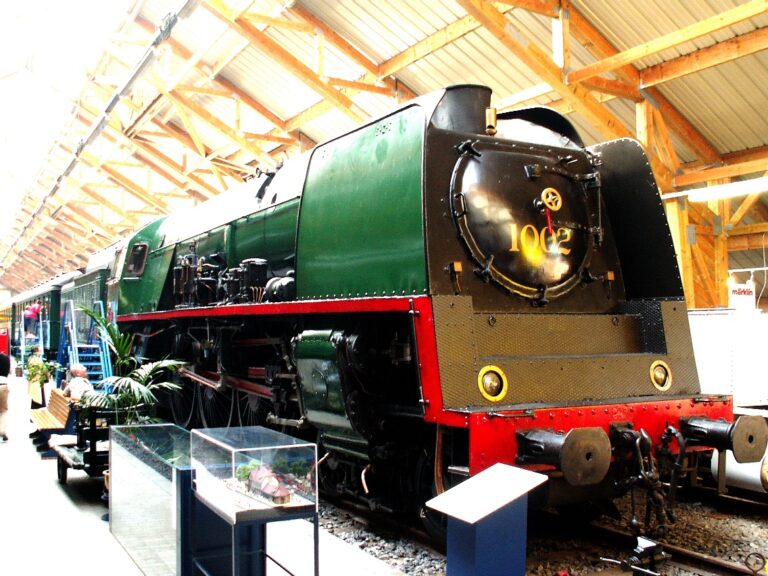
Throughout the 1930s, Alsthom supplied massive electric locomotives for the Paris-Orléans (PO) and PLM railway lines, establishing Belfort as the beating heart of French electromechanical engineering.
Breaking the Speed of Sound on Rails: The TGV and Beyond
In the postwar era, Alsthom repeatedly shattered world railway speed records: 331 km/h in 1955 with the CC 7107, and ultimately the historic world rail speed record of 574.8 km/h in 2007 with the V150 TGV trainset. Designing the sleek aerodynamic nose and articulated bogies for SNCF’s *Train à Grande Vitesse*, Alsthom shrank European distances and permanently reshaped continental urban geography.
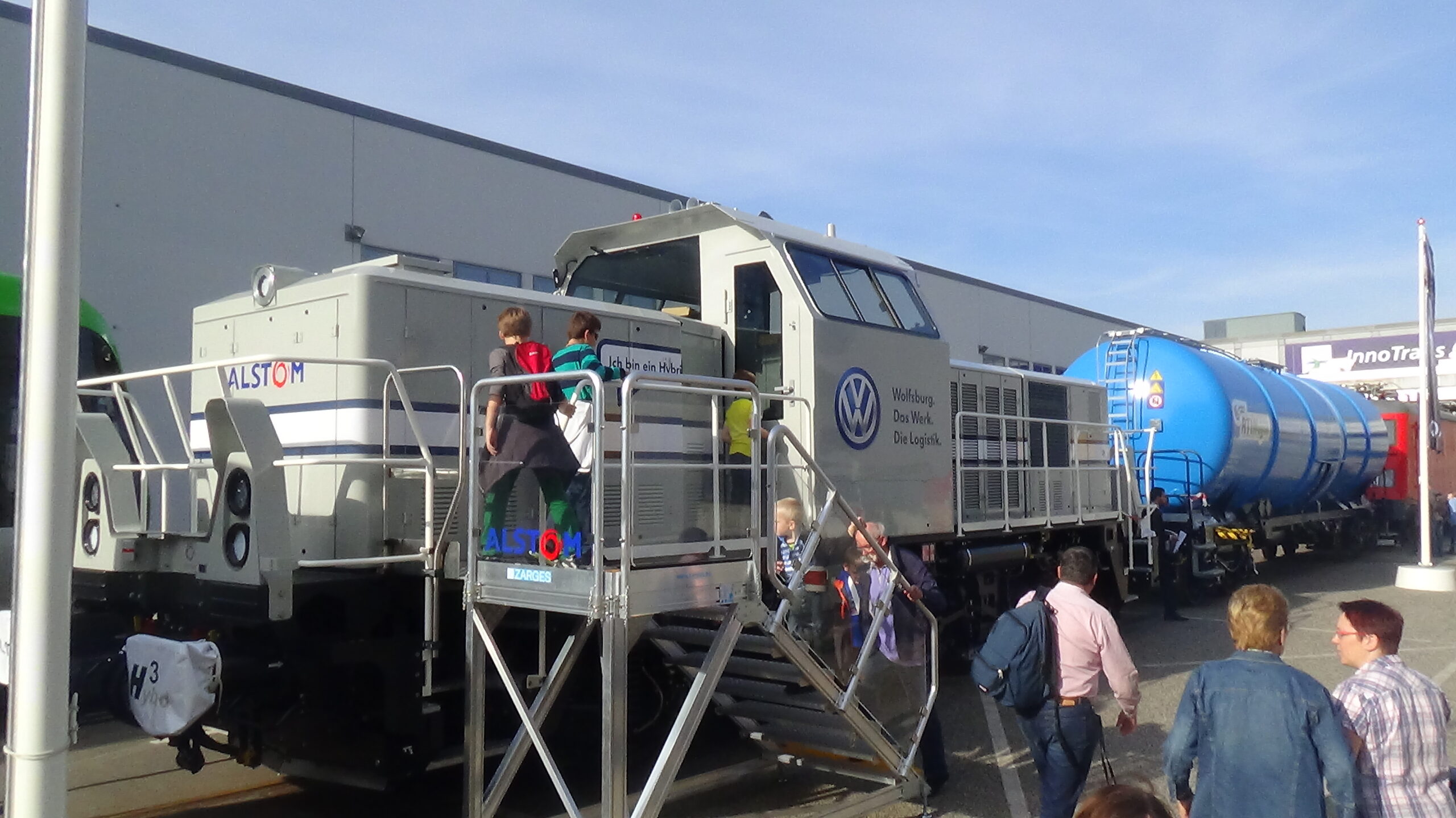
Today, operating from Saint-Ouen and maintaining its historic manufacturing ateliers in Belfort, Alstom pioneers hydrogen trains, automated metro systems, and modern tramways worldwide. As it approaches its 2028 centenary, Alstom embodies the monumental heritage of French public engineering and rail innovation.
Nel mondo delle ferrovie: i treni vanno ad acqua ed elettricità
Immagini d'archivio storico dell'Istituto Luce che testimoniano l'epopea dell'elettrificazione ferroviaria, i grandi convogli su rotaia e le officine meccaniche d'Europa. (Fonte: Archivio Storico Istituto Luce Cinecittà)
Interactive 360° Heritage View: Alstom Global Headquarters & Historic Belfort Works
Historical Location: 48 Rue Albert Dhalenne, 93400 Saint-Ouen-sur-Seine, France (Coordinates: 48.9135, 2.333)
Sources
- S1 — Malfettes, Jean. Alsthom: Une grande entreprise française. Éditions Rive Droite, 1998. ISBN 978-2-84152-054-1.
- S2 — Lamming, Clive. L'épopée du TGV et des trains français. Atlas, 2006. ISBN 978-2-7234-5542-8.
Spotted an error? Write to editorial@culturalheritageonline.com and we correct it the same day.