
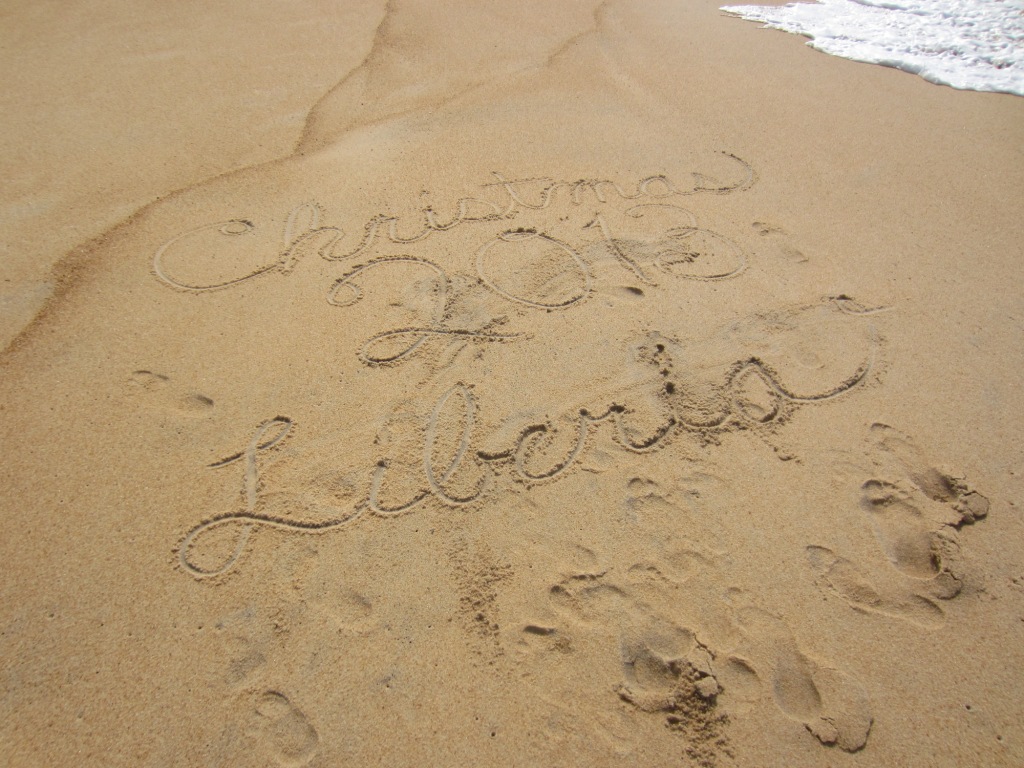
Liberia has no UNESCO World Heritage Sites. The nearest inscribed site is the Taï National Park in Côte d’Ivoire (approximately 600 km east), one of the last major Upper Guinea rainforest blocks and home to West African chimpanzees. Within Liberia, the Sapo National Park — the largest protected rainforest in West Africa after Taï — is the most significant natural heritage site, though it is not inscribed. From Cultural Heritage Online.
Sapo National Park, Liberia 200 km southeast of Monrovia — 5-6 hr by road to Zwedru, then transfer
Sapo National Park covers approximately 1,800 square kilometres of lowland tropical rainforest in southeastern Liberia, making it the largest tropical rainforest protected area in West Africa outside of Taï National Park in Côte d’Ivoire. The park protects one of the most intact remaining examples of Upper Guinea forest — a globally recognised biodiversity hotspot — and supports populations of forest elephants, pygmy hippopotamuses (Choeropsis liberiensis, a species endemic to West Africa with a global population of fewer than 2,500 individuals), western chimpanzees (Pan troglodytes verus, Endangered), leopards, and over 500 bird species.
The pygmy hippopotamus is Sapo’s most emblematic species: it is nocturnal, solitary, forest-dwelling, and approximately one-fifth the size of the common hippopotamus, making it one of the most rarely seen large mammals in Africa. Unlike the common hippo, the pygmy hippo is not dependent on large water bodies; it lives in forest streams and swamps and emerges at night to browse on leaves and fruits. The global captive population is larger than the wild population, which is threatened by habitat loss and illegal hunting. Sapo and the Grebo-Krahn National Park to the south together form a significant transboundary forest block with Taï NP and the protected areas of Côte d’Ivoire.
Liberia’s cultural heritage — particularly the Poro and Sande secret society traditions, the decorated masquerade traditions of the Kpelle, Mende, and other forest peoples, and the history of the settler-indigenous conflict that defined nineteenth-century Liberian politics — is significant but has no formal UNESCO recognition. The country’s two civil wars (1989–1996 and 1999–2003) caused severe disruption to the cultural heritage sector.
Getting there from Monrovia: Sapo NP is approximately 200 km southeast by road (5–6 hours to Zwedru, then transfer). The road conditions in southeastern Liberia are poor in the wet season; 4WD required. Liberia Heritage Tours and international ecotourism operators offer guided visits. Allow: 3+ days minimum to reach and explore Sapo. Best for: Pygmy hippopotamus; forest ecology; West African wildlife visitors.
Frequently Asked Questions
Does Liberia have any UNESCO World Heritage Sites?
No. Liberia has no inscribed UNESCO World Heritage Sites and has not submitted a Tentative List. Sapo National Park has been discussed as a potential candidate in conservation circles, and the cultural traditions of Liberia’s forest peoples (including the Poro and Sande secret society masquerade traditions) have been noted for potential intangible heritage recognition, but no formal nomination process has been initiated.
What is the pygmy hippopotamus and where does it live?
The pygmy hippopotamus (Choeropsis liberiensis) is a small forest-dwelling relative of the common hippopotamus, weighing approximately 180–275 kg (compared to 1,500–3,000 kg for the common hippo). It is endemic to the forests and swamps of West Africa, primarily Liberia, with smaller populations in Sierra Leone, Guinea, and Côte d’Ivoire. Unlike the common hippo, it is nocturnal and solitary rather than diurnal and social; it lives in forest streams and swamps rather than large rivers and lakes; and it browses on leaves, shoots, and fallen fruit rather than grazing on grass. The global wild population is estimated at fewer than 2,500 individuals; the species is classified as Endangered by the IUCN. Liberia holds approximately two-thirds of the remaining wild population.
What is Liberia’s history as an African-American settler colony?
Liberia was founded in 1822 as a settlement for freed African-American slaves and free-born Black Americans, under the auspices of the American Colonization Society — a US organisation that viewed colonisation of Africa as the solution to the presence of free Black people in the United States. The settlers, known as Americo-Liberians, established a government modelled on the United States Constitution and declared independence in 1847. A profound tension between the Americo-Liberian elite (who dominated Liberian politics until 1980) and the indigenous forest peoples who constituted the majority of the population characterised Liberian history through most of the twentieth century, eventually contributing to the 1980 coup and the civil wars that followed. The settlement history is recorded in Monrovia’s colonial-era architecture, including Providence Island (the original landing site) and the Capitol Building.
What were the Liberian civil wars and their impact on heritage?
Liberia experienced two devastating civil wars: the First Liberian Civil War (1989–1996) and the Second Liberian Civil War (1999–2003). The conflicts killed approximately 250,000 people, displaced over a million, and caused massive destruction of infrastructure, institutions, and cultural sites. Museum collections were looted, community heritage objects were destroyed or dispersed, and the social fabric of indigenous communities was severely disrupted. Recovery of the cultural heritage sector has been slow; international assistance programmes have supported documentation of endangered oral traditions and material culture, but Liberia’s cultural heritage infrastructure remains limited relative to the richness of its traditions.
Sources
- S1 — Dunn, D. Elwood, et al. Historical Dictionary of Liberia. Scarecrow Press, 2000. ISBN 978-0-8108-3876-5.
- S2 — Reader, John. Africa: A Biography of the Continent. Alfred A. Knopf, 1998. ISBN 978-0-679-40979-3.
Spotted an error? Write to editorial@culturalheritageonline.com and we correct it the same day.
.jpg)