
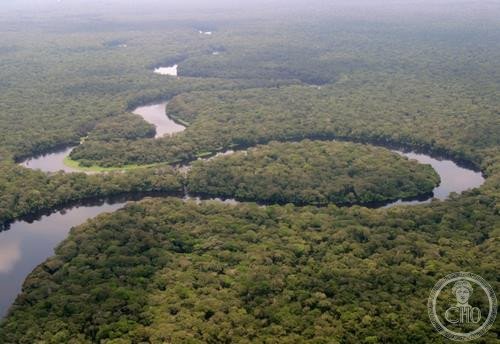
Nel cuore geografico del bacino del Congo, isolato da ogni strada e raggiungibile solo per via fluviale attraverso centinaia di chilometri di giungla, il Parco Nazionale di Salonga è il più grande parco forestale tropicale protetto dell’Africa: 36.000 km² di foresta pluviale equatoriale primaria, attraversata da fiumi lenti e profondi. È l’unico habitat naturale conosciuto del bonobo (Pan paniscus) — la specie di primate più vicina geneticamente all’uomo, scoperta solo nel 1928, e nota per la sua straordinaria struttura sociale matriarcale e pacifica. Patrimonio UNESCO dal 1984.
At a glance
Salonga National Park is the largest national park in the Democratic Republic of Congo and the largest protected tropical forest reserve in Africa, covering approximately 36,000 km² in the central Congo Basin. UNESCO inscribed it in 1984 (ref. 280) for its outstanding natural importance as a pristine example of the Congo Basin lowland rainforest ecosystem and as the exclusive natural habitat of the bonobo (Pan paniscus, the pygmy chimpanzee). The park consists of two separate blocks linked by a corridor, and is accessible only by river — there are no roads. It was listed as World Heritage in Danger from 1984 to 2021, when it was finally delisted following conservation improvements.
Key facts
- UNESCO: World Heritage since 1984 (Salonga National Park, ref. 280); removed from Danger List 2021
- Area: approximately 36,000 km² — the largest protected tropical forest in Africa
- Bonobo: the park holds the world’s largest wild bonobo population; the species is endemic to the DRC and found only south of the Congo River
- Forest elephant: one of the most important remaining DRC populations; Congo peacock (the only African pheasant) also present
- Rivers: the Salonga, Lokoro and Lulilaka rivers are the main arteries; no roads penetrate the park
- Managed by: ICCN (Institut Congolais pour la Conservation de la Nature) with WWF support
History
The Salonga region was inhabited by Mongo and Iyaelima peoples, who fished and hunted the forest. Belgian colonial administrators established the Salonga Reserve in 1956; it was upgraded to a national park in 1970, one year before DRC independence. UNESCO inscription in 1984 was accompanied by immediate Danger Listing due to poaching, illegal settlement and lack of management capacity — a reminder that inscription alone does not protect.
The bonobo, whose extraordinary social behaviour (female dominance, conflict resolution through sexual behaviour, high intelligence) was only fully understood through decades of field study beginning in the 1970s (particularly by Japanese primatologists and Frans de Waal), became a flagship for Salonga’s conservation. WWF and the Bonobo Conservation Initiative have worked with ICCN to improve ranger capacity and community relations. UNESCO’s removal of Salonga from the Danger List in 2021 was a significant milestone.
What you see
Salonga is one of the most remote and inaccessible parks in Africa: reaching the interior by river takes days from Kinshasa. But for those who do reach it, the experience is extraordinary — an infinity of forest, mirror-still rivers, the calls of bonobos and Congo peacocks, and a sense of deep wildness that has largely vanished from the rest of the continent.
Bonobo observation is possible at habituated groups managed by research teams; forest elephant, water chevrotain and Congo clawless otter are found in the river margins. The Congo peacock — the only African member of the Phasianidae (pheasant) family, unknown to science until 1936 — inhabits the dense forest interior.
Practical information
- Access: fly from Kinshasa to Monkoto or Bokungu, then by river boat to the park; no roads into the park
- Bonobo visits: arrange through Lola ya Bonobo sanctuary (Kinshasa) or WWF-DRC for research-based access
- Best time: June–August (drier season; rivers more navigable)
- Duration: a minimum 7–10 days required for a meaningful visit to the park interior
Getting there
From Kinshasa, fly to Monkoto or Bokungu (Congo Airways; 1.5 hrs), then travel by river pirogue to the park. Alternatively, travel by river from Kinshasa via Mbandaka (several days by slow boat). GPS (park centre): 2.00° S, 21.00° E.
Nearby
- Kinshasa — the DRC capital; the Lola ya Bonobo sanctuary near Kinshasa is the best place to see bonobos up close
- Virunga National Park (UNESCO) — the other great DRC UNESCO park, 1,200 km north-east, with mountain gorillas
- Mbandaka — the major river city at the equator, on the Congo River; gateway to the western Congo Basin
Sources
- UNESCO World Heritage Centre — “Salonga National Park” (ref. 280)
- WWF — Congo Basin conservation
- Encyclopaedia Britannica — bonobo; Salonga National Park
Find it on the map
See this place and what’s around it →📷 Become a Cultural Heritage Online photographer
Share your photos of places: they stay published under your name as the author. The more they're seen, the more you get noticed — and soon a contest will reward the most appreciated photos.
Log in or sign up free to add a photo